Process & contact
www.susphos.com
Contact:
Updated 3/2026
Input materials
Sewage sludge incineration ash, other P-containing ashes.
Planned: other phosphate-rich materials with low levels of organics, e.g. vivianite.
Output products
A mixture of sulfuric and phosphoric acid with Fe and Al salts (Emerald Acid),
Or
SSPlus: a single super phosphate type powder fertilizer
And:
A cement replacement (Bond)
Or
A fertilizer binder (Kornaid)
The SusPhos solvent extraction process produces a residual mineral stream, containing gypsum (calcium sulphate from the sulphuric acid reaction), sand from silicates in ash, aluminium and iron. Heavy metals in the sewage sludge (copper, lead …) are 95% removed from the phosphoric acid and immobilised in the residual mineral stream. This mineral stream can be valorised in e.g. building materials, hydraulic road binders, soil sanitation, etc. or after modification in a binder for the fertilizer industry.
The produced liquid, a mix of phosphoric acid and sulfuric acid with modest levels of dissolved Fe and Al salts, can be used as a raw material in the fertilizer industry, or further processed by SusPhos to a powder single super phosphate.
Process description
The input materials are reacted with concentrated sulphuric acid, after which a proprietary solvent is used to extract phosphoric acid. Purified phosphoric acid can be stripped out of the solvent, or reacted to phosphate chemicals which can be separated from the solvent, without requiring ion-exchange or membrane filters. The solvent is then recycled back to the process.
Heavy metals are largely removed and rendered inert in insoluble minerals: e.g. >95% of Cd, Hg, Cu, Zn …
Operating status
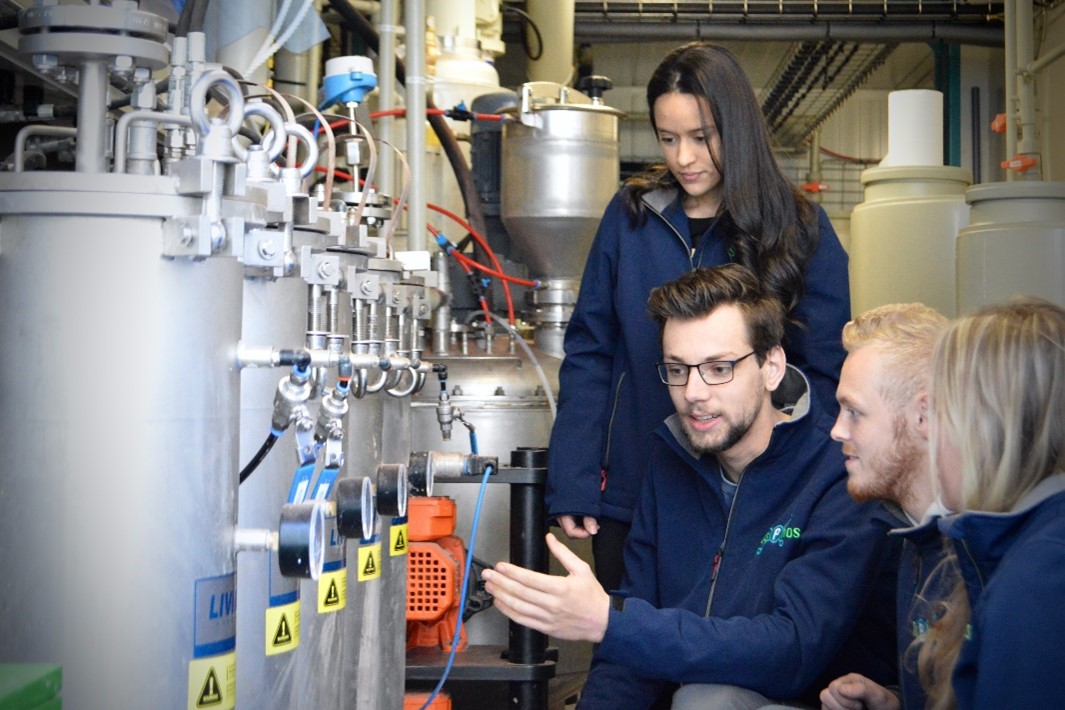
25 kg/day pilot operated in Leeuwarden (NL) for over two years 2021-2023, using sewage sludge incineration ash and other dry, P-rich, low-organics materials. Vendor tests were done for all unit operations on practical scale, representative for full scaleup.
A contract has been signed (February 2024, see ESPP eNews n°84) with SNB (Slibverwerking Noord-Brabant, The Netherlands) to design a full-scale P-recovery from ash plant, establish the business plan and define cooperation, allowing a decision on investment in a full-scale plant to then be taken. The objective is for the full-scale plant to be operational by 2028. The project is co-funded by the European Union through the Just Transition Fund (JTF).