Process & contact
Soepenberg
Website: iPHOS
Contact(s):
Updated 05/2026
Input materials
Activated excess sludge (WWTP)
Output products
Struvite or other mixed Mg-Na-K phosphates. The struvite is fine but easily settled from the precipitating stage.
Sludge with improved dewaterability, for use e.g. as fuel in cement works.
Process description
Sewage sludge is reduced by means of sulfide addition in a stirred reactor. In a subsequent pipe reactor, a pH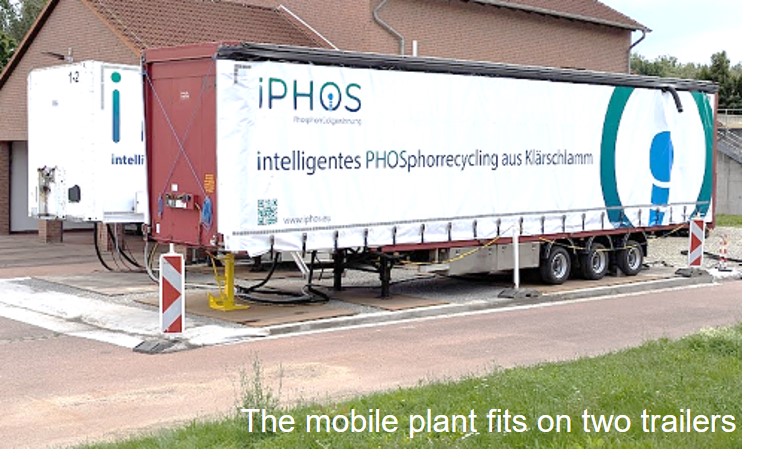 adjustment to 4 is made by a modest injection of mineral acid, upon which most phosphate solubilizes. If necessary, solubilized iron is precipitated by additional sulfide. A flocculation agent is finally added in the pipe reactor to allow sludge settling by gravity. Heavy metals are precipitated into the sludge by the pH change in the process or the second sulfide addition.
After the sludge is removed, magnesium salts are added to the supernatant, which increases the pH and causes phosphate precipitation as struvite, or other mixed phosphates if ammonium is not sufficiently present.
The product contains 10.1% P (theoretical in struvite: 12.6%) and heavy metals content, relative to P, is lowered by a factor of 10 to 15, in line with the European Fertilizer Regulation. This is subject to further optimisation.
The technology is indicated to work with iron phosphate based sludge, and partially for bio-P sludge. For aluminium phosphate based sludge the process was adapted.
The process allows to fulfil the upcoming German P recycling requirements.
A test in Gifhorn (Germany) demonstrated a P recovery of more than 50% of the P input into the WWTP. 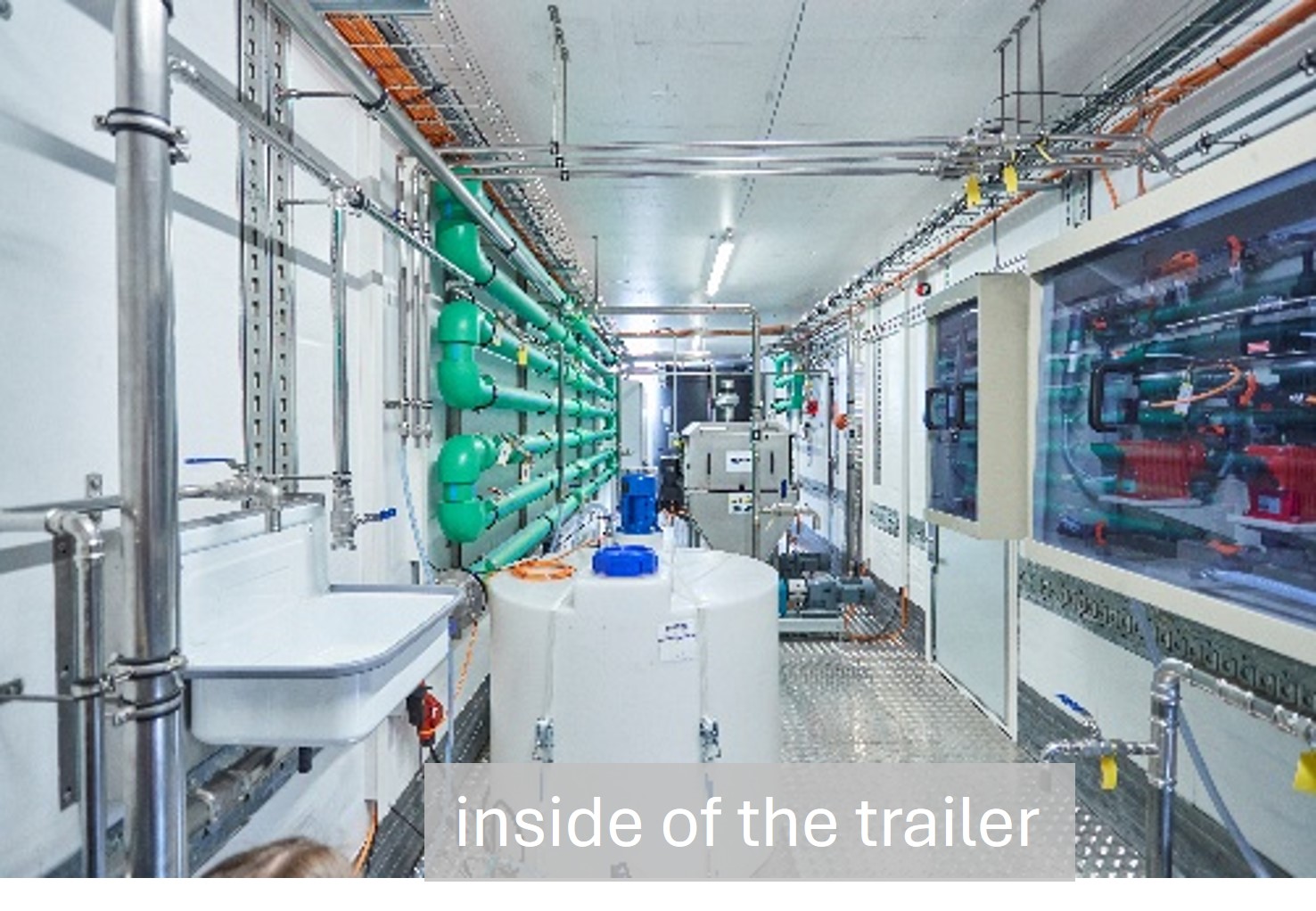
A mobile plant with a treatment capacity of 1 m³/h was constructed und has been in operation at WWTPs since summer 2025.
Operating status
A plug and operate mobile test unit has been at two WWTPs across Germany (as of April 2026) and will be sent to more WWTPs.