https://onunda.com/newsroom/from-waste-to-worth-biosolids
Contacts:
Updated 03/2026
Input materials
The technology treats inflows of primary sludge, aerobic and anaerobic digestate (AD), advanced anaerobic digestate, and agricultural wastes including cow slurry, pig and chicken manures.
Onunda technology operates most effectively when inflows are composed of 5-15 wt% dry solids.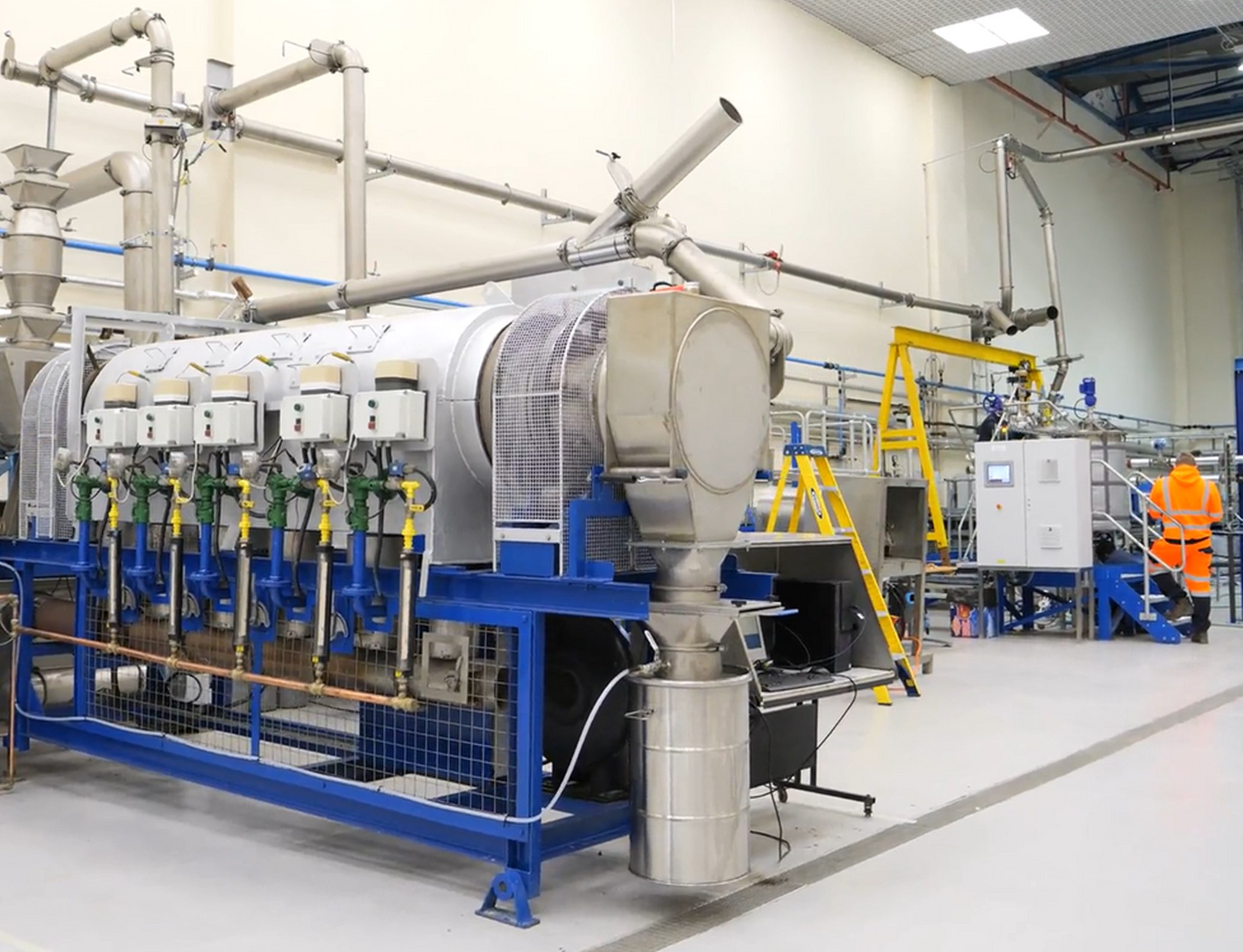 Biochar produced for agricultural purposes requires primary sludge or AD feedstock with ≤20 wt% ash (dry basis).
The technology is best located on a WWTP after drum thickeners (for primary sludge) and dewatering centrifuges (for AD and advanced AD).
The technology is compatible with WWTP which have thickened primary sludge and dewatered AD and advanced AD streams.
The energy consumption amounts to 285 kWh/kg P removed
Output products
Solid, powder biochar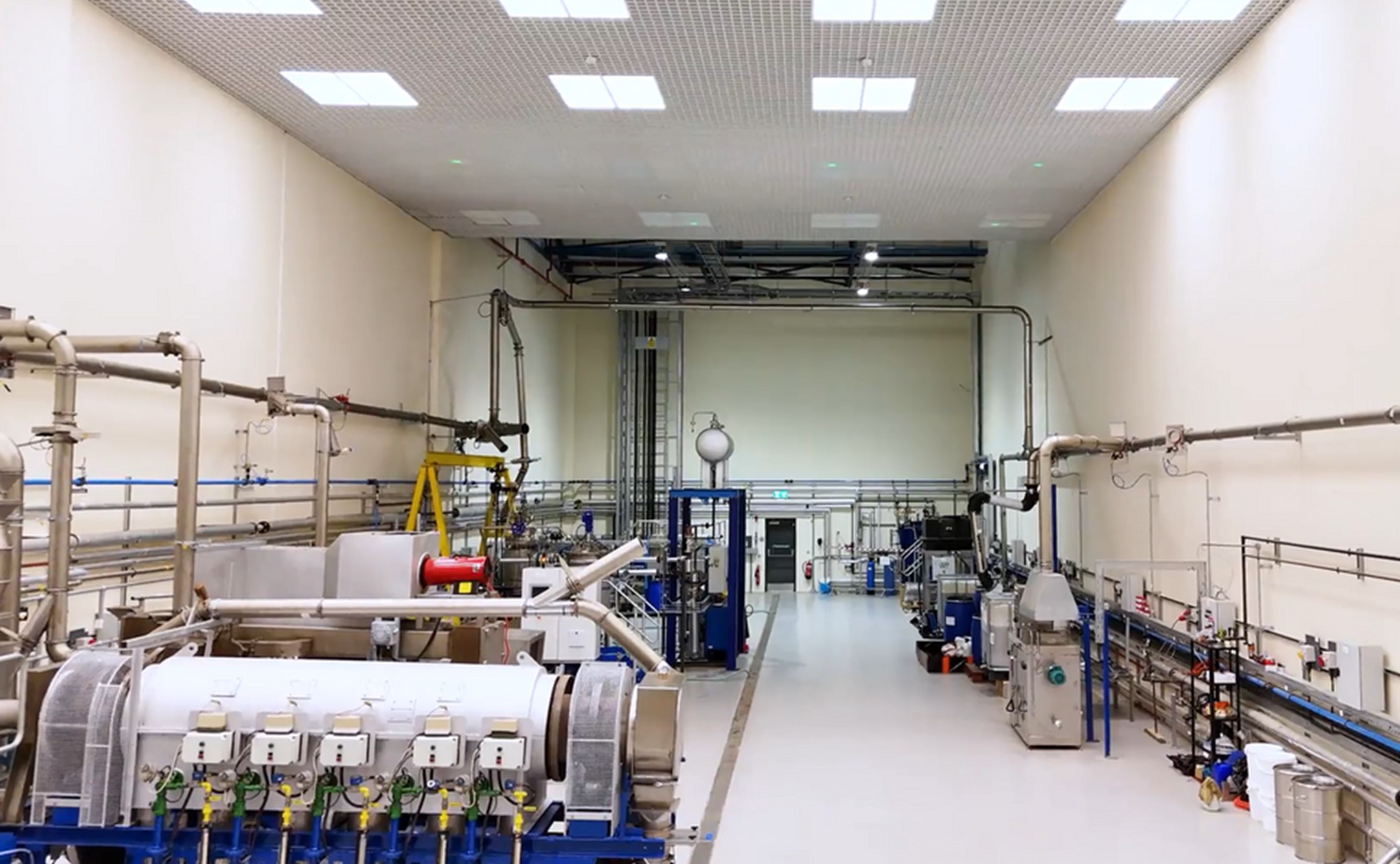
- Water content 2 wt%
- C(org)/DM 0.176 kg/kg
- P/ DM 0.015 kg/kg
- K/ DM 0.001 kg/kg
- heavy metals
Nutrient liquor
- DM 2.25 wt%
- C(org) = 20 g/l
- Al 2 mg/l
- Fe 10 mg/l
- N 640 mg/l
Pyrolysis gas: calorific value = 30 MJ/kg
Process description
The process is made up of four main steps: hydrothermal carbonisation (HTC), mechanical dewatering, convection drying, and rotary kiln pyrolysis. The organic waste slurry is fed to HTC where carbonisation takes place: oxygen and nitrogen are removed from the solid and dissolved in the liquid fraction.
The high temperature and pressure sterilises any pathogens present in the feedstock. Mechanical dewatering then separates the liquid and solid phases: the nutrient-rich liquid is fed to an anaerobic digestor for energy recovery; the solid is then dried to a target moisture content of 5 wt% before being pyrolyzed. The P, K-rich biochar can be used for agriculture, and the pyrolysis gas returned to supplement the thermal energy duty of the process itself.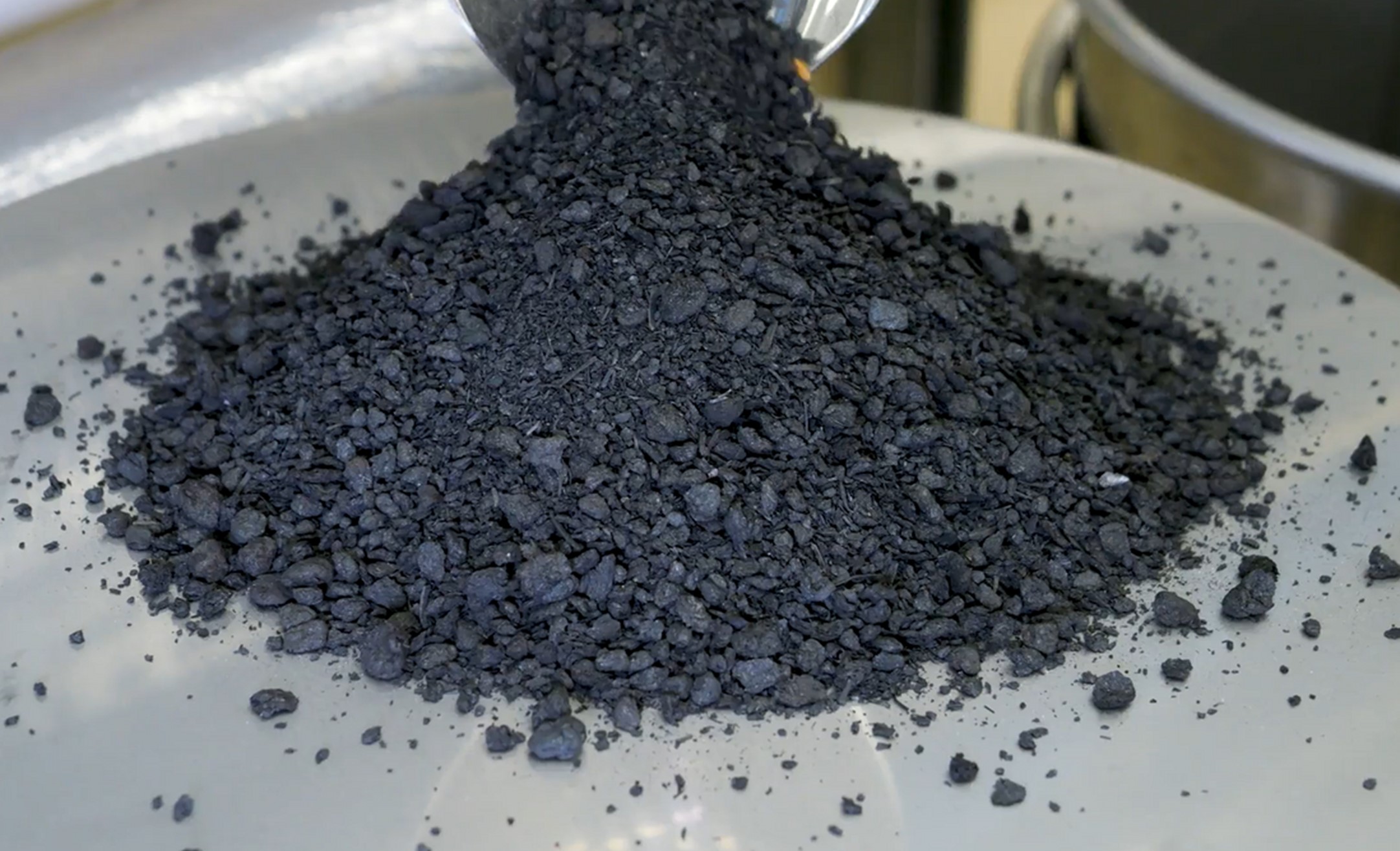
The majority (>99 wt%) of the heavy metals are contained in the solid biochar fraction. Microcontaminants such as microplastics and PFAS are removed from the liquid and solid phases to undetectable limits (< 1 microgram/kg). These contaminants are thermally treated to their respective oxidised chemical constituents in the flue gas after energy recovery. Continuous phosphorus removal can be achieved at 15 g/kg DM processed. This phosphorus is removed in the solid biochar.
Onunda technology scales to service WWTP with a biosolids and/or primary sludge availability of up to 50 tons dry solids per day.
Operating status
A 0.5 tons dry solids/day pilot plant located in Carlisle, UK, operating for a total of 6 months. The four main steps are operated independently: the HTC is in batch mode, the filter press is fed batch mode, the dryer and pyrolysis kilns are operated in continuous mode.