
Newsletter about nutrient stewardship - European Sustainable Phosphorus Platform (ESPP)
Please subscribe www.phosphorusplatform.eu/Subscribe
Link to www.phosphorusplatform.eu/eNews082
Download as PDF
ESPP dates for 2024
SOFIE3
Standards & definitions for “Bio-Based” nutrients
Targets for nutrient recovery under the Urban Wastewater Treatment Directive revision
Policy
German Environment Ministers’ conference calls for implementation of P-recovery
EU-funded R&D into Circular Economy outcomes are mainly publications
Proposed dental amalgam ban will reduce mercury levels in sewage and water bodies
EU JRC Seville recruitment offers – Sustainable Industry
Phosphorus Recycling
Ostara’s Crystal Green: first recovered struvite to obtain EU FPR CE-mark
Further pilot trial announced for ViviMag® iron phosphate recovery
EU funding for roll out of agronomic biostimulant recycled from human urine
Safe use of recycled phosphates in animal feed
Aquaculture, algae, fisheries
Legal status for nutrient recycling from fish manure, algae, seafood, aquaculture
Review: nutrient recycling from fisheries and aquaculture
Research
Sewage sludge treatment in Czech Republic and in Japan
Netherlands wastewater nutrient recycling project KNAP
Stay informed
ESPP members
ESPP dates for 2024
- 16-17 Jan. 2024: Brussels & online SOFIE3 (Organic and Organo-Mineral Fertilisers)
(with Eurofema, Fertilizers Europe, International Fertiliser Society and SILC Fertilizzanti) - 18 Jan. 2024: Brussels & online “Bio-Based” nutrients - standards & definitions
- 26-28 Feb. 2024: Warsaw CRU Phosphates 2024 ESPP panel on sustainable fertilisers
- 13-14 March 2024: Brussels & online ESPP workshops on Nutrient recycling policy
- 13th March: policy tools to support market pull for recycled nutrients
- 14th March: targets for nutrient recovery under the Urban Wastewater Treatment Directive revision - 16-17 April 2024: Brussels & online NERM Nutrients in Europe Research Meeting
(with Fertimanure, Lex4Bio, Walnut, Sea2Land, Rustica) - 8-10 October 2024: Lleida, Spain ESPC5 (5th European Sustainable Phosphorus Conference)
SOFIE3
 3rd Summit of Organic and organo-mineral Fertiliser Industries in Europe.
16-17 January 2024, Brussels & hybrid. SOFIE is the only industry meeting place for organic-carbon-based fertiliser producers, distributors, advisory, technology suppliers. SOFIE1 (2019) attracted 125 participants, with 230 for SOFIE2 (2023).
SOFIE3 has an exceptional lineup of speakers, featuring key insights from esteemed organizations and industry leaders. Join us to hear from the European Commission (DG AGRI and DG GROW), Notified Bodies like CerTrust and EFCI Register, alongside renowned companies such as Yara, ICL, and Fertilisers Europe. We'll also have insightful contributions from Eurofema, EBA, S&P/Fertecon, ADAS, Nutriënten Management Instituut, and IPS Konzalting.
The conference will be enriched by the participation of leading companies in the field, including Yara, K+S, Sede Environment, Culterra, Terramarine, Tessenderlo Group, Unimer, Den Ouden, Fertinagro, Ductor, DCM, Compo, Stiesdal, Biota Nutri, Darling Ingredients, Omya, Honkajoki, Labin, Ormin, Sappi, Agrana Starch, Green Circle, Centeon, AgriBioSource Europe, Alan SRL, The Waste Transformers, Steel Belt Systems, Sedron Technologies, and Sanitation360. This event promises to be a melting pot of ideas and innovations, shaping the future of our industry. Connect, collaborate, and be part of this transformative journey.
Programme and registration www.phosphorusplatform.eu/SOFIE.
Standards & definitions for “Bio-Based” nutrients
Brussels & hybrid, 18th January 2024 Defining “Bio-Based Fertilisers” and FPR “solely biological origin”.
 The term “Bio-Based Fertilisers” is today being widely used. For market transparency and policy making, it is important to have a clear and agreed definition of what is a “Bio-Based Fertiliser” and how to define the “Bio-Based” nutrient content of fertilising products. Also, the EU Fertilising Products Regulation 2019/2009 uses the term “of solely biological origin” for nutrients in criteria of several PFCs and there is today no clarity on how this should be interpreted. CEN and ISO methodologies for “Bio-based products: vocabulary” and for defining bio-based content are based on carbon radio-dating, and are not applicable to nutrients.
The meeting will take as starting point the working proposal HERE. Programme: http://phosphorusplatform.eu/BBF2024 Registration Eventbrite
Targets for nutrient recovery under the Urban Waste Water Treatment Directive revision
ESPP policy workshop to define proposals for possible regulatory targets for phosphorus and nitrogen reuse-recycling from sewage, Thursday 14th March 2024, Brussels & online.
The proposed UWWTD revision draft text (art. 20) states*: “The Commission is empowered to adopt delegated acts … setting out the minimum reuse and recycling rates for phosphorus and nitrogen …”.
This meeting aims to develop consensus proposals for such “reuse and recycling rates”, covering for example:
- what are feasible “rates” for P and for N recovery?
- how should these “rates” be defined? … as % of wwtp inflow? … as % in sludge? … as % in ash? …
as recovery of P or N down to a certain residual level (per p.e.)? … other …? - should the “rates” be different for wwtps of different size? different configuration? Before or after sludge energy valorisation / combustion ?
- definition of “reuse and recycling”? … Should this include treated sludge use in agriculture (biosolids to land). If so, under what conditions, e.g. quality / contaminants? plant nutrient availability? spreading according to crop nutrient requirements? CE or National fertiliser certification ?
- should “reuse” and “recycling” be addressed differently depending on context: size of wastewater treatment works, regional context …
- should quality/functional requirements be specified for recovered nutrient products?
- other questions proposed by meeting participants.
* The UWWTD Directive revision is currently under discussion by the European Parliament and Council European Parliament. European Parliament and Council. Both have finalised their positions on this Directive revision, see eNews n°80. Both maintain the principle of targets for phosphorus reuse and recycling, but Council proposed to delete nitrogen from this art. 20. It is expected that the finalised UWWTD Directive will be formally adopted early 2024.
13th March 2024: policy tools to support market pull for recycled nutrients
14th March: proposing UWWT Directive targets for P and N recovery, ESPP policy workshop
Both: Brussels & online. Registration is open www.phosphorusplatform.eu/nutrientevents2024
If you wish to present proposals, positions or evidence at the 14th March meeting: please send a brief outline of your proposed input by 21st January 2024 to
Policy
German Environment Ministers’ conference calls for implementation of P-recovery
Conference of German States (Land) of Environment Ministers reaffirms the importance of phosphorus recovery and expresses concern that little progress has been made towards the 2029 deadline fixed by German legislation. The Umweltministerkonferenz resolution 1st December 2023 underlines the importance of sustainable management of phosphorus and estimates that P in sewage could potentially substitute nearly half of Germany’s P fertiliser consumption. However, six years after the entry into force of the German sewage sludge ordinance (AbfKlärV, 27th September 2017, see SCOPE Newsletter n°129) requiring phosphorus recovery from sewage, few P-recovery plants are identified and the 2029 implementation deadline may be widely not achieved. The resolution notes that obstacles include insufficient maturity of P-recovery technologies and lack of State regulations enabling passing of P-recovery costs on to wastewater fees. The Ministers call for an operator and stakeholder dialogue in 2024, with the German Phosphorus Platform, to identify obstacles to implementation and solutions, for modifications of regulations to allow passing on of costs and for State support for infrastructure. The Ministers also consider that the German Fertilisers Ordinance should be modified to facilitate the use of sewage-sludge derived phosphorus products in fertilisers when pollutants have been reduced.
Umweltministerkonferenz, 1 December 2023, Münster, agenda points TPO 20 and TOP 21 “Phosphor-Rückgewinnung aus Klärschlamm” https://www.umwelt.nrw.de/presse/detail/ergebnisse-der-101-umweltministerkonferenz-1701431976
EU-funded R&D into Circular Economy outcomes are mainly publications
Analysis of EU-funded Circular Economy R&D projects shows science publications are the main short-term outcome. Analysed projects completed more than one year earlier produced no direct methodologies and no market products. The study notes that Circular Economy R&D is funded under a wide range on EU programmes (Research Framework Programmes, Bio-based Industries Consortium, Bio-based Industries Joint Undertaking, LIFE, BlueInvest – maritime & aquaculture, Structural and Investment Funds, Recovery Plan for Europe, …). The study identifies 38 projects funded under the EU R&D Framework Programmes FP7 or Horizon Europe, of which 12 had been completed more than one year earlier (6 responded to a questionnaire). The study conclusions state that EU R&D Framework projects are fulfilling their purpose because they are “increasingly societal challenges-driven and market oriented” but this is supported by conjecture or inference rather than evidence. Project participants are c. 44% companies (220) and c.38% research / universities with the remainder being public bodies (the distribution of subsidy funds between participants is not indicated and may be different): companies presumably expected to obtain some benefit from participation, be it subsidies, skills transfer, know-how or technology. The analysed studies completed more than a year ago resulted in no “direct methodologies and/or products for the market”.
“On the societal impact of publicly funded Circular Bioeconomy research in Europe”, A.S. Brandao et al., Research Evaluation, 2023, 00, 1–17 DOI.
Proposed dental amalgam ban will reduce mercury levels in sewage and water bodies
The European Commission has proposed to further restrict uses of mercury, with a complete ban of dental amalgam (use, manufacture) and further restrictions on certain types of lamps. Dental amalgam (containing mercury) was already banned for certain populations (children, pregnant and breast-feeding women) in 2017 (art. 10, Mercury Regulation 2017/852, see ESPP eNews n°6). The Commission now proposes (2023/0272 (COD)) to ban all use and manufacture of dental amalgam in Europe from 1st January 2025. Mercury free alternatives exist. Eureau, the EU water industry federation, welcomes the Commission proposal as contributing to reduce water pollution and facilitate the Circular Economy, indicating that over 40% of water bodies in Europe are not achieving Water Framework Directive “good status” because of mercury contamination. In Sweden, Norway and Denmark, where dental amalgam was banned two decades ago, mercury levels in sewage have fallen by 60%. The amalgam ban will also progressively reduce atmospheric mercury emissions from crematoria.
European Commission proposal for a Regulation “amending Regulation (EU) 2017/852 … on mercury as regards dental amalgam and other mercury-added products subject to manufacturing, import and export restrictions”, 14th July 2023, COM(2023) 395 final - 2023/0272 (COD). This proposal is currently with the European Parliament and Council for co-decision. Procedure file here.
EU JRC Seville recruitment offers – Sustainable Industry
The European Commission has opened recruitment for six project officers to work at JRC Seville on Industrial Emissions Directive BAT BREFs and in the new INCITE (EU Innovation Centre for Industrial Transformation & Emissions), 3 – 6 year contracts in the EIPPCB (European Integrated Pollution Prevention and Control Bureau). IED BAT BREFs cited include mining, livestock rearing, landfills, battery manufacture, iron-steel, cement, chemicals, paper, glass.
EU JRC recruitment open to 31st January 2024 http://recruitment.jrc.ec.europa.eu/?site=SVQ
Phosphorus Recycling
Ostara’s Crystal Green: first recovered struvite to obtain EU FPR CE-mark
Ostara has completed EU Fertilising Product Regulation (FPR) conformity assessment for its 100% recycled phosphate struvite (magnesium ammonium phosphate) recovered from municipal sewage in Madrid and in The Netherlands. This is the first time a recovered phosphate salt (CMC12) has obtained the EU FPR CE-mark. Ostara’s struvite, marketed as Crystal Green, is pure struvite 5-28-0-16MgO fertiliser, which is considered to release nutrients according to crop requirements, independent of rainfall or irrigation, unlike conventional fertilisers. The FPR conformity assessment was undertaken for Ostara by Certrust (notified body). Ostara indicate that the EU FPR CE-mark now opens the way for Organic Farming certification. The EU Organic Farming Regulation (2023/121, January 2023, see ESPP eNews n°73) authorises use of recovered struvite and precipitated phosphate salts as fertilisers in Organic Farming, only if they “meet the requirements laid down in” the EU FPR.
“Ostara is proud to be the first company in the European Community to successfully pass the conformity assessment procedure of the EU fertilizing Product regulation for a 100% fully recovered struvite fertilizer”, 6 December 2023.
Further pilot trial announced for ViviMag® iron phosphate recovery
Kemira and Royal Haskoning DHV have announced further trials of vivianite (iron(II) phosphate) magnetic recovery from municipal sewage sludge at Hoensbroek municipal sewage works (Waterschapsbedrijf Limburg WBL The Netherlands). The ViviMag process was initially developed by WETSUS and TU Delft and is today a Kemira patented technology. Anaerobic digestion of sewage sludge tends to reduce iron(III) phosphate to vivianite, which can be magnetically separated from sludge and recovered. A first manual 1 m3/h ViviMag pilot for magnetic separation of vivianite was operated at Nieuwveer; The Netherlands in 2019, then a 1 m3/h fully automated continuous pilot was built by Kemira. It was first operated by Veolia at Schönebeck, Germany (2022) with a digested sludge and a second trial then took place at VCS Søndersø, Denmark on a non-digested sludge in first half of 2023. This pilot installation has today been operated for a total of around 6 months with continuous operation for up to 7 days. The objective of the Kemira – Royal Haskoning DHV collaboration is to further test and assess the ViviMag technology at another WWTP in the Netherlands. This new trial has just started and will last at least 6 months. The vivianite may find a market as a niche fertiliser product in regions where soils suffer from iron deficiency, or research is underway to possibly develop a process to separate phosphorus in vivianite from iron, so enabling phosphorus recycling into mainstream phosphate fertilisers, and recycling of the iron for reuse in sewage phosphorus removal - Another option being explored is use of vivianite as a raw material to product lithium iron phosphate for use in batteries, if it can be shown that this is chemically efficient and that impurity levels are compatible with battery electronics specifications.
“Kemira and Royal HaskoningDHV to collaborate in award-winning phosphorus recovery technology”, 12th December 2023.
“Wastewater: recover vivianite mineral, from lab to pilot scale - with Wetsus partner”, 5th December 2023
EU funding for roll out of agronomic biostimulant recycled from human urine
Toopi Organics, a French startup, will receive 8.4 M€ EU funding to develop their Lactopi Start microbial biostimulant, produced by cultivating specific bacteria using separately collected human urine as substrate. In 2023, Toopi Organics collected and processed around 500 000 litres of urine from sites including motorway service stations, tourist attraction sites, city public toilets and music festivals and events. The funding is EU Horizon (European Innovation Council EIC Accelerator) with 2.4 M€ subsidy and 6 M capital. Over 100 field trials of the product will be carried out across six EU member states and Toopi Organics intends to open a full-scale production site near Bordeaux, France in 2025 (objective one million litres/year litres of product per year, sufficient for application to e.g. 40 000 ha @ 25l/ha) followed by further sites in France and/or Belgium. The urine is filtered to remove pathogens and most organic contaminants. The processed urine is used as fermentation substrate to grow specific lactobacillus microorganisms and lactic acid, both of which act as biostimulants, enhancing crop nutrient uptake by solubilising phosphorus present in soil and improving and stimulating the plant root system. The resulting product does contain some nutrients, but does not claim fertilisation (nutrient supply) as a mode of action. The company indicates that the product meets the EU FPR (Fertilising Products Regulation) PFC 6(A) “Microbial plant biostimulant” criteria (stimulation effect on plant nutrition independent of product nutrient content, contaminant and pathogen limits) but cannot today be registered as an FPR CE-mark product because the cultivated lactic acid bacteria is not listed in CMC7. The product is authorised under national regulations in France, Belgium, Greece, Italy, Portugal and Spain.
“Toopi Organics décroche un financement de 8,4M€ pour développer la valorisation agricole de l’urine humaine en Europe”, 14th November 2023 here.
Safe use of recycled phosphates in animal feed
EasyMining webinar with veterinary and agricultural experts suggests that calcium phosphates recovered from sewage sludge incineration ashes could be safely and effectively used in animal feed, if regulatory obstacles were lifted.
Beth Young, Epidemiologist, Swedish National Veterinary Institute (SVA), presented a risk assessment for pathogens for calcium phosphates recovered from sewage sludge incineration ash by EasyMining’s Ash2Phos process. This recovered phosphorus has been shown to perform just as well as commercial phosphate feed additives, providing digestible phosphorus in trials with pigs and chickens (see SLU animal feed trials study results). The risk assessment considered probability of transmission of ‘worst case’ pathogens (prions for BSE – scrapie) in the stages: presence in sewage sludge, incineration of sludge, Ash2Phos ash processing. No data was found on prions in sewage sludge, two studies suggest that spiked prions survive in sludge, but low levels of prion infections in livestock and actions to reduce risks mean that the probability of prion presence in sewage is negligible. Probability that prions survive sewage sludge incineration is very low. The probability that prions survive the Ash2Phos process (acid, alkali, filtration, lime) is considered negligible. Overall the probability that bacteria, viruses or prions could be transmitted by the recovered phosphate is negligible, although there are knowledge gaps for prions.
Kerstin Sigfridson, Product Developer, Lantmännen, Swedish farmers’ cooperative, with 18 000 farmers, providing 1 Mt/y of animal feed, that is around 50% of Swedish livestock. Lantmännen has ambitious sustainability and innovation objectives, including active work on livestock diets. Lantmännen considers that the use of recycled phosphates offers sustainability benefits and that the Ash2Phos recovered phosphate has shown the same digestibility as commercial phosphate feed additives (DCP) and is safe to use.
Sara Stiernstörm. Product Manager, EasyMining, explained that the Ash2Phos recovered phosphate (RevoCaP precipitated calcium phosphate) offers CO2 benefits and low contaminants compared to commercial feed phosphates and is fully soluble in citric acid (digestible). It contains around 35% Ca and 17% P. Ash2Phos can recover >90% of the phosphorus in ash, as well as recycling iron, aluminium and sand. Two full scale plants are today planned, both 30 000 t-ash/y, in Schkopau, Germany (with Gelsenwasser), commissioning planned 2027 and Helsingborg Sweden, planned 2028. However, there is today a major regulatory obstacle: the animal feed Regulation 767/2009 prohibits use of products from sewage sludge. This needs to be changed. EasyMining wishes to see: P-recycling from sewage to be made obligatory, sewage sludge incineration ash should be considered a safe starting point, product legislation should be based on quality not on input material origin, and incentives should support the use of clean and safe recycled materials.
Webinar “Safe use of recycled phosphate”, 14th December 2023, organised by EasyMining (Ragn-Sells Group). Watch here.
Webinar “Improving sustainability of livestock production”, 3rd February 2022, watch here.
Aquaculture, algae, fisheries
Legal status for nutrient recycling from fish manure, algae, seafood, aquaculture
ESPP will meet the European Commission to discuss nutrient recycling from marine and aquaculture in week 3 of January 2024. We have prepared a draft table to summarise legal status and questions and welcome your input. This draft table covers different marine / aquaculture / algae materials under EU legislations: waste, fertilisers, animal by-products, Organic Farming, animal feed. Please send any input, comments or additions concerning nutrient and organics recycling from fish and marine product processing, aquaculture wastes and fish sludge, algae production, in particular where regulations are today unclear or are posing obstacles to the Circular Economy.
ESPP draft table on legal status of nutrient recycling from aquaculture and fisheries wastes and by-products, for comments. www.phosphorusplatform.eu/regulatory
Review: nutrient recycling from fisheries and aquaculture
Overview shows significant, increasing nutrient recycling potential from fish processing wastes and from aquaculture, but need to address regulatory obstacles and absences and to develop technologies adapted for different waste flows. Aquaculture production increased from 20 to 90 Mt/y worldwide over three decades to 2020, and today represents around half of world seafood and fish production. Processing waste can be 55 - 75 % of fish weight. Fish sludge, made up of water, fish feed, fish faeces and biomass from dead fish or other organisms, can represent c. 1.5 t sludge /t fish produced. Nutrient content of fish sludge varies widely, depending particularly on feed supply. Around 2/3 of P in fish feed is left in fish sludge not recovered in the fish. Solid fraction of fish sludge can contain e.g. 0.0015 – 0.03 % of P and N, so that nutrient recycling generally requires concentration. A number of studies are identified as showing effectiveness of fishery wastes or fertilising materials processed from them. Processed discussed for fishery processing wastes or fish sludge include anaerobic digestion, fermentation, composting, struvite recovery, thermal treatment and pyrolysis, emulsion (oil extraction and caking), drying, hydrolysis. Fish protein hydrolysates and chitin/chitosan from crustaceans are considered to be plant biostimulants as well as providing plant nutrients. Recycling is impacted by a range of EU regulations including Industrial Emissions Directive, waste regulations, Animal By-Products, food hygiene and health, fertilisers and Organic Farming. However, products derived from fishery wastes, by-products or aquaculture sludge are not yet included as a CMC category in the EU Fertilising Products Regulation 2019/1009. Attention should be paid to salinity.
“Nutrient recovery and recycling from fishery waste and by-products”, EU Horizon 2020 Sea2Land project, J. Zhang et al., J. Environmental Management Volume 348, 15 December 2023, 119266 DOI.
Research
Sewage sludge treatment in Czech Republic and in Japan
Paper analyses sewage sludge valorisation routes and fate of sewage phosphorus in Czech Republic and in Japan. More than three quarters of Czech sewage sludge is applied to soil (use in agriculture, compost), 12% is co-incinerated and 7% still goes to landfill. In Japan only around 11% of sewage sludge is applied to soil, with most going to combustion (71% incineration, but also use as fuel in cement production and other thermal processing), with <1% going to landfill. Phosphorus content of sewage sludge in both countries (from literature) was 2.4 – 3.4 %P/DM, with higher P contents in digested sludge (this can be expected, because organic carbon is reduced in the digestion process). The paper estimates that in both countries, phosphorus in sewage could replace around 13 – 16 % of mineral phosphate fertiliser use, but does not take into consideration the fact that three quarters of Czech sewage sludge phosphorus is today input to soils with land application, mostly after anaerobic digestion or composting. The paper suggests that sewage sludge does not provide the same phosphorus effectiveness in crops as commercial fertilisers: two papers are cited to support this: Christiansen 2020 and Lemming 2017).
“P‑recovery versus current sewage sludge treatment policy in the Czech Republic and Japan”, M. Husek et al., 2023, Clean Technologies and Environmental Policy DOI.
Netherlands wastewater nutrient recycling project KNAP
New national project led by Wageningen University and Research will look at recycling of nutrients from sewage, separative sanitation, and agri-food wastewaters including dairy, brewery, sugar and potato industries. Focus is on producing recycled fertilisers for use in arable farming, feed crops cultivation, (circular) horticulture and organic farming. The 2023-2026 project involves Wageningen Environmental Research (WENR), KWR, LeAF, the Netherlands Nutrient Platform, as well as waste & water companies, agriculture and horticulture organisations, fertiliser industry, (recycling) technology suppliers and local and regional authorities. Objectives include implementation of nutrient recycling and valorisation cases, development of a quality system for recycled nutrient products from wastewaters, data on nutrient flows and losses, assessment of the agronomic value of recovered nutrient products and analysis of regulatory barriers.
Public-Private Collaboration (PPS) project “Closing the cycle of nutrients from wastewater and process water (KNAP)” website.
Stay informed
SCOPE Newsletter: www.phosphorusplatform.eu/SCOPEnewsletter
eNews newsletter: www.phosphorusplatform.eu/eNewshome
If you do not already receive ESPP’s SCOPE Newsletter and eNews (same emailing list), subscribe at www.phosphorusplatform.eu/subscribe
LinkedIn: https://www.linkedin.com/company/phosphorusplatform
Slideshare presentations: https://www.slideshare.net/phosphorusplatform - Twitter: @phosphorusESPP
YouTube https://www.youtube.com/user/phosphorusplatform
ESPP members
Newsletter about nutrient stewardship - European Sustainable Phosphorus Platform (ESPP)
Please subscribe www.phosphorusplatform.eu/Subscribe
Link to www.phosphorusplatform.eu/eNews081
Download as PDF
Dates 2023
ESPP dates for 2024
SOFIE3
Standards & definitions for “Bio-Based” nutrients
Policy
EU support study for Sewage Sludge Directive published
EU evaluation of the Nitrates Directive
EU Critical Raw Materials Act trilogue compromise
Call for input for evaluation of EU Fertilising Products Regulation
Finland publishes new national fertilisers regulation
EU Fertilisers Expert Group
EU fertilisers market data portal
ESPP Member news
N2 Applied – GEA Manure Enricher roll out
Ragn-Sells “10 Billion Challenge”
Fertilizers Europe launches Roadmap for climate neutral fertilisers by 2050
German Phosphorus Platform GA, annual Forum and research sponsorship
Events
Role of plant biostimulants in farmers adaptation to climate change
Research into new routes to P4
Carbothermal reduction of phosphoric acid
Attempts to recover P from iron industry wastes
Electrolysis of phosphate rock in molten calcium chloride
Electrolysis of molten condensed phosphate salts
Tutorial review on organo-phosphorus chemistry and applications
Stay informed
ESPP members
Dates 2023
- 6-8 Dec 2023: Cambridge UK – International Fertilisers Society IFS conference, crop nutrition and fertiliser production
- 11 Dec. 2023: 14h-17h CET, Brussels & online – European Commission workshop - How to boost consumer demand of bio-based materials and products
- 14 Dec. 2023: 14h30-16h30 CET ESPP General Assembly (online) – ESPP members/partners have received link – if not contact
- 14 Dec 2024: 13h-14h30 CET - EasyMining webinar on recycled phosphates for animal feed
ESPP dates for 2024
- 16-17 Jan. 2024: Brussels & online SOFIE3 (Organic and Organo-Mineral Fertilisers)
(with Eurofema, Fertilizers Europe, International Fertiliser Society and SILC Fertilizzanti) - 18 Jan. 2024: Brussels & online “Bio-Based” nutrients - standards & definitions
- 26-28 Feb. 2024: Warsaw CRU Phosphates 2024 ESPP panel on sustainable fertilisers
- 12-14 March 2024: Brussels & online ESPP workshops on Nutrient recycling policy
- targets for nutrient recovery under the Urban Waste Water Treatment Directive revision
- policy tools to support market pull for recycled nutrients - 16-17 April 2024: Brussels & online NERM Nutrients in Europe Research Meeting
(with Fertimanure, Lex4Bio, Walnut, Sea2Land, Rustica) – call for abstracts extended to 10th December 2023 - 8-10 October 2024: Lleida, Spain ESPC5 (5th European Sustainable Phosphorus Conference)
SOFIE3
3rd Summit of Organic and organo-mineral Fertiliser Industries in Europe.
16-17 January 2024, Brussels & hybrid. SOFIE is the only industry meeting place for organic-carbon-based fertiliser producers, distributors, advisory, technology suppliers. SOFIE1 (2019) attracted 125 participants, with 230 for SOFIE2 (2023). Programme now online. Organic fertiliser company showcase pitches are welcome.
Programme www.phosphorusplatform.eu/SOFIE. Registration Eventbrite
Standards & definitions for “Bio-Based” nutrients
Brussels & hybrid, 18th January 2024 Defining “Bio-Based Fertilisers” and FPR “solely biological origin”
The term “Bio-Based Fertilisers” is today being widely used. For market transparency and policy making. It is important to have a clear and agreed definition of what is a “Bio-Based Fertiliser” and how to define the “Bio-Based” nutrient content of fertilising products. Also, the EU Fertilising Products Regulation 2019/2009 uses the term “of solely biological origin” for nutrients in criteria of several PFCs and there is today no clarity on how this should be interpreted. CEN and ISO methodologies for “Bio-based products: vocabulary” and for defining bio-based content are based on carbon radio-dating, and are not applicable to nutrients.
The meeting will take as starting point the working proposal HERE. Programme: http://phosphorusplatform.eu/BBF2024 Registration Eventbrite
Policy
EU support study for Sewage Sludge Directive published
European Commission “feasibility study” considers two sewage sludge management options: 1 = ongoing land use of treated sludge with tighter monitoring and contaminant limits; 2 =mandatory sludge incineration with P-recovery. The study rejects options for ongoing sewage sludge land use without EU regulatory contaminant limits. The study does not select a preferred option of the two considered because of uncertainties about levels of contaminants and related risk, and with the aim of enabling further stakeholder input. The scenario (1) proposes that sewage sludge from larger sewage works applied in agriculture must qualify under the EU Fertilising Products Regulation and that other quality requirements would be applicable to sludge from smaller sewage works used in agriculture or forestry etc. (p31), and also that all sludge used on land should be applied according to crop phosphorus needs and with good management practice requirements (p34).
The study indicates that the EU generates just over 8 Mt/y dry matter (DM) of sewage sludge of which c. 32% is incinerated (based on Eurostat 2021). 10% of EU sewage sludge still goes to landfill, resulting in significant methane emissions.
Table 1 (p8) shows that heavy metal limits are generally lower in current Member State national legislation than in the EU Sewage Sludge Directive (which dates from 1986 and has not been updated), and also that the lowest national heavy metal limits for sewage sludge are in all cases lower than EU Fertilising Products Regulation (FPR) limits (for Organic Fertiliser / Organic Soil Improvers). The average observed heavy metal levels in sewage sludge are also lower than the EU FPR limits for all eight metal contaminants considered. However, JRC note concerns about other chemicals potentially found in sewage sludge, including industrial chemicals, pesticides, pharmaceuticals, personal care chemicals, PFAS, microplastics, and consider (p26) that risk assessments of these chemicals in sludge are inadequate, in particular because they do not take into account local context and combination effects of chemicals in sludge.
The study suggests (p 19-20) that benefits to society are highest for mono-incineration of sewage sludge with phosphorus recovery (option 1). Use of composted or digested sewage sludge in agriculture has net positive benefits (assuming tight contaminant limits and application of nutrients according to crop requirements and not in excess) but significantly lower than for option 1, whereas co-incineration (phosphorus not recovered) has negative net societal impacts and landfilling has strongly negative societal impacts. On the other hand the cost of mono-incineration (option 2) is estimated to be 2-3 x higher than agriculture application (option 1).
Organic carbon returned to soil by use of treated sewage sludge is not considered significant (fig. 5 p 11, p 35) compared to manure and bio-waste.
Short-term agronomic P-efficiency is considered to be higher in mineral P-fertiliser products recovered from sewage sludge incineration ash than in agricultural application of sewage sludge, so leading to lower expected nutrient losses in scenario 2 (p 43-44).
Option 2 (mono-incineration and P-recovery from sewage sludge incineration ash) is estimated to result in additional annualised total EU costs (Capex plus Opex, compared to agricultural sludge application) of 138 – 569 million € per year, depending on the size of sewage works above which this is mandated (138 M€ if sewage works > 500 000 p.e. – 569 M€ if > 20 000 p.e.). If mandated for sewage works > 50 000 p.e. estimated additional cost is 1.4 – 3.3 €/person/year, that is 1-3% of wastewater treatment costs. Correspondingly, option 2 ( > 50 000 p.e.) would generate 3 000 – 4 200 full time job equivalents across Europe.
The study underlines that cost to operators of societally positive sludge management options are higher than for options with negative societal impacts, so that policy action is therefore necessary.
ESPP will make comments to JRC on the content, methodology and conclusions of this study, probably in early 2024. Any input to these comments is welcome, to ESPP by end 2023.
“Feasibility study in support of future policy developments of the Sewage Sludge Directive (86/278/EEC)”, European Commission, JRC Science for Policy Report, L. Egle et al., 2023 https://dx.doi.org/10.2760/305263
EU evaluation of the Nitrates Directive
European Commission opens public consultation for evaluation of the Nitrates Directive, citing climate, food security, sustainability, nutrient recycling and the commitment to reduce nutrient losses by 50% by 2030. The evaluation will assess if the Directive remains “fit for purpose”, if it is coherent with EU environmental objectives, whether cost and administration burdens can be reduced. The consultation (in 27 languages) is 16 questions plus possibilities for comments or to submit documents. The accompanying “Call for Evidence” specifically notes the question of whether the Directive is sufficiently promoting the recycling of nutrients, including from processed manure, and the EU commitment at COP15 (Convention on Biological Biodiversity) to reduce nutrient losses by 50% by 2030. Phosphates (which are not mentioned in the current Nitrates Directive text) are mentioned in the online introduction to the questionnaire, but not in the questionnaire, not in the Call for Evidence. Recycling of nutrients is cited in Q2.7. Measures to limit inappropriate manure spreading and the 170 kgN/ha manure nitrogen limit are cited in Qs 3.1, 3.2, 3.4, 3.9. Addressing intensive livestock production is cited in Qs 3.1, 3.9. Questions address which Nitrates Directive measures are effective (Nitrate vulnerable Zones, Action Programmes, manure storage, manure spreading limit … Q3.2) and relevance to Water Framework Directive Good Ecological Status and to the 50% nutrient loss reduction objective (both Q3.12).
“The protection of waters against pollution caused by nitrates from agricultural sources – Evaluation”, public consultation preparatory to evaluation of the EU Nitrates Directive (91/676/EEC) and Call for Evidence. Input requested from the public, farmers, stakeholders. Open to 8th March 2024. In all EU languages. HERE.
EU Critical Raw Materials Act trilogue compromise
Political agreement between Council and Parliament adds only aluminium to the “Strategic” materials list. Phosphorus is not added to the ‘Strategic’ materials list but remains on the ‘Critical’ raw materials list. The ‘Strategic’ list is 16 raw materials identified as supply-critical for ‘strategic technologies’ defined as “green and digital transitions … defence and space applications”. Both phosphate rock and “phosphorus” (meaning P4 = white phosphorus) remain on the EU list of “Critical” raw materials (34 materials). Graphite, already on the “Strategic” list, is extended to both synthetic and natural graphite. The trilogue agreement is not public. It will lead to detailed compromise amendments which then go back to European Parliament and Council for validation votes. To ESPP’s understanding, only “Strategic” materials are concerned by the main tools of the CRM Act (EU sourcing, processing and recycling targets; Strategic Projects) but all “Critical” raw materials will benefit from monitoring of supply and uses, programmes to develop recovery and recycling, and stress tests every three years.
European Commission: “Commission welcomes political agreement on the Critical Raw Materials Act”, 13th November 2023.
Council: “Council and Parliament strike provisional deal to reinforce the supply of critical raw materials”, 13th November 2023.
Call for input for evaluation of EU Fertilising Products Regulation
DG GROW asks for input on which issues to consider in preparing the upcoming evaluation of the EU Fertilising Products Regulation. The Commission notes that the evaluation must be completed by July 2026 and expects to assess impacts on markets, trade and companies, health and environment (levels of cadmium and of other contaminants) and at the wider context as to whether the Regulation brings added value compared to national fertiliser regulations. Comments are invited in particular as to what aspects should be assessed concerning markets and definitions of PFCs, coherence of the FPR, interactions with REACH, Animal By-Produces Regulations, Nitrates Directive, Farm-to-Fork Strategy, conformity assessment procedures, contaminants, effectiveness of the FPR and interactions with national regulations, or to indicate other questions which should be considered in the evaluation. Comments can be submitted only via members of the EU Fertilisers Expert Group (inc. ESPP).
Deadline for comments is 31st December, so please send any comments you wish ESPP to submit to ESPP before mid December.
Finland publishes new national fertilisers regulation
Finland’s new national fertiliser regulation defines criteria for different fertiliser types and inputs, covering composts, digestates, biochars and ashes. Sewage and industrial sludges are authorised for use in agriculture and in biochars, subject to specified conditions. This Finland national regulation enables fertilisers to be sold in Finland, not on the EU market. The overall structure and product and input families show similarities to the EU Fertilising Products Regulation, with product categories and component materials, but criteria are in some cases stricter or different, and are less comprehensive. Sewage sludge can be included in biochars subject to minimum 500°C x 5 minutes pyrolysis, and subject to the criteria defined for all biochars. Sewage sludge after certain other specified treatments (e.g; specified composted, digested, limed, aged) can be used in agriculture with limitations of quantities (per five years) and subject to analysis of metals in soil. Combustion ashes are authorised under conditions, with specific conditions for forest ash (minimum K and P contents). Cadmium limits at 22 mgCd/kgP2O5 (= 50 mgCd/kgP) are the same as those in the existing 2006 EU derogation for Finland (see ESPP eNews n°59): this derogation allows Finland to limit cadmium not only in national fertilisers but also in EU fertilisers sold in Finland. It is ESPP’s understanding that authorisation of a material under this national regulation authorises use in agriculture but does not give End-of-Waste status.
Finland national fertilisers regulation 964/2023, 6th October 2023 (Maa- ja metsätalousministeriön asetus)
EU Fertilisers Expert Group
Meeting updated on: EU Fertilising Products Regulation (FPR) evaluation, product Conformity Assessment, standards development, FAQ guidance document, animal by-products (“Processed Manure”), CMCs, biodegradability criteria …
ESPP participated in the European Commission official fertilisers working group meeting 28-29 November. The summary below is not officially validated and is provided for information only, and may contain inaccuracies.
Giel Tettelaer (ECFI), chair of the Notified Bodies coordination group, explained work underway on CE-product certification (Conformity Assessment) processes, including challenges of how to rationalise audit of multiple decentralised sites supplying recycled materials and how to apply “batch” audit requirements to liquid flows.
An updated list of standards under development to support the FPR was circulated here. New standards needed for animal by-products and “Processed Manure” in CE-fertilisers are not yet mandated because CEN does not have sufficient human resources to take these on.
A number of additional question-answers were validated for the living Commission FAQ guidance document (here). Questions concerning the use of plants as inputs to “production processes“ in CMC15, the definition of “nutrients … of solely biological origin”, animal by-products, sewage sludge were not resolved pending further discussion.
Biodegradability criteria for fertiliser polymers, mulches, etc. are pending finalisation (following the AIMPLAS report here) and should be published for public consultation in January 2024.
The Delegated Act amending the FPR to enable used of “Processed Manure” (as defined in the Animal By-Products Regulation) is finalised here and is expected to be published in coming months. ESPP requested clarification in the FAQ guidance document concerning application for manures used as inputs for composts, digestates, ashes and pyrolysis materials (biochars) when the ABP process criteria can be achieved simultaneous with the FPR CMC process criteria. An external consultant (QLab, Greece) has been commissioned by the Commission to carry out studies on other Cat 2-3 animal by-products cited in the DG SANTE ABP Regulation amendment 2023/1605 prior to integrating these into the FPR CMC10.
NMI, The Netherlands, has been contracted by the Commission to study possible new CMC materials or changes to CMC processing and other criteria. This study will centre on the materials and requests submitted to the survey (ESPP eNews n°69) A second study is being contracted to assess additional biostimulant microorganisms.
NMI presented work underway (interim report for comment and input) to develop guidance on Technical Documentation to support Conformity Assessment, including an IT support tool.
Input was requested by the Commission to identify questions for evaluation of the EU Fertilising Products Regulation (see above).
The 3rd SOFIE (Summit of the Organic Fertilisers Industry in Europe), 16-17 January, Brussels and online, will offer opportunities to discuss these different points, for organic-carbon based fertilisers: SOFIE.
EU Fertilisers Expert Group documents (CIRCABC public) HERE.
EU fertilisers market data portal
European Commission launches fertilisers pages on the EU Agri-food Data Portal. Industry and stakeholder comments are welcome. This follows the commitment, in the Commission Communication on fertiliser supply and price (November 2022, see ESPP eNews n°72), to improve data access. The newly launched fertiliser sector pages on the EU Agri-food Data Portal present data and visualisations on fertiliser price trends (by month, average prices aggregated by nutrient N, P and K), fertiliser production in Europe (by fertiliser type and raw material, by Member State, per year) and fertiliser trade (import export, by Member State and trade partners, by fertiliser type and raw material, per month). Statistics on fertiliser production and trade are also available for a selected number of products. The data shown suggests that phosphorus fertiliser prices increased by nearly 4x from 2020 to early 2022, before falling back, with today’s prices still nearly 2x the 2020 level. Phosphate fertiliser production in the EU is indicated to be 500 000 – 700 000 t-fertiliser/year since around 2011, with main producers since 2016 being Poland, Italy and France. However, if “mixed” fertilisers are also included, the production is much higher (c. 12 000 t-fertiliser/year) with main producing countries Finland, Spain, Belgium, Poland, Italy, Greece, France.
European Commission Agri-food date portal: Fertiliser https://agridata.ec.europa.eu/extensions/DataPortal/fertiliser.html
See also: Fertilisers (europa.eu) and European Commission call for experts for EU Fertilisers Market Observatory in ESPP eNews n°74.
ESPP Member news
 N2 Applied – GEA Manure Enricher roll out
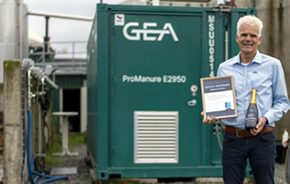
Plasma nitrogen fixing and stabilisation technology from N2 Applied, rolled out with GEA, is nominated for the Boerenbusiness Agribusiness Awards 2023 and is now rolled out into Germany in addition to installations in Norway, Sweden, Denmark, Netherlands, UK. The first installation in Germany, rolled by GEA, is treating dairy manure digestate on a farm in Meschede, Northern Germany.
Boerenbusiness Agribusiness award: https://www.boerenbusiness.nl/award/genomineerden
N2 Applied news: https://n2applied.com/latestnews/
Ragn-Sells “10 Billion Challenge”
How will we feed ten billion people in the world ? Ragn-Sells calls for action on nutrient recycling. Food waste could feed 1 ¼ billion. Recycling of sewage nutrients is essential to sustain food production and reduce environmental impacts. Ragn-Sells state that without phosphorus and nitrogen inputs, agricultural crop production would be cut by half. The company is developing nutrient recycling with EasyMining technology for phosphorus, nitrogen and potassium recovery from sewage, aquaculture wastes and municipal waste incineration ash. “We want to accelerate change, scale circular models and create synergies that reward innovative companies.”
Ragn-Sells 10 Billion Challenge “Changing food together” https://www.10billionchallenge.org/
Fertilizers Europe launches Roadmap for climate neutral fertilisers by 2050
The European fertilisers industry fixes ambitions to reduce GHG emissions 70% by 2040 and to net-zero by 2050 through decarbonising existing fertiliser technologies and green hydrogen for ammonia. Decarbonising strategies include electrolysis, carbon capture and storage and biomethane. Green ammonia is produced with hydrogen from electrolysis using renewable energy. Estimated costs include 17 billion € for electrolysers, 3 billion € for hydrogen pipelines and 64 billion € to supply green electricity from offshore wind. The roadmap underlines the need for varied approaches adapted to specific local contexts (logistics, infrastructure, raw materials, energy …). Five prerequisites are identified as access to competitive green energy, boosting market demand for climate-neutral fertilisers (through a labelling system accompanied by a mandatory purchasing target for all EU nitrogen fertiliser purchasers), de-risk support for early investments, protection against unfair competition from imported fertilisers (Carbon Border Adjustment Mechanism) and a legal and funding framework. The roadmap documents point to the need for “availability of nutrients for recycling” and for an industry strategy combining organic and mineral nutrients, nutrient recycling, improved nutrient efficiency fertilisers, soil organic matter and carbon farming. The roadmap was launched by Fertilizers Europe at an event in Brussels, 14th November 2023, with 100+ participants, including a panel discussion with representatives from the European Parliament, European Commission, the fertilizers and agriculture businesses.
“Decarbonising Fertilizers by 2050 - Fertilizers Europe”, 14th November 2023 https://www.fertilizerseurope.com/decarbonising-fertilizers-by-2050/ and “Roadmap for the European Fertilizer Industry” (Guidehouse for Fertilizers Europe), 22nd September 2023.
German Phosphorus Platform GA, annual Forum and research sponsorship
The annual forum of DPP, the German Phosphorus Platform, gathered nearly 100 participants in Frankfurt and online, discussed P-recycling implementation, and awarded a new 1 000 € research prize. The day before, the DPP's general meeting took place and members elected a new board for the next two years: Simone Apitz, Hessian Ministry for the Environment, remains DPP Chair, and the Board includes members from Dechema, SWW Wundsiedel, Veolia, EasyMining, MSE and Justus Liebig University Giessen. At the DPP Forum, projects on recycled nutrients in Organic Farming (nureg4org: final report here) and on sewage sludge incineration and P-recovery capacity (Refoplan) were presented. The new DPP research prize of 1 000 € for a thesis addressing phosphorus recycling, sponsored this year by Remondis (member of DPP), was awarded to Jannik Mühlbauer (TU Dresden) for his thesis “Laboratory studies on thermochemical sewage sludge (Contact). At the end of the event, participants answered the key question "P-Recycling - stagnation or progress?" with a show of hands. The majority voted "progress". Simone Apitz appealed to all stakeholders to act now and discuss the topic across networks so that the implementation of a sustainable phosphorus economy can succeed.
DPP Forum 16th October 2023 https://www.deutsche-phosphor-plattform.de/aktuelles-forum/
Events
Role of plant biostimulants in farmers adaptation to climate change
Webinar, organised by the European Biostimulants Industry Council (EBIC), discusses how biostimulants can support farmers in adapting to changing environmental conditions and extreme weather events. The meeting, 8th November 2023, gathered more than 500 participants in presence and online, and was moderated by Kevin Bosc, EBIC, who introduced the challenges faced by farmers and food production companies in adapting to climate change and highlighted the importance of building resilient and sustainable food systems, presenting biostimulants as part of the solution.
Jens Boyen, Permanent Representation of Belgium to the European Union, highlighted how extreme events disrupt the food system and the food supply chain, impairing farmers’ possibility to plan their harvests, causing the spread of pests and diseases, reducing biodiversity and soil health. Many technologies are trying to face these problems, including genomic techniques to develop adapted crop varieties, biocontrol as an alternative to chemical pesticides, biostimulants to strengthen plants’ adaptation to abiotic stressors, and new types of irrigation systems. Policy actions are essential for these new tools to reach the farmers, as well as financial support, funds to research and innovation, and proper tools for risk management for farmers like insurance policies.
Felipe Cortines, a farmer from Andalucía, emphasised that the main problems faced by farmers are extreme and random climatic events and market disruptions increasing costs and threatening farmers’ profitability. In his opinion, biostimulants are a useful tool, as they are tailor-made for specific functions, although their cost is high and they are not easy to use: more knowledge and training on how to use these products are needed to make the best use of them.
Lisa Boulton, Purina PetCare (Nestlé), introduced the company’s Regenerative Agriculture initiative and work with seaweed-based biostimulants. Field trails started in the UK in 2022 to test the improvement in plant performance, including nutritional content of the grains and resistance to abiotic stress, the possibility to reduce the use of traditional fertilisers while maintaining or increasing the yield, and the impact on biodiversity and on the carbon stored in the soil. More trials planned in France, Italy and Hungary. For these solutions to be taken up, a systemic approach is needed, including incentives for farmers, regulatory frameworks, farmers’ education and relevant stakeholders’ engagement. She also presented a project where seaweed amendments and biostimulants are produced from seaweed grown on nutrients absorbed from coastal waters where excess N and P deriving from land may threaten ecosystem health.
Carlos Rodriguez-Villa Förster, EBIC, pointed out that many biostimulant products are currently not covered by the FPR, and regulatory barriers remain for some of these products to gain access to market. Policy and regulatory coherence, as well as education, training and incentivisation for farmers are required. He remarked that biostimulants are not a standalone solution but part of a broader toolbox that farmers can use, and concluded the meeting by highlighting the need to continue engaging with agri-food chain, policymakers, academia and other stakeholders to raise awareness on biostimulants and on how they can support common objectives.
"Farmers and food chain actors debate the role of plant biostimulants in helping farmers adapt to climate change": EBIC summary here.
"A seaweed aquaculture imperative to meet global sustainability targets" Duarte et al. (2022) Nature Sustainability DOI
Research into new routes to P4
We here summarise a number of recent scientific studies proposing possible future routes to produce elemental phosphorus (P4),. Elemental phosphorus is on the EU Critical Raw Materials List, because there is today no production in Europe and the EU is dependent on imports from only 3-4 countries.
P4 is today produced by carbothermal reduction, using coke in furnaces operating at c. 1400°C, with high electricity consumption and greenhouse gas emissions.
Other proposed routes to P4 are presented in
- ESPP eNews n°64: ‘Spodophos’ process using aluminium scrap to provide energy rather than coke and operating at around 600°C.
- ESPP eNews n°57: FlashPhos project to produce P4 from sewage sludge and other wastes by thermo-chemical reduction (University of Stuttgart, Italmatch)
- ESPP eNews n°45: ”Replacing P4 is still in its infancy”, review of possible future processes to produce P4 (Geeson & Cummins, 2020 and 2018)
Carbothermal reduction of phosphoric acid
Study suggests that P4 could be produced at c. 1000°C by reducing phosphoric acid with activated carbon, instead of c. 1400°C using phosphate rock and coke. Lab-scale experiments by Yoshida, Yu et al. (reactor tube 1200 cm x diameter 32 cm) containing a layer of activated carbon and a layer of activated carbon soaked in phosphoric acid (85% acid / 15% water). With the activated carbon at c. 1000°C and the P-acid soaked carbon at c. 700°C, under argon gas, yellow phosphorus (white phosphorus = elemental P4 with some impurities) was recovered by bubbling the offgas through hot water. The authors state that the phosphoric acid is first vaporised as P4O10 then reduced to gaseous P4. In this lab experiment, after heating the reactor for several hours, around 50% of the phosphorus in the input phosphoric acid was recovered as P4.
“Yellow Phosphorus Production from Phosphoric Acid by Carbothermic Reduction”, H. Yu et al., REWAS 2022: Developing Tomorrow’s Technical Cycles (Volume I), The Minerals, Metals & Materials Series, https://doi.org/10.1007/978-3-030-92563-5_31
See also “Carbothermic Reduction of Phosphoric Acid Extracted from Dephosphorization Slags to Produce Yellow Phosphorus”, Int. J. Materials and Metallurgical Engineering Vol:13, No:11, 2019, summarised in ESPP eNews n°39.
This is not a new approach and was presented for example in the 2010 US patent WO 2010 / 029570 for production of elemental phosphorus (P4) from phosphoric acid and carbon. This patent notes that obstacles to achieving this are the release of water from phosphoric acid, which requires excess carbon to react with this water, and the sublimation of phosphoric acid to gaseous metaphosphates without reacting with carbon. The latter obstacle is addressed in the patent by selective different heating in different parts of the reactor.
In a more recent patent from Université Mohammed VI Polytechnique, Morocco, EP 3891099 2023, production of elemental phosphorus from phosphoric acid is proposed using different (hydrophilic) carbon sources: biomass, sewage sludge organic polymers, kerogen (geological carbon deposits). The phosphoric acid is first reacted with the carbon source (at 80 – 150°C) then carbothermal reduced at 550 – 950 °C to produce elemental phosphorus (P4).
ESPP comment: these processes may enable P4 production at a lower temperature than the existing industrial furnace route (1000°C vs. 1400°C) and possibly with lower energy consumption (no silicate slag production), but total energy consumption needs to be calculated taking into account the production and concentration of the phosphoric acid, activation of carbon, P-recovery rates, furnace design and elimination of impurities from the carbon source and from the phosphoric acid (or purification of the phosphoric acid).
Attempts to recover P from iron industry wastes
Matsubae-Yokoyama et al. have estimated that 4% of global phosphorus flows are in steel industry wastes (SCOPE Newsletter n°122). However, to date, despite a number of research publications (as ESPP sees things) there seems to be no suggestion of an effective process to recover the phosphorus in such slag, in which iron is present from which the phosphorus must be separated to so recover it in a useful form, and in which the phosphorus is at very low levels (1 – 1.5% P). Phosphorus is deliberately left in slag from existing phosphorus furnaces at concentrations of a few % in steel slag in order to avoid unwanted reactions in the furnace (silicon reduction).
Lab tests (Liu et al. 2023) seem to show failure to recover phosphorus from calcium phosphate doped iron slag: less P was recovered than was added. The “industrial converter slag” used initially contained 1% P and 25% iron. Calcium phosphate (Ca3(PO4)2) and silicon dioxide (SiO2) were added to up to 1.7, 2.6 and 3.4 %P. This was heated to 1450°C then carbon was added (to 1.5x theoretical reduction requirement) and temperature maintained for 60 minutes. At the higher calcium phosphate doping rates, the level of P in the slag remained considerably higher than in the initial (non P-doped) slag, and at the lower P addition rate, the final P concentration in the slag after one hour of reaction time was still >90% that of the initial slag P level suggesting none or nearly none of the initial slag P level was potentially recoverable (only the added calcium phosphate P was being released from the slag).
Lab tests (Tong et al. 2023) of carbothermal P-removal from converter slag show that although phosphorus is partly released as P2 gas, most of the phosphorus ends up as ferrophosphorus (PxFey). The authors indicate that China’s iron and steel industries produce around one billion t/y of converter slag, much of which ends up stockpiled as waste because it cannot be recycled back into the iron furnaces because of its chemical characteristics. Lab-scale tests (100 g batch) used converter slag with c. 1.3% P, heated at c 1500°C with coke for one hour. Nearly 30% of P was removed from the slag.
Lab tests (Wang et al. 2022) heating converter slag with coke at 1600°C with different contents of iron oxide (FeO) show that FeO up to c. 30% increases P gasification, but above this may decrease P gasification. The converter slag contained 1.3 %P. Around one third of the P in the slag was removed by gasification after one hour at 1600°C with coke with 15% FeO increasing to nearly three quarters with 30% FeO.
Lab tests (Nakase et al., 2017) possibly showed up to 50% extraction of P from steel slag by thermochemical reduction with coke at 1400°C. The trials used 100g of different steelmaking slags with graphite as reducing agent in a lab-scale induction furnace (30 minutes), with fifteen different tests (temperature 1200°C – 1400°C, initial iron content 1.7% - 16%). Phosphorus not found in different forms in the slag is assumed to have been removed as vaporised P offgas (this is not confirmed). In nearly all tests, most or all P stayed in the slag, either chemically remaining in the slag or as phosphorus droplets not separated from the slag. In one case only was a significant part of the P (1400°C, low initial iron content of <2%).
Already fifteen years ago (Yokoyama et al. 2007, Kubo, Matsubae-Yokoyama & Nagasaka 2010) published results of lab scale (1g) tests of magnetic separation of simulated steel slag (mixtures of iron, calcium, silicon, aluminium and manganese chemicals). This showed improvement of the P:Fe ratio from c.0.2 (initial mixed chemicals) to c. 0.8 (after magnetic separation). However, the magnetically separated material still contained more iron than phosphorus.
“Study on the recovery of phosphorus and iron from molten modified high-phosphorus industrial slag by carbothermal reduction”, Y-Q. Liu et al., Metall. Res. Technol. 120, 307 (2023), https://doi.org/10.1051/metal/2023035
“Behavior of Carbothermal Dephosphorization of Phosphorus-Containing Converter Slag and Its Resource Utilization”, S. Tong et al. Processes 2023, 11, 1943. https://doi.org/10.3390/pr11071943
“Effect of iron oxide content on dephosphorization behavior of slag gasification”, S. Wang et al., Metalurgia 61 (2022) 3-4, 595-598, ISSN 0543-5846 https://hrcak.srce.hr/file/396846
“Effect of Slag Composition on Phosphorus Separation from Steelmaking Slag by Reduction”, K. Nakase et al., ISIJ International, Vol. 57 (2017), No. 7 http://dx.doi.org/10.2355/isijinternational.ISIJINT-2017-071
“Magnetic Separation of Phosphorus Enriched Phase from Multiphase Dephosphorization Slag”, H. Kubo et al., Tetsu-to-Hagané, Vol. 95 (2009), No. 3, pp. 300–305) - ISIJ International, Vol. 50 (2010), No. 1
“Separation and Recovery of Phosphorus from Steelmaking Slags with the Aid of a Strong Magnetic Field”, K. Yokoyama et al., to-Hagané, Vol. 92, 2006, No.11, pp. 683–689) ISIJ International, Vol. 47 (2007), No. 10
ESPP comment: these lab studies confirms what is already known from the P4 industry, that P is difficult to separate from iron by carbothermal reduction. For industry, the remaining ferrophosphorus is a low or zero value by-product, decreases yield and increases energy consumption.
Electrolysis of phosphate rock in molten calcium chloride
P4 production by electrolysis, without carbon reduction, by dissolving phosphate rock in liquid calcium chloride (molten at 850°C) was demonstrated at lab-scale (electrolysis cell with 300g of liquid CaCl2. The calcium chloride was heat dried under vacuum, then heated to 850°C to melt, under argon, in an aluminium oxide crucible within a silicon oxide vessel. 2% mass of calcium phosphate Ca(PO4)2 was dissolved in the molten CaCl2. Silver cathode and graphite anode electrodes were used for electrolysis, causing phosphate to dissociate to P (moving to the cathode) and oxygen. Phosphorus was shown to have accumulated on the cathode (by dismantling at the end of the experiment) and on the surface of the silicon oxide vessel above the melt bath: the boiling point of P4 is around 280°C, significantly lower than the 850°C electrolysis temperature, so these deposits may be allotropes of phosphorus other than P4. Erosion of the graphite anode suggested that oxygen generated by electrolysis had combined with graphite to CO or CO2. The authors note that the rate limiting factor would be diffusion of the P and O ions in molten CaCl2, that other liquids could be used on condition that they dissolve calcium phosphate.
Patents by Gruber 1957-1960 and Caton 1963 showed successful production of P4 by electrolysis of molten metaphosphates, pyrophosphates or polyphosphates, or lithium and sodium phosphates, possibly with borates.
“A New Concept for Producing White Phosphorus: Electrolysis of Dissolved Phosphate in Molten Chloride”, X. Yang & T. Nohira, ACS Sustainable Chem. Eng. 2020, 8, 13784−13792, https://dx.doi.org/10.1021/acssuschemeng.0c04796
“Method for the Preparation of Pure Elemental Phosphorus”, B. Gruber, (Monsanto), U.S. Patent 2955552, 1960, https://patents.google.com/patent/US2965552A/en
“Polarography in Fused Alkali Metaphosphates”, R. Caton et al., Anal. Chem. 1963, 35 (13), 2103−2108, https://pubs.acs.org/doi/abs/10.1021/ac60206a035
Electrolysis of molten condensed phosphate salts
P4 production by electrolysis of molten sodium tri metaphosphate melting point 628°C) was demonstrated at lab scale suggesting potential to achieve 95% Faradaic efficiency and to develop direct electrolysis to P4 from phosphoric acid. The tests used alumina reactor tubes of c. 460 mm x 13 mm diameter (then replaced by quartz for better oxidation resistance), under nitrogen flow, with glossy carbon and graphite electrodes. The sacrificial graphite anode was oxidised in electrolysis mainly to CO2. Elemental phosphorus (P4) was collected in a cold water bath through which offgas flow was bubbled. The authors indicate that the electrolysis breaks down the sodium trimetaphosphate (STMP) as follows: 6 (NaPO3)n -> P4 + 2 Na3PO4 + 5 O2 and that if phosphoric acid is added it is reacted and dehydrated 2 Na3PO4 + 4 H3PO4 – 6 H2O -> 6 (NaPO3)n so potentially enabling continuous electrolysis of phosphoric acid to P4. The authors note that this process benefits from the high ionic strength of the molten condensed phosphates which ensures high electrical conductivity, but the low proton content which avoids risk of hydrogen (H2) generation. The electrochemical cell ensures separation of the P4 generated at the cathode from O2 generated at the anode. The high phosphate content of condensed phosphates ensures high diffusion-limited current densities and their phosphoryl anhydride linkages are hypothesised to facilitate breakage of the strong P-O bonds (Lux acid effect, analogous to that of SiO2 in carbothermal P furnaces). The authors conclude that electrolysis in molten condensed phosphates can potentially produce P4 from phosphoric acid with high Faradaic efficiency and low overpotential.
“Towards Sustainable Electrosynthesis of Industrially Valuable Small Molecules”, J. Melville, PhD thesis Massachusetts Institute of Technology (MIT), Une 2021 https://dspace.mit.edu/handle/1721.1/139141
“Electrolytic Synthesis of White Phosphorus Is Promoted in Oxide-Deficient Molten Salts”, J. Melville, A. Licini, Y. Surendranath, ACS Cent. Sci. 2023, 9, 373−380, https://doi.org/10.1021/acscentsci.2c01336 and MIT News 21st February 2023 https://news.mit.edu/2023/more-sustainable-way-generate-phosphorus-0221
First reactions short summary: “Electrochemistry Cracks the P−O Bond: Sustainable Reduction of Phosphates to Phosphorus”, E. Nichols, ACS Cent. Sci. 2023, 9, 343−345 https://doi.org/10.1021/acscentsci.3c00056
See also J. Melville et al., 2021, summarised in ESPP eNews n°62.
ESPP comment: as a route to produce P4, electrolysis (even in hot molten salts) could potentially be more energy efficient and have lower GHG emissions than carbothermal reduction as currently used in P4 furnaces (using electrical energy and coke at c. 1400°C). Energy used to melt the electrolyte bed would not be lost in a continuous operation, and heat losses would be low in an insulated industrial-scale installation. There are however major challenges to scale-up to industrial implementation, including high temperature operation and durability (including avoiding oxidation), maintenance of electrodes and recovery of P4 (ensuring that P4 evolves as a gas and does not coalesce on the cathode or in the reaction chamber) in a continuous system without cooling the molten electrolyte. The possible effects of water if phosphoric acid is added (risk of H2 production) need to be assessed. The overall energy balance must take into account energy needed to produce phosphoric acid and to synthesise the salts used as electrolytes.
Tutorial review on organo-phosphorus chemistry and applications
Ung & Li (2023) 27-page detailed overview of organophosphorus (OP) chemistry, applications and synthesis routes, including information on different OP chemical families by oxidation state and valency (PIII – PV). Summary of uses of OPs as drugs (osteoporosis, cancer, anti-bacterial, anti-viral, hypertension …), both existing today (fire safety & flame retardants, plasticisers, catalysts – e.g. for uranium extraction) and under development (compact and flexible organic electronics, improved energy-efficiency phosphorated LEDs …). Two possible routes to OP chemicals from phosphoric acid (not via P4) are mentioned: esterification of phosphoric acid or polyphosphoric acid (this is a route to some OP chemicals only, not all); use of trichlorosilane to reduce trimetaphosphates (see Cummins et al. see ESPP eNews n°45).
Tutorial review “From rocks to bioactive compounds: a journey through the global P(V) organophosphorus industry and its sustainability”, S. Ung, C-J. Li, RSC Sustainability, 2023, 1, 11–37 https://doi.org/10.1039/D2SU00015F
ESPP note: trichlorosilane is currently produced from silicon, itself from a reducing furnace, so with similar energy costs to P4 and poses operational and chemical efficiency challenges.
Stay informed
SCOPE Newsletter: www.phosphorusplatform.eu/SCOPEnewsletter
eNews newsletter: www.phosphorusplatform.eu/eNewshome
If you do not already receive ESPP’s SCOPE Newsletter and eNews (same emailing list), subscribe at www.phosphorusplatform.eu/subscribe
LinkedIn: https://www.linkedin.com/company/phosphorusplatform
Slideshare presentations: https://www.slideshare.net/phosphorusplatform - Twitter: @phosphorusESPP
YouTube https://www.youtube.com/user/phosphorusplatform
ESPP members
Newsletter about nutrient stewardship - European Sustainable Phosphorus Platform (ESPP)
Please subscribe www.phosphorusplatform.eu/Subscribe
Link to www.phosphorusplatform.eu/eNews080
Download as PDF
ESPP dates for 2024
Workshops and meetings
SOFIE3 – registration now open!
Standards & definitions for “Bio-Based” nutrients – registration now open!
Call for contributions to ESPP eNews
Research funding calls
Open Horizon Europe calls related to nutrients
Policy
Council and Parliament positions on Urban Waste Water Treatment Directive (UWWTD)
European Commission 2024 Work Programme
ESPP input on proposed Soil Health Directive
ESPP FPR summary table
EU Detergents Regulation revision
OCP West Africa partnership with World Bank and ECOWAS
Wageningen UR launches magnetite P-removal & recovery project
ESPP new member
K+S
Nutrient recycling
Remondis TetraPhos P-recovery operational in Hamburg
More publications but fewer patents on sustainable & recycled fertilisers
UK water industry Resource Recovery Working Group
Electroanalytical determination of paracetamol in organic fertilisers
Stay informed
ESPP members
ESPP dates for 2024
- 14 Dec. 2023: 14h30-16h30 CET ESPP General Assembly (online) – ESPP members/partners have received link – if not contact – and EasyMining webinar 13h-14h30 CET on recycled phosphates for animal feed
- 16-17 Jan. 2024: Brussels & online SOFIE3 (Organic and Organo-Mineral Fertilisers)
(with Eurofema, Fertilizers Europe, International Fertiliser Society and SILC) - 18 Jan. 2024: Brussels & online “Bio-Based” nutrients - standards & definitions
- 26-28 Feb. 2024: Warsaw CRU Phosphates 2024 ESPP panel on sustainable fertilisers
- 12-13 March 2024: Brussels & online Nutrient recycling policy
- targets for nutrient recovery under the Urban Waste Water Treatment Directive revision
- policy tools to support market pull for recycled nutrients - 16-17 April 2024: Brussels & online NERM Nutrients in Europe Research Meeting - call for abstract extended to 10th December 2023
(with Fertimanure, Lex4Bio, Walnut, Sea2Land, Rustica) - 8-10 October 2024: Lleida, Spain ESPC5 (5th European Sustainable Phosphorus Conference)
Workshops and meetings
SOFIE3 – registration now open!
3rd Summit of Organic and organo-mineral Fertiliser Industries in Europe. 16-17 January 2024, Brussels Plaza & hybrid
SOFIE is the only industry meeting place for organic-carbon-based fertiliser producers, distributors, advisory, technology suppliers. The first SOFIE (2019) attracted 125 participants, with 230 for SOFIE2 (January 2023).
Programme now online. Organic fertiliser company showcase pitches welcome.
Programme and conference website www.phosphorusplatform.eu/SOFIE
Registration now open SOFIE3 Conference + Defining “Bio-Based Fertilisers” Meeting on Eventbrite
Standards & definitions for “Bio-Based” nutrients – registration now open!
Brussels & hybrid, 18th January 2024 Defining “Bio-Based Fertilisers” and FPR “solely biological origin”
The term “Bio-Based Fertilisers” is today being widely used. For market transparency and policy making. It is important to have a clear and agreed definition of what is a “Bio-Based Fertiliser” and how to define the “Bio-Based” nutrient content of fertilising products. Also, the EU Fertilising Products Regulation 2019/2009 uses the term “of solely biological origin” for nutrients in criteria of several PFCs and there is today no clarity on how this should be interpreted.
CEN and ISO methodologies for “Bio-based products: vocabulary” and for defining bio-based content are based on carbon radiodating, and are not applicable to nutrients.
This meeting will discuss
- relevance of bio-based definitions for markets and policy making
- existing official bio-based vocabulary (CEN, ISO, plastics sector, industry labels)
- what comparable methodologies could be applied to recycled nutrients in fertilisers and in other applications?
- possible coherence with FPR terminology “of solely biological origin”
- wording of a joint industry / R&D position on proposed definitions ( this will take as a starting point the ESPP proposed working document HERE)
- proposed next steps, possible input to policy makers, to CEN …
Programme: http://phosphorusplatform.eu/BBF2024
Registration now open SOFIE3 Conference + Defining “Bio-Based Fertilisers” Meeting on Eventbrite
Call for contributions to ESPP eNews
ESPP members and our other readers (you are more than 105 000!) are invited to get involved in ESPP eNews by submitting relevant news, articles, or information about your actions. Contributions are invited from researchers, companies, and stakeholders, and can include recent updates, accomplishments within your organisation, insights, industry expertise, press releases or research articles and perspectives, presenting your own organisation’s actions, or other news which you think is of interest. You can send us a proposed short text ready for publication, or simply forward to us a link or document which you suggest we should cover. ESPP eNews are circulated to over 120 000 recipient including companies, stakeholders, regulators and media interested in nutrient management, worldwide, and are also published on the ESPP website www.phosphorusplatform.eu. Your participation will enrich our newsletter and provide a platform for you to showcase your expertise and achievements.
To share your news, research articles, or press releases to be included in the next eNews issues, email them to
Research funding calls
Open Horizon Europe calls related to nutrients
Three Horizon Europe calls relative to “Clean environment and zero pollution” opened in October 2023 with deadline February 2024 (total budget 38 M€) and concern nutrient management and recycling and food systems. Projects funded under “Clean environment and zero pollution” aim at halting and preventing pollution by focusing on removing pollution from waters, soils, air, including nitrogen and phosphorus emissions, substituting harmful chemicals, improving the environmental sustainability and circularity of bio-based systems, and reducing environmental impacts of and pollution in food systems.
Demonstrating how regions can operate within safe ecological and regional nitrogen and phosphorus boundaries (Innovation action, 27 M€, 3 projects expected to be funded) aims at showing how N/P-relevant sectors (including agriculture, food/drink sector, water/waste management, bioenergy … ) in a given region can limit N/P emissions to air, water and soil from their activities by respecting pre-established regional N/P budgets and applying N/P balancing practices. These comprise activities that enhance the sustainability and circularity of N/P relevant resources and services between urban/industrial and rural/coastal environments and apply respective governance measures. Funded projects are expected to test innovative practices and technologies to make use of secondary raw materials and produce N and P-based fertilisers recovered from organic waste, wastewater, biological residues or by-products and promote local and regional value chains (achieving a TRL 8 by the end of the project) and to develop comprehensive guidelines to disseminate best practices and techniques to all involved actors.
Best available techniques to recover or recycle fertilising products from secondary raw materials (Coordination and Support Actions, 4 M€, 2 projects to be funded) covers technical, environmental and economic analysis of best available technologies for recovering/recycling fertilising products from secondary raw materials in Europe while limiting N and P pollution in soil, water and air and any other form of pollution from the use of such fertilising products and from the replacement of N- and P-based fertilisers produced from conventional processes. Examples of fertilising products are: recycled nutrients from urban and industrial waste water and sewage sludge, organic fertilising products from bio-waste, digestate and treated manure as well as other fertilising products from biological resources.
Environmental impacts of food systems (Research and Innovation Actions, 7M€) aims to fill the relevant knowledge and data gaps regarding the environmental impacts of food processing, manufacturing, packaging, distribution, trade, consumption, food waste and end of life practices. Proposals are expected to identify and map opportunities and innovative solutions, including existing good practices that address the identified impacts and promote the uptake of sustainable food production and/or food supply practices, including consumption practices, with minimum impact.
The deadline for submitting proposals is 22nd February 2024, 17:00 Brussels time.
Horizon Europe Working Programme 2023-2024 pdf (details of described calls at p. 364 and successive)
ESPP is interested to support networking, dissemination, and communication activities. Please contact Veronica Santoro for more information and possibilities (). ESPP research activities and ESPP nutrient related R&D project list www.phosphorusplatform.eu/R&D
Policy
Council and Parliament positions on Urban Waste Water Treatment Directive (UWWTD)
European Parliament and Council (Member States) positions on UWWTD revision both maintain defining minimum reuse & recycling rates for phosphorus (art. 20), but Council proposes to delete reuse & recycling of nitrogen. Both support amendments to widen reuse & recycling to include from wastewater and not only from sludge (amendment proposed by ESPP). Positions differ on the timeline for defining reuse & recycling targets, with Parliament wishing to accelerate this. Parliament proposes to support development of a functional market for recovered nutrients but this is not proposed by Council. Both propose to include N2O in greenhouse emissions reductions, which is important as this is one of the most important climate impacts from wastewater treatment. Positions differ on extent of tightening of P and N emissions limits and removal obligations from sewage, and on proposed implementation deadlines for these, with Parliament’s position in many cases even more demanding than the initial Commission proposed revision text, and Council less demanding. Discussions to finalise the UWWTD revision now go to “trilogue” (negotiation between the European Parliament and Council representatives, with participation of the European Commission) with the aim to agree a compromise text to be adopted by both Parliament and Council before next year’s European Parliament elections (6-9 June 2024, followed by the designation of a new European Commission). ESPP has written to Member States and European Parliament rapporteurs suggesting that nitrogen reuse & recycling should not be abandoned in the current nitrogen fertiliser supply and price crisis context (related to gas supplies and the Russian war of aggression against Ukraine). ESPP proposes as a compromise to specify assessment by the Commission of feasibility and cost/benefits for nitrogen recovery.
European Commission initial proposed text for the UWWTD revision: https://environment.ec.europa.eu/publications/proposal-revised-urban-wastewater-treatment-directive_en
Parliament voted position: https://www.europarl.europa.eu/doceo/document/TA-9-2023-0355_EN.pdf
Council position: https://eur-lex.europa.eu/legal-content/EN/TXT/PDF/?uri=CONSIL:ST_14271_2023_INIT
ESPP letter to Parliament and Council for trilogue: www.phosphorusplatform.eu/regulatory
European Commission 2024 Work Programme
2024 Work Programme shows limited Green Deal ambition. Emphasis is on resilience, economic security, digital, and reduced regulatory burdens. The Integrated Nutrient Management Action Plan, announced for 2023, is not mentioned (it was already not mentioned in previous Work Programmes, presumably because it was announced as a non-regulatory initiative). Pending initiatives listed include the Urban Waste Water Treatment Directive revision, the proposed Soil Health Act, Critical Raw Materials Act, Waste Framework Directive revision, Ecodesign Regulation recast, Nature Restoration Regulation. Three new initiatives are planned for 2024 under the Green Deal: wind power, 2040 climate targets, water resilience. An evaluation in 2024 of the Nitrates Directive will assess whether it is fit for purpose, including whether it sufficiently promotes the recycling of nutrients from various sources, including processed manure. A fitness check of “Polluter Pays” implementation is also announced. The revision of the EU chemicals regulation REACH, included in the 2023 Work Programme, has disappeared. A “strategic dialogue on the future of agriculture in the EU” is announced, targeting a “transition to sustainable food systems”. Food security and resilience of food systems are emphasised but nutrients are not mentioned.
European Commission Work Programme 2024 (17th October 2023).
ESPP input on proposed Soil Health Directive
Draft EU legislative text now with European Parliament and Council fixes “objectives” of healthy soils across the EU by 2050, including phosphorus and nitrogen criteria. Further details are in ESPP eNews n°77. ESPP’s input to the public consultation welcomes the proposed maximum phosphorus level for all European soils (maximum between 30 and 50 mgPOlsen/kgsoil) to be defined locally and maximum nitrogen levels (if critical ecosystem services are compromised). This reflects the EU Farm-to-Fork and Biodiversity Strategy target to “reduce nutrient losses by at least -50% without deteriorating soil fertility”. ESPP welcomes the recognition of appropriate fertilisation, nutrient recycling and organic fertilisers in Sustainable Soil Management Principles (in Annex III(e)). ESPP suggests that healthy soil criteria should also include, for crop and grazing land, MINIMUM plant-available phosphorus levels, defined by region / soil / crop types and taking into account biodiversity and water quality objectives. Without adequate phosphorus supply, plant health and crop productivity are compromised.
Proposed EU Directive on Soil Monitoring and Resilience (Soil Monitoring Law), European Commission proposed legislative text 5th July 2023, COM(2023) 416 final Eur-LEX.
ESPP FPR summary table
ESPP has produced a table summarising EU Fertilising Products Regulation amendments, regulatory documents, links and other relevant EU documents available. The document can be consulted here and comments are welcome ().
Input welcome: “ESPP FPR summary table”, v15/11/2023 here
EU Detergents Regulation revision
European Commission proposal maintains status quo of phosphates limits in consumer laundry and dishwasher detergents, but not in industrial detergents. The proposal’s main objectives are to update and simplify the 2019 Regulation and to address innovations: microbes included in detergents, consumer refill packs. The current Regulation limits phosphorus in detergents for consumer laundry (0.5gP/wash) and consumer automatic dishwasher (0.3 gP/wash). This effectively prevents the use of “phosphates” as detergent builders (sodium tripolyphosphate STPP or similar) but allows small quantities of components such as phosphonates. The draft European Parliament position, proposed by the Rapporteur Manuela Ripa proposes to reduce these limits and complexify them (distinguish “phosphate” content from “phosphorus”, fix limits per kg of laundry) and to also limit phosphorus in hand dishwash liquids, surface cleaners and in industrial laundry and industrial dishwasher detergents. The European Commission proposal states that phosphorus in industrial detergents is considered to be not environmentally significant and the suitable alternatives are not available. It is ESPP’s understanding that phosphates are generally not used in hand dishwash and surface cleaners (and not in shampoos), so that phosphorus limits in such products are not appropriate.
“COM(2023)217 - Proposal for a regulation of the European Parliament and of the Council on detergents and surfactants, amending Regulation (EU) 2019/1020 and repealing Regulation (EC) No 648/2004” 28th April 2023.
European Parliament draft report, Manuela Ripa, 2023/0124(COD), 2nd October 2023.
OCP West Africa partnership with World Bank and ECOWAS
Partnership aims to improve customised fertiliser access and sustainable fertiliser use for farmers in Benin, Guinea, Mali and Togo, covering 10 million hectares. OCP, a member of ESPP, operates phosphate rock mines in Morocco and is a world leader in phosphate fertiliser and plant nutrition solutions. The partnership signed with the World Bank will reinforce the ECOWAS fertiliser and soil health Roadmap (Economic Community of West African States), develop digital soil analysis and mapping enabling adapted customised fertilisation, establish agricultural technology, service and training centres, and support the launch of a West Africa Regional Center for Soil Health and Fertility by IITA (International Institute for Tropical Agriculture). OCP says the partnership will enable West Africa to “contribute to global food security with a just and sustainable agricultural transition, contributing to African development and prosperity”
“OCP Group and World Bank Join Forces to Boost Food Security and Agricultural Development in West Africa”, World Bank, 11th October 2023
“Phosphate marocain : clé de la sécurité alimentaire Mondiale”, EcoNostrum, 26th October 2023.
Wageningen UR launches magnetite P-removal & recovery project
MAD project (Magnetic Adsorption – Desorption) will test selective removal of soluble phosphate from wastewater by adsorption to magnetite, magnetic separation, then desorption to release a phosphate solution for recovery. Because it can readily be separated by electromagnetic field, magnetite (Fe3O4) is today used to improve flocculation, improving particulate settling and tertiary P-removal from wastewater in the CoMag process, with a number of units operating commercially worldwide (see SCOPE Newsletter n°141), and has been tested in various other processes (e.g. Marmara University, LKAB, Xiao et al., see SCOPE Newsletter n°138). Challenges for the Wageningen project will be to achieve selective adsorption of phosphate, without other ions, and without coagulation of organic particulates, and reversing the adsorption to generate a sufficiently concentrated and clean orthophosphate solution. Wageningen’s partners in the MAD project include Agristo (potato products), Royal Swinkels brewery, Bakker Magnetics, Sidra Wasserchemie, BiotaNutri and Suez.
Recovery and Valorisation of Phosphorus compounds from Waste Water Streams using Magnetic Adsorption-Desorption (MAD), website
ESPP new member
K+S
 International raw materials company, K+S has over 11 000 staff worldwide, specialised in potassium salts and other minerals for use in fertilisers, animal feed, food, pharmaceutical, water treatment, de-icing and industrial applications. The roots of the K+S Group date back to the middle of the 19th century, mining the world's first potash deposits in Germany for fertiliser production. Today, K+S operates potassium and sodium mineral mines in Europe and North America and produces balanced mineral products according to customer needs. K+S is strongly focussed on agriculture and fertilisers, and makes an important contribution to society by enabling farmers to secure the world's food supply. As a raw materials company with limited resources, K+S strives to make efficient use of its own natural raw materials to counteract global scarcity, whilst ensuring responsibility towards society and the environment in operating regions. The claim is to enrich life for generations and to be a pioneer for environmentally friendly and sustainable mining. Because the extraction of valuable materials from waste streams will play an ever more important role in creating a more sustainable future, K+S has set the mission of developing new, circular business areas as part of its strategy. For this purpose, K+S wants to actively participate in ESPP and establish partnerships to advance the circular economy. In the past, K+S successfully marketed “Thomaskali”, a secondary phosphorus product from steel industry slag. K+S will contribute to the ESPP network its many years of expertise in fertiliser production through to the targeted application of products
Nutrient recycling
Remondis TetraPhos P-recovery operational in Hamburg
 Full-scale phosphorus recovery from sewage sludge incineration ash today operating 1/3 capacity, treating c. 7000 t/y of ash. The technical grade phosphoric acid produced has iron/aluminium content which limits sale to certain applications. ESPP joined a visit of the Remondis TetraPhos P-recovery installation, Hamburg, with some 25 participants, organised by DPP (German Phosphorus Platform), 25th October 2023. TetraPhos is now operational, processing sewage sludge ash from Hamburg Wasser where the whole sewage sludge of the city of Hamburg (75%) and sewage sludge from surrounding municipalities (25%) is combusted. 1.5 million m³ wet sludge, = 125 000 t/y dewatered sludge, produce about 20,000 t/y of ash. Hamburg Wasser operates a dryer upstream of the incinerator that dries all locally produced sludge to 85% dry matter. After mixing this sludge with dewatered (25% DM) sludge from external customers, the sludge has about 45% DM and is conveyed to the incinerator where it is combusted without additional fuels. Heat for drying is supplied from the same sludge processed in anaerobic digesters. The P-recovery plant capacity is 7 000 t technical (75%) phosphoric acid from 20,000 t ash. The acid is not fully compliant with technical grade acid specifications because of high iron and aluminium concentrations. The concept is to sell it to customers who do not have an issue with Fe / Al content, for a slightly lower price than technical grade acid. Currently the plant is operating only one shift processing around 1/3 of the full capacity. The operating company Phosphorrecycling Hamburg http://www.phosphorrecycling-hh.de/unternehmen/unternehmen.html is a private public partnership between Hamburg Wasser and Remondis. The process (see summary in ESPP Technology Catalogue) is based on acid leaching with internally recycled phosphoric acid. Leaching is relatively mild, so most heavy metals remain in the filter cake (solid / liquid separation by a vacuum belt filter). The filter cake is landfilled (same category as ash). The liquid is reacted with sulphuric acid, gypsum precipitated and separated by another vacuum belt filter. Then the liquid is purified by ion exchange columns. On the photo, the phosphate recycling building is on the right side in the back, with the acid tanks in front.
More publications but fewer patents on sustainable & recycled fertilisers
Bibliometric analysis of nearly 250 000 published papers and patents shows an increasing number of both from 2001 to 2017, but after that date a doubling of publications but a halving of patents. Searches combined the terms sustainable, recycled or recovered with either fertiliser or nutrient (or similar words) from 2001 to 2021. The number of publications on nutrient recovery from wastewater increased from 2001 to 2012 but has not increased since then. Publications on green ammonia synthesis have increased rapidly since around 2017. In total, 120 000 patents were identified and 125 000 journal publications. Nearly all the patents were from China, as well as around half of the journal articles, with India and the USA also generating high numbers of publications. Most patents addressed agricultural wastes or wastewater & sludge. Publications on green ammonia synthesis have increased. This analysis fails to consider that these trends should be considered in the context of the overall inflation in scientific publications (doubling in 17 years Bornmann et al. 2021) and the similar global increase in patent applications (see here).
“Sustainable Fertilizers: Publication Landscape on Wastes as Nutrient Sources, Wastewater Treatment Processes for Nutrient Recovery, Biorefineries, and Green Ammonia Synthesis”, L. Babcock-Jackson et al., J. Agric. Food Chem. 2023, 71, 8265−8296, DOI.
UK water industry Resource Recovery Working Group
Second online meeting analysed potential resource recovery streams and discussed three wastewater resource recovery case studies (Ostara struvite, AquaMinerals biopolymers, Cranfield University N-recovery as ammonia gas). Participants included five UK water companies, regulators, technology suppliers and experts. Analysis of over forty resource recovery technologies for UKWIR (UK Water Industry joint Research) and for Thames Water suggests that only biogas/biomethane and biosolids (sewage sludge to land) are widely viable at present, while heat recovery, ferric sludge, CO2, cellulose, hydrogen and nitrogen recovery are potentially promising in the medium term, based on economic and sustainability criteria. Key challenges are identified for all wastewater treatment resource recovery routes as the regulatory validation of the recovered product and responding to downstream user requirements (quality, supply logistics and scale …). The UK water industry Resource Recovery Working Group is open to participation of all concerned companies and competent persons.
Electroanalytical determination of paracetamol in organic fertilisers
Study presents an electroanalytical procedure employing a portable, sensitive, relatively low-cost system for the determination of paracetamol in human urine and in recovered struvite.
Paracetamol, one of the most consumed drugs in the world, was determined in samples of urine, struvite, and pharmaceutical tablet with screen-printed carbon electrodes in conjunction with optimized square-wave voltammetry. Urine samples consisted in human urine from a single donor (an adult male who had not used any medication in the previous 3 months), human urine used in the production of struvite from multiple donors, and synthetic urine. The proposed procedure, utilising 0.1 mol/l HCl as a supporting electrolyte and an Ag/AgCl electrode as reference, presented a limit of detection of 0.06 μmol paracetamol/l and a linear concentration range between 0.19 to 100.0 μmol/l. The method demonstrated a good sensitivity without using any preconcentration technique or modification of the electrode surface, and a good selectivity for determining paracetamol compared to the other substances studied as possible interferences, including ascorbic acid, uric acid, cephalexin, dopamine, diclofenac, ethinylestradiol, norfloxacin, prednisone, potassium, calcium, ammonia, and urea (in the proportion of 1:100 paracetamol:interferent). Good reproducibility was obtained for analyses performed on the same electrode, between electrodes and days, and recovery tests underlined no significant matrix interference. Among the method limitations is the possibility of some compounds to interfere with the detected analyte, which may require the sensor modification with specific materials (inorganic, organic, or biological).
“A portable electroanalytical procedure to determine paracetamol in organic fertilizers” L. R. G. Silva, Ionics (2022) DOI
Stay informed
SCOPE Newsletter: www.phosphorusplatform.eu/SCOPEnewsletter
eNews newsletter: www.phosphorusplatform.eu/eNewshome
If you do not already receive ESPP’s SCOPE Newsletter and eNews (same emailing list), subscribe at www.phosphorusplatform.eu/subscribe
LinkedIn: https://www.linkedin.com/company/phosphorusplatform
Slideshare presentations: https://www.slideshare.net/phosphorusplatform
Twitter: @phosphorusESPP
YouTube https://www.youtube.com/user/phosphorusplatform
ESPP members
Newsletter about nutrient stewardship - European Sustainable Phosphorus Platform (ESPP)
Please subscribe www.phosphorusplatform.eu/Subscribe
Link to www.phosphorusplatform.eu/eNews079
Download as PDF
Workshops and meetings
SOFIE3: call for presentations – open to 15th October
NERM Nutrients in Europe Research Meeting - call for abstracts to 15th November
Policy
EU Soil Health Directive proposal
EU proposed food waste reduction targets and actions
What is the nutrient recycling potential of food waste?
Proposed criteria for “Processed Manure” in EU fertilising products
EU workshop on standards and NACE codes for bio-based materials
NGOs and water industry call for publication of EU nutrient action plan
Phasing out synthetic fertilisers?
EU report on phosphorus and nitrogen R&D projects
Nutrient recycling
Unilever adopts N2 Applied’s nitrogen valorisation technology
UK water companies’ recycling working group
Seminar on circularity in the water sector
Research
US STEPS 25-in-25 Phosphorus Sustainability Roadmap
Long-term P fertilisation reduces carbon sink function of a peatland
LCA impacts of wastewater-derived P products
Stay informed
ESPP members
Workshops and meetings
SOFIE3: call for presentations – open to 15th October
3rd Summit of Organic and organo-mineral Fertiliser Industries in Europe. 16-17 January 2024, Brussels Plaza & hybrid
SOFIE is the only industry meeting place for organic-carbon-based fertiliser producers, distributors, advisory, technology suppliers. The first SOFIE (2019) attracted 125 participants, with 230 for SOFIE2 (January 2023, photo below).

SOFIE3 will cover:
- policy and market
- agronomic benefits, in particular field trials and case studies
- processing from divers input materials to consistent products for farmers
- application best practices, e.g. co-application with mineral fertilisers, biostimulants
- environment, carbon benefits, LCA, Circular Economy
- business models and product success stories
Short proposals for presentations, company showcases or posters by 15th October to : see details HERE.
SOFIE3 is co-organised by ESPP, Eurofema and Fertilizers Europe, with support of the International Fertiliser Society
www.phosphorusplatform.eu/SOFIE2024
NERM Nutrients in Europe Research Meeting - call for abstracts to 15th November
 6th PERM becomes NERM – 16-17 April 2024 – Brussels & online – plus research students meeting & site visits.
NERM (Nutrients in Europe Research Meeting) is organised by ESPP, FERTIMANURE, LEX4BIO, RUSTICA, SEA2LAND, WALNUT and Biorefine Cluster Europe.
Towards closing nutrient cycles for a sustainable future, from R&D to implementation.
- key outcomes of recent nutrient recycling R&D projects
- roadmap for future nutrient recycling R&D needs
- nutrient recovery technologies and recycled fertiliser production
- quality, application and use, stakeholder acceptance of secondary fertilisers
- from nutrient recovery to market
Plus PhD / research students event 15th April and site visits (on-farm and sewage treatment nutrient recovery sites).
Call for abstracts, open to 15th November 2023, and outline programme are published https://phosphorusplatform.eu/nerm
Policy
EU Soil Health Directive proposal
Public consultation open to 3rd November 2023. Possibility to input plain text comments (max. 4 000 characters) plus document. https://ec.europa.eu/info/law/better-regulation/have-your-say/initiatives/13350-Soil-health-protecting-sustainably-managing-and-restoring-EU-soils_en
EU proposed food waste reduction targets and actions
Amendments to the EU Waste Framework Directive, as proposed by the European Commission, would fix targets to reduce food waste by 2030: -10% for food manufacture and processing, -30% for households. Member States must define Food Waste reduction programmes, including the following actions: behavioural change campaigns, actions to address supply chain inefficiencies, food donation systems, skills training, funding for SMEs and social economy actors. The proposed amendments to the Directive are currently open to public consultation and will go to European Parliament and Council for decision.
“Revision of EU Waste Framework”, public consultation open to 22nd November 2023. Possibility to input plain text comments (max. 4 000 characters) plus document. https://ec.europa.eu/info/law/better-regulation/have-your-say/initiatives/13225-Environmental-impact-of-waste-management-revision-of-EU-waste-framework_en
What is the nutrient recycling potential of food waste?
Phosphorus and nitrogen in food waste could supply around 10% of nutrients needed for crop production. Analysis for Seattle, USA, suggests that if all food waste were collected and nutrients recycled (compared to only 10% - 50% current collection rates) this would supply 0.6 kgN and 0.1 kgP (per person, per year). The estimates are based on Zhang 2007, who analysed food waste in San Francisco, finding average contents (% dry matter) of 3% N, 0.5% P and 0.9% K. These estimates of nutrients in food waste compare to an estimated 6.6 kgN and 1.1 kgP considered necessary input to grow non animal feed crops. ESPP notes that average dietary intake of phosphorus is around 0.5 kgP/person/year (c. 1.3 gP/person/day, see SCOPE Newsletter n°103). Estimates of food waste production and collection vary considerably: US EPA 2009 = 109 kg/person/year, Seattle 123 kg in 2009 reduced to 65 kg in 2021 in single-family homes, but only 56 kg down to 30 kg in multi-family homes (apartments). The conclusions are that nutrient recycling potential from food waste is limited (compared to municipal wastewater and manure) but is nonetheless significant, and that the priority must be to reduce food waste.
“Connections: How Much N And P Are In Urban Residuals?”, S. Brown, BioCycle, 7th August 2023.
Proposed criteria for “Processed Manure” in EU fertilising products
Public consultation is open to 30th October on proposals a Delegated Regulation to include “Processed Manure” (as defined in the Animal By-Products Regulations) in the EU Fertilising Products Regulation FPR (CMC10). ESPP’s proposed input is HERE for comment. The proposed criteria are based on a draft JRC report circulated for comment to the Fertilisers Expert Group late September. The proposed Delegated Regulation would add processed manure to CMC10 to the EU Fertilising Products Regulation, under certain specified conditions. This concerns only “Processed Manure” which has reached an End Point as defined in EU Animal By-Products (ABP) Regulation 1069/2009, that is fulfilling the criteria specified in the ABP daughter Regulation 142/2011 – Annex XI – Chapter I – Section 2, which specifies (inter alia) heat treatment of at least 70°C for 1 hour in a registered ABP processing plant
It is noted that manure which has undergone composting or anaerobic digestion according to both the criteria in the ABP Regulations and the criteria in CMCs 3 or 5 of the EU Fertilising Products Regulation (FPR) are already authorised under the FPR* (It is ESPP’s understanding that this also applies to combustion ashes and pyrolysis materials / biochars subject to the criteria of CMCs 13 and 14*).
The proposed criteria for “Processed Manure” in CMC10 specify that the material shall have a limited oxygen uptake (intended to ensure stability), sets limits for PAH (poly aromatic carbons) and indirectly for certain herbicide residues, and specifies that the material can be post-processed by a specified and limited list of processes including solid-liquid separation, drying, pH adjustment, P or N recovery and that additives necessary for such processes can be used (with limits and conditions). The proposed criteria also require storage to be protected from sunlight and precipitation, intended to avoid ammonia losses to air, odours or leaching. ESPP suggests that such loss mitigation should also cover transport, that it be clarified whether this refers to before ABPR processing, between ABPR processing and FPR certification or after FPR certification (placing on the market). ESPP also suggests that this criterion should be made clearer by specifically referring to limiting air pollution, leaching and accidental spillages,. ESPP notes, and welcomes, that limiting ammonia losses during use should is addressed in labelling (Annex II of the FPR).
ESPP thanks the European Commission for the rapid production of these proposed criteria and draft Delegated Regulation for “Processed Manure” in CMC10, and notes that these take into account comments input by stakeholders, in particular concerning post-processing.
European Commission public consultation “EU fertilising products – Processed manure as a component material in EU fertilising products”, open to 30th October 2023 (4 000 characters plus possibility to upload a document) HERE
ESPP’s proposed input is HERE for comment.
European Commission JRC DRAFT circulated for comment (not yet adopted or endorsed by the European Commission) “Technical proposals for processed manure as a component material for EU Fertilising Products” LINK.
* These points remain to be clarified.
EU workshop on standards and NACE codes for bio-based materials
100+ participants in Brussels and online discussed standards needs to support the bio-economy concluding that clear definitions are needed to support Public Procurement policies and for transparency for companies in the market at a workshop organised by the European Commission on 29th September 2023. Presentations included DG GROW, CEN/TC 411 / WG 4 ‘Sustainability criteria, life cycle analysis and related issues’, ISO/TC 276 ‘Biotechnology’ and Eurostat. The workshop emphasised that standards are considered important by companies to enable market access, improve quality and reduce risks. One study suggests that standardisation contributes 30 – 40% of GDP growth and of labour productivity (Menon, Nordic Economies, 2018). Participants noted that the US is actively developing bio-based standards to promote national production in line with the Inflation Reduction Act objectives. Much work is ongoing on standards for forestry and paper products, and on aspects such as Life Cycle Assessment or general circularity approaches (e.g. ISO/TC 323 - Circular economy). There is wide demand from many different industry sectors for standard development for various bio-based products and processes.
NACE codes were discussed. These are important because used in EU statistics and often also in policy criteria. However, NACE codes are based on companies’ economic activity (often reflecting the production process and output products) and are not adapted to identifying inputs or processes used (a company’s NACE code will say it produces textiles, not whether or not it uses IA to control its machines). Participants noted that use of NACE codes in e.g. the EU “Taxonomy” criteria is ineffective in identifying bio-based inputs.
ESPP indicated that there is a need for a standard for defining “bio-based” nutrient content of fertilisers (or of e.g. phosphorus in technical chemicals) in that the CEN methodology for quantifying bio-based content of products (CEN/TR 16721) uses radio-dating which is not applicable to P, K or N (see ESPP eNews n°73). This is also relevant for interpretation of the wording “nutrients of solely biological origin” in the EU Fertilising Products Regulation (PFC definitions of Organic Fertiliser, Organo-Mineral Fertiliser, Organic Soil Improver). ESPP’s draft position Paper on the definitions of “Bio-Based Fertiliser” or “Bio-Based Nutrient” is available here and is open for comment. ESPP notes that development of many standards is underway to support implementation of the EU Fertilising Products Regulation and STRUBIAS.
The European Commission concluded that the workshop demonstrated the importance of standards to industry, and confirmed the need to further work on standards relevant to bio-based materials, and also to look at how standards and NACE codes are used in EU policy criteria.
DG GROW is also working on market tools to promote uptake of bio-based products, and announced a second workshop on this theme 11th December 2023. See ESPP’s input to the first such workshop (10th May 2023) here.
Written input to DG GROW is open to 15th October
European Commission DG GROW Bio-Based Products page.
NGOs and water industry call for publication of EU nutrient action plan
Fourteen organisations have signed a joint letter to the European Commission asking for rapid publication and high ambitious of the EU’s INMAP (Integrated Nutrient Management Action Plan), announced in 2020 in the Green Deal. They underline that INMAP is urgent and necessary to achieve the Farm-to-Fork, Biodiversity and Zero Pollution Action Plan targets to reduce nutrient losses by 50% by 2030. The letter states that “bold action and clear directions are needed” and urges the European Commission “to hold to its promise to deliver the INMAP and to listen to scientific expertise for setting the path until 2030 and beyond … the EU could achieve genuine strategic autonomy in nutrients management and ultimately food production”.
Open letter to the: European Commission “Completing the European Green Deal: The Commission’s initiative for an Integrated Nutrients Management Action Plan”, European Environmental Bureau (EEB), Eureau, AquaPublica and others, 13th September 2023 on EEB website.
Phasing out synthetic fertilisers ?
ESPP questions the statement in the letter cited above that “phasing out synthetic fertilisers use in the EU is realistic as part of a transition to agroecological farming, accompanied by a cut in food waste and a shift to sustainable diets”. It is not ESPP’s competence to discuss this statement for nitrogen. For phosphorus, we note that both of the two studies referenced (Poux IDDRI 2018, Billen 2021) explicitly state that they do not address phosphorus. ESPP also notes that phosphorus inputs are considered to have been a determinant allowing global population expansion beyond one billion after the 19th century (Smit et al. 2009). Phosphorus cannot be biologically fixed from air. Medieval agriculture was phosphorus efficient so phasing out inputs from mined phosphate rock might mean returning to both a medieval population level and a medieval average diet. However, dietary shifts have less impact on net P use than they do on N or CO2, because P is conservative: what goes into one end of the cow comes out the other end (some is lost in growing fodder to feed animals). ESPP has often presented slides in conferences (publicly available here) indicating that “Without mineral phosphate fertilisers we could feed maybe 1/5th of the current world population (adapted from Dawson et al., Food Policy 2011)”. ESPP does not suggest that this is accurate but to date nobody has indicated to us that it is completely wrong, and (as we have done when presenting these slides) we call on scientists to carry out such an assessment for phosphorus.
Any comments on this discussion are welcome and may be published in our next eNews. Send to
EU report on phosphorus and nitrogen R&D projects
75-page DG Research summary of 72 Horizon 2020 projects on nutrients (total 370 M€ EU funding) proposed as a contribution to INMAP (the announced EU Integrated Nutrient Management Action Plan). The report, prepared by the European Commission DG Research and Innovation, analyses 72 Horizon 2020 research projects, completed or underway and with project budgets > 1 M€, addressing phosphorus and/or nitrogen cycles, nutrient pollution reduction techniques, fertiliser production, nutrient use in agriculture or governance. The projects are considered to have policy impact if e.g. policy recommendations were elaborated within the project, and to have technological impact if e.g. a pilot plant was built. It is not however analysed whether policy recommendations made by the project have been considered by policy makers or implemented into regulation, nor whether the pilot plant led to industrial scale up and uptake to market. The projects led to a total of forty-two pilot plants, four patents and nearly 100 scientific publications or conference proceedings. Policy outcomes cited include that the Urban Waste Water Treatment Directive should be revised (underway), that the Sewage Sludge Directive should be revised (expected) and the establishment of EU End-of-Waste criteria for products recovered from wastewaters (rejected for the moment, European Commission 5th April 2022, see ESPP eNews n°65) and financial incentives for circular water technologies (not yet anticipated). Conclusions include the need to enable permanent access to project outcomes after projects end (project websites tend to disappear when project funding terminates), centring dissemination efforts at the end of the project (when there are results and outcomes to present, rather than presenting what the project hopes to do) and including policy recommendations relevant to EU legislation in technical projects.
“Systematic approach preventing pollution from nitrogen and phosphorus. A contribution to the Integrated Nutrients Management Plan from the Research & Innovation perspective”, European Commission DG Research & Innovation, August 2023 DOI.
Nutrient recycling
Unilever adopts N2 Applied’s nitrogen valorisation technology
Four N2 Applied plasma slurry nitrogen upgrade installations, supplied in partnership with food industry technology leader GEA, will be installed at dairy farms in the Netherlands to improve supply chain sustainability for Unilever. The N2 Applied system increases nitrogen fertiliser value of slurry and stabilises nitrogen present in the slurry, so reducing losses to water and losses of methane, ammonia and greenhouse gases to air. The N2 Applied technology is provided by GEA as a “manure enricher solution” as part of the GEA “Next Generation Farming” approach. The four installations in the Netherlands will provide data for a year to enable Unilever to assess benefits for milk supply chain sustainability and potential for scale-up. GEA state that the system can reduce dairy farms’ total carbon footprint by up to 30%, and that reducing nitrogen losses allows more efficient nutrient use and so economic benefits for the farmer.
“N2 Applied's technology will be used by food industry giant”, N2 Applied News, September 2023.
“GEA partners with Unilever to improve sustainability on dairy farms”, 31st August 2023.
UK water companies’ recycling working group
Led by Thames Water, UK “Resource Recovery Technical Working Group” aims to bring together stakeholders and collate information on technologies and regulation. Members to date include several English water companies, Scottish Water, Irish Water, consultancy experts, researchers and government representatives. A first online meeting, with around forty participants, 28th September, discussed developments in EU and UK regulations (EU Waste Water Treatment Directive revision, EU Fertilising Products Regulation and UK fertilisers regulations, REACH and UK REACH, End-of-Waste) and how to develop an economic market for recycled nutrients and other recovered materials (e.g. polymers). Future meetings will look at resource recovery and nutrient recycling technologies, end-use needs, building markets for recovered materials, operating parameters and scalability, economics and technology evaluation, contaminants and safety.
UK “Resource Recovery Technical Working Group”. This working group is open.
To participate contact: Robert Naylor
ESPP slides from RAMIRAN September 2023, update on EU policy and regulations for organics recycling HERE.
Seminar on circularity in the water sector
The Aqua Publica Europea event, in Verona and online 29th June, saw 120 participants discuss the legislative framework, sludge management approaches, and measures to increase the circularity of the wastewater sector.
Milo Fiasconaro, Aqua Publica Europea, Bernard Van Nuffel, Vivaqua, and Roberto Mantovanelli, Viveracqua, welcomed participants and introduced the main objectives of the seminar: to explore the approaches to circularity in the water sector across Europe and to promote a dialogue with experts and institutions about how to address common challenges in the context of the ongoing revision of the Urban Wastewater Treatment Directive and the publication of the evaluation of the Sewage Sludge Directive by the European Commission.
Nele-Frederike Rosenstock, European Commission, DG ENV, summarised the main novelties of the revision of the Urban Wastewater Treatment Directive (UWWTD, see also ESPP’s summary), now under co-decision in the Parliament and Council, and its relevance to sludge management. Articles 14 and 20 are especially important for circularity and sludge, as they address the tracking of non-domestic pollution and its reduction at source (art. 14), which should result in cleaner sludges, and the use of sludge according to the waste hierarchy (art. 20), as well as the introduction of recycling rates for P and N. She also reported on the recently published evaluation of the Sewage Sludge Directive, which finds that the Directive is effective and relevant and supported by stakeholders, although more can be done to adapt it to Green Deal targets and currently available technologies. At the moment, it is yet to be decided politically whether or not the text will be revised, but this would seem appropriate as it dates from 1986.
Jon Rathjen, Scottish Government: Scottish Water’s has moved from dumping sludge into the ocean as a waste until 2000, into making it a resource, with the Scotland’s wastewater sector now producing 3% of the nation’s energy needs as biogas from sludge digestion, with the sludge digestate mostly valorised in agriculture, and other sources as wind and solar.
Gudrun Winkler, Hamburg Wasser: the public operator manages Germany’s biggest wastewater treatment plant (150 million m3/y) operating sludge digestion and incineration. The plant is energy neutral since 2011, thanks to the VERA incineration plant processing 100 000 m3 of dried sludge/y, producing 89 GWh/y of electricity and 80 GWh/y of heat (before accounting the energy used to dry the sludge). Around 1 700 tP/y of phosphorus will be recovered as phosphoric acid from the sewage sludge incineration ash by the Remondis TetraPhos (now in production). The TetraPhos process also recovers iron/aluminium salts for recycling of phosphate precipitants to wastewater treatment.
Paolo Giandon, Veneto Region: Veneto has seen a reduction in the direct use of sewage sludge in agriculture observed since 2017 due to regulatory uncertainties and farmers’ mistrust. A waste management plan was therefore proposed by the Veneto region in 2022 to prioritise the reuse in agriculture, describing different sludge disposal routes (direct reuse in agriculture, composting, energy production) depending on sludge quality. Mr Giandon also mentioned challenges posed by the recast of the UWWTD, related to high cost and time needed for implementing the required measures.
Bertrand Vallet, European Commission, DG RTD, outlined the Commission’s research agenda on circularity. Circular economy was a key topic for the Horizon 2020 funding framework and was mainly focussed on resource recovery from wastewater and prevention of pollution. The current funding programme, Horizon Europe, is providing 655.5 million € for water in the 2021-2024 period, and is particularly focussed on harnessing the innovation potential and market uptake of successful circular economy examples, and on the implementation of large-scale circular systems for the reuse of water and sludge.
Two projects currently ongoing by APE members were then presented. The first one, presented by Enrico Pezzoli, Como Acqua, intends to build an anaerobic digestion plant in the Como area, co-financed under the Recovery Fund, treating sewage sludge, agri-food wastes, green wastes and the organic fraction of municipal solid waste. The Fanghi Project, presented by Marco Blazina, Metropolitana Milanese, and concluded in 2022, built a HTC pilot plant and a mono-incineration plant for sludge thermal valorisation and phosphorus recovery.
The seminar concluded with a panel discussion addressing the framework conditions to step up circularity. Veronica Santoro, ESPP, emphasised that a plurality of effective approaches to circularity already exist and presented concrete examples of phosphorus recovery in the wastewater sector. She also stressed the importance of communication and stakeholder engagement to ensure adequate societal support to circularity. David Bolzonella, University of Verona, agreed that there is a plurality of approaches available, and there is no silver bullet to solve the issue of sludge management. He also argued that society is moving away from an ‘end-of-pipe’ approach to wastewater and that treatment plants are being transformed into ‘bio-refineries’ capable of recovering precious substances. Despite this, end markets for these substances are not yet stable. In this regards, Bertrand Vallet highlighted the lack of a ‘critical mass’ or critical quantity of recovered materials that can underpin investments in supply chains. All panellists agreed that there is not a one-size-fits-all solution to circularity, approaches can be combined according to contextual conditions, and political choices on the appropriate mix must be made at national and local level to bolster circularity.
“Circular ways: promoting circular approaches in wastewater treatment”, organised by Aqua Publica Europea with Viveracqua and Acque Veronesi, 29th June 2023
Urban Wastewater Treatment Directive Recast (26/10/2022); Sewage Sludge Directive evaluation (22/05/2023)
Research
US STEPS 25-in-25 Phosphorus Sustainability Roadmap
US Academy of Science funded (since 2021) phosphorus sustainability Center STEPS has published a 70-page Roadmap proposing a 25% reduction in dependence on mined phosphate and a 25% reduction in P losses within 25 years. The Roadmap outlines the phosphorus Problem, a Vision for phosphorus Sustainability and nine Opportunities for action. It underlines the challenges of rising global food demand, phosphate rock as a finite resource, inefficient phosphorus processing and use, legacy P trapped in soils and eutrophication leading to algal blooms. Action on phosphorus is situated in the global agendas of innovation and sustainability, emphasising the need to improve P monitoring, process animal and farm wastes, improve agricultural P efficiency, reduce phosphate rock mining waste and develop valuable products from P-recycling. The nine proposed actions are: improving agricultural P-use efficiency, processing farm wastes and particularly manure to fertilisers, recovering P to valuable products, reducing and recovering phosphate mining wastes, reducing food supply chain and food wastes, improving P-monitoring, developing markets for P-management solutions, engaging stakeholders to accelerate technology adoption, increasing public awareness. These nine actions are each detailed into short-term, medium and long-term sub-actions, The 33 sub-actions are organised by “stakeholder”: advocacy, academia and NGO, farmers, finance, food chain industry, regulators, waste & water industries, mining, media. An Appendix identifies over 90 “aggregated impact opportunities” proposed in other reports including Our Phosphorus Future (see ESPP eNews n°67), RePhoKUS, OCP Sustainability Report 2021, Water Research Foundation Holistic Approach to Nutrient Management 2022 …
STEPS “25-in-25: A Roadmap Toward U.S.Phosphorus Sustainability” Roadmap, May 2023 DOI.
Long-term P fertilisation reduces carbon sink function of a peatland
The C sink function weakened after P fertilisation due to increased ecosystem respiration, resulting from changes in vegetation composition and litter quality, increased enzyme activity, microbe metabolism and peat decomposition. The study was conducted in a peatland in northeastern China, where a 12-year experiment (2007-2019) mimicked environmental changes by adding different levels of P (5 and 10 kg ha-1 y-1) to the soil, to assess the impact of P fertilisation on CO2 emissions. The following were monitored for five months (May to September 2019) after the 12 years of P fertilisation: CO2 fluxes, soil total C, N and P, vegetation and plant cover, dissolved organic C in peat pore water, and activity potential of extracellular hydrolytic enzymes. Long-term P addition altered vegetation structure by inhibiting the growth of Sphagnum mosses and facilitating that of vascular plants, without significantly changing gross primary production relative to the controls. The shift in vegetation led to more high-quality litter and easily accessible C sources for microbes. This increased ecosystem respiration and boosted phenol oxidase enzyme activity, likely due to higher phenolic content in the plant litter. Consequently, the concentration of dissolved organic C in pore water increased, accelerating peat decomposition. Nitrogen metabolism enzyme activity increased, whereas phosphorus and carbon metabolism enzymes were unchanged. Additionally, fungal abundance increased in P-fertilised plots, potentially accelerating the breakdown of soil organic C and increasing CO2 emissions. As a result of these processes, the peatland's capacity to absorb CO2 was significantly reduced with P fertilisation. The average net CO2 uptake during the growing season was in fact only 0.002 at high level of P, compared to 0.063 mg/m2/s in the control plots.
“Long-Term Phosphorus Addition Strongly Weakens the Carbon Sink Function of a Temperate Peatland” F. Lu et al., Ecosystems (2022) DOI.
LCA impacts of wastewater-derived P products
Life Cycle Analysis suggests that partial substitution of rock-based P fertilisers with wastewater-derived P products reduces global warming, eutrophication, ecotoxicity, and acidification potential of crop production. The study assessed the life cycle environmental impacts, for a functional unit of producing 1 kg of crop, of replacing half of the conventional rock-based P fertilisers in maize, rice, and wheat production with P products derived from wastewaters from six different recovery routes. The considered wastewater treatment plant included activated sludge treatment and anaerobic sludge. The P recovery routes considered were: precipitation from digester supernatant (struvite or tricalcium phosphate) and P-recovery from sewage sludge mono-incineration ash (Rhenania phosphate or single superphosphate). The pathways and scenarios were evaluated based on literature data and inventories, databases, and modelling of P recovery integration into a wastewater treatment plant. Results indicate that wastewater-derived struvite, tricalcium phosphate, and Rhenania phosphate-like product can reduce environmental impacts in most scenarios, with the extent of change varying by crop. Eutrophication potential decreased in nearly all pathways and scenarios, because the LCA calculation assumed reduced P content in the wastewater treatment plant effluents. Conversely, processes involving thermo-chemical treatment and chemical extraction increased global warming potential and ecotoxicity in all scenarios, outweighing the benefits of avoiding conventional fertilisers due to additional chemical inputs and heating energy.
“Life Cycle Environmental Impacts of Wastewater-Derived Phosphorus Products: An Agricultural End-User Perspective” K. A. Lam et al., Environ. Sci. Technol. (2022) DOI.
Stay informed
SCOPE Newsletter: www.phosphorusplatform.eu/SCOPEnewsletter
eNews newsletter: www.phosphorusplatform.eu/eNewshome
If you do not already receive ESPP’s SCOPE Newsletter and eNews (same emailing list), subscribe at www.phosphorusplatform.eu/subscribe
LinkedIn: https://www.linkedin.com/company/phosphorusplatform
Slideshare presentations: https://www.slideshare.net/phosphorusplatform
Twitter: @phosphorusESPP
YouTube https://www.youtube.com/user/phosphorusplatform
ESPP members
Newsletter about nutrient stewardship - European Sustainable Phosphorus Platform (ESPP)
Please subscribe www.phosphorusplatform.eu/Subscribe
Link to www.phosphorusplatform.eu/eNews078
Download as PDF
Workshops and meetings
SOFIE3: call for presentations – open to 15th October
Recycled nutrients for Organic Farming
RAMIRAN – the manure and organic residues recycling conference
6th PERM becomes NERM (Nutrients in Europe Research Meeting)
Consultants – tenders
Consultant for EFSA dossier on Animal By-Products
EU tender: Animal By-Product (ABP) fertilisers
Policy
EU Soil Health Directive proposal
Regulation published: Animal By-Products (ABPs) in EU fertilising products
UK may change “Nutrient Neutrality” rules
Research
UKWIR report. Biosolids to land: carbon emissions and storage
Desired properties for end-users of recycled fertilisers
Terrestrial nutrient limitation significantly reduces global greenhouse carbon budget
New modelling questions benefits of ocean iron fertilisation
Effects of phosphorus addition on soil nitrogen dynamics
Sweden watershed: nutrient loss reduction targets require wetland restoration
Stay informed
ESPP members
Workshops and meetings
SOFIE3: call for presentations – open to 15th October
3rd Summit of Organic and organo-mineral Fertiliser Industries in Europe. 16-17 January 2024, Brussels Plaza & hybrid
SOFIE is the only industry meeting place for organic-carbon-based fertiliser producers, distributors, advisory, technology suppliers. The first SOFIE (2019) attracted 125 participants, with 230 for SOFIE2 (January 2023, photo below).

SOFIE3 will cover:
- policy and market
- agronomic benefits, in particular field trials and case studies
- processing from divers input materials to consistent products for farmers
- application best practices, e.g. co-application with mineral fertilisers, biostimulants
- environment, carbon benefits, LCA, Circular Economy
- business models and product success stories
Short proposals for presentations, company showcases or posters should be sent by 15th October to : see details HERE.
www.phosphorusplatform.eu/SOFIE2024
SOFIE3 is co-organised by ESPP, Eurofema and Fertilizers Europe, with support of the International Fertiliser Society.
Recycled nutrients for Organic Farming
 Monday 18th September 2023, 14h – 17h, online
Co-organised by IFOAM Europe and ESPP.
Registration is free and is open to representatives of Organic Farming organisations from across Europe.
Full meeting agenda HERE. Registration: Eventbrite.
RAMIRAN – the manure and organic residues recycling conference
 12-14 September 2023, Cambridge, UK
The “Recycling of Agricultural, Municipal and Industrial Residues in Agriculture Network” (RAMIRAN) expertise and research network, established 25 years ago, expects over 200 delegates at its 18th international conference. Themes addressed include policy and regulation (including ESPP update on EU policies and regulations), recycled and organic nutrient crop utilisation, soil quality, air and water nutrient losses, treatment and processing technologies and best practices. Speakers include the UK ministry DEFRA, Chinese Academy of Sciences, ADAS, TEAGASC, Wageningen WUR, University of Minnesota, OCAPI Paris, ESPP. The conference will lead to a Frontiers special issue in Sustainable Food Systems – Waste Management in Agroecosystems. (abstract submission: 30th September 2023)
RAMIRAN 2023, 12-14 September, Cambridge UK https://ramiran2023.org/
6th PERM becomes NERM (Nutrients in Europe Research Meeting)
Save the date. NERM – 16-17 April 2024 – Brussels & online – plus research students meeting & site visits.
NERM (Nutrients in Europe Research Meeting) is organised by ESPP, FERTIMANURE, LEX4BIO, RUSTICA, SEA2LAND, WALNUT and Biorefine Cluster Europe. Towards closing nutrient cycles for a sustainable future, from R&D to implementation.
- key outcomes of recent nutrient recycling R&D under Horizon 2020, LIFE, Interreg and other programmes
- roadmap for future nutrient recycling R&D needs
- nutrient recovery technologies and recycled fertiliser production
- quality, application and use, stakeholder acceptance of secondary fertilisers
- from nutrient recovery to market
Plus PhD / research students event April 15th 2024 and site visits (on-farm and sewage treatment nutrient recovery sites).
Call for abstracts and outline programme will be published in September 2023.
NERM, 16-17 April 2024, Brussels https://phosphorusplatform.eu/nerm
Consultants – tenders
Consultant for EFSA dossier on Animal By-Products
ESPP is looking for a regulatory consultant to prepare a dossier on Cat1 ABP ashes for input to EFSA (European Food Safety Agency) on possible use of Cat1 ashes and derivates in fertilisers, in particular prion safety.
See relevant background documents at www.phosphorusplatform.eu/regulatory
Full details of services requested HERE. To express interest, please contact ESPP before 15th September 2023.
EU tender: Animal By-Product (ABP) fertilisers
European Commission (DG GROW) tender to assess agronomic efficiency and safety for use of certain ABPs in fertilising products, as per art. 51-1(b) of the EU Fertilising Products Regulation 2019/2009. Budget 120 000 €. Submission deadline 18th September 2023. The study does NOT concern health safety aspects which are assessed by EFSA (European Food Safety Agency, see ESPP eNews n°61). It does concern environmental safety and worker safety, for use as or in fertilising products, and “agronomic efficiency” either in itself in a fertilising product or to facilitate production of effective fertilising products. The study covers (i) materials listed in the DG SANTE Delegated Act (not yet published, see C(2023) 3366 here) and (ii) twelve other ABP materials specified in the tender documents. The study does NOT cover “Processed Manure” (as defined in the EU Animal By-Product Regulations) because this is being assessed separately by JRC. Also, the study does NOT cover ABPs in composts, digestates, Cat. 2-3 ashes which are included in the Delegated Act (art. 3 a, b, c) because (to ESPP’s understanding) these are covered by CMCs 3, 5, 13 and so will not be added to CMC10 (the tender specifies that it concerns ABPs to “include in CMC 10”).
EU tender “Technical study to include new materials in CMC 10 to the Fertilising Products Regulation”, GROW/2023/OP/0027. Submission deadline 18th September 2023 HERE.
Policy
EU Soil Health Directive proposal
Public consultation open to 26th October 2023. Possibility to input plain text comments (max. 4 000 characters) plus document. https://ec.europa.eu/info/law/better-regulation/have-your-say/initiatives/13350-Soil-health-protecting-sustainably-managing-and-restoring-EU-soils_en
Regulation published: Animal By-Products (ABPs) in EU fertilising products
The EU Regulation amending the Animal By-Products Regulations to allow use of certain ABPs in CE-Mark fertilising products is now published. This establishes ‘End Points’ under the Animal By-Products Regulations for a number of ABP materials for use in fertilising products without traceability (the EU Fertilising Products Regulations FPR provide CE-Mark fertilisers with ‘End-of-Waste’ and product status), whereas currently these materials can be authorised for use under national fertilisers regulations but only subject to traceability.
The published amending Regulation is essentially as proposed to public consultation in October 2022 (see ESPP eNews n°70) and covers, under specified conditions:
- Cat2 and Cat3 ABP ashes
- Composts
- Biogas digestates
- “Processed” manure and insect frass (“processed” as defined in the ABP Regulations)
- Certain (as specified) Cat3 materials, glycerine, processed animal protein, meat and bone meal, blood, hoof, horn products
It is ESPP’s understanding that:
- the inclusion of these materials into the EU Fertilising Products Regulation CMC10 requires also modification by a Commission Delegated Regulation of the EU FPR and this is delayed to at least end 2023 for “Processed Manure” and at least end 2024 for the other ABPs cited, because environmental safety assessments are legally required. These are being launched (see EU tender above)
- nonetheless, manure (and other specified Cat. 2 and 3 ABPs) are now already today authorised as input materials to EU fertilising product composts, digestates, precipitated phosphates, ash-based materials and pyrolysis materials (CMCs 3, 5, 12, 13, 14), following publication of the ABP amending Regulation on 8th August and subject to the processing criteria specified in this Regulation. ESPP will ask that this be clarified in the EU Commission’s FPR Frequently Asked Questions document.
European Commission Delegated Regulation 2023/1065 of 22 May 2023 published in the EU Official Journal 8th August 2023 “supplementing Regulation (EC) No 1069/2009 of the European Parliament and of the Council as regards the determination of end points in the manufacturing chain of certain organic fertilisers and soil improvers” https://eur-lex.europa.eu/legal-content/EN/TXT/?uri=uriserv%3AOJ.L_.2023.198.01.0001.01.ENG
UK may change “Nutrient Neutrality” rules
The UK Government has announced its intention to relax requirements that building of new houses in catchments of protected natural areas must be “Nutrient Neutral”. Current requirements are derived from EU case law concerning protection of Natural (Habitats Directive) areas from eutrophication (detail in ESPP eNews n°59 and n°35). The EU case law effectively requires that any action in the catchment (from building houses to grazing cattle) must only be authorised if it is demonstrated “there is no reasonable scientific doubt as to the lack of adverse effects” on the Natura site. Currently the UK regulator prevents any new house build in catchments of Natura areas impacted by eutrophication unless compensatory measures are engaged, such as creating wetlands as nutrient buffers, or reducing nutrient emissions from farms or sewage works. The UK Home Builders Federation (HBF) claims (30th June 2023) “145,000 homes currently blocked. Rivers increasingly polluted. SME builders threatened despite no link between house building and river pollution. Builders forced to fallow farmland and trout farms to comply with rules, threatening food security”. The UK Wildlife Trusts say (24th July 2023) that the proposed UK “Environment Act” would fix the target to reduce P, N and sediment losses by 40% by 2038, with upgrades to wastewater treatment works and review and expansion of environmental permits controlling pollution from farming, so creating “the necessary headroom that will mean that housing development will no longer have to worry about nutrients”.
“Pollution rules could change to ease housebuilding”, BBC 29th August 2023.
“Policy paper. Nutrient pollution: reducing the impact on protected sites”, UK Government, 28th June 2023.
Research
UKWIR report. Biosolids to land: carbon emissions and storage
Literature and expert assessment concludes that treated sewage sludge (biosolids) use can reduce the carbon footprint of agriculture, improve soil quality and reduce mineral fertiliser use, but underlines lack of long-term data. The 117-page report considers different sewage sludge treatment processes (drying/liming, composting, digestion, pyrolysis = biochar) and analyses carbon loss and soil carbon storage, nitrous oxide and other greenhouse emissions in land application, fertiliser replacement. Part of the organic carbon in sewage sludge is lost or transformed in sewage treatment (e.g. conversion to biogas in anaerobic digestion). Around 25% of carbon in sludge is estimated to be retained in soil after 11 – 34 years, resulting in an average increase in SOC (soil organic carbon) of c. 14% after repeated biosolids application. The report reminds that the SOC capacity of soils is limited, so that long-term repeated applications will eventually not further increase SOC. No studies were identified as providing evidence of impacts of sewage sludge biochars on soil carbon storage. Nitrous oxide emissions from land application of digested sludge are estimated at 0.6% of applied N-total – somewhat lower than the 1% factor currently used in the UK GHG Inventory (emissions are much lower after composting or pyrolysis). Nearly 90% of UK sewage sludge is currently applied to agricultural land after treatment (3 – 4 Mt biosolids/y), supplying c. 5 600 tN/y, 37 500 tP/y, 2 400 tK/y and 28 000 tS/y, representing a saving of c. 33 000 t/y carbon emissions. The report concludes that available evidence supports that appropriate agricultural use of treated sewage sludge (biosolids) is environmentally beneficial, but that there is a lack of data from long-term field studies, and in particular inadequate data on nitrous oxide emissions, ammonia emissions and nitrate leaching from biosolids land use, soil organic carbon retention, use of sewage sludge biochar.
“Biosolids to land: carbon emissions and carbon capture”, report no. 23/CL/01/38, UKWIR (UK Water Industry Research), 2023. UKWIR research reports online https://ukwir.org/water-industry-research-reports
Desired properties for end-users of recycled fertilisers
Survey in seven European countries suggests that reliably known nutrient levels, organic matter content, cost, and ease of application of are the most desirable properties.
The survey was conducted among stakeholders (farmers and advisors) in seven North-West European countries to understand which qualities they consider important in recycled-derived fertilisers and would encourage them to use these to substitute mineral fertilisers. The survey indicated that recycled-derived fertiliser means processed organic wastes or products from these, including from manures, food waste, green waste or sewage sludge. This will mean that the results are biased because mainly persons already informed or motivated will have responded. The authors fail to mention this inherent bias anywhere in the paper. Most of the 1225 participants responded from France, Belgium and Ireland, and over 80% were farmers (mostly conventional farming) with the remaining 20% from horticulture, agricultural companies and research. In the farmers’ view, the most important parameter for the selection of a fertiliser was good quality at good price, whereas other stakeholders were more interested in the nutrient content, composition and availability. Nutrient ratio corresponding to crop nutrient demand was the most noted quality for users, followed by a high organic matter content, whereas non-users preferred qualities were price per unit nutrient, ease of use and environmental security. 46% of participants also indicated that a known NPK concentration was the most important reason why they would substitute mineral fertilisers, highlighting that high variability in nutrient composition of recycled fertilising materials is often the reason behind farmers' choice of synthetic mineral fertilisers. Over 80% of respondents indicated that if recycled fertilisers had the desired important qualities, they were willing to substitute mineral fertilisers if the recycled fertilisers were subsidised and free of charge or cheaper than mineral fertilisers, whereas less than 20% were willing to substitute if they were slightly more expensive than mineral fertilisers.
“What are the desired properties of recycling-derived fertilisers from an end-user perspective?”, A. Egan et al., Cleaner and Responisble Consumption 5, 100057 (2022), DOI
Terrestrial nutrient limitation significantly reduces global greenhouse carbon budget
Modelled climate scenarios were compared without terrestrial nutrient limitation in the model (C), with nitrogen (N) limitation and with nitrogen and phosphorus (NP) limitation. The University of Victoria Earth System Climate Model was used and carbon emission budgets to limit global warming to +1.5°C or +2°C were modelled. Results suggest that the carbon budget would be c. 20% lower in both cases for N limitation, and c. 25% lower for NP limitation. Phosphorus is considered less limiting in tropical regions. These results are coherent with Peng et al. 2022 (see ESPP eNews n°77) who concluded that P limitation could reduce global carbon CO2 uptake by 7.5%.
“Effect of terrestrial nutrient limitation on the estimation of the remaining carbon budget”, M. De Sisto & A. MacDougall, Biogesciences Discussions 2023, DOI.
New modelling questions benefits of ocean iron fertilisation
Iron dosing to open oceans has been proposed as a route to stimulate algae growth, and so carbon sequestration. New study suggests that global consequences may be negative, because resulting uptake of major nutrients reduces supplies in coastal waters and reducing carbon uptake there as well as possibly impacting ecosystems and fisheries. Phytoplankton growth in open ocean surface waters is often limited by iron, especially in zones of nutrient upwelling, so iron dosing can increase primary production, so absorbing atmospheric CO2 which may then be sequestered as part of the biomass sinks to deeper waters. This study models impacts of global ocean iron fertilisation, in the context of climate change, using the PISCESv2 (within NEMO) and APECOSM oceanographic and IPSL CMSA climate models, under the CMIP5 RCP8.5 high emissions scenario. This shows that iron fertilisation is likely to exacerbate a key impact of climate change which is to deplete upper ocean waters of nutrients because of stratification (heating of the upper layer reduces vertical mixing). The modelling concludes that global ocean iron fertilisation would result in reductions in upper ocean water animal biomass, in particular in tropical regions, including in coastal ecosystems, with possible negative impacts on fisheries, and possibly overall limited or net negative global impact on primary production and carbon sequestration. These effects occur only after a delay of maybe two decades with ocean currents so that short-term or local monitoring of ocean iron fertilisation may not provide transposable results.
“Ocean iron fertilization may amplify climate change pressures on marine animal biomass for limited climate benefit”, A. Tagliabue et al., Glob Change Biol. 2023;29:5250–5260, DOI
Effects of phosphorus addition on soil nitrogen dynamics
A global meta-analysis suggests that P fertilisation increases the soil total N pool, enhances biological nutrient immobilisation, reduces N losses, accelerates soil N cycling and could enhance soil C sequestration.
Over 1700 observations from 116 peer-reviewed publications were analysed to assess the effects of P addition on soil N pools and cycling processes and how these vary among ecosystem types and P fertiliser management schemes. Data were limited to studies reporting clear information on P addition rate and duration and including both a control and a P-addition treatment, and covered mainly field tests. Data was from across the world, but with most coming from Asia and North America. The factors considered were related to soil N pools (soil total N, NO3-, NH4+, dissolved inorganic and organic N, microbial biomass N), N cycling (mineralisation, nitrification, denitrification, ammonification, N2O emission, NO3- leaching), and P and C soil pools. The analysis underlined the role of P fertilisation in increasing the soil total N pool in field experiments, particularly after long term P addition (≥5 yr). This was potentially the result of increased plant N uptake (as evidenced by the increase in plant productivity and decrease in available soil N pools), enhanced biological N fixation and reduced N losses (NO3- leaching). The accumulation of soil total N was coupled with an increase in the soil C pool size, suggesting a role of P in promoting soil C sequestration. Phosphorus addition also accelerated some of the soil N cycling processes, including N mineralisation (especially in grasslands), nitrification, and denitrification (in forests and wetlands) with the effect sizes varying among ecosystem types and increasing with P fertilisation rates. No impacts on N2O emissions were observed.
“Phosphorus supply increases nitrogen transformation rates and retention in soil: A global meta-analysis” R. Wang et al., Earth's Future, 10, e2021EF002479, 2022 DOI
Sweden watershed: nutrient loss reduction targets require wetland restoration
Modelling of nutrient losses with climate change in two small Swedish catchments suggests that Green Deal -50% nutrient loss reduction targets will require conversion of c. 1% of cropland to wetland / nutrient buffers. Hestadbäcken catchment (8 km2), centre-east Sweden, and Tullstorpsån (62 km2), south Sweden, both mainly agricultural, were modelled for nutrient losses, including under climate change scenarios. Modelling considered a 20% reduction in fertiliser application, cover crops and “stream mitigation” consisting of reconversion of agricultural land to wetland or buffer zones along streams. Conclusions are, in both cases, that around 1% of catchment cropland area must be converted to stream mitigation to achieve the Green Deal nutrient loss reduction target, other measures being insufficient. Modelling suggests that climate change could lead to a slight increase in P loss to the streams, related to increased precipitation, and either an increase or decrease in inorganic N loss depending on the balance between increased runoff, evapotranspiration and increased N mineralisation. In particular, high rainfall events are likely to increase, and measures are needed to prevent these leading to nutrient losses to the stream, such as a low threshold barrier to prevent wetland floodwaters entering the stream.
“How to Achieve a 50% Reduction in Nutrient Loads from Agricultural Catchments under Different Climate Trajectories?”, M. Wynants et al., Authorea. 2023, DOI.
Stay informed
SCOPE Newsletter: www.phosphorusplatform.eu/SCOPEnewsletter
eNews newsletter: www.phosphorusplatform.eu/eNewshome
If you do not already receive ESPP’s SCOPE Newsletter and eNews (same emailing list), subscribe at www.phosphorusplatform.eu/subscribe
LinkedIn: https://www.linkedin.com/company/phosphorusplatform
Slideshare presentations: https://www.slideshare.net/phosphorusplatform
Twitter: @phosphorusESPP
YouTube https://www.youtube.com/user/phosphorusplatform
ESPP members
Newsletter about nutrient stewardship - European Sustainable Phosphorus Platform (ESPP)
Please subscribe www.phosphorusplatform.eu/Subscribe
Link to www.phosphorusplatform.eu/eNews077
Download as PDF
SOFIE3: call for presentations & company showcases
3rd Summit of Organic and organo-mineral Fertiliser Industries in Europe
Which recycled nutrients for Organic Farming? And why?
Monday 18th September 2023, 14h–17h, online
Looking for consultant for EFSA dossier
ESPP is looking for a regulatory consultant to prepare a dossier on Cat1 ABP ashes
Research prizes and partner searches
1st German Phosphorus Platform DPP P-recycling thesis prize
IFS 9th Brian Chambers crop nutrition research prize
Partners wanted for consortium for EU Horizon Europe proposal
Policy
EU Soil Health Directive proposal
Evaluation of EU Sewage Sludge Directive published
EU proposed food waste reduction targets and actions
International Chamber of Commerce flags need to address obstacles to circularity
Draft of Guidance Document for EU FPR Technical Documentation
Research
Phosphorus limitation could limit CO2 uptake by 7.5% globally
Filter media for phosphorus capture from domestic wastewaters
Recirculating struvite for nitrogen removal
Nitrogen recycling
ESPP summary of nitrogen recovery perspectives in Fertilizer Focus
Sewage sludge biochars as fertilisers
ESPP – EBI workshop at the Biochar Summit Helsingborg
Stay informed
ESPP members
SOFIE3: call for presentations & company showcases
3rd Summit of Organic and organo-mineral Fertiliser Industries in Europe
16-17 January 2024, Brussels Plaza & hybrid
SOFIE is the only industry meeting place for organic-carbon-based fertiliser producers, distributors, advisory, technology suppliers. The first SOFIE (2019) attracted 125 participants, with 230 for SOFIE2 (January 2023, photo below).
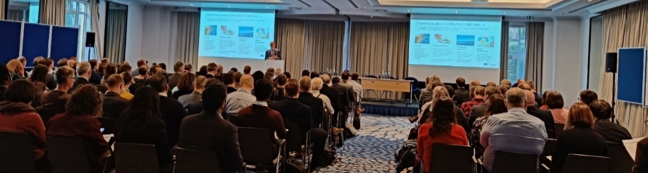
SOFIE3 will cover:
- policy and market
- agronomic benefits, in particular field trials and case studies
- processing from divers input materials to consistent products for farmers
- application best practices, e.g. co-application with mineral fertilisers, biostimulants
- environment, carbon benefits, LCA, Circular Economy
- business models and product success stories
Short proposals for presentations, company showcases or posters should be sent by 15th October to : see details HERE.
www.phosphorusplatform.eu/SOFIE2024
SOFIE3 is co-organised by ESPP, Eurofema and Fertilizers Europe, with support of the International Fertiliser Society.
Which recycled nutrients for Organic Farming? And why?
Monday 18th September 2023, 14h - 17h, online
Co-organised by IFOAM Europe and ESPP.
Participants: representatives of Organic Farming organisations from across Europe.
Recycled struvite and precipitated phosphates have been added into the list of authorised inputs as fertilisers in certified EU Organic Farming (ESPP eNews n°73). Certain other recycled nutrients are already authorised with conditions.
This meeting will discuss which further recycled nutrient products might be appropriate for certified Organic Farming, based on practical examples, and under what conditions they might be considered. Questions considered: solubility and plant availability of nutrients, origin of raw materials, chemicals used in recovery process and LCA, contaminants and safety. Examples will be: calcined phosphates, biochars, phosphate fertilisers from ashes, recovered ammonium sulphate, recovered nutrients from aquaculture and other marine wastes.
Full meeting agenda HERE. Registration: Eventbrite.
Looking for consultant for EFSA dossier
ESPP is looking for a regulatory consultant to prepare a dossier on Cat1 ABP ashes
The European Commission (DG SANTE) has indicated that it will request from EFSA (European Food Safety Agency) an Opinion on the safety of possible use of Cat1 ashes and derivates in fertilisers. EFSA are susceptible to consider that the Brown et al. studies (2000, 2004, see ESPP eNews n°73) suggest possible prion infectivity after combustion, even in the absence of residual organic carbon or protein. ESPP organised an online meeting of companies and experts on Cat1 ash safety (22nd May 2023), including two co-authors of these studies. This meeting concluded that there are today no practicable methods to reliably test ash samples to show absence of prion infectivity and no experimental evidence of elimination of infectivity by combustion under EU Industrial Emission Directive conditions. The meeting therefore proposed to develop a dossier of evidence to input to EFSA based on input material risk and on epidemiological data. ESPP is looking for a service provider to collect data and prepare a dossier to submit to EFSA, and also to support coordination with concerned companies and organisations.
See relevant background documents at www.phosphorusplatform.eu/regulatory
Full details of services requested HERE. To express interest, please contact ESPP before 15th September 2023.
Research prizes and partner searches
1st German Phosphorus Platform DPP P-recycling thesis prize
1000 € prize for an undergraduate or master thesis, obtained in Germany, on phosphorus recovery.
Submission deadline 1st September 2023. “Förderpreis der Deutschen Phosphor-Plattform DPP” here.
IFS 9th Brian Chambers crop nutrition research prize
The International Fertiliser Society prize (UK£ 1000 plus 2 x UK£ 500) rewards completed or advanced research (PhD / MSc level) susceptible to make a practical contribution to improving crop nutrition. Application form (one page) and information on previous prize winners is here.
Submission deadline: 30th September 2023. IFS Brian Chambers International Award for Early Career Researchers in Crop Nutrition. HERE.
Partners wanted for consortium for EU Horizon Europe proposal
German research institutes FBN and AWI are searching for European partners for a consortium for the Horizon Europe Call “Demonstrating how regions can operate within safe ecological and regional nitrogen and phosphorus boundaries” (HORIZON-CL6-2024-ZEROPOLLUTION-01-1), planned call opening date 17 October 2023. The project will explore material flow scenarios and management of nitrogen (N) and phosphorus (P) and develop measures to avoid unwanted losses, including recycling N and P from wastes and sewage sludge, improving N-binding in soils and plants. The consortium is looking for expertise in resource governance, circular economy, crop production, soil science, waste and environmental management, ecosystem modelling, and companies who have expertise in sewage sludge treatment and in recycled fertilisers or animal feed.
Research Institute for Farm Animal Biology (FBN) and Alfred-Wegener-Institute (AWI). Contacts: Michael Oster and Cédric Meunier
Policy
EU Soil Health Directive proposal
Proposed Directive will specify descriptors for monitoring and assessing soil health (including soil P and N) to be implemented / defined nationally by “soil district”, within a non-regulatory objective of achieving healthy soils by 2050 (as announced in the Commission document “EU Soil Strategy for 2030” 17/11/2021). The Directive is currently open for public consultation to 18th September and will go to European Parliament and Council (Member States) for decision.
The proposed Directive will install an EU-wide monitoring of soil health, and of soil artificialisation (“land take”). Outline parameters are specified, but thresholds will be defined (if not indicated) or can be adapted by Member States (MS), according to “soil districts”, which MS must also define. This looks superficially similar to the functioning of the Water Framework Directive (WFD), but in fact is very different in that the WFD fixes legal obligations and deadlines for MS to achieve Good Quality Status / Potential for water bodies, whereas this proposed Directive only refers to the 2050 objective in the recitals. Also the WFD quality criteria, for different ecoregions / water body types, are fixed at the EU level, not by MS. Unlike the WFD, there is no provision for local governance to involve civil society and stakeholders in “soil districts”. The proposed Directive also defines sustainable soil management principles, opens possibilities for certification schemes for healthy soils, and defines obligations concerning contaminated sites.
ESPP’s input to the preparatory consultations underlined that soil health is key to protecting water quality by limiting nutrient loss, that climate change will accentuate nutrient pressures on soil health (accelerated nutrient mineralisation, increased soil erosion, both leading to nutrient losses) and that nutrient recycling can support soil health by return of organic carbon (organic fertilisers, composts, digestates, biosolids) subject to ensuring contaminant safety.
The proposal refers to the EU Green Deal (Farm-to-Fork and Biodiversity Strategies) aim to reduce nutrient losses by 50% without deterioration of soil fertility. Nutrients cycling is identified as a key aspect of healthy soils (Recitals 2). In the parameter thresholds in Annex I (Soil Descriptors for Health Soil Condition …), soil phosphorus and soil nitrogen are specified as two of the eleven criteria. Excess phosphorus must, for the whole EU (Annex I part A), have a maximum value set by the MS, such that this maximum is between 30 and 50 mg/kg (Annex II specifies measurement as extractable phosphorus by ISO 11263:1994 = Olsen-P). Excess nitrogen levels may also be defined by MS if causing “critical loss of ecosystem services” (art. 9.3, Annex I part C: total soil N, measurement by ISO 11261:1995 Kjeldahl N).
Public consultation open to 18th September 2023. Possibility to input plain text comments (max. 4 000 characters) plus document. https://ec.europa.eu/info/law/better-regulation/have-your-say/initiatives/13350-Soil-health-protecting-sustainably-managing-and-restoring-EU-soils_en
Evaluation of EU Sewage Sludge Directive published
European Commission evaluation of 1986 Sewage Sludge Directive concludes that it should be maintained but should be updated to cover organic contaminants, microplastics, AMR and to better ensure application according to crop needs. The formal “Evaluation” is the first step towards a possible proposal to revise or recast the Directive. The evaluation is based on analysis of literature, Member States reporting, a public consultation, surveys, a stakeholder workshop and interviews (including with ESPP). The evaluation notes that of 7-8 Mt/y sewage sludge (dry matter) produced in the EU today*, c. 40% is valorised in agriculture plus 10% “composted” (ESPP comment: probably also then used in agriculture or for other soil improvement applications). Incineration of this sludge would cost an additional 390 – 490 M€/y (from Egle unpublished). Use of sewage sludge to substitute fertiliser nutrients can save farmers maybe 96 plus 44 €/tDS sludge (for N and P respectively). The evaluation notes that current Member States reporting does not enable to verify that crop nutrient needs are taken into account in sewage sludge application, whereas this is necessary to avoid risks of nutrient pollution. The evaluation concludes that the Directive aims to encourage the use of sewage sludge in agriculture whilst preventing negative environmental or health impacts, that it continues to have EU added value and to be relevant and supported by stakeholders, but that it should be reviewed to consider regulating organic contaminants (in particular PFAS, PAH), pathogens and antimicrobial resistance (AMR), pharmaceuticals and microplastics. It is underlined that sludge management choices relate to local situations, and that maintaining the flexibility of choice for sludge management is important.
SWD(2023)158, 22nd May 2023, Evaluation of Council Directive 86/278/EEC on sewage sludge used in agriculture. HERE. * correct numbers are page 53, wrongly stated as 2-3 Mt/y in the Executive summary page 1.
EU proposed food waste reduction targets and actions
Amendments to the EU Waste Framework Directive, as proposed by the European Commission, would fix targets to reduce food waste by 2030: -10% for food manufacture and processing, -30% for households. Member States must define Food Waste reduction programmes, including the following actions: behavioural change campaigns, actions to address supply chain inefficiencies, food donation systems, skills training, funding for SMEs and social economy actors. The proposed amendments to the Directive are currently open to public consultation to 4th September and will go to European Parliament and Council for decision.
“Revision of EU Waste Framework”, public consultation open to 4th September 2023. Possibility to input plain text comments (max. 4 000 characters) plus document. https://ec.europa.eu/info/law/better-regulation/have-your-say/initiatives/13225-Environmental-impact-of-waste-management-revision-of-EU-waste-framework_en
International Chamber of Commerce flags need to address obstacles to circularity
ICC position says international waste transport regulations need modification to enable movement of secondary resources for recycling pilots and that quality of products should determine regulation, not origin of input materials. EasyMining (Ragn-Sells) Ash2Phos (recovery of phosphorus from sewage sludge ash) is one of four case studies: it took eight months to obtain permits from Denmark and Sweden to transport just one tonne of ash across the border for pilot trials. The Basel convention limits transboundary transport of waste for research to only 25 kg, inadequate to develop industrial pilot processes. ICC calls for consultation of business in improving waste international regulations, regulatory facilitation of storage of wastes containing resources to be recovered later when technologies have progressed, removal of barriers and creation of incentives for circularity and prioritisation of quality over origin (product quality should determine regulation of use, trade and transport, rather than origin). A presentation by Shunta Yamaguchi, OECD, at WCEF2023 identified as ways forward: clarification of definitions and classification of wastes and secondary raw materials, harmonisation and mutual acceptance of circular economy related standards, cross-border reverse supply chains, removing trade restrictions on waste trade whilst tackling illegal waste trade.
OECD publications on Trade, Resource Efficiency and Circular Economy.
World Circular Economy Forum (WCEF), 1st June 2023 How to remove hurdles on research waste shipments
International Chamber of Commerce (ICC), 2023 Circular material flows for research and innovation
Draft of Guidance Document for EU FPR Technical Documentation
NMI has published a 69-page first draft of the future Guidance Document for elaboration of Technical Documentation for the EU Fertilising Products Regulation. The document includes an inventory of relevant documents (guidance documents for other EU regulations, documents of industry associations) and outlines the documents and information which are necessary for Conformity Assessment of EU fertilising products (CE-mark) as a function of different PFCs, CMCs, Conformity Assessment modules. A stakeholder workshop to discuss this Guidance is planned for 17th October 2023 for information: contact.
“Technical study on the elaboration of the technical documentation for the FPR” Inception report, NMI Netherlands, 17th May 2023, 1935.N.22a HERE. This Guidance Document is commissioned by the European Commission (see tender announced in ESPP eNews n°66) but this is not indicated in this draft.
Research
Phosphorus limitation could limit CO2 uptake by 7.5% globally
Climate models predict an increase in net CO2 fixing with increasing atmospheric CO2 and increasing biological activity linked to temperature, but this could be reduced by phosphorus limitation, not considered in current models. This study used the CABLE (Community Atmosphere Biosphere Land Exchange model) including the global biogeochemical model (CASA-CNP) and meteorological inputs from GCP-TRENDY to estimate net CO2 fixing with consideration of only C and N cycles, or also with P, under the climate “business as usual” scenario RCP8.5. This scenario implies a global temperature rise of 5.7°C and an increase in atmospheric CO2 of +250% from today’s levels. Phosphorus limitation is estimated to reduce net ecosystem biomass production (net carbon fixing) by 15% per year in China by 2060 (with a reduction in cumulated fixed carbon over the coming four decades of >11% for China), and by over 7.5% per year worldwide (cumulated >5%).
“Phosphorus Limitation on Carbon Sequestration in China under RCP8.5”, J. Peng et al., Advances in Atmospheric Sciences 2023 DOI.
Filter media for phosphorus capture from domestic wastewaters
Filtration columns filled with different configurations of Rockfos® and Leca® material were tested on real domestic wastewater to assess phosphate capture during a two-year experiment. Biologically treated wastewater (~7 mg P/l, pH ~7) was filtered with mixtures of Rockfos® (a CaO and SiO2-rich material produced from carbonate-siliceous rock) and Leca® (a light expanded clay aggregate material), with a total of 20 litres of filter material. Applied flow rates were 20 and 40 l/day, with a retention time of 12 and 6h, respectively. The combination of 90% Rockfos® with 10% Leca® was identified as optimal among the tested options, and high phosphate (PO4) removal efficiency (~94%) was obtained for all columns tested at 20 l/day flow rate and 12 h retention time, reducing phosphorus to 0.4 mg P-PO4/l in the effluent. Lower removal (~80%, ~1.70 mg P-PO4/l) was obtained at 40 l/day inflow rate, due to reduced contact time. For these reasons, authors suggest to use 1 m3 of these filter materials for 1 m3/day of wastewater throughflow when designing P-removal systems. The filtration columns performed better during the first 250 days of testing, due to the high availability of reactive Ca2+ on grain surfaces. In the later stages of the test, removal efficiency decreased and was particularly low at inflowing temperature below 10°C, because of the slower chemical processes of phosphate precipitation in the filters. The alkaline characteristic of the filter material resulted in treated wastewater outflow initially at pH12 and still at pH9 after 300 days, which could be incompatible with discharge constraints. As indicated in Scope Newsletter n°138, challenges in implementation are the pH of the treated water, and selecting materials which can be recycled as a fertilising material after phosphorus uptake (plant availability of the phosphorus, low levels of contaminants).
“Long-term operating conditions for different sorption materials to capture phosphate from domestic wastewater” A. Jucherski et al., Sustainable Materials and Technologies 31, e00385 (2022), DOI. See also Gubernat et al. in Scope Newsletter n°138
Recirculating struvite for nitrogen removal
Lab and pilot tests of struvite redissolution using calcium hydroxide Ca(OH)2 then sulphuric acid aim to enable application of struvite precipitation to remove ammonia from coal coking water with posssible ammonia recovery. Coking water contains organic compounds and ammonia nitrogen (TAN), and biological treatment often fails to achieve TAN discharge limits. Struvite precipitation is a robust route for TAN removal, but consumption of phosphorus and magnesium are cost prohibitive. Here a process to recycle the struvite back to soluble P and Mg compounds using low-cost chemicals (calcium hydroxide, sulphuric acid) was tested at the lab scale (30 g of struvite produced by precipitation from coking water) and then continuous pilot using coking water. The ammonia driven off could potentially be recovered. The struvite was first dissolved using calcium hydroxide solution, with aeration to drive off released ammonia. Increasing temperature, molar ratio (calcium hydroxide:ammonia) and aeration rate increased ammonia release efficiency, achieving 85% - 90% release at molar ratio 2:1, 35°C and gas-liquid ratio of 3500 (reaction time not specified). 9M sulphuric acid was then used to “activate” the struvite dissolution products by reducing pH to 2.5 - 3, resulting in soluble magnesium phosphate and precipitation of gypsum (calcium sulphate) – this is a comparable reaction to acid attack of phosphate rock. A pilot struvite reactor (20l hydraulic residence time 1 hour plus 40l settling zone 2 hours) was built and tested for continuous N removal from coking water and the precipitated struvite was dissolved – recirculated six times (seven uses). Results showed initial TAN removal from the coking water of nearly 90%, falling only slightly to around 85% by the 6th recycle. Removal efficiency of 90% could be maintained by adding phosphate.
“Ammonia nitrogen removal from coking wastewater and high quality gypsum recovery by struvite recycling by using calcium hydroxide as decomposer”, H. Huang et al. J. Environmental Management 292 (2021) 112712, DOI.
Nitrogen recycling
ESPP summary of nitrogen recovery perspectives in Fertilizer Focus
Leading fertiliser industry magazine publishes ESPP summary of work on N-recovery. ESPP notes that the few N-recycling installations operational today produce (dilute) aqueous ammonia salt solutions. These can be valorised regionally to farmers, but are not compatible with transport and reprocessing in the fertiliser industry (except in specific local circumstances). ESPP suggests to investigate feasibility of processes to recover ammonia as a compressed gas (e.g. via zeolites, geopolymers, ionic liquids), new routes to recover solid ammonium compounds and new processes to capture nitrogen from NOx stripping (in combustion, industry). ESPP is looking for companies to co-fund a joint “blue sky” industrial feasibility study of such new N-recovery routes.
Fertilizer Focus (Argus Media), July/August 2023, free online https://www.argusmedia.com/en/fertilizer/fertilizer-focus
See also SCOPE Newsletter n° 145 (summary of ESPP’s first N-recovery workshop) and n° 147 (summary of N-recovery science publications). Summary of WARM (White Ammonia Research Meeting) is underway.
Sewage sludge biochars as fertilisers
ESPP – EBI workshop at the Biochar Summit Helsingborg
Process to reconsider the exclusion of sewage sludge from EU Fertilising Products Regulation (FPR) “pyrolysis and gasification products” could start in 2023. EBI will coordinate data input on contaminant safety and agronomic value.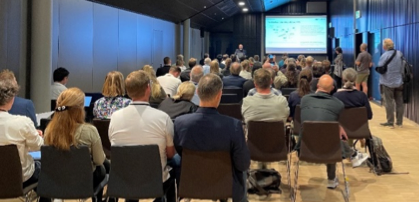
The Biochar Summit brought together several hundred industry and science participants. In this context, the ESPP-EBI joint workshop, with around fifty participants, welcomed European Commission and expert presentations on removal of organic contaminants in sewage sludge biochar processes, analysis methods and data availability and water industry interest for development of pyrolysis as a route for sewage sludge nutrient and carbon valorisation.
Christian Wieth, Aquagreen (Chair of EBI working group on sewage sludge carbonisation), opened the workshop, explaining the shared objective to collate evidence showing the contaminant safety, nutrient value to crops and carbon sequestration contribution of sewage sludge biochar, to support future acceptance of sewage sludge as an input to CE-Mark fertilisers (EU FPR CMC14, from which it is currently excluded).
Ana-Lucia Crisan, European Commission (DG GROW – Fertilisers), confirmed that at present sewage sludge is excluded as an input for European Fertilising Products Regulation (FPR) CMC14 “Pyrolysis and gasification materials”, but that sewage sludge biochars can be used in agriculture in some Member States under national fertilisers regulations and/or under waste valorisation plans. CMC14 was adopted in 2021, as part of the “STRUBIAS” criteria, in parallel to the EU FPR. It is now integrated into the consolidated version of the FPR published here. These criteria were based on the JRC STRUBIAS report 2019, which concluded (page 136 onds.) that there was not sufficient evidence to prove the safety of organic contaminants in sewage sludge biochars, that is evidence of their elimination in the pyrolysis/gasification process. This report stated: “the current proposal to exclude sewage sludge from the eligible input material list for CMC pyrolysis & gasification materials could possibly be revised once robust and extensive techno-scientific evidence underpins the safe use of (specific) pyrolysis & gasification materials derived from sewage sludge”. The current CMC14 criteria specify minimum processing conditions defined for input materials with low levels of contaminants (180°C for at least 2 seconds) and more demanding conditions would need to be specified where sewage sludge would be an input. Following the stakeholder consultation organised by DG GROW last year, sewage sludge as an input for CMC14 is included in the materials to be assessed for the European Commission (tender closed July 2023 HERE). This is expected to be a two-year study starting before end 2023. Stakeholders will be invited to input information on the safety, agronomic effectiveness, legal status, production and processing and potential for significant trade of sewage sludge pyrolysis / gasification materials. In particular, information on safety of organic contaminants in these materials should be more recent than, or otherwise not considered in, the 2019 JRC STRUBIAS report (see refence list of this report). If this study concludes that evidence now shows safety, agronomic value and trade potential as fertilising products of sewage sludge pyrolysis and gasification materials, with appropriate processing criteria, then CMC14 could be modified by Commission Delegated Act, after the relevant consultation procedures (maybe around one year additional time).
Christian Wieth, AquaGreen, noted that sewage sludge biochars are today used in agriculture under national fertilisers regulations in Sweden and under waste regulations in Denmark. They provide nutrients, improve soil water holding capacity and fix carbon. Sewage sludge biochar data from Pyreg, NGE and AquaGreen show that sewage sludge biochar typically meets the PFC contaminant criteria of the EU FPR, except possibly for zinc. Scientific literature indicates that dioxins, pharmaceuticals and pathogens are eliminated by pyrolysis at 500°C for 3 minutes, but there is not sufficient data concerning PFAS at 500°C. This could be addressed by requiring PFAS analysis and then exempting from further testing if no PFAS is found after three months. Furthermore, both Pyreg and AquaGreen have shown that PFAS is not detectable in the flue gas from their pyrolysis systems.
Helmut Gerber, Pyreg, summarised US EPA data showing that pharmaceuticals, PAH and dioxins are not found in sewage sludge biochars with pyrolysis at 500°C or higher, and PFAS is not found from around 600°C. A challenge however is that higher pyrolysis temperatures result in lower plant availability of the phosphorus in the biochar. Pyreg’s sewage sludge biochar (pyrolysis @ 600°C) showed crop growth of around 90% compared to mineral phosphate fertiliser in field trials in Hessen, Germany (biochar from sewage works using iron/aluminium for P-removal, see SCOPE Newsletter n°144). The NAC solubility of the phosphorus in this biochar (78,7%) was very slightly below the 80% threshold specified for declaring phosphorus as a nutrient under the EU Fertilising Products Regulation (Annex III – PFC 1, 4b).
Gerard Cornelissen and Katinka Krahn, Norwegian Geotechnical Institute, summarised extensive laboratory studies into organic contaminants in biochars. Test methods generally used do not extract, or underestimate, organic contaminants in biochars because they are strongly bound into the biochar. This also means that the organic contaminants are not bioavailable in soil. Pyrolysis at c. >500°C generally ensures >99.9% removal of PCBs, PAHs, dioxins (load in input feed material / load in biochar). For dioxins, over 70% is usually eliminated, with the remainder mostly transferred to pyrolysis oils and very little to flue gases. However, in some cases, in particular at high temperatures (c. >800°C), dioxin toxicity may be increased by changes in congeners or modification to furans.
David Gustavsson, VA SYD and Sweden Water Research, presented the Swedish REVAQ sewage sludge quality certification scheme, which jointly engages the water industry, farmers, supermarkets, consumer associations and the Sweden EPA. A key benefit of REVAQ is that it has pushed reduction of contaminant inputs to sewage, from industry or household toxic chemicals. Around 50% of Sweden’s sewage sludge is today REVAQ certified and is valorised in agriculture. However, there are concerns about organic contaminants and the water industry is looking at pyrolysis as a route to remove organic contaminants and reduce cadmium. Pyrolysis can be operated in smaller units than sewage sludge incineration, so reducing sludge transport and enabling flexibility, and offers benefits as a carbon sink with a potentially positive energy balance. VA SYD will soon be operating an AquaGreen pilot sewage sludge biochar plant (see SCOPE Newsletter n°144) to test pyrolysis of sewage sludges from different sewage works and to carry out field trials of sewage sludge biochars, in particular to assess phosphorus crop availability.
Richard Lancaster, Atkins Global Bioresources Director, emphasised that sewage sludge management is not a choice but a necessity, with significant growth in production worldwide as populations grow, standards of living increase and environmental standards tighten. If poorly managed, sewage sludge can cause pollution, odours, increase emissions and have significant carbon impacts, whilst missing opportunities to valorise resource value, for example nutrients. The water industry faces challenges to biosolids valorisation in agriculture, due to growing concerns with regard to micropollutant contamination, for example organic contaminants and microplastics. The water industry wants to keep open a range of possible sewage sludge management routes / pathways which enable adaptation to future policy and environments, resource recovery and advanced thermal conversion, using technologies such as pyrolysis, whereas incineration for example closes other options. To enable alternative strategies there is a need to enhance understanding of deployment, explore output markets, refine regulations and gain a greater understanding on operating models / experience to support investment choices. Upstream reduction of contaminants at source is, however, the first priority.
Robert van Spingelen, ESPP President, closed the workshop, concluding that it is now necessary to collect data on elimination of organic contaminants (in particular PFAS, pharmaceuticals, microplastics) in sewage sludge pyrolysis and gasification processes, on analysis methods, and on levels of these contaminants in the resulting biochars, as well as data on phosphorus crop availability in sewage sludge biochars and on other agronomic benefits, including long-term carbon storage in soil. He underlined that the biochar industry also needs to propose consensus processing conditions and other criteria for possible inclusion of sewage sludge pyrolysis and gasification materials into CMC14 of the EU Fertilising Products Regulation. The European Biochar Industry Consortium indicated that they will centralise this data collection and make proposals.
ESPP – EBI workshop at the Biochar Summit, 14th June 2023 www.biochar-summit.eu
Stay informed
SCOPE Newsletter: www.phosphorusplatform.eu/SCOPEnewsletter eNews newsletter: www.phosphorusplatform.eu/eNewshome
If you do not already receive ESPP’s SCOPE Newsletter and eNews (same emailing list), subscribe at www.phosphorusplatform.eu/subscribe
LinkedIn: https://www.linkedin.com/company/phosphorusplatform
Slideshare presentations: https://www.slideshare.net/phosphorusplatform - Twitter: @phosphorusESPP
YouTube https://www.youtube.com/user/phosphorusplatform
ESPP members
Newsletter about nutrient stewardship - European Sustainable Phosphorus Platform (ESPP)
Please subscribe www.phosphorusplatform.eu/Subscribe
Link to www.phosphorusplatform.eu/eNews076
Download as PDF
ESPP new members
PYREG
NOAH AS
Consultations, calls & tenders
EU public consultation on Critical Raw Materials to 30th June
EU Polluter Pays Policy consultation to 4th Aug. 2023
EU tender on new input materials and biostimulant micro-organisms for FPR
EU tender for study on Animal By-Products (ABPs) in fertilising products
Nutrient Platforms
Italian Phosphorus Platform restarts its activities
Critical and Strategic Raw Materials
Joint Declaration supporting phosphorus to be a Strategic Raw Material
EuChemS webinar discusses why phosphorus (P) is essential to humanity
EU knowledge report on nutrient management
JRC study to support INMAP
UK water industry collaborative research reports
Contaminants and biosolids
Review of sewage sludge biochar processes
Research and development
1st White Ammonia Research Meeting (WARM, Brussels & hybrid, 7th June 2023)
Energy and phosphorus recovery from fish farm discharge
27-year field trial of organic wastes as fertilisers
Cerium for P-removal and hypothetical recovery
Iron-loaded plastic fibre lab tested for P removal – recovery by adsorption
Pharmaceuticals and heavy metals release from sewage sludge biochar
Stay informed
ESPP members
ESPP new members
PYREG
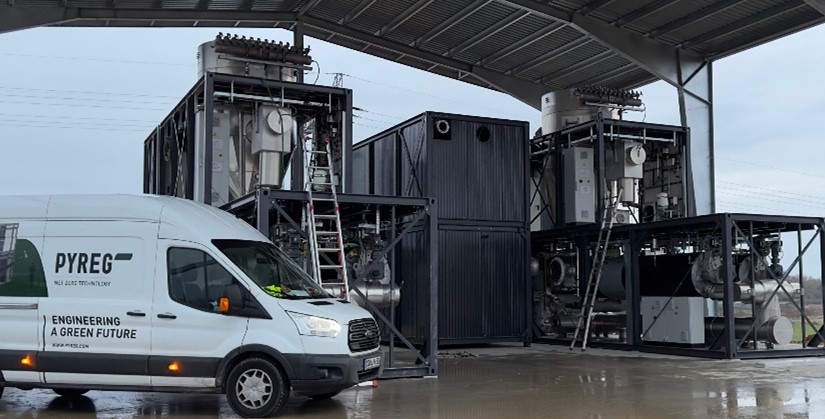 PYREG is the global lead manufacturer of pyrolysis installations, with over 50 biochar plants operating worldwide, stabilising carbon into biochar and producing renewable energy. PYREG was set up in 2009 as a spin-off from TH Bingen, University of Applied Sciences. Today, PYREG’s installed biochar plants stabilise over 30 000 t/y of CO2 from biomass or from wastes such as sewage sludge, food waste and biomass residues, binding the carbon long-term into biochar. The CO2 bound into biochar can be certified and traded. The biochar can be used in technical applications or applied to soil. When phosphorus-containing substrates are pyrolysed (e.g. sewage sludge, food waste, food industry by-products), the phosphorus is retained in the biochar and can be returned to soil as a slowly plant-available nutrient. Six PYREG pyrolysis plants are today operating with dried sewage sludge as input, treating 1 300 – 3 900 t/y, and several others with various dry biomass residues as input, treating up to 3.300 t/y. The sewage sludge biochar contains 15 - 35% organic carbon, 6 - 7% P, around 1% N and more than 10% K (all as % of dry solids). PYREG sewage sludge biochar is registered as a fertiliser in Sweden (PYREGphos). By becoming a member of ESPP, PYREG will communicate with regulators, research, potential customers and companies offering technologies with potential synergies, and will promote pyrolysis as a route to fixing carbon in sewage sludge and to recycling phosphorus to agriculture.
NOAH AS
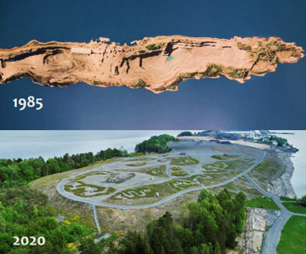 A waste management and recycling company, in minerals, stone and contaminated soils, as well as hazardous wastes and batteries, NOAH’s aims are circularity and a non-toxic material cycle, including nutrient recovery from fly ash. NOAH, part of Gjelsten Holdning group, has today around 135 staff and 25 years proven expertise in safe chemical-technical treatment solutions to manage wastes safely for people and the environment. Examples are zinc, mercury, arsenic, lead, hydroxides, and reactive metals. At Langøya (photo), NOAH processes the wastes into a gypsum matrix that binds and stabilises pollutants, treating around 500 kt/y of hazardous waste and relandscaping an old lime quarry. NOAH is developing recovery of mineral salts using a purification system to remove remaining impurities (sulphates, heavy metals, other metals) then a concentration process where sodium and potassium chlorides precipitate from the calcium chloride rich mother brine. Sodium and potassium salts are separated, crystallised and dried. NOAH is also testing phosphorus recycling from calcium phosphate slag, using the nitro phosphate process to produce pure gypsum and phosphoric acid. NOAH believes policies should move away from landfilling to circularity. EU regulations need to be optimised to make the transition to the Circular Economy. NOAH is joining ESPP to work together for these transitions
Consultations, calls & tenders
EU public consultation on Critical Raw Materials to 30th June
Consultation extended to 30h June 2023 on draft EU Critical Raw Materials Regulation, before discussion in EU Parliament and Council, covering Critical and Strategic Raw Materials Lists, with update of the EU Critical Raw Materials List. Elemental phosphorus (P4) and phosphate rock are NOT included in the proposed list of “Strategic” Raw Materials (see ESPP eNews n°74).
ESPP has input to provide reasons why Elemental Phosphorus (P4 and derivates) and Purified Phosphoric Acid (PPA) should both be included in the “Strategic Raw Materials” List.
ESPP also suggests that materials critical for EU food security should be assessed and defined Strategic.
ESPP’s input to the public consultation is on the EU website here and the full document submitted is at www.phosphorusplatform.eu/regulatory (see under “EU Critical Raw Materials”)
Individuals, companies and organisations can input to the EU public consultation until 30th June here (4000 characters free text plus optional document).
EU Polluter Pays Policy consultation to 4th Aug. 2023
Consultation asks questions about Polluter Pays Policy implementation. At the same time, the Urban Waste Water Treatment Directive recast proposes PPP for costs of removing pharmaceuticals and cosmetics in sewage works. The public consultation on PPP open to 4th August asks about pollutant costs, which pollutants should be targeted, how PPP should be implemented including how the Polluter Pays Principle (PPP) should be integrated into prices of products and what impacts this could have. This consultation is open to input from the general public, companies and organisations. At the same time, the recast of the Urban Waste Water Treatment Directive, currently in discussion in European Parliament and Council, raises the question of PPP. The Commission’s proposed text would introduce PPP (here called “Extended Producer Responsibility”) for costs of removing pharmaceutical and cosmetics residues in sewage works (Recital 13, arts. 9, 10, 30 and Annex 3) and will evaluate for 2030 whether this should be enlarged to other chemicals found in wastewater.
Legislative dossier underway Urban Waste Water Treatment Directive recast https://oeil.secure.europarl.europa.eu/oeil/popups/ficheprocedure.do?reference=2022/0345(COD)&l=en
“Polluter Pays Principle – fitness check of its application to the environment”, EU public consultation open to 4th August 2023 HERE
EU tender on new input materials and biostimulant micro-organisms for FPR
The European Commission has opened a tender for studies on microorganisms for inclusion as biostimulants and on possible other new materials as inputs for the EU Fertilising Products Regulation (FPR). The tender includes two lots. The first will develop methodology for assessing microorganism which are candidates for inclusion in EU FPR “biostimulants” (addition into CMC7), including their safety, agronomic effectiveness, legal status, production and processing, potential for significant trade, etc. The study will then use the methodology to assess a number of microorganisms proposed under the EU survey held in 2022 (see ESPP eNews n°69). The second study lot will assess candidate new input materials and treatments for possible inclusion into CMCs of the EU FPR, starting by screening submissions made under this 2022 survey. “Indicative examples” cited include materials from: human excreta; algae grown on waste waters; nutrients from battery recycling; from feed industry; sewage sludge; sludge from fish farming; seafood processing residues; and additional processing methods or input materials for a number of CMCs. This study will then assess potential for significant trade, environmental and health safety, agronomic efficiency, and will then make technical proposals for FPR Annex II amendments for materials identified as relevant. Estimated total tender value is 275 K€ (125 K€ for microorganisms, 150 K€ for new CMC materials).
DG GROW tender (TED), open to 17th July @ 9h00 GROW/2022/OP/0046 “Technical Studies to Support the Inclusion of New Materials and Microorganisms under the Fertilising Products Regulation” HERE
EU tender for study on Animal By-Products (ABPs) in fertilising products
The European Commission has pre-announced an upcoming tender for a study on agronomic value and environmental safety of certain Animal By-Products in fertilising products (CMC10). As indicated in ESPP eNews n°75, the authorisation of certain ABPs in CE-mark fertilising products (under the EU Fertilising Products Regulation FPR – CMC10) is very, very slowly progressing. It is our understanding that the DG SANTE Delegated Act amending the Animal By-Product Regulations to define “end points” allowing use of certain ABPs in EU fertilising products (that is, without traceability) is now finalised and will hopefully be published in the Official Journal within a few months (link below). However, these ABPs can only be added to the EU FPR (CMC10) after assessment by the European Commission (DG GROW) of their agronomic value and environmental safety. For “processed manure”, this will be done by the Commission itself (JRC), see ESPP’s input HERE. For ABPs other than “processed manure” cited in the SG SANTE Delegated Act, and possibly for other ABPs which could be considered for future integration into the FPR, the study of agronomic value and environmental safety will be contracted, and for this DG GROW has published a tender pre-announcement.
DG GROW CMC10 ABP agronomic and environmental safety study pre-announcement 5/6/2023: HERE
DG SANTE Delegated Act for “end points” for certain ABPs for use in fertilisers: HERE
Nutrient Platforms
Italian Phosphorus Platform restarts its activities
A new two-year collaboration agreement has been signed between the Italian Ministry of the Environment and Energy Security (MASE) and ENEA for the resumption of the activities of the “Italian Phosphorus Platform”. A webinar on the 15th March launched this second ENEA contract which covers two years. The meeting was opened by Carlo Zaghi (MASE), who emphasised the challenges and opportunities of circularity. Maria Grazia Verdura (MASE Technical Secretariat) introduced the Italian National Table on Critical Raw Material, which aims to enhance national coordination and generate proposals to establish regulatory, economic, and market conditions that promote a secure and sustainable supply of critical raw materials, including phosphorus. Claudia Brunori (ENEA) introduced the Italian Phosphorus Platform objectives of closing the loop in the phosphorus cycle to achieve long-term Italian self-sufficiency in phosphorus supply. Representatives from ENEA presented results achieved by the four thematic groups during the first two-year Platform programme (2018-2019, six published reports, in Italian, here) and planned activities for the 2023-2024 period. Alessandro Spagni (ENEA) presented the reports prepared in 2019 on phosphorus recovery technologies. At that time, only one full-scale P-recovery plant was operating in Italy (Colsen struvite recovery in Emilia-Romagna), but there was significant research interest and company pilot tests. The report emphasised that Italian phosphorus fluxes are primarily linked to agriculture and that there is a strong focus on recovery from liquid and solid organic fractions from wastewater treatment. The future activities include updating the “technology catalogue” (13 technology summaries) and assessing potential replicability of international technologies in Italy. Over 30 people, primarily from industries and sector associations, participated in the report on legislation (coordinated by Sergio Cappucci, ENEA), which analysed more than 90 legislations related to phosphorus at the European, Italian and regional levels. This report will now be updated. Francesca Ceruti (ENEA) presented a comparative study of other Member States' policies related to phosphorus and a market analysis on the phosphorus cycle in terms of supply and demand. The main critical issues in the sector, hindering the closure of the phosphorus cycle and market development, were identified as the lack of specific regulation on end-of-waste and recovery, as well as a lack of public awareness. The two reports will also be updated over the next two years, and a feasibility study will be conducted to establish a national database on phosphorus. This database will track the main users and sellers of phosphorus on the basis of stakeholder inputs, including those who recover it from secondary sources.
The first meeting of the four thematic groups took place online on May 30th 2023, 9h-16h, with around 2 hours per thematic group. To participate in future meetings contact:
Italian Phosphorus Platform website: https://www.piattaformaitalianafosforo.it/en
Critical and Strategic Raw Materials
Joint Declaration supporting phosphorus to be a Strategic Raw Material
ESPP is coordinating a joint declaration, for signature by concerned companies and other organisations, calling for Elemental Phosphorus (P4 and derivates) and Purified Phosphoric Acid (PPA) to be included in the “Strategic Raw Materials” List. The Declaration explains that phosphorus is necessary for the “Strategic” industry sectors defined in the draft Critical Raw Materials Act (batteries, renewable energies, electronics and data, aerospace) because it is needed for battery electrolytes and cathodes, photovoltaic panels, fuel cells, semiconductors, hydraulic fluids and for fire safety in all of these sectors. The objective is to input to the discussion of the draft Act in the European Parliament and Council. If you wish to include your company or organisation signature, please contact ESPP.
You can input to the EU public consultation to 30th June here
ESPP’s input to the public consultation here
Joint Declaration calling for phosphorus to be included in the EU Strategic Raw Materials List www.phosphorusplatform.eu/regulatory
EuChemS webinar discusses why phosphorus (P) is essential to humanity
Nearly 200 participants at the EuChemS webinar organised from the European Parliament, discussing phosphorus uses, stewardship and recycling, and concluding that the element P should be identified as critical.
The webinar was opened by Maria Spyraki, Member of the European Parliament, and Christos Vasilakos, Senior Policy Advisor to Ms. Spyraki, who highlighted the essential role of the European Chemical Society and underlined that phosphorus is essential for both biological life and the human body, and for industry, but that build ups in water and soils are problematic. P-recycling is necessary both to reduce losses and for the Circular Economy.
Evamarie Hey-Hawkins, Leipzig University and Floris Rutjes, Radboud University and EuChemsS President, underlined that P is essential for food production. Mineral nitrogen fertilisers ensure food for around half the world’s population. For phosphorus, ESPP estimates that mineral P fertilisers currently feed 4/5 of the world’s population, but this is an estimate, and better data from science would be welcome.
Nicola Armaroli, CNR Italy (National Research Council) explained that EuChemS has developed a Periodic Table based on the abundance of elements on Earth and identifying by colours which elements are critical for humanity and subject to resource scarcity or conflicts (latest version here): P is currently indicated as yellow (limited availability, future risk to supply). Participants at the webinar suggested that P should also be indicated as deep red (problems due to losses and over-use) and that specific forms of P should be included in the EU “Strategic” Raw Materials list, currently open to public consultation and to debate in the European Parliament and Council (see under public consultations, above).
Alessandra Quadrelli, CNRS France (National Research Council) outlined work on Planetary Boundaries and discussed challenges of resource sustainability, indicating that P use and losses show exceedance by a factor of more than 4x and that this prejudices food security. Dana Cordell, University of Technology Sydney, underlined the nature of phosphorus vulnerability, including geopolitical risks, short-term supply-chain disruptions that led to last year’s 400% phosphate price spike, in addition to P losses, and that only around 20% of mined P applied to crops ends up consumed in food, as P is bound to soil and lost to water, causing eutrophication. She spoke of overcoming market barriers to scaling up circular phosphorus value chains and the need to improve P governance so that all farmers worldwide have access to sufficient phosphorus to ensure soil fertility and food security whilst avoiding eutrophication. Chris Slootweg, University of Amsterdam, underlined the need for systems thinking to develop phosphorus circularity and address losses and eutrophication. Jan Weigand, Dresden Technical University, summarised work underway to find routes to organophosphorus chemicals needed by industry without using the chlorinated vector chemical PCl3.
Andreas Rak, Remondis, presented the company’s TetraPhos process to recover phosphoric acid (brand name: REPACID) from sewage sludge incineration ash. A first full scale installation (20 000 t ash / year) is currently underway starting operation in Hamburg. The plant is owned and operated by HPHOR (Hamburger Phosphorrecyclinggesellschaft mbH), a public private partnership between REMONDIS and HAMBURG WASSER.
Chris Lawson, CRU, summarised trends in P use. Today around 200 million tonnes/year of phosphate rock is mined, of which around 95% is sedimentary and nearly 5% igneous. Prices spiked following Russia’s attack on Ukraine, but have since come down and are currently around twice their 2000 level, with considerable differences between different grades of rock. Only around 2/3 of world mine capacity is currently utilised, so that there is little incentive to invest to increase production. Morocco and Saudi Arabia have significantly increased rock extraction over recent years. World trade in phosphate rock fell from 2000 to 2015 (more or less stable since) as mining countries tend to move to process rock to phosphoric acid, fertilisers or other products, trading these not rock. This means that the world’s biggest exporter of phosphate rock is today Jordan. Lithium Iron Phosphate (LFP) batteries are expected to develop considerably in coming years, in particular for grid energy storage, and may require 9-10 million tonne/year of phosphate rock by 2035, but this remains small compared to total world phosphate rock production.
Robert van Spingelen, ESPP President, explained why two specific forms of P, elemental phosphorus (P4) and Purified Phosphoric Acid (PPA) are both essential for the “Strategic” industry sectors targeted by the proposed EU Critical Raw Materials Act (batteries, renewable energies, electronics and data, aerospace). ESPP therefore considers that these two materials should be added to the EU “Strategic Raw Materials” list. The EU public consultation is open to 30th June (see above). ESPP also suggests that food security is “Strategic” for Europe and that raw materials essential for food security should be assessed for a second “Strategic” list.
EuChemS Science-Policy Phosphorus Workshop “The role of chemicals in our daily life: the phosphorus element, feeding the world and beyond”, online from the European Parliament, 25th May 2023 here.
EuChems periodic table “The 90 natural elements that make up everything. How much is there? Is that enough? Is it sustainable?”, 3rd version 2023 https://www.euchems.eu/euchems-periodic-table/
EU knowledge report on nutrient management
JRC study to support INMAP
The European Commission’s Joint Research Centre has published a study to support the upcoming Integrated Nutrient Management Action Plan (INMAP) and Biodiversity Strategy and Farm-to-Fork target of reducing nutrient losses by 50% by 2030.
ESPP comment: this is a knowledge review and does not make regulatory/political proposals: these should be in the European Commission’s INMAP proposal which is forthcoming. The report does however assess whether current policies can be expected to achieve this 2030 target.
The study reviews available literature and data to assess nutrient flows, divergences from environmental targets and measures to reduce nutrient losses, including spatial maps and summaries by EU country. The current relevant regulatory context applicable to waste management is summarised.
Annual input of P in the EU is estimated at 1 MtP/y and reactive nitrogen 8 MtN/y to air and 5 MtN/y to water. Planetary boundaries for the EU are estimated at c. 0.4 MtP/y and 4.4 MtN/y, so in both cases considerably lower than 50% of current inputs. Around 40% of P and 50% of N entering agricultural production is estimated to end up in waste.
Nutrient recycling is addressed in particular as a route to reduce losses, including assessing nutrient recycling potential, possible contribution to reducing nutrient losses, costs and economic benefits. A range of nutrient recycling routes and technologies are discussed in detail (pages (pages 49-62). Four nutrient recycling routes are considered in detail: mineral P and N fertilisers recovered from digestates by precipitation and scrubbing, P-recovery from ashes, mineral N recovery from offgases (from stables, manure storage, composting), use of digestate or compost in organic fertilisers (organic carbon containing fertilisers). The report notes that nitrogen recovery from combustion flue gases is not today operation, and that flue gas treatment often uses catalysis with ammonia or urea injection to convert N2O/NOx to N2, so effectively consuming reactive nitrogen not recovering. JRC estimates that a maximum of 0.3 MtP/y and 1 MtN/y could be recovered to mineral fertilisers from waste or losses plus 0.3 MtP/y and 0.7 MtN/y by using wastes in organic fertilising products.
ESPP comment: these JRC estimates do not necessarily mean replacing fertilisers, as the waste may currently be reused as an organic fertilising material, e.g. manure slurry / digestate or sewage biosolids. For P, this JRC compares to 0.3 – 0.4 MtP/y estimated without including manure by Van Dijk et al. 2015, see SCOPE Newsletter n°117).
JRC suggests (p. 128-129) that recovery of nutrients to concentrated nutrient products could substitute a maximum of 25% and 10% of EU P and N mineral fertiliser consumption. This is estimated to have a cost of c. 6 billion €/y (additional cost compared to virgin mineral fertilisers) compared to environmental benefits to society of > 7 bn€/y.
Impacts of possible measures are analysed for atmospheric nitrogen losses and nutrient deposition to land, balanced mineral N fertilisation, reduction measures on P and N losses to freshwater and the sea and for different scenarios for the EU agro-food system. Actions currently announced or planned for wastewater treatment (revision underway), under CAP or for atmospheric nitrogen emissions (e.g climate actions FitFor55) are estimated to reduce nutrient losses (reaching the sea) by around 17% for P and 32% for N. ESPP comment: this is significantly less than the Biodiversity Strategy and Farm-to-Fork 50% reduction target. The report suggests that achieving food and feed self-sufficiency in Europe within nutrient environmental constraints will require structural changes to agri-food production and to dietary patterns. Regional variations could enable specific opportunities for nutrient loss reduction.
The report concludes that the results are preliminary and not exhaustive with uncertainties in modelling and data.
ESPP recommends to consult the full report, in particular key findings and conclusions (pages 124-131).
European Commission JRC, Grizzetti et al., “Knowledge for Integrated Nutrient Management Action Plan (INMAP)”, 184 pages, 200 references, ISBN 978-92-68-02654-0 DOI.
UK water industry collaborative research reports
Contaminants and biosolids
UK Water Industry Research (UKWIR) has published a number of reports into practical investigation of removal of contaminants in wastewater treatment and levels in treated sewage sludge (biosolids), including microplastics and antimicrobial resistance. See also summary of UKWIR report on sewage sludge biochar below and summaries of UKWIR phosphorus removal technology trials in ESPP SCOPE Newsletter n°129.
The UK National Chemicals water industry’s Investigation Programme (CIP) is the UK water industry’s response to current and emerging concerns about trace chemical substances in the water environment. It brings together the 10 water and wastewater companies in England and Wales, with their environmental regulators, to investigate a range of chemical substances often present in domestic products that find their way into wastewater and biosolids and ultimately rivers and streams.
One of the investigations analysed 173 chemical contaminants in biosolids from eleven UK sewage sludge treatment centres (waste water treatment plants (wwtps) treating their own and other sewage sludge), finding 128 of these chemicals (above detection limits in at least half of samples) at one or more works, with wide variations both within and between centres (“Biosolids Products Data Report”). Some chemicals showed consistent patterns in sludge across the different centres, whereas others varied widely. Chemicals tested include pharmaceuticals, industrial chemicals, flame retardants (halogenated, non-halogenated), AMPA (metabolite of particularly glyphosate), PCBs, cosmetics, detergent chemicals, heavy metals, PFAS chemicals, as well as ions such as calcium, chloride, phosphorus, iron …
This data feeds into the “Biosolids Report” which aims to assess how wastewater and sludge treatment processes influence the fate of these contaminants in biosolids. This report concludes that the data enables to identify which chemicals are likely to be introduced into the environment by use of sewage biosolids in agriculture, but does not enable risk assessment. The studies did not analyse directly how levels of chemicals were impacted by wastewater treatment and sludge processes but it is concluded that fate of PFAS (removal, partitioning) is particularly uncertain and that some pharmaceuticals may be broken down in wastewater treatment but further data is needed. Most of the organic contaminants considered are removed from effluent discharge in wastewater treatment works by sorption to sewage sludge, not by breakdown (table 3.6, pages 45-46).
Microplastics were specifically studied at ten wwtps operating different treatment systems (trickling filters, activated sludge, fixed film activated sludge, biobead biological aerated fixed film). Microplastic removal (from discharge water) was very high (>99% by mass and by number of microparticles). Mostly acrylate, polyethylene and polypropylene polymers found, with no significant fibre forms. Microplastics are transferred to sewage sludge, not broken down, resulting in around one million microplastic particles per kg sewage biosolids (dry weight), so a total over 8 000 t/y of microplastics going to land in the UK. (although potential weaknesses in the mass prediction method mean that these values should only be seen as a starting point and not definitive). Managing the microplastic load to wwtps would therefore seem to be a suitable candidate for source control.
Antimicrobial resistance (AMR) was also specifically studied concluding that wastewater treatment eliminates over 97% of ARG (antibacterial resistance genes). The treatment can however select for certain ARGs, this being related to metal concentrations not antibiotic pharmaceutical concentrations. Also, ammonia levels correlated to AMR in final effluent, suggesting that treatment conditions not favouring nitrification were related to lower ARG removal. No clear conclusions could be drawn concerning which wastewater treatments were more effective in reducing AMR, but anaerobic digestion of sewage sludge did reduce AMR. It is noted that further investigation is needed into AMR in sewage sludge and its fate in soils after land application of biosolids.
UKWIR National Chemical Investigations Programme 2020-2022:
“Biosolids Products Data Report”, vol. 6, ref. No. 22/EQ/01/27 (60 pages)
“Biosolids Report”, vol. 12, ref. No. 22/EQ/01/2339 (33 pages)
“Fate and behaviour of microplastics within wastewater treatment”, vol. 2, ref. No. 22/EQ/01/23 (117 pages)
“Changes to antimicrobial resistance through wastewater and sludge treatment processes”, vol. 1, ref. No. 22/EQ/01/22 (182 pages)
UKWIR research reports online https://ukwir.org/water-industry-research-reports
Review of sewage sludge biochar processes
UKWIR analysis suggests that pyrolysis can offer benefits for sewage sludge valorisation but raises questions on technology demonstration, fertiliser properties of sewage sludge biochars, regulatory and market aspects. The feasibility and options review of pyrolysis, gasification and HTC (hydro thermal carbonisation) is based on a literature search, contacts with technology suppliers (Green Waste Energy, Pyreg, Aqualia, Kobelco, Amey), technology scenarios and analysis by water industry operators. The report underlines that no one technology fits all, and that conclusions and implementation scenarios must be adapted to each water company’s context. Potential benefits of sewage sludge pyrolysis are identified as reduction of quantities (reducing transport), energy recovery (heat, biofuels), potential reduced carbon footprint and long-term carbon sequestration, reduction in emerging contaminants, elimination of pathogens. Uncertainties identified concern the wide range of technologies and different implementation scenarios, resulting in limited references relevant to sewage sludge and lack of data concerning energy consumption, sludge drying, operating challenges, robustness, cost; lack of evidence on long-term stability of carbon and of pollutants in sewage sludge biochars; legal uncertainties regarding output products and questions on whether carbon accounting will credit sequestration in biochar. The report recommends installing a demonstration plant in a UK sewage works as a water industry collaborative trial, undertaking long-term trials on the agronomic benefits and impacts of sewage sludge biochar applied to land, testing of uses of sewage sludge biochars for example as adsorbents in sewage works as well as further research into energy balances, carbon benefits, integration into sewage sludge processing (e.g. solid-liquid separation) and costs.
UKWIR 2023 “Converting sewage sludge to biochar – a review of options & feasibility”, ref. No. 23/SL/07/2 (254 pages).
UKWIR research reports online https://ukwir.org/water-industry-research-reports
Research and development
1st White Ammonia Research Meeting (WARM, Brussels & hybrid, 7th June 2023)
This first workshop on nitrogen recovery research attracted 70 participants in Brussels and 50 online. A wide range of routes for reusing N in organic waste streams were presented. A SCOPE Newsletter summary will be published soon. Different N recovery routes discussed included using waste streams to feed biomass production (algae, duckweed, microbial protein), N-recovery from separately collected urine, manure N stabilisation or local processing to organic fertilisers, recovery of ammonium sulphate solution, or production of ammonia gas for industry use (e.g. by adsorption from waste liquors or offgas followed by desorption as ammonia gas). Discussion suggested that ammonia sulphate solution is mainly adapted for local distribution to farmers (not economic to transport, even if concentrated, unless in specific use chains). Industry participants suggested that further R&D is needed on possible new technologies (adsorption/desorption by ionic liquids, geopolymers, recovery logistics for ammonia gas, recovery from NOx/N2O stripping) whereas researchers proposed more modelling studies.
https://www.phosphorusplatform.eu/nrecovery
Energy and phosphorus recovery from fish farm discharge
PwC says that the 1 Mt/y of sludge from Norway fish farms which will be produced by 2050 could provide energy for 600 000 households and over 33 000 t/y of phosphorus. A full scale pilot is planned in Norway. Currently the sludge of fish excrements and food remnants goes into fjords and the sea, with discharge today of some 16 000 t/y of phosphorus to the sea, expected to triple as aquaculture increases by 2050. A full scale solution developed by Framo LiftUP, AquaProp and Ragn-Sells Havbruk is underway at Eide Fjordbruk Hardangerfjorden, and will collect some 18 000 t/year wet weight of sludge and dead fish instead of their sinking to the seabed (= c. 1 800 t/year dry weight, containing 3 - 3.5 % phosphorus). The sludge is taken to anaerobic digestion, where energy is recovered as methane. Phosphorus can then be recycled as a fertilising material in the processed digestate and studies are underway into nitrogen recovery in the digestate processing. A report by PwC for Vestland County Norway and the business network ARAL estimates that implementation of this technology can recover around 70% of sludge from fish farms, so reducing environmental footprint and enabling increased production (+600 t fish/y for an average size fish farm), offering the potential to produce 350 – 950 billion m3/y of biogas and recycle 33 500 t/y of phosphorus by 2050.
“Norwegian fish poo can power 600,000 households and supply entire countries with phosphorus”, Ragn-Sells 27/2/2023 LINK
“Circular solution for sludge recycling in Norwegian fish farming”, Ragn-Sells 31/8/2022 HERE.
27-year field trial of organic wastes as fertilisers
Long-term trial with sewage sludge and manures confirms the need to balance nutrients to crop needs not simply to nitrogen application rates. The 27-year trial at Cervený Újezd, Czech Republic, with maize each year, compared control (no added nutrients), mineral N-fertiliser (with or without also straw), sewage sludge and two manures, all at 120 kgN/ha/year. This resulted in c. 80 kgP/ha/y of phosphorus with sewage sludge (from a sewage works using iron and aluminium salts for chemical P removal) and 23-32 kgP/ha/y with manures. Above-ground maize biomass production was highest with N-fertiliser and wheat, followed by the two manures, then sewage sludge and N-fertiliser alone (these last two being around one third higher than control). Soil P decreased slightly in the control over the 17 years and decreased significantly with N-fertiliser (c. -10%) but increased nearly +50% with sewage sludge and c. +25% with the manures. Water soluble P was however 20-30% lower with sewage sludge than with manures, suggesting a lower risk of phosphorus losses despite higher soil P (presumably due to iron and aluminium).
“Side effect of organic fertilizing on the phosphorus transformation and balance over 27 years of maize monoculture”, D. Asrade et al., Field Crops Research 295 (2023) 108902, https://doi.org/10.1016/j.fcr.2023.108902
Cerium for P-removal and hypothetical recovery
Cerium oxides are widely used in glass polishing. Lab study recovered cerium chloride from glass polishing slurry, tested for phosphate precipitation from brewery wastewater, then cerium recovery. The brewery wastewater had 630 mg/l suspended solids, 20 mgP/l, 46 mgN-total/l, and significant levels of other ions including sulphur, calcium, potassium, magnesium. Cerium chloride crystals were recovered from the glass grinding slurry (which contained 82% CeO2) by leaching with HCl and H2O2. This cerium solution was added as 0.05 mol/l to the wastewater in beakers to precipitate phosphorus (stirring 10-20 minutes with pH adjustment, settling for 5 minutes, tested Ce:P ratio of 1 to 2). Total P removal was >99% and suspended solids removal of >96%. Cerium recovery from the precipitated sludge was tested by leaching cerium with 15% hydrochloric acid, then precipitating with sodium hydroxide. Over 70% cerium recovery was achieved. The authors suggest that the remaining leached precipitation sludge enable phosphorus recovery but this was not demonstrated. This leached sludge contained nearly 25% P but also >12% cerium which could be an obstacle to use in fertilising products (cerium is both mildly toxic and also a plant micronutrient), and if the process was used on municipal wastewater the sludge would likely contain other heavy metals and contaminants.
“Removal of phosphate from brewery wastewater by cerium(III) chloride originating from spent polishing agent: Recovery and optimization studies”, P. Lejwoda et al., Science of the Total Environment 875 (2023) 162643 DOI.
Iron-loaded plastic fibre lab tested for P removal – recovery by adsorption
Plastic fibres loaded with iron were tested at lab-scale for phosphorus removal from synthetic solutions and for P-recovery by desorption with fibre reuse for P-removal. 99% P-removal was achieved. 5 reuse cycles were tested. Polypropylene fibres were aminated then loaded with iron by 3-step reaction with acrylamide, ammonium iron sulphate, benzoyl peroxide, toluene and iron chloride. An iron loading of 13.5% was identified as optimal. The iron-loaded fibres (PPFFe) were tested for P-removal from synthetic solutions of potassium sulphate, with also chloride, nitrate, carbonate and sulphate ions. The PPFFe fibres removed over 99% of soluble phosphate in continuous flow conditions, with good ion selectivity, reducing phosphate from 2 mgP/l to <0.2 mgP/l. P adsorption capacity of the PPFFe fibres was 3%P. The P-loaded PPFFe fibres were regenerated using 0.1 mol/l EDTA (chelating agent) showing 99% desorption over five PPFFe reuse cycles. The authors note that waste polypropylene fibres could be used. ESPP notes that testing in real wastewater, with other competing ions and suspended solids / organic carbon is needed, as is demonstration of how to recover a useable phosphorus material from the EDTA regeneration solution, to enable application for phosphorus recycling.
“Fabrication of recyclable Fe3+ chelated aminated polypropylene fiber for efficient clean-up of phosphate wastewater”, S. Zhao et al., Front. Chem. Sci. Eng. (2023) DOI.
Pharmaceuticals and heavy metals release from sewage sludge biochar
Pyrolysis of sewage sludge can reduce the content of pharmaceuticals and heavy metals in the resulting biochar and their availability to plants, depending on pyrolysis temperature and duration. Sludge from the municipal sewage treatment plant in Binhai District, Tianjin, China, was hydrothermally treated (2 litre reactor) at 180 and 240°C for 6 and 15 h. The sludge contained c. 50 µg/kg caffeine and c. 100 µg/kg acetaminophen (a pharmaceutical). The resulting sludge biochars were characterised in terms of elemental composition, surface properties, PPCPs and heavy metals (Cr, Pb, Cu and Zn), and added to a hydroponic solution at doses of zero to 0.8 g/l to test their toxicity for wheat growth. For all of the contaminants tested (caffeine, acetaminophen and the heavy metals) concentrations in the sludge biochars were of similar magnitude to those in the sewage sludge (from c. 4x lower to c. 2x higher), with no general relation to the two tested temperatures or times. Lower doses of the biochars in the hydroponic solution had benefits for wheat growth or health, but higher doses showed toxicity and damage to plants. Caffeine, acetaminophen and heavy metals from the biochars were taken up and accumulated in the wheat, but with levels in wheat shoots below China drug and food additive standard limits.
“PPCPs and heavy metals from hydrothermal sewage sludge‑derived biochar: migration in wheat and physiological response”, K. Zhen et al., Environmental Science and Pollution Research 29, 83234–83246 (2022), DOI
Stay informed
SCOPE Newsletter: www.phosphorusplatform.eu/SCOPEnewsletter
eNews newsletter: www.phosphorusplatform.eu/eNewshome
If you do not already receive ESPP’s SCOPE Newsletter and eNews (same emailing list), subscribe at www.phosphorusplatform.eu/subscribe
LinkedIn: https://www.linkedin.com/company/phosphorusplatform
Slideshare presentations: https://www.slideshare.net/phosphorusplatform
Twitter: @phosphorusESPP
YouTube https://www.youtube.com/user/phosphorusplatform
ESPP members
Newsletter about nutrient stewardship - European Sustainable Phosphorus Platform (ESPP)
Please subscribe www.phosphorusplatform.eu/Subscribe
Link to www.phosphorusplatform.eu/eNews075
Download as PDF
White Ammonia – Nitrogen Recovery
1st White Ammonia Research Meeting (WARM) - 7th June 2023
EU public consultations
EU draft update of Slaughterhouse BAT BREF
EU public consultation on “Taxonomy”: green investment funding
EU public consultation on fertiliser digital labelling
EU public consultation on Critical Raw Materials
EU input needed – recycled fertiliser products
Input on processing of manure products
Comments on proposed analysis standards for STRUBIAS materials
Animal By-Products (ABPs) in EU Fertilising Products Regulation delayed again
Policy
European Commission document on Food Security
European Parliament position on fertilisers
Updated EU Regulation on agricultural statistics (SAIO)
European Environment Agency report on soil monitoring
Nutrient recovery inauguration
Inauguration of Ragn-Sells - EasyMining first Ash2Salt plant 5
Research and development
Ammonia losses to air from livestock and combustion
Black soldier fly for wastewater resource recycling
Overview of agricultural P loss challenges
Benefits of Legacy Phosphorus
Stay informed
ESPP members
White Ammonia – Nitrogen Recovery
1st White Ammonia Research Meeting (WARM) - 7th June 2023
ESPP is organising a first White Ammonia and N-recovery Research Meeting (WARM) in Brussels and hybrid, Wed. 7th June 2023 (plus nitrogen recovery site visit 6th June). This will showcase research and innovation into nitrogen recovery and make links from EU R&D policy to industry implementation. Confirmed presentations to date include: European Commission DG Research and DG Environment, Fertilizers Europe, Severn Trent and ACEA.
This is within EU Green Week, Brussels, and back-to-back to the 6th Power to Ammonia Conference by NH3 Event, Europe’s biggest ammonia event, Rotterdam 8-9 June 2023 (one hour train from Brussels).
Proposals for presentations or posters are welcome:
Registration is now open: http://www.phosphorusplatform.eu/events
EU public consultations
EU draft update of Slaughterhouse BAT BREF
Draft update of EU BAT BREF for Slaughterhouse & Animal By-Product and Co-Product Industries is published. Public comments are invited. IED (Industrial Emissions Directive) Forum members (includes ESPP) are invited to input comments by 11th May latest, so please send any comments to ESPP by 8th May. The 540 document is a proposed update of the existing 2005 BAT BREF. Techniques presented as BAT (Best Available Technology) include: phosphorus recovery as struvite for resource recovery ($2.3.2.7 page 96) and wastewater treatment ($2.3.6.5.3 page 157) and in BAT12 and BAT14 (for wastewaters with Ptotal > 50 mg/l, $5.1.6 and $5.1.7 pages 450-451); P-removal from wastewater by chemical precipitation or enhanced biological P-removal (EBPR); dicalcium phosphate manufacture from gelatine production ($4.5.2.2 page 427); anaerobic digestion with use of digestates as N, P, K containing fertiliser ($2.1.2 page 31). It is indicated page 378 that wastewater treatment sludge can be sent to incineration then P-recovery. Total phosphorus and total nitrogen emissions to water are KEIs (Key Environmental Indicators, p.25). Use of sludge from gelatine production, feathermeal, PAP processed animal proteins or blood byproducts directly on farmland as a fertilising material are cited (pages 354, 369, 374, 433). Ammonia N-recovery from rendering condensate is cited ($4.3.4.2.2 page 397). BAT14 specifies limits (for direct discharge) of 4 – 30 mg/l for Ntotal and 0.25 – 2 mg/l for Ptotal – ESPP suggests that these limits seem non-ambitious compared to limits widely applicable to municipal wastewater treatment plants. ESPP will input comments to propose to add to BAT1 (Overall Environmental Performance) a nutrient valorisation plan, conform to the waste hierarchy (food, feed, fertiliser). ESPP will also comment that anaerobic digestion should ensure Animal By-Product Regulation 142/2011 End-Point heat/time conditions, to ensure sanitisation, and to enable use of digestates as fertiliser.
Draft “Best Available Techniques (BAT) Reference Document for the Slaughterhouses, Animal By-products and/or Edible Co-products Industries”, proposed update of existing 2005 BREF http://eippcb.jrc.ec.europa.eu/reference/ Comments to ESPP by 8th may.
EU public consultation on “Taxonomy”: green investment funding
Consultation open to 3rd May 2023 for EU Taxonomy Regulation, defining technologies eligible for green investment funding (and possibly by extension other support or policy tools): includes P-recycling from municipal wastewater (Annex II = contribution to the circular economy, § 2.1). The draft Delegated Regulation will be adopted by the European Commission after the public consultation period and internal concertation, and does not go to the European Parliament and Council. The proposed Regulation and Annexes are based on the initial reports published by the European Commission in 2021 and 2022, see ESPP eNews n°s 59 and 66. Some of ESPP’s comments on the first draft are taken into account (clarifications regarding recovery routes, inclusion of end-uses other than in fertilisers, requirement of end-product to have a use …). The criteria require that at least 15% of incoming phosphorus is recovered for processes at the waste water treatment plant, and at least 80% for processes treating sewage sludge ashes.
ESPP continues to regret that recovery of nitrogen or of other nutrients is not included, that the wording is likely to exclude some processes for processing P in sewage sludge to organic fertilisers (e.g. biochars), and that the criteria cover only phosphorus recycling from “waste water treatment plants” not from e.g. manure*.
The proposed Regulation also includes, amongst many other sectors, with specified conditions:
- treatment of separately collected bio-waste through anaerobic digestion or composting with the resulting production and utilisation of biogas, digestate, compost or chemicals (Annex II – 2.5);
- urban waste water treatment systems (Annex I – 2.2);
- mechanical material recovery form non-hazardous waste (Annex II – 2.7). This does not cover chemical recovery of e.g. potassium from waste-to-energy combustion ashes, however the preamble (14) states that recovery of “metals and inorganic salts from … ashes from non-hazardous waste incineration” should be considered for inclusion in the next update of the Taxonomy criteria.
Unlike the initial Commission report, the proposed Regulation does not cover agriculture.
* The draft text refers to “recovery of phosphorus from on-site waste water treatment plants (WWTP) (aqueous phase and sludge) and from materials (i.e. ashes) after thermal oxidation (i.e. incineration) of sewage sludge”. It is unclear what this means. On the one hand, the text later refers to “sewage sludge”, but on the other hand it cites NACE codes “in particular” E37.00 = sewerage, E38.32 = does not exist (maybe should read E38.3.2 - Recovery of sorted materials ?) and F42.99 = does not exist (maybe should read F42.9.9 - Construction of other civil engineering projects n.e.c.).
“Sustainable investment – EU environmental taxonomy”, EU public consultation to 3rd May 2023 and draft Delegated Regulation establishing further Technical Screening Criteria for the EU ‘Taxonomy’ Regulation 2020/852 HERE.
See also: European Commission taxonomy and sustainable finance web page HERE and EU Taxonomy Navigator online tool HERE.
EU public consultation on fertiliser digital labelling
Consultation open to 29th May 2023 on draft amendments to the EU Fertilising Products Regulation (FPR) to enable digital labelling of EU fertilising products before discussion in EU Parliament and Council. The proposed amending Regulation modifies both articles of the FPR itself and of its annexes. Modifications enable obligatory labelling information to be provided by digital means and specify functioning of this, and also modify definitions of packaging and labelling requirements, in some cases, for labelling soluble content of nutrients, organic carbon, dry matter, micronutrients, pH and stability ranges …
Proposal for a regulation COM(2023)98. Consultation open to 29th May HERE.
EU public consultation on Critical Raw Materials
Consultation extended to 19th June 2023 on draft EU Critical Raw Materials Regulation, before discussion in EU Parliament and Council, covering Critical and Strategic Raw Materials Lists, with update of the EU Critical Raw Materials List, including phosphate rock and P4 – details in ESPP eNews n°74 and Consultation here (4000 characters free text plus optional document).
EU input needed – recycled fertiliser products
Input on processing of manure products
The European Commission (DG GROW) is preparing criteria for use of hygienised manure materials in EU fertilisers, and looks for input to define what “post processing” methods to include in CMC10. The DG SANTE delegated act authorising the use of certain hygienised manure materials in EU fertilisers (defining an ABP End-Point “processed manure” as defined in the Animal By-Products Regulations) is now nearly finalised and may be published in coming months. The European Commission (DG GROW) will then prepare a modification to the EU Fertilising Products Regulation (FPR) to specify the inclusion of such “processed manure” in EU-fertilisers (in CMC10), see below. “Processed manure” here means manure which has been hygienised using the “standard methods” defined in the Animal By-Products (ABP) Regulation 142/2011, Annex XI, Chapter I, Section 2 (a), (b), (d) and (e). However, under the EU FPR, a CMC material can only be used in, or as, a fertilising product if there is no further treatment or processing. It is therefore important that the future CMC10 criteria for hygienised manure materials (ABP “processed manure”) specify the treatments which can be carried out (after the ABP hygienisation) for its use in fertilisers. Such treatments could include drying, granulation, solid-liquid separation, stabilisation, pH adjustment, possibly with additives to be specified necessary for such processes. Please send to ESPP specifications of treatments you suggest are relevant for hygienised manure (ABP “processed manure”) and which you suggest should be included in CMC10.
Input by email by 10th May to ESPP
Comments on proposed analysis standards for STRUBIAS materials
The European Commission has circulated for comment a proposed mandate to CEN to develop some 30 new analysis standards for CMCs 11 – 15, that is by-products, STRUBIAS and recovered mineral materials, including precipitated phosphates, ash-based materials, pyrolysis/gasification materials. Proposed standards include methods for determination, in these materials where relevant for EU Fertilising Products Regulation criteria, of levels of phosphate, iron, other elements, organic carbon, H / Corg, macroscopic impurities, PAH16, PCDD/F, pathogens and of hygienisation conditions (temperature, time).
Commission draft standards mandate here (for new proposed standards for STRUBIAS, by-products, recovered minerals) see Annex II, page 29 onwards). Comments by 10th May to ESPP
Animal By-Products (ABPs) in EU Fertilising Products Regulation delayed again
The European Commission informed the Fertilisers Expert Group, 18th April, that inclusion of “processed manure” into the EU Fertilising Products Regulation is delayed to at least end 2023 and other ABPs to at least end 2024. This is because environmental safety assessments are legally required. This concerns the Animal By-Products covered by the draft DG SANTE delegated act defining “End Points” for use in EU fertilisers (see ESPP eNews n°70). The Commission confirmed that manure (and other specified Cat. 2 and 3 ABPs) will however be authorised as input materials to EU fertilising product composts, digestates, precipitated phosphates, ash-based materials and pyrolysis materials (CMCs 3, 5, 12, 13, 14) as soon as the DG SANTE delegated act enters into force. It is ESPP’s understanding that this will mean that for these CMCs will be able to include manure / specified ABPs either (i) if these have been hygienised (by ABP ‘standard methods’: Regulation 142/2011) BEFORE entering the composting / digestion / combustion / pyrolysis process or (ii) raw manure / specified ABPs is input into the composting / digestion / combustion / pyrolysis process and this process itself respects the ABP “standard methods” obligations. ESPP will ask that this be clarified in the EU FPR Frequently Asked Questions document after the DG SANTE delegated act is published.
Policy
European Commission document on Food Security
EU communication on Food Security reminds that the EU is largely food self-sufficient but that food inflation is nearly 20%/year. Fertilisers supply and price accentuates other pressures reducing agricultural productivity: climate change, loss of pollinators, labour shortages … 61% of agricultural land is arable (and more than half of this is to produce animal feed), and 31% of agricultural land is grassland. Ecosystem contribution to crop yield values is estimated to be 21%, with the remainder resulting from human inputs (planting, labour, chemicals). Agriculture is the main source of nitrogen discharge to waters and contributes to eutrophication, and contributes over 10% of EU greenhouse emissions (over 2/3 of this related to livestock). The 100 page Communication discusses a wide range of drivers of food security including climate, pollution, soil health, pests and diseases, biodiversity, research and technology, production intensity, trade, speculation, energy prices, fertilisers, workers, economics and finances, land use, supply chain, food loss and waste and demography. Mineral fertilisers are considered to “play a significant role for food security”, but (nitrogen) fertiliser prices are directly connected to energy prices and the EU is largely dependent on fertiliser imports. The EU is estimated to be around 30% dependent on imports for N fertilisers, 68% for P and 85% for K. High energy prices risk increasing these dependencies. Increased fertiliser prices lead farmers to apply less, resulting in lower yields and impacting food availability and access. Nutrient management plans, soil conservation, precision agriculture, crop rotation with legumes and nutrient recycling are cited as mitigating pressure from high fertiliser prices. For the fertiliser industry, a “green transition” is considered critical, using green hydrogen, digestate and compost, with improved nutrient use efficiency and so lower nutrient losses to the environment.
“Drivers of Food Security”, European Commission SWD(2023)4, 4th January 2023 https://commission.europa.eu/publications/analysis-main-drivers-food-security_en
European Parliament position on fertilisers
Parliament resolution supports development of organic and recycled fertilisers, underlines negative impacts of fertiliser prices on farmers, supports livestock farming and calls to increase the EU farm budget (CAP). The position notes that phosphorus and nitrogen exceed planetary boundaries in the EU, but also calls for increased regional flexibility to exempt from Nitrates Directive nitrogen application limits and for the “presence of livestock on most territories” for “a more uniform availability of organic fertilisers”. Parliament calls to amend the Nitrates Directive and to enable “temporary derogations” for RENURE materials and digestates. Parliament notes that many secondary nutrient sources are not optimally used, calls for Member States’ CAP Strategic Plans to stimulate development of organic fertilisers and for actions, including investments and business plans, to support and improve market access for organic and recycled fertilisers, as well as crop rotation with plants which fix nitrogen, nutrient use efficiency and precision farming. Parliament calls for implementation and upscaling of the Farm Sustainability Tool for Nutrients (FaST) to develop nutrient balances for farms.
Availability of fertilisers in the EU”, European Parliament resolution 16th February 2023, “P9_TA(2023)0059 https://www.europarl.europa.eu/doceo/document/TA-9-2023-0059_EN.html
Updated EU Regulation on agricultural statistics (SAIO)
New Regulation requires reporting of all fertilising products (as defined by the EU Fertilising Products Regulation), and of both nutrients used in fertilisers and nutrient balances. Member States will be required to report average fertiliser purchase prices for different fertiliser products, nutrients in fertilising products and nutrient balances, at either the national or regional NUTS2 level (to be defined by the European Commission), and covering 95% of the Member State agricultural area. Data on nine different parameters relevant to calculating national nutrient balances will be required: inorganic fertilisers, organic fertilisers (excluding animal manure), crop and forage nutrient contents, crop residues and nutrient coefficients, biological N fixation coefficients, atmospheric N deposition coefficients, seed nutrient content coefficients, livestock manure volumes and nutrient content coefficients.
(Amending) Regulation (EU) 2022/2379 on “statistics on agricultural input and output”, 23 November 2022, HERE.
European Environment Agency report on soil monitoring
EEA 200 page report proposes soil health indicators including parameters for phosphorus and nitrogen to ensure that low levels do not compromise productivity but also to limit nutrient losses. Chapter 3 on soil nutrient loss (phosphorus and nitrogen) underlines and explains the concept of “critical” phosphorus levels for crop yield, below which yields will be reduced, and above which additional phosphorus input makes little difference, but which may be different from the critical level for phosphorus losses, above which losses increase rapidly with higher inputs. The following soil health indicators and monitoring parameters are proposed for phosphorus and nitrogen (in combination with parameters including organic carbon, pH, contaminants, soil compression …):
- Falling below of optimal phosphorus
- P limitation based on exceedance of N:P ratio
- Exceedance of critical levels of mineral nitrogen
- N limitation based on exceedance of C:N ratio
- Total (organic) nitrogen
- C:N ratio
- Total N
- Mineral N
- Total P
- Available P: Pox/Al+Feox
- Available K
Threshold levels are proposed for contaminants, but not for nutrients.
“Soil monitoring in Europe — Indicators and thresholds for soil health assessments”, European Environment Agency EEA Report No 08/2022 https://www.eea.europa.eu/publications/soil-monitoring-in-europe and DOI
Nutrient recovery inauguration
Inauguration of Ragn-Sells - EasyMining first Ash2Salt plant
The first commercial facility recovering potassium, calcium and sodium salts from municipal waste incineration fly ash was inaugurated in Högbytorp, Sweden by the Swedish Minister of Climate and Environment, Romina Pourmokhtari, alongside Erik Sellberg, Chairman of Ragn-Sells Board. The Minister emphasised Sweden’s commitment to achieving Net Zero Emissions by 2045, that transitioning to a circular economy is crucial to achieving this goal, and underlined the role of active companies prioritising sustainable development. Pär Larshans (Director of Sustainability at Ragn-Sells) then led a panel discussion with Anette Blücher from EON/Nordic, Emma Nohrén from the Swedish Parliament, Ellen Einebrant from The Recycling Industries, and Mattias Peterson Ersoy from Upplands-Bro Municipality. The panel stressed the importance of industrial symbiosis in achieving the environmental targets, and the need to shift away from the current paradigm of waste plants towards that of resource plants.
Fly ash is a waste product generated during the cleaning of flue gases in municipal waste incineration plants. Due to its high content of salts (200 kg per ton of ash) and heavy metals, it is classified as hazardous waste. In Sweden alone, 300 000 tons of fly ash are produced annually. The Ash2Salt process allows the recovery of the salts (potassium, calcium, and sodium chloride) present in fly ash (Fig. 1,2). The inaugurated plant, which cost 70 million €, can treat up to 150 000 tons of fly ash per year, producing roughly 10 000-12 000 tons of NaCl (solid), 6 000 tons of KCl (solid), and 25 000 tons of CaCl2 (saturated solution (36%) per year. The fly ash is received from 15 Swedish incineration and waste-to-energy plants, and is loaded into silos on the plant roof from ten 180 m3 silos on the side of the plant (Fig. 3), as shown by Mattias Lindblad, Head of Production at the Ash2Salt plant. The ash is then dropped to vessels and mixed with water using propeller agitators, to dissolve the salts. After this, the ash is passed onto a belt (Fig. 4), allowing the water containing the salts and heavy metals to percolate through, leaving a "washed ash" or "cleaned ash" that can be deposited at a landfill for non-hazardous waste. Some research is underway to find alternative uses for the washed ash, while the cleaning water coming out of the filter, containing the salts and heavy metals, is treated to remove heavy metals (through precipitation and separation). Additionally, organics are removed through a carbon filter. An evaporator is used to increase the concentration of salts in the cleaning water, which can process 20 m3 of water per hour (Fig. 5). Once the solution becomes saturated in CaCl2, NaCl and KCl begin to crystallize and are separated based on their different properties. This process leaves behind a 36% CaCl2 solution, while ammonia released during the evaporation process is scrubbed out to (NH4)2SO4. The recovered salts can be used for various purposes, including fertilisers (KCl, (NH4)2SO4), dust control and deicing (CaCl2), or other industrial processes (NaCl, KCl).
The inauguration event was preceded by a visit to EasyMining's R&D facilities in Uppsala. During the visit, Jan Svärd (CEO) and Yariv Cohen (Head of Research and Development) presented EasyMining’s Ash2Phos and Aqua2N technologies (see eNews 62 and 74, respectively), and Michael Pohl (Head of Research and Development, Omya) presented new approaches for Zero Liquid Discharge, including the Brine2Mineral project collaboration, which aims to remove Mg and Ca from brine effluent in the Ash2Phos process.
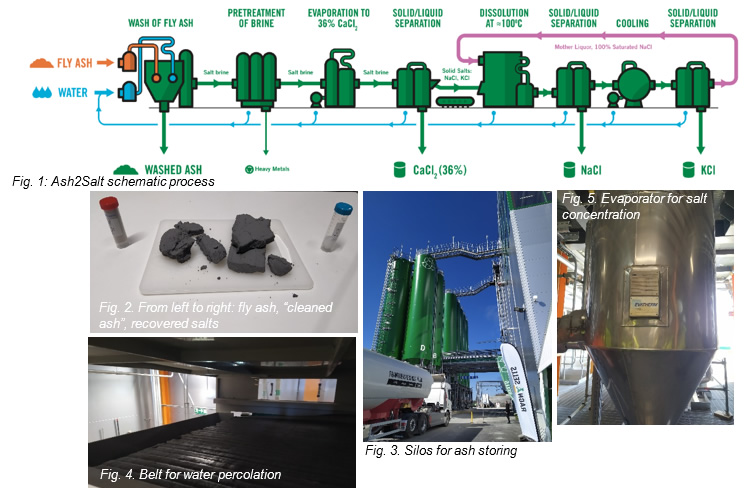
Research and development
Ammonia losses to air from livestock and combustion
Isotopic analysis distinguishes ammonia air emissions from agriculture from combustion emissions, suggesting that around half are in Europe are from farming (fertilisers, animal wastes) and around half from combustion. The authors distinguish “v” ammonia emissions to air (volatilisation from fertilisers, fertilised and natural soils, animal wastes, water) from “c” emissions (combustion of fossil fuels or biomass). The authors compared the data for different N-isotopes in the ambient atmosphere (a), atmospheric particulates (p) and precipitation (w) for East Asia, Europe and North America. Comparison of ratios enables estimation of volatilised ammonia “v” (assumed by the authors to be mainly related to agriculture) and combustion ammonia “c”. They conclude that around 51%, 54% and 60% of ammonia losses to air are from volatilisation “v” in Europe, North America and East Asia respectively, but with margins of error of +/- 20%. They thus conclude that ammonia emissions are generally significantly underestimated.
“Significant contributions of combustion related sources to ammonia emissions”, Z-L. Chen et al., Nature Communications (2022) 13:7710, DOI.
Black soldier fly for wastewater resource recycling
Innovative process (patented) enables cultivation of black soldier fly (BSF) larvae in liquid, so coupling treatment of high organic carbon wastewaters and valorisation of nutrients and carbon. BSF are already commercially cultivated on solid organic wastes, to produce proteins, lipids, aquaculture feed and organic fertilisers (see Protix at SOFIE2). The fly larvae cannot normally survive in a liquid medium. The patented process overcome this by providing an inert physical support for larvae mobility: diving for eating and re-emerging for breathing. The process has been successfully tested to date at lab scale (0.15 l, 180 cm2 surface area) using synthetic wastewaters and real wastewaters, including food processing wastewaters, landfill leachate. This suggests that the larvae need at a minimum organic carbon level in the feed wastewater to ensure sufficient food. Results (not yet published) suggest that the larvae system can remove c. 80% of nitrogen and 50% of phosphorus from waste water with initial levels c. 150 mgN/ and 16 mgP/l. After depletion of carbon and nutrients in the wastewater by the fly larvae, treatment can be completed with conventional technologies, while larvae are separated and recovered.
“The treatment of leachate using Black Soldier Fly (BSF) larvae: Adaptability and resource recovery testing”, V. Grossule et al., 2020, J. Environ. Manage. 253, 109707, DOI.
“Treatment of wastewater using black soldier fly larvae , under different degrees of biodegradability and oxidation of organic content”, V. Grossule et al., 2022, J. Environ. Manage. 319, 115734, DOI.
“Treatment of wastewater using Black Soldier Fly larvae: Effect of organic concentration and load”, V. Grossule et al., 2023, J. Environ. Manage. 338, 117775, DOI.
Overview of agricultural P loss challenges
8-page layperson’s summary update article explains farm P-losses are today key to surface water quality problems (eutrophication), discusses challenges of soil Legacy-P and possible solutions. Agricultural phosphorus losses are today the main cause of major eutrophication problems in the US/Canada Great Lakes, the Mexico Gulf Dead Zone and in many other lakes in North America, because wastewater treatment plant discharges have been now mostly addressed. At the same time, uptake of applied phosphorus in the first crop season is <20% global average and P-losses linked to soil erosion are a major route for phosphorus resource depletion (Alewell et al., 2020). The challenge is that P applied tends to bind in soils, so is not readily crop available, whereas many crops need P rapidly (e.g. half of maize’s P requirement is after flowering). But when P is applied up to levels such that it is readily available, then it tends to be lost in surface runoff or drainage with rainfall. On the other hand, P applied in the past and bound in soil (Legacy-P) slowly becomes available, so can contribute to today’s P-losses. Illinois, an intensive agriculture State, has a negative P balance over recent decades, but P losses continue as soil Legacy-P shows a “lag time”. Solutions discussed include not only appropriate P application (fertiliser, manure …), but also improving soil P testing and linked P application recommendations, phosphorus trap using specific underground filter structures, streambank buffer vegetation, cover crops, biostimulants to improve crop P uptake and fertilisers which release P according to plant needs (e.g. struvite).
“Blue Waters, Green Fields. Going Beyond BMPs and 4Rs to Control Future Phosphorus Loss to the Environment”, S. Windsor, Crops & Soils Magazine (American Soc. Agronomy) Jan-Feb 2023 DOI.
Benefits of Legacy Phosphorus
Incubation and pot trials demonstrate how P accumulated in soil, by long-term P fertilisation, improves effectiveness of further P-fertiliser application for crops, and underlines need to consider buffering capacity in soil P testing. Soil with different levels of “Legacy-P” was simulated by incubating low-P soil, with high buffering capacity, from West Bengal, India, at 70°C for 30 days in soluble P solutions 0 – 5000 mgP/kg soil. This is estimated to be equivalent to five years at 20°C. A second incubation in 0 – 1000 mgP/kg soil showed no further modification of P levels in the simulated Legacy-P soils, indicating that P had stably reacted with the soil. The five legacy P soils showed increases of Olsen-P up to nearly 2000 mg/kg (then divided b 1/5 in the pots, see below). Pot trials using the simulated Legacy-P soil (20% mixed with 80% non-incubated soil = without Legacy-P) and mustard (Brassica campestris) showed that plant growth responded much more to fertiliser addition (c. 0 – 200 mgP/kg soil), that is the maximum fertiliser dose was needed to achieve maximum plant growth in the soils without Legacy-P, whereas the lowest fertiliser does (50 mgP/pot) was sufficient in the pot with the highest Legacy-P. The authors conclude that Legacy-P is shown to be beneficial in improving crop response to fertiliser, effectively be preventing/reducing fixing of fertiliser P onto soil buffering sites. They underline that their results show that soil tests such as Olsen-P tend to underestimate the effectiveness of P-fertiliser application, because they involve increasing soil pH, and that P-fertilisation can be better planned if the soil P test is combined with measurement of soil buffering capacity (e.g. method Burkitt et al. 2022 or other).
“Evaluating the benefits of legacy phosphate”, N. Barrow et al., Plant Soil (2022) 480:561–570, DOI.
Stay informed
SCOPE Newsletter: www.phosphorusplatform.eu/SCOPEnewsletter
eNews newsletter: www.phosphorusplatform.eu/eNewshome
If you do not already receive ESPP’s SCOPE Newsletter and eNews (same emailing list), subscribe at www.phosphorusplatform.eu/subscribe
LinkedIn: https://www.linkedin.com/company/phosphorusplatform
Slideshare presentations: https://www.slideshare.net/phosphorusplatform
Twitter: @phosphorusESPP
YouTube https://www.youtube.com/user/phosphorusplatform
ESPP members
Newsletter about nutrient stewardship - European Sustainable Phosphorus Platform (ESPP)
Please subscribe www.phosphorusplatform.eu/Subscribe
Link to www.phosphorusplatform.eu/eNews074
Download as PDF
White Ammonia – Nitrogen Recovery
1st White Ammonia Research Meeting (WARM) - 7th June 2023
Call for nominations of nitrogen recovery science papers
ESPP moving forward on Nitrogen Recovery
Consultations, calls, surveys
EU public consultation on Critical Raw Materials
EFSA call for scientific experts
Open and upcoming Horizon Europe research funding calls related to nutrients
IFS survey on definition of “plant nutrient”
Looking for “best of” science publications on Nitrogen Recovery
Call for experts for EU Fertiliser Market Observatory
EU (Strategic and …) Critical Raw Materials Act (CRM)
Phosphate Rock and P4 stay on EU Critical Raw Materials List
JRC Foresight Report on materials for strategic technologies
SCRREEN2 Fact Sheet
Policy
United Nations adopts 50% nutrient loss reduction target
Sewage plants are currently incompatible with small river & stream water quality
Summary of 15th CRU Phosphates conference
ESPP new member
European Biochar Industry Consortium (EBI)
Research
IFS webinar debate on definition of “plant nutrient”
Vegan diets require lower N, P and K fertiliser inputs
Phosphorus Use Efficiency (PUE) is improving in China but is still low
Phosphorus uptake controls plant response to increased atmospheric CO2
Nutrient recycling
Lex4Bio survey on “Bio-Based Fertilisers”
EasyMining LIFE RE-Fertilize N-recovery webinar
Implementation of German sewage P-recovery obligation
Phosphorus in sewage sludge incineration ash (SSIA) is not short-term plant available
Phosphorus uptake from nine secondary materials and P extraction methods
Freeze concentration to concentrate digestate RO liquor
Stay informed
ESPP members
White Ammonia – Nitrogen Recovery
1st White Ammonia Research Meeting (WARM) - 7th June 2023
ESPP is organising a first White Ammonia and N-recovery Research Meeting (WARM) in Brussels and hybrid, Wed. 7th June 2023 (plus nitrogen recovery site visit 6th June). This will showcase research and innovation into nitrogen recovery and make links from EU R&D policy to industry implementation.
This is within EU Green Week, Brussels, and back-to-back to the 6th NH3 Event (& 6th Power to Ammonia conference), Europe’s biggest ammonia event, Rotterdam 8-9 June 2023 (one hour train from Brussels).
Details coming soon on http://www.phosphorusplatform.eu/events
Call for nominations of nitrogen recovery science papers
ESPP is preparing a SCOPE Newsletter special presenting the “best of” of recent scientific papers or reports on Nitrogen Recovery and Recycling. This will summarise a selection of around 25 scientific publications for the last few years, similar to SCOPE special editions on climate change – eutrophication links (n°137) or phosphorus sustainability (n°128).
Selection will target papers representing significant knowledge progress in N-recovery, both technical recovery (N recycling to industry or fertilisers) and biological or other N recycling routes, in particular: operating experience at full/pilot scale or innovative technologies leading to N-recovery in a form likely to be a marketable product.
Please send copies of or links to papers you suggest should be included, your own or other authors’, to .
ESPP moving forward on Nitrogen Recovery
ESPP is establishing a Start-Up Steering Committee to take forward actions on nitrogen recovery and recycling. First meeting online 29th March. Persons interested to engage are invited to contact This working committee will function by online and/or physical meetings and email.
ESPP has also completed the detailed summary of the 19th January Nitrogen Recovery Workshop, published as SCOPE Newsletter n°145 with summaries of presentation and discussions, and key facts on the different nitrogen recovery technology providers.
Consultations, calls, surveys
EU public consultation on Critical Raw Materials
Consultation open to 16th May 2023 for public input on draft EU Critical Raw Materials Act, covering Critical and Strategic Raw Materials Lists, including phosphate rock and P4 – details see article below. Consultation here.
EFSA call for scientific experts
EFSA (European Food Safety Authority) call for candidates for its scientific panels and committee, including BIOHAZ (Biological Hazards), the committee dealing with safety of animal by-products use in fertilisers and animal feeds. The call is open for scientists to 3 April 2023.
EFSA “Call for Expressions of Interest for Membership of the Scientific Panels and the Scientific Committee of EFSA 2023” HERE
Open and upcoming Horizon Europe research funding calls related to nutrients
Several open and upcoming Horizon Europe calls concern nutrients, in particular soon-to-open calls on N and P regional boundaries and recycled nutrient fertilising products (first deadline February 2024). In December 2022, the European Commission adopted the 2023-24 work programme of Horizon Europe – the EU’s funding for research and innovation.
At the moment, ten calls open are related to nutrients. One call, closing soon on 23rd March 2023, aims at developing EU advisory networks on the optimal fertiliser use, while other calls with a submission deadline on the 28th March 2023 are focused on benefits of leguminous crops and their contribute to reducing the EU’s dependency on imports of nitrogen fertilisers and protein crops for feed, sustainable and circular management and use of water resources, including nutrient recovery, and innovative solutions in agriculture for water availability and quality. Two stages calls belonging to the “Clean environment and zero pollution” topic, first stage closing on 28th March 2023, are open on manure use to mitigate GHG emissions and minimize nutrients/contaminants dispersion in the environment and bio-based platform chemicals, additives, materials or products. On the 12th April 2023, five calls indirectly related to nutrients will close, dealing with strategies to improve yields in organic cropping systems, activities for the European Partnership Water Security for the Planet (Water4All), sustainable production of renewable energy at farm-level and urban farming impacts.
Particularly relevant calls for nutrient research will open on 17th October 2023, with a (first) submission deadline 22nd February 2024 (both one- and two-stage calls):
- respecting safe ecological and regional nitrogen and phosphorus boundaries,
- recovered / recycled fertilising products from secondary raw materials,
- irrigation practices and technologies in agriculture, including potential of sewage sludge and other biowaste streams, ensuring high agronomic efficiency of the nutrients they contain,
- inputs in organic farming,
- nutritional value of animal feed under different production management conditions,
- decentralised approaches for water and wastewater management,
- monitoring of water quality in urban areas,
- technologies for preventing and controlling pollution from bio-based industries.
ESPP is interested to support networking, dissemination and communication activities. Please contact Veronica Santoro for more information and possibilities (). See our ESPP list of running and finished EU and national funded nutrients research projects.
ESPP research activities and ESPP nutrient related R&D project list www.phosphorusplatform.eu/R&D
IFS survey on definition of “plant nutrient”
See article below. Survey open HERE.
Looking for “best of” science publications on Nitrogen Recovery
See above and HERE
Call for experts for EU Fertiliser Market Observatory
European Commission (DG Agriculture) call for experts to participate in EU Fertilisers Market Observatory as a group of experts on availability and affordability of fertilisers, following the Commission Communication on fertilisers supply and price (November 2022, see ESPP eNews n°72). Candidates should be representatives of organisations representing stakeholders of at least 10 EU Member States active in the fertilisers supply chain. The Observatory will have up to 20 members and will play a consultative role, providing the Commission with advice and expertise on factors impacting the fertilisers market and market developments.
“Commission calls for applications to join the upcoming EU Fertilisers Market Observatory”, 16th march 2023. Deadline: 4th April 2023 HERE
EU (Strategic and …) Critical Raw Materials Act (CRM)
Phosphate Rock and P4 stay on EU Critical Raw Materials List
But the proposed CRM Act defines two levels of importance: “Strategic” and “Critical”. Strategic are related to electronics. New targets and tools are proposed for these, but not for “Critical”, so not for Phosphate Rock or P4.
The Act is a proposed EU Regulation, published 16th March 2023, which is now open to public consultation until 16th May 2023 then will go to the European Parliament and Council for discussion and possible amendment and modification before adoption.
The “Strategic Raw Materials” are defined as those needed for (Preamble §4) “strategic technologies underpinning the green and digital transitions or for defence or space applications” and are listed in Annex I (16 materials, all metals or related elements). These are a subset of 34 Critical Raw Materials (CRMs) listed in Annex II and defined as (Preamble §5) “all strategic raw materials as well as any other raw materials of high importance for the overall Union economy and for which there is a high risk of supply disruption” and are listed in Annex II. Both lists will be reviewed every four years.
“Phosphate Rock” and “Phosphorus” (meaning P4/derivatives) are maintained in this proposed 5th CRM list, which now includes 34 materials, increased from 30 in the 4th CRM list (2020, see ESPP eNews n°48). Arsenic, helium, copper, nickel (battery grade) and feldspar* are added; natural rubber is deleted. However, they are not included in the subset of 16 Strategic Raw Materials (SRMs).
|
The proposed EU Critical Raw Materials Regulation and its annexes include “Phosphorus” and “Phosphate Rock” as CRMs, but provide no definition of these terms. Similarly for the previously published updates of the CRM List. A recent definition can be found in the SCCRREEN Factsheet (see below) as follows: |
|
|
CRM “Phosphate Rock” |
CRM “Phosphorus” |
|
“In effect covering phosphorus P in different forms in fertilisers, animal feed, chemicals and other uses.” |
“Referring to elemental phosphorus P4, often known as white phosphorus.” |
|
ESPP comment: around 95% of global phosphate rock use is for agriculture, of which around 90% for fertilisers. |
ESPP comment. P4 is produced from phosphate rock in specific furnaces. P4 production is <2% of phosphate rock use. The EU today has no P4 furnace and depends entirely on imports. See SCOPE Newsletter n°136 |
The Commission’s proposals for the SRM (Strategic) list are indicated to be based on the new JRC Foresight Report (2023), see below. It is therefore very surprising that the essential role of P4 derivatives for electronics, batteries, renewable energy is not recognised and that “Phosphorus” is not included in the list of Strategic Raw Materials.
White Phosphorus (P4, referred as “Phosphorus” in the EU CRM documents) is necessary for battery electrolytes, microchip etching, semiconductors, fire safety, all of which are essential for the “Strategic” sectors of green energy, digital and aerospace. Indeed, “Phosphorus” is identified in the accompanying JRC Foresight Report, as used in batteries, photovoltaics, hydrogen iron/arc furnaces, laptops/smartphones and space/satellites and as having high supply risk (see below).
As per ESPP’s input to the public consultation in November 2022 (HERE), ESPP notes that food materials are excluded from the definition of CRMs but we regret that the proposed CRM Act does not recognise the important links between CRMs and food security. This could be achieved by indicating in the proposed CRM Act the links to the Commission Communication on Fertilisers price and supply (see ESPP eNews n°72).
The proposed CRM Regulation sets out actions to be engaged, at either EU or Member State levels. As written, it seems that some of these actions apply to all Critical Raw Materials, and some only to Strategic Raw Materials (this could be modified by Parliament/Council).
|
Art: |
Actions proposed for STRATEGIC SRMs only |
|
1 |
EU targets for production of raw materials (extraction: 10% of EU consumption), processing (40%), recycling (15%), supply diversification (no country > 65% of supply) |
|
5 - 17 |
“Strategic Projects”: expected to make a meaningful contribution to EU supply of SRMs |
|
24 |
Possibility of EU-level joint supply purchasing systems. |
|
Art: |
Actions proposed for ALL CRMs |
|
18 |
Each MS to define national exploration programmes |
|
19 |
EU-level monitoring of supply risk, covering: trade flows; demand and supply; concentration of supply; Union and global production and production capacities at different stages of the value chain … Stress test at least every three years, considering supply chain, processing and recycling, alternative sources |
|
25 |
Each Member State to adopt a national programme to increase collection of waste with high CRM recovery potential and ensure appropriate recycling, increase re-use, increase use of secondary raw materials including by taking recycled content into account in public procurement. National systems may include financial incentives. The Commission will adopt a list of waste streams considered as having high CRM recovery potential. |
|
26 |
Inventory and feasibility assessment of potential recovery of CRMs from “extractive wastes”. As currently written, ESPP suggests that this will not apply to phosphogypsum stacks, as these are processing waste, not from “extractive” industries (as defined in 2006/21/EC). |
|
30 |
The Commission is empowered to adopt Environmental Footprint calculation rules and sustainability certification schemes for CRMs. |
|
33 |
Strategic partnerships between the EU and third party countries for CRM supply. |
Definitions
The proposed Regulation includes a considerable number of definitions. Although these are “for the purposes of this Regulation”, they may pose jurisprudence. As well as some unexpected definitions (e.g. tumble dryer, dishwasher …), the definitions include:
- Reserves: all mineral occurrences that are economically viable to extract.
- Raw material: a substance in processed or unprocessed state used as an input for the manufacturing of intermediate or final products, excluding substances predominantly used as food, feed or combustion fuel.
- Recycling: any recovery operation by which waste materials are reprocessed into products, materials or substances whether for the original or other purposes.
- Recovery: any operation the principal result of which is waste serving a useful purpose by replacing other materials which would otherwise have been used to fulfil a particular function, or waste being prepared to fulfil that function, in the plant or in the wider economy.
JRC Foresight Report on materials for strategic technologies
Forecasts for EU material demand and supply risks for strategic technologies. “Phosphorus” (P4) is cited for all five sectors and as supply-critical. This seems to include misunderstandings, but other essential uses of P4 are missing. The report covers 15 technologies in five strategic sectors: renewable energy, e-mobility, industry, information & communications technology (ITC) and aerospace/defence. P4 is identified as used in lithium ion batteries, solar photovoltaics (PV), hydrogen direct reduced iron and electric arc furnaces (H2-DRI), smartphones – laptops and space launchers – satellites. Phosphate rock is identified as used in data transmission networks.
The report identifies ‘Phosphorus’ (P4) as the raw material with the highest supply risk for batteries and for H2-DRI (p. 20, p77) and amongst the 15 with highest supply risk for data storage & servers, PV, smartphones-laptops and space-satellite, with 79% of production in China (p.76. Note: JRC indicated 87% in the P4 MSA 2021, see ESPP eNews n°58). However, the need for P4 in batteries seems to be based on the error that P4 is needed to produce lithium iron phosphate for LFP batteries (to ESPP’s understanding, this is incorrect: battery grade LiFePO4 can be and already is today produced via purified merchant-grade phosphoric acid, see SCOPE Newsletter n°136). The JRC Foresight Report further suggests that LFP batteries will compete with fertiliser production for phosphate rock (this is referenced to only one P-rock mine project company’s promotion, Epstein 2022). Not only is this largely wrong (see summary of CRU Phosphates 2023 below), it also suggests the report is confusing “Phosphate Rock” with “P4”. P4 is however a necessary input to produce lithium hexafluorophosphate (LiPF6), which is cited in the Foresight Report for batteries (electrolytes) and tablets-laptops.
The Report also notes (p.90) that P4 is increasingly essential for fire safety, under data storage and servers, stating “increasing move to green materials and chemicals … Phosphorus flame retardants (PFRs) are often proposed as alternatives to brominated flame retardants (BFRs)”. Flame retardants are also needed in smartphone-laptops, but – without explication nor coherence – the Report apparently does not consider the need for phosphorus in fire safety for wind turbines, photovoltaics, heat pumps, space-satellites, 3D-printing …
Gallium indium phosphide and indium phosphide, which do need P4 for their production, and which are used in semiconductors, are cited as needed for photovoltaics and data storage. Other essential uses of P4 in the considered technologies are not cited, in particular thermal phosphoric acid for micro-chip etching, and phosphine for semi-conductor doping (partial modification of Si to P in semiconductors).
Phosphate rock is indicated as needed for data transmission networks, but for no other technology (p84), with no explanation (p.81), but P4 is not cited whereas it is used in fire safety of cables, semiconductors, microchips. Again this suggests that the Report is confusing these two CRMs.
Overall, the designations of which technologies require “Phosphorus” (meaning P4/derivatives) and “Phosphate Rock”, and why, are largely unexplained, often incoherent, and in some cases seem to be based on erroneous information and confusion between these two CRMs. Despite this, and even more so when considering the essential uses of P4 which are not cited or only partly taken into account (chip etching, fire safety, semiconductor doping), the Foresight Report identifies P4 as needed for all the strategic sectors and a significant number of the technologies, and as one of the materials with the highest supply chain risk (this is certain: no production of P4 in the EU, and import dependency on three countries: China, Vietnam and Kazakhstan).
ESPP therefore considers it very surprising that the CRM “Phosphorus” (P4 and derivatives) is not included in the proposed list of EU Strategic Raw Materials, see above.
SCRREEN2 Fact Sheet
Published SCRREEN2 input to CRM Act confuses the two CRMs ‘Phosphorus’ (P4) and ‘Phosphate Rock’ and contains various errors. ESPP had understood that the EU-funded SCRREEN2 project (3 million € EU money, led by the French Atomic Energy Commission CEA), was supposed to deliver input information to support the update of the CRM List, in the form of SCRREEN2 CRM “Factsheets”. The project has apparently failed to do this in time for Phosphate Rock and P4 in that the draft Factsheet (not dated, online 19th March 2023) contains various errors suggesting a lack of relevant understanding (e.g. sodium is cited as one of the three main plant nutrients p.16) and confuses the CRM “Phosphate Rock” with “Phosphorus” (P4) by treating both in the same Factsheet. The separation into two Factsheets of the two CRMs Phosphate Rock and P4 was requested, but is apparently not done in time to input to the CRM Act. Also, the authors do not seem to understand the chemical difference between “phosphate” and “phosphorus”: on p.26 phosphate is calculated to have the molar weight of the element phosphorus. ESPP pointed to such problems already at SCRREEN workshops and in letters in July and September 2022 (see HERE). Many comments are not taken into account in this draft Factsheet. This failure of SCRREEN may explain the apparently confused treatment of P4 in the JRC Foresight Report.
* Feldspar: a naturally occurring alumino-silicate mineral, source of alumina for e.g. glassmaking, ceramics.
European Commission Critical Raw Materials web page:
https://single-market-economy.ec.europa.eu/sectors/raw-materials/areas-specific-interest/critical-raw-materials_en
European Commission press release, 16th March 2023 IP_23_1661 “Critical Raw Materials: ensuring secure and sustainable supply chains for EU's green and digital future” – includes links to Commission Communication, FAQ, etc. https://ec.europa.eu/commission/presscorner/detail/en/ip_23_1661
Proposed EU Critical Raw Materials Act, COM(2023)160, 16th March 2023 https://single-market-economy.ec.europa.eu/publications/european-critical-raw-materials-act_en
JRC Foresight Report 2023 “Supply chain analysis and material demand forecast in strategic technologies and sectors in the EU – A foresight study”, S. Carrera et al., ISBN 978-92-68-00339-8 (266 pages) https://publications.jrc.ec.europa.eu/repository/handle/JRC132889
SCRREEN2 (“Solutions for CRitical Raw materials - a European Expert Network 2) draft FactSheets https://scrreen.eu/crms-2023/
Public consultation open to 16th May 2023 https://ec.europa.eu/info/law/better-regulation/have-your-say/initiatives/13597-European-Critical-Raw-Materials-Act_en
Policy
United Nations adopts 50% nutrient loss reduction target
The COP15 Kunming-Montreal convention Global Biodiversity Framework, December 2022, includes the target to reduce nutrient losses by 50% by 2030, that is the same nutrient loss reduction target as the EU Green Deal (Farm-to-Fork and Biodiversity Strategies, both May 2020, see SCOPE Newsletter n°139). Target n°7 of Global targets for 2030 aims to reduce all pollution to levels not harmful to biodiversity and ecosystems and specifies “reducing excess nutrients lost to the environment by at least half, including through more efficient nutrient cycling and use” as well as reducing by 50% risks from pesticides and hazardous chemicals and addressing plastic pollution.
United Nations Convention on Biological Diversity, decision adopted 7-19 December 2022 Kunming-Montreal Global Biodiversity Framework https://www.cbd.int/doc/decisions/cop-15/cop-15-dec-04-en.pdf
Sewage plants are currently incompatible with small river & stream water quality
Statistical analysis suggests that sewage works discharge flow > 6.5% of low flow* of small rivers and streams means likely failure to achieve Good Quality Status required by the EU Water Framework Directive. The correlation is not found in larger rivers (Strahler order >3). Nearly 60% of the 1.7 million km of Europe’s rivers and streams are not in Good Ecological Status, usually as a consequence of multiple pressures. The correlation between higher proportion of (low) flow from sewage works discharge to quality status failure held for smaller rivers and streams held not only for the EU overall, but also for 7 out of 10 of the largest catchments (not for the Rhône catchment) and to some extent for all of 6 river types. Across Europe, 82% of length of smaller rivers and streams were not in Good Ecological Status. A maximum recommended discharge / river Q10* low flow ratio of 6.5% was derived, based on 50% probability of achieving Good Quality Status. If 90% probability of Good Quality Status was targeted, this would result in a ratio of 12%. Nearly 60% of segments of small rivers and streams in Europe today exceed the 6.5% ratio and this concerns 9 700 of the EU’s 26 500 sewage works (mainly smaller sewage works: 2/3 < 10 000 p.e.). These sewage works are distributed across the UK, but >80% of sewage works exceed the 6.5% ratio in Bulgaria, Cyprus, Greece, Hungary, Netherlands, Portugal and Spain. Solutions to mitigate discharges to smaller rivers and streams include re-routing discharge to larger rivers, additional wastewater processing, appropriate re-use of wastewater or restoration of ecosystems.
* 10% quartile low flow
“Are waste-water treatment plants failing to protect the ecological health of European streams?”, EU Commission Science for Environment Policy n°595, 15th February 2023 https://environment.ec.europa.eu/news/are-waste-water-treatment-plants-failing-protect-ecological-health-european-streams-2023-02-15_en
“Why wastewater treatment fails to protect stream ecosystems in Europe”, O. Büttner et al., Water Research 217 (2022) 118382 https://doi.org/10.1016/j.watres.2022.118382
Summary of 15th CRU Phosphates conference
Phosphates 2023 took place in Istanbul, 27th February – 1st March 2023, with 370 participants, 50 industry stands and nearly 30 technical presentations. Ludwig Hermann, for ESPP, presented European policy perspectives.
Humphrey Knight, CRU, summarised market challenges of 2022: prices hit a 15-year high, resulting in a significant drop in demand. Despite high crop sales prices, phosphate fertiliser affordability was unfavourable. Demand for high-grade rock fell more than for low-grade rock. With the fall in demand for phosphate fertilisers, industry thus managed to ride through major supply disruptions. China’ exports fell by nearly 50% in 2022, and may remain reduced as the country’s priority turns to national supply. Contrary to initial expectations, Russia was able to continue exporting fertilisers, but showed a considerable decrease in exports of high-grade phosphate rock comparable to other high-grade rock suppliers. Price and supply challenges are expected to become less acute in 2023.
Technical presentations particularly addressed speciality fertilisers and sustainability. Ravi Hiremath, Solvay, presented a chemical additive (ACCO-PHOS) to chelate cadmium, copper, arsenic and other metals out of phosphoric acid, so enabling producing of fertilisers with low heavy metal levels. Michael Meyer, EasyMining, presented the Ash2Phos process to recover phosphorus as high-quality calcium phosphate from sewage sludge incineration ash. Agnes von Garnier, Collin Bartlett and Hannes Storch, Metso Outotec, presented a process to recover sulphuric acid from phosphogypsum stockpiles, to address the expected shortfall in sulphuric acid supply when supply from oil refineries slows down. Hadrien Leruth, Prayon Technologies, presented the GetMoreP and Ecophos processes, as routes to upgrade secondary phosphorus sources, low grade phosphate rock or phosphate mine tailings to dicalcium phosphate.
Sam Adham, CRU, discussed expected future development of Lithium Iron Phosphate (LFP) batteries, as a lower cost alternative to Lithium Ion. Phosphate rock consumption for LFP battery cathode production is disproportionally high due to very high purity requirements. This could be balanced by co-production of merchant grade phosphoric acid carrying the impurities that have been removed from LFP grade. Demand for phosphate rock for LFP production is expected to reach 4 – 5 Mt/y (rock) per year in coming decades, compared to current total world production of around 200 Mt/y of phosphate rock (see ESPP FactSheet).
Several phosphate rock mining projects were presented, in Europe (Norge Mining, Stavanger Region, Norway), South Africa (Schiel Phosphate Mining Project, Limpopo Province), Canada (First Phosphate, Quebec) and Australia (Verdant Minerals and Arianne, both in the Northern Territories). Most of them target high grade resources suitable for LFP batteries and other industrial uses.
15th CRU Phosphates Conference (2023)
The 16th CRU Phosphates Conference will take place in Warsaw, Poland, 26-28 February 2024
https://events.crugroup.com/phosphates/home
ESPP new member
European Biochar Industry Consortium (EBI)
 EBI is the voice of leading players in the rapidly developing European biochar industry. EBI supports biochar as a high-potential solution for phosphorus recycling (from sewage sludge and certain animal by-products), carbon mitigation, and agricultural soil improvement. For a broad range of feedstocks, particularly those where contaminants or sanitary safety pose challenges, such as sewage sludge or certain animal by-products, pyrolysis enables a circular economy. By increasing awareness of the benefits of biochar and advocating for science-backed regulations and industry standards, EBI is working towards developing the European biochar industry into an important and established sector. The overall aim is to contribute to Europe’s fight against climate change. The sector development is already in process, by end of 2022, the EU had 130 installations, producing around 53 000 t/y of biochar. See EBI Market Report here. EBI has 83 members, who are pyrolysis plant owners and operators, users, system and technology providers. Depending on the process and input materials, which can include plant-based, non-plant-based and waste streams, biochars can be used in animal feed, air, soil and water purification (activated carbon), as well as fertilisers or soil improvers. Moreover, the market potential of biogenic carbon-based construction materials and polymers obtained through pyrolysis is growing fast. By becoming a member of the ESPP, EBI finds an important ally in advancing nutrient recovery and waste stream valorisation, including pyrolysis as a treatment path for residues like sewage sludge and work towards a circular economy as well as the creation of quality carbon removals. EBI has recently launched advocacy to request that the European Commission revisit the current exclusion of sewage sludge biochar from the Fertilising Products Regulation (CMC14). The position paper is based on a reassessment of recent data showing that pharmaceuticals, microplastics and PFAS are eliminated in pyrolysis under appropriate conditions (see ESPP eNews n°73).
European Biochar Industry Consortium (EBI) www.biochar-industry.com
EBI European Biochar Market report 2022/2023 HERE
Research
IFS webinar debate on definition of “plant nutrient”
International Fertiliser Society webinar proposed a new definition of a “plant nutrient”, aiming for a wider concept of “one nutrition”, following 2022 concept paper from scientists and industry (IFA). A survey is now open for input. The authors suggest that current definitions of “plant nutrient” are widely interpreted to mean that the nutrient must be essential for all plants, whereas science is today showing that a number of elements can improve plant growth and development, where this was not previously recognised (e.g. silicon, iodine), or may be only essential for some crops in some conditions (e.g. aluminium for certain tea varieties, sodium for some species). The authors note that US regulation currently defines a plant nutrient as being “essential for normal growth of plants” but does not specify for all plants*.
The authors propose as a new definition “A mineral plant nutrient is an element which is essential or beneficial for plant growth and development or for the quality attributes of the plant or harvested product, of a given plant species, grown in its natural or cultivated environment”.
They call for a consensus agreement on a new definition of “Plant Nutrient”, suggesting that this process should bring together scientists, industry and regulators. ESPP suggests that this is the logical remit of standardisation (ISO). The authors also suggest that a global body should be established to periodically review evidence as to which elements can be considered to meet the new definition under which conditions.
ESPP notes that the International Standardisation Organisation (ISO) has fixed a clear and simple definition of Plant Nutrient: “substance that is essential or beneficial for plant growth” (ISO 8157:2022 Fertilizers, soil conditioners and beneficial substances — Vocabulary).
ESPP also notes that the EU Fertilising Product Regulation (FPR) uses the term “nutrient” but does not include a definition for it. However, the FPR does in effect specify a limited list of recognised nutrients, in that it defines a Macronutrient fertiliser (cf. PFC1(C)(I)(a)(ii)) as providing N, P, K, Ca, Mg, Na or S and a Micronutrient fertiliser (PFC1(C)(II)) as providing B, Co, Cu, Fe, Mn, Mo, Zn.
* Source: AAPFCO “Official Publication” n°76, 2003, which indicates as the definition for “Secondary Nutrient (T-9, page 94) “those other than the primary nutrients that are essential for the normal growth of plants and that may need to be added to the growth medium …”
IFS (International Fertiliser Society) webinars: https://fertiliser-society.org/product-category/recordings-and-webinars/webinars/
“What is a plant nutrient? Changing definitions to advance science and innovation in plant nutrition”, P. Brown, F-J. Zhao, A. Dobermann, Plant Soil (2022) 476:11–23 https://doi.org/10.1007/s11104-021-05171-w
IFS webinar “A new definition of ‘Plant Nutrient’ and its implications for fertilizer regulations globally”, 22nd February 2023 https://fertiliser-society.org/ifs-events/2023-ifs-technical-webinar-programme/
Survey open: https://docs.google.com/forms/d/e/1FAIpQLSfxAqeOSMCwfszUov9PXv78zdFqd7Dz8ONf_jdvcfH9tDw3wA/viewform
Vegan diets require lower N, P and K fertiliser inputs
Fertiliser requirements are calculated for vegan vs. omnivore diet, with different animal feed use efficiency, crop use efficiency and recycling rates. Overall results are presented as total mass of fertiliser, but calculations are presented separately for N, P and K. Key influencing parameters are identified as: livestock feed use efficiency (IFE), fraction of animal manures reaching and taken up by crops (depending on manure and agri-food waste recycling / reuse scenarios, and crop use efficiency) and N-loss during composting of manures and food wastes. It is underlined that in intensive livestock systems not all manure is returned to land (e.g. China only 35-75% of livestock manures returned to land, Ma 2010, Hou 2013) or manure may be applied in excess to some land or not distributed usefully on land*. The authors conclude that estimates of fertiliser requirements vary widely depending on the coefficients used for these different efficiency factors. With a relatively high hypothesis of 70% of return and uptake of manure by crops, an omnivore diet would require (table 5) 12 – 120 x more P-fertiliser than a vegan diet and 5 – 30 x more N-fertiliser. These estimates compare to estimates published by other authors of 20 – 36 x for P and 6 – 13 x for N. The authors note that Van Kernebeek 2016 estimated that including some meat in diet would be optimal, but that this assumes that livestock and animal feed crops are produced on marginal land and that there is no competition for this land space for other uses (e.g. energy crops).
* ESPP notes that it is nearly inevitable that manure will not be appropriately distributed even in extensive livestock systems, because animals tend to concentrate excretion at feeding, drinking or rumination points – see Kreuzer in SCOPE Newsletter n°131.
See also Lancet Commission, Springmann et al. in ESPP eNews n°48
“Savings in fertilizer requirements from plant-based diets”, L. Harvey, Resources, Conservation & Recycling 190 (2023) 106820 https://doi.org/10.1016/j.resconrec.2022.106820
Phosphorus Use Efficiency (PUE) is improving in China but is still low
Despite improvements, China still has low PUE (c. 40% national average) and significant phosphorus surplus (over 25 kgP/ha), with high regional variations. Both PUE and surplus are however improving since around 2005 – 2015. Phosphorus flow analysis is based on data for crop yields, straw, livestock, fertiliser and cultivated areas for Chinese official data, FAO and literature. Assessment was made at the national level for 1990 – 2018 and at the provincial level (grouped into seven regions) for 2005 – 2018. Around 7.5 MtP/y were input to China’s farmland over this period, of which c. 80% in mineral fertiliser, whereas the average output was <3 MtP/y. Higher phosphorus use efficiencies (PUE) in the North East China probably correspond to climates with rainfall, allowing organic matter accumulation in soil. Lower PUE and soil P accumulation (P-surplus) correspond to intensive crop production regions with high fertiliser use. The authors conclude that China crossed the Kuznets curve for phosphorus in 2007, with use efficiency improving and environmental losses decreasing since then, but that China still has one of the highest fertiliser inputs in the world, and phosphorus use efficiency relatively low, and suggest the need for regionalised policies to improve PUE and reduce agricultural phosphorus surpluses.
“Phosphorus use efficiency has crossed the turning point of the environmental kuznets curve: Opportunities and challenges for crop production in China”, W. Shen et al., J. Environmental Management 326 (2023) 116754 https://doi.org/10.1016/j.jenvman.2022.116754
Phosphorus uptake controls plant response to increased atmospheric CO2
Meta-analysis of 111 studies shows that effects of elevated carbon dioxide (eCO2) on plant biomass are best explained by plant phosphorus uptake and that eCO2 modifies aboveground biomass P pool and biomass P concentration. A literature search for paper covering both increasing CO2 and phosphorus found over 1600 papers (since 1950), of which nearly 550 were found relevant after analysis, of which 111 were retained as including data on biomass or P pools/concentrations. eCO2 showed a +13% increase in above ground biomass, but no increase in litter biomass, and to a +20% increase in above ground biomass P pool, +14% increase in biomass below ground P pool, but a decrease in above ground biomass P concentrations (+7%) and no change in below ground biomass P concentrations. Plant P uptake, which was related to biomass, was the variable which best explained increased biomass with eCO2. Effects of eCO2 on the phosphorus cycle were impacted by variables such as duration of experiment and aridity. The authors conclude that plant phosphorus uptake should be considered in future biosphere carbon dioxide modelling.
“Plant biomass responses to elevated CO2 are mediated by phosphorus uptake”, X. Han et al., Science of the Total Environment 863 (2023) 160775 http://dx.doi.org/10.1016/j.scitotenv.2022.160775
Nutrient recycling
Lex4Bio survey on “Bio-Based Fertilisers”
EU Horizon 2020 project Lex4Bio launches online survey of farmers, consumers, fertiliser producers and food & beverage industry to identify drivers and barriers to uptake of bio-based fertilisers (BBFs). The surveys, for each target sector, are online in several different languages. Depending on the target, questions cover attitudes to using waste or recycled materials to fertilise food crops, perceived safety of recycled nutrient sources, different recycled materials.
Lex4Bio surveys on bio-based fertilisers https://lnkd.in/dsB5AxFB
EasyMining LIFE RE-Fertilize N-recovery webinar
One-hour webinar (available online) offers detailed presentation of EasyMining’s Aqua2N nitrogen recovery process operational experience (4 m3/h) and now upscaling (10 m3/h), including Biophos’ R&D Director. The two step process removes >95% of ammonium from wastewater liquors by struvite precipitation, then dissolves the struvite in sulphuric acid, recycling the magnesium and phosphorus back to the precipitation stage, and producing ammonium sulphate solution (c. 10% solution = c. 2% N/ww, with objective to concentrate to 30 - 40% solution). Dines Thornberg, Biofos, responsible for treating Copenhagen area’s wastewater explains that the ammonium from sewage sludge digestate liquid fraction (which is returned to the sewage works) can reduce N loading to the works considerably, so increasing biological treatment capacity. Anna Lundbom, EasyMining, explains that the Aqua2N process can reduce sewage works nitrous oxide losses by 15 – 30 %, significantly reducing climate impact. Mikael Hedström, EasyMining, explains that the process is part of EasyMining’s objective to recycle resources and so mitigate climate emissions. The process has been tested, in the EU-funded LIFE RE-Fertilize project on municipal wastewater sludge liquor (Biofos Lynetten wwtp) and landfill liquor (Högbytorp) with a 4 m3/h pilot, a scale appropriate for smaller wastewater plants, enabling optimisation, and demonstrating replicability and transferability. A 10 m3/h unit for larger plants has been designed and is now entering the commercialisation phase. The recovered ammonium sulphate solution has been tested in pot trials by the Swedish Agricultural University and by farmers (Lantmännen).
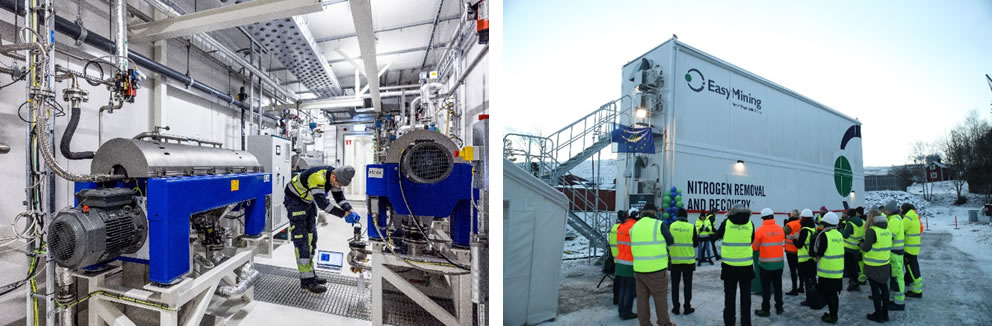
Photos: EasyMining Aqua2N pilot
RE-Fertilize webinar, 26th January 2023, watch replay here: www.youtube.com/watch?v=9mbuENQsJfo
See also ESPP-DPP-NNP Nutrient Recycling Technology Catalogue http://www.phosphorusplatform.eu/techcatalogue
Implementation of German sewage P-recovery obligation
Comparison of 3 digestion and 3 analysis methods, plus interlaboratory comparison recommends ICP-OES after microwave digestion to provide reliable analysis of sewage sludge phosphorus content. 14 sludge samples from 11 different sewage works were analysed for phosphorus content using the two digestion methods and three analysis methods indicated as regards P-recovery in the German Sewage Sludge Ordinance (*): aqua regia digestion in a microwave or under reflux conditions, then inductively coupled plasma optical emission spectrometry (ICP-OES), inductively coupled plasma mass spectrometry (ICP-MS), or photometric phosphorus determination with ammonium molybdate. These methods (tested in some cases by several laboratories) showed variation of around +/- 20% in results for P-content. ICP-OES after aqua regia digestion in a microwave was identified as the most reliable method. A mixed sludge sample was analysed using these methods by 28 laboratories, showing around 7.2 % reproducibility variation in results for P content. Data show, for the sludges from these eleven wwtps, P-content of 1.7 – 3.8% and iron content of 1.4 – 5 % Fe (dry weight).
Phosphorus in sewage sludges:
Previous studies suggest similar levels of P in sewage: 0.8% - 31% (Krogstad et al. 2005), 0 - 4 % (Guivarch 2001), 2 - 6% (Frossard 1996) SCOPE Newsletter n°73, 2.6–3.4% (Cydzik‑Kwiatkowska & Nosek 2020), 3.4 % (Phong 2022), 4.3% (Falk 2020).
The European Commission seminar of 1980 indicated P-content of sewage sludges:
- For Switzerland, increase from 1.1 % P/dm in 1971 to average of 2.7 % P/dm in 1979: (0.2 - 4.6 % in wwtp without P removal and 0.9 - 7.9 % in wwtp with P-removal). The increase is considered to be due to implementation of P-removal.
- For Belgium (Wallonia), 0.2 – 0.9 % P/dm
- For Finland, 2 – 3.7% P/dm for chemical P-removal sludge
* German sewage P-recovery Ordinance: AbfKlärV 2017 German sewage sludge directive (Verordnung zur Neuordnung der Klärschlammverwertung) LINK
“Determination of the phosphorus content in sewage sludge: comparison of different aqua regia digestion methods and ICP‑OES, ICP‑MS, and photometric determination”, T. Sichler et al., Environmental Sciences Europe (2022) 34:99 LINK.
See also Sichler et al. in ESPP eNews n°66.
Phosphorus in sewage sludge incineration ash (SSIA) is not short-term plant available
Ashes from four German sewage sludge incinerators were tested as phosphorus fertilisers in 4-week pot trials, showing considerably lower P Use Efficiency than mineral P fertiliser (MCP) and similar or worse than phosphate rock in these short-duration tests. Pot trials used the P-sensitive flowering plant Tagetes patula (French marigold) with soil pH of 6 or 4.5 with weekly applications of P fertiliser/ash and of nitrogen as required. Particle size distribution of the ashes was recorded. Phosphorus Use Efficiency was calculated based on P uptake. At soil pH 4.5 plant fresh weight was similar with the sludge ashes compared to MCP (water soluble P fertiliser) or phosphate rock, whereas at pH 6 fresh weight was significantly higher with ash than with phosphate rock, but lower than with MCP. Plant P uptake and P Use Efficiency was significantly lower than for MCP at both soil pHs, and was four times lower at soil pH 6. The authors note that phosphorus solubility test methods with calcium chloride + diethylenetriaminepentaacetate (CAT) and calcium-acetate-lactate (CAL), as widely used in Germany, do not give useful predictions of plant P availability in sewage sludge incineration ash.
“Phosphorus Availability from German Sewage Sludge Ashes to Plants Cultivated in Soilless Growing Media of Contrasting pH”, D. Hauck et al., Agronomy 2022, 12, 2610 DOI.
Phosphorus uptake from nine secondary materials and P extraction methods
Phosphorus efficiency of struvite in pot trials was the same or better than mineral P fertiliser, but was considerably lower for an iron phosphate containing sewage sludge and for two sewage sludge ashes.
In papers 2021 and 2022-1, RAE (relative agronomic efficiency) of phosphorus in secondary materials was compared to mineral phosphate fertiliser (TSP = triple super phosphate) and no phosphate (control) in seven month pot trials with perennial ryegrass at three P dose levels (one application at start):
- Two different struvites, both recovered from sewage, both c. 8% P, C-org < 0.5%,
- Dried pelletised sewage sludge from a sewage works, 0.8% P, 16 % C-org, 2% Fe
- ASH1: ash from sewage sludge from a rotary kiln process, 900-1000°C with sodium sulphate additive, 6% P, low C-org, 4.4% Fe
- ASH2: ash from sewage sludge from a two-step rotary kiln process (pyrolysis 650-750°C then incineration 900-1100°C, without chemical additives at this stage of the technology development), c. 6% P, c. 8% C-org and 16% Fe.
The first paper (2021) compares the phosphorus fertiliser effectiveness of the five secondary materials to TSP. At 9 and 19 kgP/ha, after one month, one of the two struvites showed phosphorus fertiliser efficiency (RAE relative agronomic efficiency) similar to mineral fertiliser (Fig 3). The other struvite, the two ash materials and the sewage sludge pellets showed considerably lower RAE after one month. However, RAEs were similar after one month at 28 kgP/ha application (except for ASH2 which was much lower). After four months the two struvites showed RAEs similar to mineral P fertiliser. After seven months, the RAEs of the two struvites were > 110% (better than TSP), whereas the two ashes and sludge pellets showed RAEs of below 75% at 9 and 19 kgP/ha and 30 - 84 % at 28 kgP/ha.
A second paper (2022-1), based on the same pot trial data, compares P measured by eleven different extraction methods, ranging from strong acid “destructive” total-P to Olsen-P, to shoot P uptake in seven cuts from one to seven months. This shows (table S11) that, for these six materials (two struvites, dried FeP sludge, two ash materials, TSP) and for cumulative P uptake after seven months, only six extraction methods showed correlation > 0.6 (in order of highest correlation: 2% citric acid, microwave digestion + nitric acid, nitric acid, ammonium lactate, NAC = neutral ammonium citrate, microwave digestion + aqua regia) whereas (table 4) five showed correlation < 0.5 (Mehlich3, Bray 2, water, calcium chloride and Olsen-P). However, all extraction methods showed correlation for P uptake after seven months > 0.6 if the mineral fertiliser TSP was excluded. After only one month, six methods showed correlation > 0.6 to shoot P uptake (in order: water, calcium chloride, NAC, Mehlich3, microwave + nitric, ammonium lactate).
The third paper (2022-2) shows results of 4-month pot trials with perennial ryegrass for Euphore output ash (two-step rotary kiln process without chemical additives at this stage of the technology development, see ESPP-DPP-NNP Technology Catalogue), iron phosphate extracted from sewage sludge, crab carapace material and microalgae, in three different substrates (compared to TSP and control), concluding that four months were needed for P from these materials to become plant available.
2021: “Impact of time and phosphorus application rate on phosphorus bioavailability and efficiency of secondary fertilizers recovered from municipal wastewater”, Chemosphere 282 (2021) 131017 https://doi.org/10.1016/j.chemosphere.2021.131017
2022-1:“Phosphorus Availability in Recycled Fertilizers: Comparison of 11 Chemical Extraction Methods with Plant Uptake During a 7‑Month Growth Experiment”, A. Bogdan et al., J. Soil Science and Plant Nutrition 2022 https://doi.org/10.1007/s42729-022-01075-5
2022-2: “Substrate-Driven Phosphorus Bioavailability Dynamics of Novel Inorganic and Organic Fertilizing Products Recovered from Municipal Wastewater - Tests with Ryegrass”, A. Bogdan et al., Agronomy 2022, 12, 292. https://doi.org/10.3390/agronomy12020292
Freeze concentration to concentrate digestate RO liquor
Progressive and suspension freeze concentration (FC) were tested at lab scale to concentrate the nutrients from a membrane filtrate (ultrafiltration + reverse osmosis RO) liquor from pig slurry and agro-industrial waste digestate, from an anaerobic digester in Catalonia, Spain. The RO process, operating on the liquid fraction of solid-liquid separated digestate, gives clean effluent water which can be discharged and a nutrient “concentrate” (1%N, 0.02%P, 2%K). Freeze concentration was tested in 2 litre lab reactors with circulating refrigerant at -5, -10 and -15°C with the aim to further concentrate the nutrients present in the RO “concentrate”. After two hours of freeze concentration, around 56 % of N, 90 % of P and 63 % of K was concentrated in the liquid fraction (50% of the initial volume), that is phosphorus concentration was nearly doubled by the freeze drying whereas N and K concentration not increased by more than 20%. In an earlier paper, the same authors tested multi-stage progressive freeze concentration in the same 2 litre lab reactor on cheese whey from a dairy processing factory, achieving 2 – 3 x increases in lactose and protein contents after 2 – 4 freeze concentration cycles. Further studies underway, but not published yet, assess the freeze concentration technology at a pilot scale using a 40-litre reactor tested with digestate (in the Fertimanure Horizon 2020 project). The authors conclude that freeze concentration has a similar or lower operational energy consumption than membrane concentration technologies and offers significant energy-saving potential compared to thermal and evaporation processes.
“Application of Freeze Concentration Technologies to Valorize Nutrient-Rich Effluents Generated from the Anaerobic Digestion of Agro-Industrial Wastes”, I. Uald-lamkaddam et al., Sustainability 2021, 13, 13769. https://doi.org/10.3390/su132413769
“Progressive freeze concentration of cheese whey for protein and lactose recovery”, I.Uald Lamkaddam et al., International Dairy Journal 139 (2023) 105572 https://doi.org/10.1016/j.idairyj.2022.105572
Stay informed
SCOPE Newsletter: www.phosphorusplatform.eu/SCOPEnewsletter
eNews newsletter: www.phosphorusplatform.eu/eNewshome
If you do not already receive ESPP’s SCOPE Newsletter and eNews (same emailing list), subscribe at www.phosphorusplatform.eu/subscribe
LinkedIn: https://www.linkedin.com/company/phosphorusplatform
Slideshare presentations: https://www.slideshare.net/phosphorusplatform
Twitter: @phosphorusESPP
YouTube https://www.youtube.com/user/phosphorusplatform
ESPP members
Newsletter about nutrient stewardship - European Sustainable Phosphorus Platform (ESPP)
Please subscribe www.phosphorusplatform.eu/Subscribe
Link to www.phosphorusplatform.eu/eNews073
Download as PDF
ESPP new members
C-Green
SNB
SOFIE and Nitrogen Recovery Workshop
Follow-up to successful events
What does the term “Bio-Based Fertiliser” mean?
EU Communication on “Bio-Based" and relevance to nutrients
Regulatory
Recovered struvite authorised in EU Certified Organic Farming
Lack of data on Cat1 ABP ash safety
Preparatory study for Sewage Sludge Directive (SSD) revision
Spanish Royal Decree on sustainable fertilisation in agriculture
CEN has published 82 Technical Specifications for fertilising products
Nutrient recycling
Updated inventory of operating P-recovery sites
Fluidised-bed sewage sludge recovery and ash reuse as fertiliser
Biogas digestate resources will be increase by five by 2050
Braunschweig sewage nutrient recovery trials
European Biochar Industry (EBI) position paper on pyrolysis of sewage sludge
Nutrient stewardship and food security
Global and European food security highly dependent on fertiliser supply
Scientists propose UK Phosphorus Transformation Strategy
NGOs welcome revised Urban Waste Water Treatment Directive (UWWTD) proposal
JRC study suggests EU+UK are accumulating 130 ktP/y in soil
Transgressing planetary boundaries for P and N
Stay informed
ESPP members
ESPP new members
 C-Green
C-Green has developed and patented OxyPower HTC™, converting sewage sludge, manure, and food digestate into solid hydrochar by a combination of hydrothermal carbonisation (HTC) and wet oxidation of the separated water. HTC or wet pyrolysis was invented in 1913 by the Nobel prize-winning German chemist Friedrich Bergius. Wet oxidation produces heat, which is used to heat the incoming sludge and to convert the nitrogen in the separated water into ammonium ions.
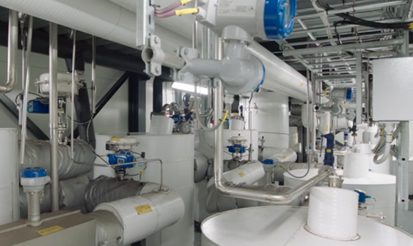 OxyPower HTC™ simplifies both nitrogen and phosphorus recovery. Nitrogen is extracted from the separated nitrogen-rich wet oxidized process water by ammonia stripping. Up to 60% of the nitrogen in the sludge is separated as ammonium sulphate.
The hydrochar can be used as a biofuel or for soil improvement depending on local regulations. Mono-incineration of the hydrochar makes it possible recover phosphorus from the ash. NOx emissions are significantly lower compared to sludge incineration. In addition, more than 50% of the nitrogen in the sludge can be recovered as fertiliser.
If the hydrochar is used for soil improvement, virtually all phosphorus and up 90% of the nitrogen in the sludge (60% ammonia water and 30% in the hydrochar) is used.
C-Green is confident that membership in ESPP will help us contribute to developing sustainable carbon and nutrient recycling through information, monitoring, networking and contacts with decision makers.
Website: www.c-green.se
 SNB
SNB
SNB, a Dutch company established in 1994 by Dutch Water Authorities, operates the largest sewage sludge incineration plant in Europe. 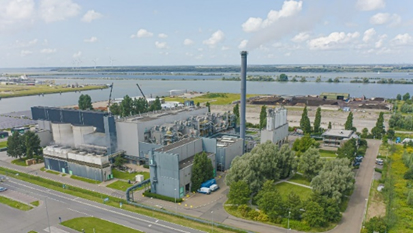 Their aim is to treat sewage sludge sustainably by recovery of energy and raw materials. Furthermore, they are engaged to reduce their environmental footprint, including the objective of carbon neutral sewage sludge treatment. Currently SNB processes about 410.000 to 430.000 tons of dewatered sewage sludge a year. Their strategic goal is to achieve circular sewage water and sludge treatment. To achieve this goal SNB is and has been involved with several partners to recovery phosphates from sewage sludge incineration fly ashes. These sludges contain phosphorus concentrations comparable to low grade phosphate rock. In addition to phosphate recovery, SNB is investigating recovery and recycling nitrogen from sewage sludge. As a member of ESPP, SNB contributes, together with the other members, to a phosphorus sustainable Europe by recovery of phosphates from waste, through research and by steering regulation towards a circular economy.
SOFIE and Nitrogen Recovery Workshop
Follow-up to successful events
ESPP’s January 2023 events, 2nd SOFIE and 1st Nitrogen Recovery Workshop, saw nearly 400 participants in Brussels and online. SCOPE Newsletter summaries of both events are currently being finalised.
Registered participants to each event already have full access to slides, session recordings, edited Chat, list of participants with emails (on Swapcard (for SOFIE) or via link sent for N-Recovery).
 SOFIE2 (Summit of Organic and Organo-Mineral Fertilisers Industries in Europe) confirmed the considerable enthusiasm and interest in this growing and restructuring sector, which is strategic for the nutrient circular economy. SOFIE showed active engagement both by upstream sectors supplying raw materials (in particular digestates and compost, of which production is expected to grow considerably in the coming decade with EU biomethane and biowaste policies), organic fertiliser producers, processing equipment suppliers, and also the mineral fertiliser industry, motivated by complementarities between organic and mineral nutrients for crop nutrition and by market and logistics synergies. SOFIE is the only event for organic fertilisers industry, and the only place to meet this growing industry’s different partners.
SOFIE3 is already fixed for 16-17 January 2024 (Brussels & hybrid)
Further information soon www.phosphorusplatform.eu/SOFIE
 The Nitrogen Recovery Workshop showed strong interest in “White Nitrogen” (recovery and reuse of reactive nitrogen), accelerated by the current energy and fertiliser supply crisis. Technologies exist, some longstanding (stripping and scrubbing), some innovative and new, but with challenges of producing dilute solutions, logistics, cost. The workshop agreed the need to establish some form of working group to develop proposals on policy, R&D funding, information gathering and supply-chain networking and collaboration. A Steering Committee is now being established to take this forward and is open to companies and volunteers wishing to contribute.
If you wish to be involved on Nitrogen Recovery, contact:
What does the term “Bio-Based Fertiliser” mean?
EU Communication on “Bio-Based" and relevance to nutrients
The European Commission has published a communication on the use of the term “Bio-Based Plastic” which can be seen as relevant for the term “Bio-Based Fertiliser”. The Communication refers to the CEN/TC4111 definition of Bio-Based (see below) and indicates that Bio-Based plastics are made from biomass, with a preference for organic wastes and by-products, whereas conventional plastics are made from fossil resources. The Communication notes that Bio-Based Plastics can be made fully or partly from biobased feedstock, but underlines that generic claims such as “biobased” may be banned by the Green Deal proposed directive “Empowering Consumers for the Green Transition”, unless underpinned by recognised environmental performance, and therefore that the exact and measurable share of biobased content should be specified (in a Bio-Based Plastic).
The CEN (TC4111) European Standard EN 16575 (August 2014) “Bio-based products: vocabulary” defines (2.1, 2.5) a bio-based product as “Wholly or partly derived from biomass. May have undergone physical, chemical or biological treatment” and (2.4) bio-based content as “fraction of a product that is derived from biomass. Normally expressed as a percentage of the total mass of the product”. Biomass is defined (2.7) as “material of biological origin excluding material embedded in geological formations and/or fossilised”. CEN has outlined methodology for quantifying the bio-based content of products in CEN/TR 16721. This takes as starting point the % of bio-based carbon based on C14 ratio. Unfortunately, this method does not seem appropriate for assessing whether N or P or K are “bio-based” when recovered from organic wastes.
ESPP notes that the term Bio-Based Fertiliser (“BBF”) is already being used in R&D publications (see e.g. Wester-Larsen et al. Lex4Bio 2022 in ESPP eNews n°72) and that a comparable discussion is ongoing concerning the wording “nutrients of solely biological origin” in the EU FPR (Fertilising Products Regulation).
ESPP considers that the definition and usage of these vocabulary terms are important for market clarity (product communication to users and consumers) and for a possible future European Standard on defining and measuring “Bio-Based nutrient” content (nutrients of “biological origin”) to support environmental claims and EU Fertilising Products Regulation certification.
ESPP is therefore developing a Position Paper on the definitions of “Bio-Based Fertiliser” or “Bio-Based Nutrient”.
This document is open to comment on the ESPP public website www.phosphorusplatform.eu. The objective is to achieve consensus on a proposed definition to submit for consideration by the European Commission and by CEN.
European Commission Communication COM(2022)682, 30th November 2022 “EU policy framework on biobased, biodegradable and compostable plastics” HERE
Regulatory
Recovered struvite authorised in EU Certified Organic Farming
The EU Organic Farming Regulations have been modified to authorise “Recovered struvite and precipitated phosphate salts”, as defined in the EU Fertilising Products Regulation (FPR). The modifying Regulation (2023/121 modifying 2021/1165), published 17th January 2023, specifies that, to be authorised for use in Certified Organic Farming, the recovered phosphates “must meet the requirements laid down in” the FPR and that “animal manure as source material cannot have factory farming origin”. ESPP notes that there is to date no official EU definition of “factory farming”. The European Environment Agency indicates a definition here and the EU Expert Group on Organic Farming (EGTOP 2013) refers to 1995 EU Guidance*. ESPP also notes that the modification to the Organic Farming Regulations does not include the words “and derivates” which are included in the FPR CMC12, suggesting that recovered precipitated phosphates can be used in Certified Organic Farming as such, but not after chemical reprocessing. ESPP further notes that the text specifies that the recovered precipitated phosphates must “meet the requirements” of the FPR, and does not state that they must be EU-Certified under the FPR. It could be surmised that this choice of wording means the precipitated phosphates must respect the criteria of FPR CMC12, and of at least one FPR PFC, and of FPR Labelling (Annex III), but do not require FPR Conformity Assessment (Annex IV), but this interpretation should be verified with national Certified Organic Farming implementation authorities. ESPP notes that the obligation to respect CMC12 excludes (for the present) any struvite or precipitated phosphates derived from manure or from other animal by-products (ABPs) (e.g. from digestate where manure [even if not from factory farming] or separately collected municipal biowaste are inputs to the digester), until the ABP Regulations are modified to include relevant ABP End-Points (amendment underway, see ESPP eNews n°71). It is ESPP’s understanding that under the wording of this amendment as proposed, precipitated phosphates derived from ABPs would only be authorised in the FPR CMC12 if (1) they are precipitated from digestate where the digestion process respects the Standard Processing Requirements of the ABP Regulation 142/2011 “standard” processing requirements (Annex V, ch. I, II and III) or (2) if the precipitated phosphate is sterilised according to the requirements of 142/2011 Annex XI, chapter I ($2 a, b & d, that is treatment at ≥70°C for ≥60 minutes), and (in both cases) if the processing plants were appropriately authorised and controlled by national ABP authorities.
Note: the German language published version of this Regulation contains a translation error (the materials are “deleted” from the list instead of being “added”). The European Commission is aware and correction is underway.
* 1995: Commission Guidelines for the use of excrements in organic farming (Annex II, part A, to Regulation (EEC) No 2092/91), VI/5684/95-EN Rev5(PPQPP/EN/95/5684R5.doc). These guidelines are out of date and refer to interpretation of “factory farming” in EU Regulation 2381/94 which has been repealed, but this used exactly the same wording “factory farming origin prohibited” as in the current Organic Farming Regulations which have replaced it. See reference to this 1995 document in a 2020 European Commission answer to the European Parliament (1/7/2020). This 1995 document is no longer available on the European Commission website and can be found on the ESPP website www.phosphorusplatform.eu/regulatory
Commission Implementing Regulation (EU) 2023/121 of 17 January 2023 amending and correcting Implementing Regulation (EU) 2021/1165 authorising certain products and substances for use in organic production and establishing their lists https://eur-lex.europa.eu/legal-content/EN/TXT/?uri=CELEX:32023R0121
Lack of data on Cat1 ABP ash safety
Data search and analysis for ESPP concludes that incineration and co-combustion are not proved to inactive prions. Cat1 animal by-products represent a significant, high-quality potential for phosphorus recovery. ESPP considers that the priority is safety, and in particular inactivation of prions (which cause BSE, scrapie and other transmissible spongiform encephalopathies (TSE). A literature search, commissioned by ESPP to Dr Kevin McDonnell, University College Dublin, identified only 22 studies, recent or not, relevant to pathogen reduction in animal by-products by thermal/chemical processes, of which 13 reported pathogen reduction following thermal treatment. None of the studies addressed the specific conditions of the EU Industrial Emissions Directive IED (850°C, 0.2 seconds). Data suggests that increasing temperature and time improve prion deactivation. The only directly relevant studies (Brown et al. 2000 et 2004) use a highly heat resistant prion (strain 263K, comparable to BSE) and show >8 log 10 reduction at 612 °C for 15 min and total inactivation at 1 000 °C for 5 and 15 min. Dr McDonnell concludes that this does not enable conclusions concerning prion deactivation under EU IED conditions.
“Sanitary Safety of Animal by-product Ash”, K. McDonnell, UCD and Bio-e Biosystems, for ESPP, 47 pages, 2022, online here www.phosphorusplatform.eu/regulatory
“New studies on the heat resistance of hamster adapted scrapie agent: Threshold survival after ashing at 600°C suggests an inorganic
template of replication”, P. Brown et al. 2000, Proceedings of the National Academy of Sciences of the United States of America, 97(7), https://doi.org/10.1073/PNAS.050566797
‘Infectivity Studies of Both Ash and Air Emission from Simulated Incineration of Scrapie-Contaminated Tissues”, P. Brown et al. 2004, Environmental Science Technology, PP. 6155-6160. https://doi.org/10.1021/es040301z
Summary of the Brown et al. studies cited: Brown et al. 2000 tested injection of prion-infected brain material from hamsters into healthy hamsters, with or without dry heat combustion under air at 600°C or 1000°C. This showed prion reinfection after combustion at 600°C. Brown et al. (5 out of 35 healthy hamsters infected). Brown et al. repeated their trials because the results were surprising, taking precautions on possible contamination by combustion flue gases, and obtained the same results in the second study (2004). The authors note some residual organic carbon at 600°C. In the second study, samples were also heated under nitrogen, and in this case there was no reinfection at 600°C, leading the authors to conclude that incomplete combustion was not preventing prion deactivation. They hypothesise that at 600°C the prions are leaving an “inorganic template” (rather like a fossil) in the ash and that this template can cause refolding of healthy prions, so causing reinfection.
ESPP comment: The literature search conclusions and the Brown studies would seem to lead to the conclusion that there is today no evidence that IED incineration of Cat1 animal by-products ensures safety (prevents risk of TSE transmission). This is problematic, not only as regards possible use of Cat1 ash in P-recovery or fertiliser production, but also as regards current management of Cat1 by-products, which are currently incinerated under IED conditions.
ESPP plans to organise a webinar of concerned companies, stakeholders and experts, to discuss how to take forward these questions. If you are interested to input, please contact
Preparatory study for Sewage Sludge Directive (SSD) revision
EU preparatory study for the SSD concluding mainly that there is a lack of data of possible impacts of emerging pollutants, in particular pharmaceuticals, and also a lack of data on sewage sludge treatment and use. The report assesses implications for sewage sludge management of different current or anticipated EU policies. Risk assessment of different emerging pollutants in sludge are presented, including microplastics and antimicrobial resistance (AMR). For industrial chemicals, the highest PEC/PNEC ratios (indicator of potential risk) were for the brominated flame retardant Deca-BDE (BDE209) and for PAHs (poly aromatic hydrocarbons). PFAS were also identified as “of potential concern for human health” and some pharmaceuticals as possibly posing health risks through sludge use on soils. The contribution of sewage sludge to microplastic inputs to soils is considered small (most inputs to the environment are from vehicle tyre wear), and most sludge microplastics are fibres. Possible impacts of microplastics on soil, plants and health is considered to be poorly understood. The report underlines that data on how sewage sludge processing modifies emerging contaminant inputs to soil is inadequate and should be developed. The report also underlines that data on use routes for sewage sludge in Europe are incoherent and incomplete: unidentified “other” category is often reported, “Compost is reported as an end-use whereas it is in fact a pre-treatment before different destinations. Also, there is inadequate data as to how much sewage sludge undergoes anaerobic digestion, which impacts both final sludge volumes and energy recovery. The report notes that phosphorus can be recovered by different routes. Application of sludge to agricultural land “remains a key end-of-life option”, ensuring nutrient return to agriculture, with currently around one third of EU sewage sludge used in this way. However, the report notes that “future trends for use of sewage sludge on land are not clear … there are uncertainties with regard to the environmental impacts, specifically linked to pollutants of emerging concern”.
“Support to the evaluation of the Sewage Sludge Directive. Exploratory study - final report”, Wood, Trinomics, Ricardo, IMDEA, Tyrsky, March 2022 https://dx.doi.org/10.2779/582221
Spanish Royal Decree on sustainable fertilisation in agriculture
National Decree requires farmers to record all nutrient and organic carbon applications and implement a fertilisation plan, and specifies conditions for recycling secondary materials as fertiliser coherent with the EU FPR. The 43 page Decree states as context the EU Green Deal targets to reduce nutrient losses by 50% by 2030 without deteriorating soil fertility. It sets as aims to ensure farmers planning of and recording of fertilisation, define good agriculture practices for nutrient application (including of fertilisers, manures, sewage sludge and other secondary materials), establish by 2026 a mandatory register of manufacturers and other economic agents for fertilisers, define conditions under which waste and secondary materials can be either used in fertilising products (this largely refers to the EU Fertilising Products Regulation criteria) or applied as waste, define accreditation and intervention of “technical fertilisation advisors” to farmers. Farmers and foresters will be obliged to record all applications of nutrients or of organic carbon to soil in a new “fertilisation” section of the existing log established for phytosanitary products. Farmers will have to define a fertilisation plan, using soil and leaf analysis data, and this must prioritise the use of organic fertilisers and must include measures to mitigate ammonia and greenhouse gas emissions. Reference to a fertilisation advisor will be obligatory for these plans in Nitrate Vulnerable Zones. The Decree also includes measures concerning heavy metal limits in fertilisers and in soils, storage and application of manures, limiting ammonia emissions from urea fertilisers (reference is made to the UNECE document “Options for ammonia mitigation”).
Spain Royal Decree 1051/2022 (27th December 2022) establishing legal standards for sustainable nutrition in agricultural soils - Real Decreto 1051/2022, de 27 de diciembre, par el que se establecen normas para la nutrición sostenible en las suelos agrarios https://www.boe.es/eli/es/rd/2022/12/27/1051
CEN has published 82 Technical Specifications for fertilising products
In April 2022, CEN published 82 new Technical Specifications to support implementation of the EU Fertilising Products Regulation. This is expected to be followed, after laboratory validation, by European Standards. The new Technical Specifications cover testing methods, sampling methods, terminology and concern soil improvers and growing media (CEN/TC 223), fertilisers and liming material (CEN/TC 260) and plant biostimulants (CEN/TC 455) and cover aspects such as terminology and classification, determination of physical properties and particle size, determination of nitrogen of different forms in organic and mineral fertilisers, determination of water soluble -, citric acid soluble -, formic acid soluble – and NAC soluble – phosphorus in fertilisers, determination of potassium, magnesium, calcium and micro-nutrients contents, nutrient release from coated fertilisers, determination of total organic carbon content …
“CEN published 82 new Technical Specifications on fertilizing products in support of the EU Circular Economy objectives”, 21st April 2022 HERE.
Nutrient recycling
Updated inventory of operating P-recovery sites
The worldwide inventory list of operating full-scale installations for P-recovery from wastewater treatment (Christian Kabbe, P-REX Environment) is updated online here. The inventory list has been fully updated, and identifies around 75 installations operating worldwide as currently operational and recovering phosphorus, of a total of around 120 installations listed. The technology supplier, the location, operating since, the recovered phosphate material/product and the annual tonnage of product output are specified. Christian Kabbe notes that these outputs are nominal capacities, whereas plants often produce significantly less. With units expected to come online this year, there will be around 45 struvite plants operational in Europe, producing struvite containing c. 2000 tP/y. This compares to expected recovery of around 50 000 tP/y from sewage sludge incineration ash in Germany alone, when the German P-recovery obligation comes fully into application (in 2032).
“Inventory of phosphorus “recovery and /or recycling” facilities operating or under construction at or downstream of wastewater treatment installations” v 11/2022 here: https://www.phosphorusplatform.eu/activities/p-recovery-technology-inventory
Fluidised-bed sewage sludge recovery and ash reuse as fertiliser
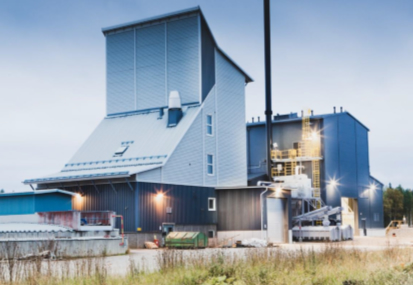 Published paper presents ENDEV PAKU new-design sewage sludge incinerator achieves energy neutrality and ash of around 5% P content, successfully tested in continuous-operation 10 000 t/y dried sludge input pilot. The process developed by ESPP member ENDEV takes mechanically dewatered sewage sludge (20 - 25% DM), dries it at 110°C then mixes with sand and combusts at 850°C / 2 seconds (respecting IED requirements) in a double circulating fluidised bed dryer / incinerator designed to optimise energy. Organic contaminants and microplastics in sewage sludge are eliminated, and heavy metals are partly volatilised. Around 8% of mercury, 5% of zinc and 4% of copper are thus effectively removed from the ash to the flue gas filter waste stream. Sulphur is removed from flue gases by scrubbing. The pilot installation was constructed at Rovaniemi municipal sewage works, Finland (63 000 p.e., probably using iron for chemical P-removal), treating all the works sludge, and has now today been operated for nearly two years, producing around 1 MWh heat per tonne of mechanically dried sewage sludge. The scale and compact design enable at medium size sewage works, avoiding sewage sludge transport. Heavy metal contents of the ash are significantly lower than EU Fertilising Products Regulation limits for As, Cd, Cu, Hg, Ni, Pb, Zn but phosphorus solubility at 65-70% in NAC is too low for labelling as phosphate fertiliser under the EU Fertilising Products Regulation..
“A novel dual circulating fluidized bed technology for thermal treatment of municipal sewage sludge with recovery of nutrients and energy”, P. Petlola et al., Waste Management 155 (2023) 329–337, DOI. See also ESPP-NNP-DPP Nutrient Recycling Technology Catalogue.
Biogas digestate resources will be increase by five by 2050
The EBA Statistical Report 2022 provides detailed assessment of biogas production in Europe today and trends, concluding that digestate resources (220-260 Mt fresh weight/y today) will double by 2030 and increase five-fold by 2050. The European Biogas Association (EBA) combines data from national biogas associations, national statistics and industries in EU plus 6 adjacent countries, and presents detailed analysis and graphs. The report concludes that by 2050 biogas and biomethane* (from anaerobic digestion) could provide 35 – 60% of Europe’s gas consumption. This is driven by EU policies towards renewable energies, and accelerated by the current gas supply and price crisis. This will result in a several-fold increase in digestate production, providing a key resource of secondary nutrients. Estimates of nutrient content suggest that digestate today contains 0.5 - 0.6 Mt N-NH4/y, expected to increase to 2.6 -3.1 Mt by 2050, and 0.4 – 0.5 MtP/y, increasing to 2.0 – 2.3 MtP. This corresponds, for 2050 estimates , to around 26% - 31% of today’s synthetic N fertiliser consumption and c. 86% for synthetic P fertiliser (2050). Digestate also brings, today, around 5 Mt/y of stable organic carbon to agricultural soils.
“Statistical Report 2022. Tracking biogas and biomethane deployment across Europe”, European Biogas Association, December 2022, 160 pages, price on request here https://www.europeanbiogas.eu/SR-2022/EBA/
* “Biogas” is the combustible gas generated by anaerobic digestion of organic materials, consisting mostly of methane, but with some other gases. “Biomethane” is high-purity or refined biogas, consisting almost solely of methane, and which can be reinjected into natural gas distribution networks to replace fossil methane. For definitions see: https://www.europeanbiogas.eu/about-biogas-and-biomethane/
Braunschweig sewage nutrient recovery trials
Three-year, full-scale tests at 380 000 p.e. wwtp assess thermal pressure sludge hydrolysis (TPH), anaerobic digestion, struvite precipitation and ammonium sulphate recovery. Identifying benefits, operating challenges and parameters. In the C19th sewage nutrients were recycled by spreading sewage on farmland, after primary treatment since the 1950’s. From 1979, the waste water treatment plant (wwtp) integrated secondary treatment and anaerobic sludge digestion, with the digested sludge continuing to be used on farmland (storage in winter to enable use in summer only). However, nitrogen application limits since 2016 has led to 40% of sludge being incinerated. In 2019, for circularity objectives, thermal hydrolysis was added between two sludge digestion stages, with struvite precipitation in the digestate dewatering liquor, and ammonia recovery by stripping from the digestate liquor. Optimal conditions for the thermal pressure hydrolysis were identified through the trials as around 145°C, 4 bars, 1 ½ hours. The resulting breakdown of the sludge led to a +20% increase in biogas production, resulting in more than enough additional secondary heat after electricity generation to heat the TPH. After two years of process optimalisation reliable struvite recovery (without loss of fines, >80% P precipitation in reactor) was achieved with the NuReSys reactor. With the TPH in place, around 15% of total P in sludge was recovered in struvite, operating with MgCl2 dosing at around 2:1 Mg:P ratio and pH 8.5 (NaOH dosing). This is not sufficient to achieve the German P-Recovery Ordinance obligations, because the dewatered sludge exceeds 20 g P/kg DM. Some 250 t/y of struvite are now being produced, and this is fairly pure, with < 0.5% calcium, potassium, iron etc and heavy metals below German fertiliser legislation levels (organic contaminants not reported). The ammonia stripping unit was operating on digestate with c. 1200 mgNH4-N/l and optimal conditions were identified as pH 9.5 (NaOH dosing) and temperature 55°C (heating needed). This generated an ammonium sulphate solution of concentration about 38 % based on weight. This is conform to German fertiliser legislation requirements and is distributed locally by a third party in the region so ensuring effective recycling to crop production.
“Technology related results of the case study Braunschweig (DE)”, A. Kleyöcker, J. Heinze, F; Kraus, 10/2022, EU Horizon 2020 funded, online here.
European Biochar Industry (EBI) position paper on pyrolysis of sewage sludge
Policy paper concludes that pyrolysis removes most organic pollutants from sewage sludge. The paper requests a review of the current exclusion of sewage sludge from pyrolysis and gasification materials in the EU FPR (Fertilising Products Regulation CMC14). The 14-page paper explains the pyrolysis process and the resulting material, biochar. Evidence is summarised (based on 10 studies plus 2 review papers) indicating that pyrolysis eliminates pathogens and organic pollutants (including PFAS, PAH, microplastics), on condition that the pyrolysis temperature and residence time are sufficient [ESPP note: probably a minimum temperature of maybe 500°C – 650°C is required, see ESPP SCOPE Newsletter n°144, whereas the EU FPR CMC14 allows temperatures down to 180°C so adjustment would be necessary]. Evidence is also summarised indicating that biochar contributes to carbon storage in agricultural soils and can be a negative carbon emissions fertiliser. Phosphorus in sewage sludge biochar seems to be slowly crop available, with NAC solubility generally up to 80% [ESPP note: in this case, cannot be labelled as a phosphorus fertiliser under the EU FPR, Annex IV, part II, PFC1 point 4(b)]. Pyrolysis is considered as scalable for medium or large sewage works (> 20 000 p.e.). It is noted that sewage sludge biochar can be used in agriculture under national regulations such as in the Czech Republic, Denmark and Sweden.
EBI (European Biochar Industry) is an ESPP member since January 2023.
“Sewage Sludge as feedstock for pyrolysis to be included in the scope of the EU Fertilizing Products Regulation”, EBI Position Paper sent to the European Commission, 23 January 2023 https://www.biochar-industry.com/2023/ebi-position-paper/
Nutrient stewardship and food security
Global and European food security highly dependent on fertiliser supply
Modelling of agricultural input shocks impact on crop production shows that fertiliser supply is highly critical to global food security, with risks of 30 – 50% crop production losses, especially in Western Europe and the USA. This paper models impacts on crop yield of hypothetical reductions in supply of different agricultural inputs (fertilisers, machinery, pesticides) for 12 crops for which relevant data was found (barley, cassava, groundnut, maize, millet, potato, rice, sorghum, soybean, sugar beet, sugarcane and wheat), 25 climate types and different countries or continents. A “random forest” modelling method was used, because this has been shown to applicable to crop yields. Generally, input shocks impacted crops in climate types with highest current yields. Reductions in fertiliser inputs (in particular N, and in some cases K) cause the most significant crop yield losses. A 50% reduction in N-fertiliser inputs would case a25% - 75% reduction in wheat yield in much of Western Europe and in parts of North and South America, Asia and Southern Africa. A 50% reduction in all of the modelled agricultural inputs would reduce maize production by 30% in China, around 50% in France and in the USA, 70% in Argentina and would reduce wheat production by 40 – 50% in Germany and France, around 20% in Australia and Canada and 10% in the USA. Worldwide wheat production could be reduced by 30% and maize production by 50% with a 75% reduction in all modelled agricultural inputs. The authors underline the dependency of crop yields, and so food security, on global trade flows of fertilisers and other agricultural supplies.
“Agricultural input shocks decrease crop yields globally”, A. Ahvo et al., Research Square preprint December 2022 DOI.
Scientists propose UK Phosphorus Transformation Strategy
Researchers conclude the 4-year RePhoKUs project with the co-development of six key strategic pathways for the UK food system to transition to a desirable phosphorus future. Based on consultation with around 60 stakeholders, the scientists assessed the UK’s phosphorus vulnerability, finding that the UK imports nearly all the phosphorus in processed fertilisers used in the UK, and around half of the phosphorus in processed animal feeds (not including locally used manure, grass and fodder). They estimate that theoretically the UK has nearly enough phosphorus circulating in the food system to be self-sufficient, based in part on the analysis that only 43% of P imported (total of 172 ktP/y net, in fertilisers, chemicals, animal feed, food products) ends up in food products. Their P-flow analysis for the UK suggests that 48 ktP/y is lost to water and landfill, which is around 30% of net imported phosphorus; They estimate that nearly 90 ktP/y is accumulating in agricultural soils due to over application, principally driven by manure application. [Note: this is coherent with UK official Defra data but is contradictory to Panagos et al. below]. The report underlines significant regional phosphorus imbalances have resulted from high concentration of livestock production in North West England, Wales and Northern Ireland, while the South East cropping regions remain in phosphorus deficit [this is also the conclusion of Panagos et al. see below]. The researchers suggest that over-application of phosphorus in manure to farmland in England’s North West alone is equivalent to almost 30 million UK£/year of phosphorus fertiliser (not including nitrogen).
The report concludes that the current linear phosphorus use coupled with fragmented governance has led to serious water pollution, trade security risks and regional imbalances that are costly and inefficient. It analyses vulnerability to different agricultural sectors to fertiliser price increases and identifies structural obstacles to more sustainable P management. Cost is identified as a major obstacle, both cost of P-recycling (e.g. manure processing) and cost of recycled P products.
The report concludes that actions are needed to render coherent the institutional framework, raise awareness, bring together different stakeholders and develop targets and indicators for P sustainability for different sectors or scales (e.g. catchments, supermarket chains) and proposes the establishment of a “government supported” national phosphorus platform.
Below: stakeholder vision for a transformed phosphorus management system for the UK (RePhoKUs 2022).
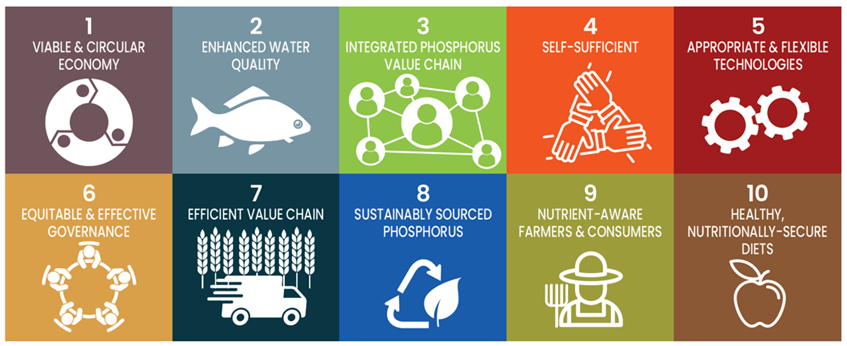
RePhoKUs partners: Lancaster University, University of Leeds, University of Technology Sydney, AFBI, UK CEH. Funded by UKRI under the UK’s Global Food Security research program.
“UK Phosphorus Transformation Strategy. Towards a circular UK food system”, RePhoKUs, D. Cordell et al., 2022, HERE.
“A new direction for tackling phosphorus inefficiency in the UK food system”, RePhoKUs, S.Rothwell et al., 2022, HERE.
“Regional phosphorus imbalances” - interactive maps. RePhoKUs. 2021, HERE
“Phosphorus in the UK Food System: risks and opportunities” RePhoKUs animation HERE
NGOs welcome revised Urban Waste Water Treatment Directive (UWWTD) proposal
Environment associations joint position welcomes UWWTD revision proposal, especially treatment of further pollution sources, circular economy and polluter pays principle. The NGOs call to apply the “zero pollution hierarchy” to sludge. The joint EEB (European Environment Bureau), Surfrider, Health Care Without Harm (HCWH) position welcomes the proposed requirement of energy-neutrality for the wastewater treatment sector by 2040 [art.11] (inc. anaerobic digestion of sludge) and proposed monitoring of greenhouse gases [art.21.1d]. The NGOs welcome the proposed empowerment of the European Commission to set minimum recycling rates for phosphorus and nitrogen [art.20]. The position states that “while it is essential to favour recovery of resources from wastewater and sludge, the risk of contamination and the associated limits for direct reuse needs to be acknowledged”. The NGOs request that treatment of sludge should be based not only on the “Waste Hierarchy” [this is already specified in art.20] but also on the “Zero Pollution Hierarchy” defined in the Green Deal Zero Pollution Action Plan, that is “Prevent” above “Treat”, application of the Precautionary Principle and of Polluter Pays. ESPP is not clear as to what this would mean in implementation for sewage sludge. The NGO’s welcome the proposed Extended Producer Responsibility (EPR) to require producers and importers of pharmaceuticals and cosmetics to cover costs of monitoring and removing these (in wastewater treatment) [art.9].
“Joint NGO Analysis of the European Commission’s Proposal for a Revised UWWTD”, EEB – Surfrider – HCWH, 14th December 2022, 7 pages HERE.
JRC study suggests EU+UK are accumulating 130 ktP/y in soil
 Data on soils, crops, fertilising inputs, erosion losses, etc. suggests average P surplus of 0.8 kgP/ha/y for EU+UK, with very wide regional variations. This suggests considerable opportunities for improvement in phosphorus management by reducing inputs in regions with high surplus and high available soil P and increasing inputs in regions at risk of soil fertility depletion. This study follows on from the study estimating phosphorus offtakes in crops and crop residues in EU+UK published earlier in 2022 (see ESPP Scope Newsletter n°142). With the new study, JRC makes available online P budgets (inputs – outputs) at the NUTS2 (regional) and at country scale, and also a dataset for both Total P and Olsen P (available P) based on LUCAS (Land Use/Cover Area frame Survey) topsoil data. The study estimates that EU+UK topsoil (173 million ha, 0 – 20 cm depth) contains an average of 1 400 kgPtotal/ha (total 245 Mt P), but that < 6% of this is available to crops (POlsen). The study estimates that inorganic fertilisers and manure contribute similar levels of P in fertilisation (both c. 7.6 kgP/ha/y = total 1.3 MtP/y). This assumes that 90% of manure phosphorus is applied locally as organic fertilisation. Displaced P lost from fields by erosion and sediment flux is estimated at c. 2 kgP/ha/y (370 ktP/y EU+UK) but only around 18% (66 ktP/y EU+UK) of this is considered to be lost to surface waters (the remainder being redeposited in soil close to the field of loss). The study includes visual maps illustrating, for regions across Europe, soil P stocks, mineral fertiliser use, manure, P erosion, P losses to surface waters, phosphorus budget (excess or deficit). The majority of European regions show a P-surplus (121 regions of 223). Most of Northern and Central Europe (except The Netherlands, Belgium and Western France) shows a P deficit, as does Scandinavia. The largest P surpluses (as tP/country) are Spain, Italy and Poland (fig. 9) and the largest P surpluses (per hectare) are Malta, The Netherlands, Italy, Belgium, Denmark and Ireland (fig. 10). Regional variations are considerable, Brittany France has a P-surplus of > 10 kgP/ha/y whereas parts of Northern/Central France show a deficit <-8 kgP/ha/y.
European Commission JRC summary (ESDAC European Soil Data Centre) “Phosphorus budget and P stocks” LINK.
“Improving the phosphorus budget of European agricultural soils”, P. Panagos et al., Science of the Total Environment 853 (2022) 158706 DOI.
Transgressing planetary boundaries for P and N
Scientists suggest that Western Europe is exceeding the “share” of planetary boundary for P annually by 3-4x and for N by 4-5x. For Eastern Europe, significant exceedance is not identified. The exceedance is higher for P and similar for N considering accumulated share since the 1950’s. The “share” is based on agricultural land surface (crop plus grass), not on population. Worldwide, exceedance was driven mainly by economic growth, not population growth. Exceedance estimates are based on the most recent nutrient planetary boundary estimates (Carpenter and Bennett 2011, Steffen et al. 2015,de Vries et al. 2013, following Rockström et al. 2009 & 2009), that is 6.2 MtP/y and 62 MtN/y. Around half of the accumulated exceedance for phosphorus and nitrogen are in China, the USA plus India (because of their large agricultural areas), whereas countries with highest exceedance of share (taking into account agricultural area) include South Korea and the Netherlands for N and Japan and South Korea for P. The authors suggest that future allocations of fair shares of nutrient planetary boundaries should consider transfer of nutrients from global regions with accumulated share exceedance over past decades to those low cumulative nutrient use, in particular Africa.
“Disparate history of transgressing planetary boundaries for nutrients”, V. Sandtröm et al., Global Environmental Change 78 (2023) 102628, DOI.
Stay informed
SCOPE Newsletter: www.phosphorusplatform.eu/SCOPEnewsletter
eNews newsletter: www.phosphorusplatform.eu/eNewshome
If you do not already receive ESPP’s SCOPE Newsletter and eNews (same emailing list), subscribe at www.phosphorusplatform.eu/subscribe
LinkedIn: https://www.linkedin.com/company/phosphorusplatform
Slideshare presentations: https://www.slideshare.net/phosphorusplatform
Twitter: @phosphorusESPP
YouTube https://www.youtube.com/user/phosphorusplatform
ESPP members
Newsletter about nutrient stewardship - European Sustainable Phosphorus Platform (ESPP)
Please subscribe www.phosphorusplatform.eu/Subscribe
Link to www.phosphorusplatform.eu/eNews072
Download as PDF
Summit of the Organic Fertilisers Industry in Europe
Brussels & hybrid, 17-18 January 2023
Workshop on Nitrogen Recovery
Brussels & hybrid, 19 January 2023
ESPP General Assembly and New Year 2023
Developments towards phosphorus recycling in 2022
ESPP projects and actions for 2023
Policy
European Commission Communication on availability and affordability of fertilisers
ESPP input on Critical Raw Materials (CRM), food security and energy policies
ESPP input on Polluter Pays Principle (PPP)
NGOs “Manifesto” for PFAS ban
EU fertilisers policies
ESPP input on recycled nutrients in certified Organic Farming
Industry summary of regulatory tasks for recycled fertilisers
Animal By-Products (ABPs) in CE-mark fertilisers
German steel slag industry legal action against FPR “By-Products” CMC12 criteria
Nitrogen recycling technology mapping
ESPP operator mapping and literature search on N recycling and recovery
Nutrient recycling
The OCP Group, Morocco and world food security
RENOWAGRO: 800 participants in Zaragoza
Potential ammonia emissions from secondary nutrient products
Potassium recovery from alkaline battery processing
Lithium Iron Phosphate battery cathode recycling
Elevated atmospheric CO2 (eCO2) and crop nutrient levels
Digestibility of recovered calcium phosphates
Phosphorus recycling potential in Eastern Europe
Stay informed
ESPP members
Summit of the Organic Fertilisers Industry in Europe
 Brussels & hybrid, 17-18 January 2023
Already 120 participants are registered for this second organic and organo-mineral fertiliser industry conference. Speakers and registrants to date include the European Commission (DG AGRI, DG GROW, JRC), Copa-Cogeca, S&P Fertecon, iFoam, Notified Bodies, Registered participants to date include : Fertira, Koppert, Deleplanque, LBST Denmark, Omya, SEDE Veolia, Agrobiogel, Teagasc, Mills Nutrients, Tessenderlo, Adas, Honkajoki Oy, Protix, WEW, Benefert, Agrana, DCM, Evergreen, Ferm O Feed, Boicompig, Tervalis ….
The 1st SOFIE meeting, 2019, brought together, for the first time ever, the European carbon-based fertiliser sector, and attracted participants, from industry (two thirds of participants), as well as regulators, stakeholders and R&D, from 14 European countries and worldwide (summary in SCOPE Newsletter n°130).
SOFIE2 is co-organised by ESPP, ECOFI, Eurofema and Fertilizers Europe, with support of the International Fertiliser Society.
SOFIE2 - 2nd Summit of the Organic and organo-mineral Fertilisers Industries in Europe,
Brussels & hybrid, 17-18 January 2023 www.phosphorusplatform.eu/SOFIE2023
Workshop on Nitrogen Recovery
Brussels & hybrid, 19 January 2023
www.phosphorusplatform.eu/NRecovery
This workshop is open, for physical participation in Brussels, to invited participants only whereas online access is open to the public. This is necessary to enable an operational working meeting in Brussels. Online participants will be able to actively participate through the Chat and the dedicated networking space on Swapcard.
Information and registration online (hybrid) www.phosphorusplatform.eu/NRecovery
Participation in Brussels: contact Olivier Bastin, ESPP
ESPP General Assembly and New Year 2023
ESPP wishes all the best for 2023 to all of our eNews readers. We hope that the year will bring an end to Russia’s war against the Ukraine and peace to nations and populations across the world, and we look forward to actions on nutrient sustainability, coherent with actions on climate change, in Europe and worldwide.
ESPP’s General Assembly, hosted in Brussels (by Fertilisers Europe) and online, 28th November 2022, saw participation at the meeting of just over half of ESPP’s 52 Members and Partners, and formal email vote of over 90% of ESPP’s legal Members.
The General Assembly validated, with the necessary quorums, the 2021 accounts, 2022 and 2023 budgets (keeping membership fees at the same level as previous years).
The assembly also validated (with the specific necessary quorum and voting conditions) the modification of ESPP’s statutes to widen the association’s objectives and actions to cover “recycling of other nutrients”. ESPP will now take forward actions on recovery and recycling of nitrogen and of other nutrients, but will not engage in questions such as crop nitrogen use efficiency, nitrogen losses, nitrogen and climate change (except where these are relevant to ESPP’s core objective of phosphorus sustainability). The assembly underlined that ESPP’s core competence remains phosphorus, and that action on recycling of nitrogen or other nutrients must be financed by new member fees or other new funding.
The ESPP N-Recovery Workshop (Brussels and online, 19th January 2023) aims to identify companies and stakeholders interested to establish a Nitrogen Recovery Group within ESPP.
Developments towards phosphorus recycling in 2022
The ESPP General Assembly noted a number of successes over the past year, with progress towards P-recycling in Europe with significant regulatory developments including:
- Regulatory proposal for Urban Wastewater Treatment Directive
à framework to set minimum reuse & recycling rates for N and P - EU Fertilising Products Regulation entered into force July 2022
à composts, digestates, precipitated phosphates, ashes, biochars - Recovered precipitated phosphates in Organic Certified Production
à Public Consultation closed 21/11/22 - EU Communication on fertilisers (9th November 2022) – promotes nutrient recycling
- Legal obligation to recover P from sewage notified to EU by Austria, not yet legally ratified in Austria but expected
à 3rd European country, after Switzerland, Germany www.phopshorusplatform.eu/eNews070
ESPP continues to develop communications to enable networking between stakeholders, companies and researchers interested in nutrient sustainability and to promote phosphorus recycling:
- 4th European Sustainable Phosphorus Conference, June 2022, with active engagement of Vienna City and of Borealis, and more than 300 participants www.phosphorusplatform.eu/Scope143
- Social media: LinkedIn over 800 followers and Twitter nearly 2500 followers
- ESPP website: c. 60 000 users/year - up from c. 40 000 in 2021
- ESPP emailing list (eNews): 93 000 recipients, most recent eNews n°71 = 12 000 clicks
ESPP projects and actions for 2023
ESPP expects to take forward the following dossiers in 2023 (to be confirmed):
- INMAP (EU Integrated Nutrient Management Action Plan)
- EU water policy: Urban Waste Water Treatment Directive (see eNews 71), Sewage Sludge Directive
- Critical Raw Materials: re-evaluation underway of ‘Phosphate Rock’ and ‘Phosphorus’ (P4) ;
and Potash (?) ; MSA for ‘Phosphate Rock’ ; link between CRM - energy - food security policies - EU Fertilising Products Regulation: JRC study on possible additional CRMs, implementation …
- Cat. 1 ABP ash: ESPP legal Opinion, safety data survey 2022, EFSA evaluation 2023 ?
- Recovered nutrients in Organic Farming: submission of dossiers by companies via Member States
- End-of-Waste / animal feed regulation / algae
- Nitrates Directive and recycled manure nutrients www.phosphorusplatform.eu/eNews047
- EU “Taxonomy” ?
- ESPP – DPP – NNP Recycling Technology Catalogue http://www.phosphorusplatform.eu/techcatalogue
- Events: SOFIE2, N-Recovery, Organic Certified Farming (PROPRE), P4 chemistry and uses, iron-phosphorus interactions, adsorbents for P-removal and recovery, Phosphorus Research in Europe Meeting (PERM6), event in Italy with the Italian Phosphorus Platform …
Policy
European Commission Communication on availability and affordability of fertilisers
The Commission recognises the EU’s dependency on imports for fertilisers, impacting farmers’ costs and food insecurity, and the strategic need for organic fertilisers, green ammonia and nutrient recycling, alongside sustainable and precision farming, to improve nutrient use efficiency and reduce losses.
Actions announced include:
- Use CAP (Common Agriculture Policy) Member State Strategic Plans to support efficient and sustainable fertiliser use whilst preventing nutrient losses, including rollout of the FaST tool (Farm Sustainability Tool for Nutrients): “CAP Strategic Plans support partial replacements of mineral fertilisers by organic fertilisers like manure, sewage sludge and biowaste, from methanisation processes or biological and thermal treatments, while ensuring that this does not result in higher nutrient losses”
- Organic and recycled fertilisers: “Better access to organic fertilisers and nutrients from recycled waste-streams, especially in regions with a low usage of organic fertilisers”
- Support for Green Ammonia (from renewable energies, not from natural gas)
ESPP welcomes the recognition of the importance of organic and recycled fertilisers, as well as improving fertiliser use and calls for strong EU action to support these be included in the Integrated Nutrient Management Action Plan under preparation for 2023. ESPP underlines that the nitrogen, phosphorus and potassium present in organic waste streams (manure, sewage biosolids, food wastes, animal by-products) are in total significantly greater that used in mineral fertilisers, and potential for increasing recycling is considerable.
The European fertilisers industry (Fertilizers Europe, 9th November 2022) has underlined the need to optimise nutrient use, in particular with the EU FaST tool and precision fertiliser practices, and called for “measures to support the transition to a low-carbon fertilizer industry”.
ESPP welcomes the possibility to require nutrient recycling in the proposed revision of the EU Urban Waste Water Treatment Directive (published 26th October 2022) and calls for this requirement to be rapidly implemented. This should also be included in the Sewage Sludge Directive revision underway. Germany and Switzerland already have regulatory phosphorus recycling obligations; and now also Austria.
ESPP notes the recognition in the Communication of the importance of the EU Fertilising Products Regulation 2019/1009 to open the market for recovered fertilisers and for “Specialty EU fertilising products such as inhibited fertilisers, controlled release fertilisers and plant biostimulants”. ESPP calls to accelerate removal of legal obstacles to recycling of nutrients from animal by-products (ABP), where these are confirmed to be safe, such as Cat.1 ABP incineration ash. We call on the Commission to mandate rapidly EFSA (European Food Safety Agency) to assess the safety of these materials.
ESPP welcomes the announced aim of improving fertiliser use of manure and processed manure in compliance with the Nitrates Directive. ESPP notes the Commission’s clarification that proposed JRC “RENURE” processed manure materials (see ESPP eNews n°47) with potential ammonia emissions should continue to be subject to strict Nitrates Directive application requirements. ESPP underlines that it should be recognised that mineral fertilisers recovered from manure do not have ammonia emission or leaching risks different from fossil-derived mineral fertilisers, and should not be considered as “processed manure” (similarly for biomass grown using manure as a substrate), see ESPP eNews n°71.
The Nutrient Circular Economy, increasing nutrient recycling and organic fertilisers, alongside Nutrient Use Efficiency and green ammonia, are the only way out of EU import dependency for fertilisers, and so are critical to ensure food security, farmer livelihoods and to limit food inflation.
ESPP calls for clear regulatory actions and fiscal or market incentives to support nutrient recycling in the upcoming Integrated Nutrient Management Action Plan.
2nd European Summit of the Organic Fertilisers Industry in Europe (SOFIE), 17-18 January 2023, Brussels and online www.phosphorusplatform.eu/SOFIE2023
European Commission Communication “Ensuring availability and affordability of fertilisers”, COM(2022) 590, 9th November 2022 here and press release / Q&A / summary here.
ESPP input on Critical Raw Materials (CRM), food security and energy policies
ESPP calls for EU policy to combine nutrient CRMs, food security and energy. EU consultations on CRM policy excluded agricultural products and energy, whereas NPK are critical for food production and gas for N-fertiliser (see ESPP eNews n°71). ESPP’s input underlined that “Phosphate Rock” (in effect, phosphorus in any form) is on the EU Critical Raw Materials list, because it is non-substitutable for fertiliser, animal feed and food and the EU is highly import dependent. Natural gas supply and price challenges have strongly impacted N-fertiliser production in Europe, threatening farmers’ access to fertilisers, and so EU food security. ESPP also underlined the synergies between nutrient recycling and environmental objectives: reducing nutrient losses to waste and eutrophication, reducing nitrogen losses to air (greenhouse nitrogen gases, ammonia). ESPP welcomes that the Commission’s proposed CRM policy Roadmap emphasises recycling and improving “level playing field. ESPP suggests that such policies should be implemented for nutrients and proposes a number of policy actions to incite and facilitate phosphorus recycling.
ESPP input submitted to EU public consultations on Critical Raw Materials (CRM) policy, 25th November 2022 www.phosphorusplatform.eu/regulatory
ESPP input on Polluter Pays Principle (PPP)
ESPP welcomed the launch of EU work to better implement PPP, underlining the social costs of nutrient losses and eutrophication, and the need to implement PPP for emerging contaminants which are an obstacle to nutrient recycling, in particular by implementing PPP into the Common Agricultural Policy and by obliging full cross-compliance between CAP funding and local River Basin Management Plans under the Water Framework Directive. The Commission’s draft Roadmap refers to the European Court of Auditors report (2021) which emphasises that polluters do not bear the full costs of water pollution. ESPP provided references to several studies illustrating the societal costs of eutrophication. ESPP calls for the “Extended producer responsibility” proposed for pharmaceuticals and cosmetics in the draft revision of the Urban Waste Water Treatment Directive (October 2022) to be extended to cover industrial chemicals, plastic additives, micro-plastics and agrochemicals. ESPP notes the call from different organisations to fully implement ban on PFAS proposed under the Green Deal (SWD(2020)249). ESPP also calls for dialogue with the EU food industry, supermarkets and consumer organisations on contaminant safety in nutrient recycling.
EU consultation on the Polluter Pays Principle closed 11/12/2022 and ESPP input.
NGOs “Manifesto” for PFAS ban
Call signed by around 100 organisations calls on the EU to implement the ban on PFAS as a “group” (announced in the Chemicals Strategy eNews n°49), by banning PFAS in all consumer products by 2025 and completely by 2030. PFAS (per- and polyfluorinated substances) are considered a problematic contaminant in sewage sludge (see e.g. Sweden Water position in eNews n°66) and EU Commission workshop 2021 (eNews n°55). The Arcadis report on contaminants in fertilising products (for DG Environment, 2021) recommended to “remove PFAS as completely as possible from fertilising materials” (eNews n°61). The ‘Manifesto’, signed by EEB (European Environmental Bureau), CHEMTRUST, Friends of the Earth, Greenpeace and others, specifically refers to the problem of PFAS in sewage sludge (referring to the EFSA 2020 Opinion) and one of the ten call points is “to urge the EU authorities to adopt waste legislation ensuring the classification of PFAS-containing waste as Hazardous and/or POPs waste. That is to avoid PFAS-containing waste being circulated back into the economy and the environment via recycling and other routes such as sewage sludge spreading.” The Cefic (European Chemistry Industry Council) position is that “grouping” of chemical substances should be supported by robust evidence and coherence, whereas PFAS (considered as a group of chemicals with a stable carbon-fluoride bond) covers some 4700 very varied chemicals (Cefic May 2021, EFCTC 2020).
NGO “Manifesto for an urgent ban of ‘forever chemicals’ PFAS” https://www.banpfasmanifesto.org/en/
EU fertilisers policies
ESPP input on recycled nutrients in certified Organic Farming
ESPP welcomed the proposal to authorise recovered precipitated phosphates in Organic Farming, as this will help address the P-deficit in Organic Farming and is coherent with the principle of recycling (see ESPP eNews n°71). ESPP welcomed that is widened beyond only struvite, and to include recovery not only from municipal wastewater. ESPP suggested that clarification is needed as to whether EU Fertilising Product Regulation (FPR) conformity assessment is required, and what is the definition of “not from factory farming”. ESPP suggested that further recycled nutrient materials should be assessed for inclusion into the EU Organic Farming Regulation: Renewable calcined phosphates (cf. positive EGTOP Opinion 2016 (“Final Report on Fertilisers II”) and other phosphorus fertilisers recovered from ashes as defined in FPR CMC 13, Potassium fertilisers recovered from municipal waste incineration ashes, Recovered elemental sulphur, Bio-sourced adsorbents used to treat wastewaters, Phosphorus-rich pyrolysis and gasification materials (inc. biochars), Algae and algae products grown to treat wastewater, Vivianite, Recovered nitrogen from off-gases. ESPP included wording proposals for inclusion of these materials into the Organic Farming Regulation 2021/1126 Annex II.
ESPP has previously exchanged with the European Commission concerning inclusion of recycled nutrient materials into the Organic Farming Regulation. The conclusion is that for this to progress, companies and operators need to obtain that Member States submit dossiers to the European Commission. ESPP can provide relevant information and possibly coordinate submission of dossiers for similar substances by different companies to different Member States. We are also interested by proposals of other recycled nutrient materials (in addition to those listed above) of potential interest for Organic Farming.
ESPP input to EU public consultation “Organic production – authorised products & substances (updated list)”, 21st November 2022 www.phosphorusplatform.eu/regulatory
Industry summary of regulatory tasks for recycled fertilisers
Experts from Yara outline the different regulations and safety concerns a company must address to place on the market a fertiliser based on secondary materials. Presented at the International Fertiliser Society Conference, December 2022 (IFS Proceedings 867), the 23-page paper summarises the new EU Fertilising Products Regulation and its implementation (in particular Conformity Assessment), but also the other regulations relevant to recycled fertilisers. This covers waste-related regulations (Waste Framework Directive, Animal By-Products Regulation, water and sewage sludge regulations) but also other legislation which is applicable to all fertilisers, but may be more complex to apply for organic-based or waste-derived fertilisers: chemical legislation (REACH, CLP), transport regulation, Explosive Precursors (important because ammonium nitrate can be dangerous if mixed with organic materials), Occupational Health and Safety (e.g. health hazard bio-agents, respirable dust, APEX = explosive atmospheres), environmental permitting of operating sites (to handle waste or secondary materials). It is reminded that apparently ‘harmless’ biological materials require careful management in the workplace: grain flour can be allergenic (protein), wood dust can be carcinogenic, any organic dust can be explosive (e.g. flour). These possible workplace risks require risk assessment and are generally outside the experience of mineral fertiliser operators. Practical approaches for companies envisaging use of secondary materials in fertiliser production are proposed, including management quality systems, initial testing on national market before moving to CE-Mark, early engagement with a Notified Body to prepare Conformity Assessment.
“Professionalising the recycling of recovered nutrients into fertilisers”, W. Franke, R. Mulatto, N. Hammer, Yara International, IFS (International Fertiliser Society) Proceedings n°867 https://fertiliser-society.org/product-category/proceedings/
Animal By-Products (ABPs) in CE-mark fertilisers
Parallel to the consultation on DG SANTE proposals to authorise certain Animal By-Products in EU, DG GROW has started elaboration of necessary amendments to the EU Fertilising Products Regulation annexes (see also eNews n°71). ESPP input requested clarification that ABPs can continue to be used, as is already today the case, in National Fertilisers (with traceability) or in EU-fertilisers (under certain conditions, without traceability), can be used in EU-fertilisers either directly (under CMC10) or as inputs to other CMCs (depending on processing conditions: composts, digestates, precipitated phosphates, ashes, biochars). Other stakeholders raised the very valid question that ABPs under CMC10, in particular “processed manure”, should be subject to the same quality conditions as manure-derived composts or digestates, e.g. contaminant limits, macro-plastics …
DG GROW proposals here and ESPP input www.phosphorusplatform.eu/regulatory
German steel slag industry legal action against FPR “By-Products” CMC12 criteria
The steel slag industry suggests in particular that the limits for chromium and vanadium fixed in CMC11 are not relevant for “safety” and are not justified by the “latest scientific evidence”. The legal submissions states that these heavy metal limits will “exclude lime-containing fertilising products from the steel industry”. ESPP cannot take position on a legal case underway. We note however that the limits fixed for chromium and vanadium in CMC11 were discussed at the EU Fertilisers Expert Group, with participation of Member States, NGOs and industry organisations, and they were proposed in the European Commission (JRC) document “Technical proposals for by-products and high purity materials as component materials for EU Fertilising Products” (§19.2.7 page 124-126) which references some 15 scientific publications dating from 2000 to 2016.
Fachverband Eisenhüttenschlacken v Commission, European Court of Justice, Case T-560/22, 2 September 2022 here.
“Technical proposals for by-products and high purity materials as component materials for EU Fertilising Products” JRC128459, EUR 31035 EN, ISBN 978-92-76-50116-9, 2022
Nitrogen recycling technology mapping
ESPP operator mapping and literature search on N recycling and recovery
ESPP has published a literature review of recent publications (science papers, reports, …) on nitrogen recovery technologies, identifying technologies, operators and keynote publications. The assignment resulted in two tables (Europe, rest of world) classifying all identified stakeholders with a description of their technology (substrate, technology type and readiness level, final product and industrial use). This did not include direct application of manure or sludge to the ground, nitrogen stabilisation in manure and recovery routes such as biomass production. The information was updated with existing contacts within the industry and research community. Although non exhaustive and subject to improvement along the way, it has been used as a source of information for ESPP’s actions on nitrogen reuse and recovery.
The results demonstrate that active research in under way on the topic, along with different demonstration projects. Without surprise, N-rich streams such as manure or digestate are targeted in priority and the main recovery route is fertilising. Several commercial technology providers are active in the field, at different scales. Some European countries display more technology providers than others, reflecting in some cases local agricultural environment.
Due to the chemistry of nitrogen and the type of N-rich substrate applicable (often in liquid/slurry phase), N recovery technologies are often applied locally (i.e. as close as possible to the source), contrary to other nutrients such as P that might be processed in centralised plants. An extreme example is pure urine processing, that is not widely applied. A second challenge is often the relatively low concentration of recovered ammonia, often as a water solution.
Concentration of a nitrogen-containing stream such as digestate (often after prior treatment) to a liquid fraction recovered as fertiliser is applied at industrial scale. The main technology in that case is membrane filtration (reverse osmosis or nanofiltration).
Currently, the main nitrogen recovery technology, supplied by different engineering companies, is ammonia stripping (often air stripping followed by acid/water scrubbing). Stripping has been applied for decades in industry as well as to remove N from wastewater, leachate and digestate and improve treatment performance. The process is variable depending on the supplier and the substrate (e.g.with or without caustic dosing),and developments such as vacuum stripping and membrane contactors are still underway or start being applied industrially.
A European company has also developed a technology to separate ammonium from liquid streams and recover it as ammonium sulphate, with industrial pilot plants are currently running. Another works with BiPolar Membrane Electro Dialysis.
A large amount of pilot or laboratory-scale technologies are currently under development or proof of concept, with various degrees of readiness (forward osmosis, ion exchange using resins or zeolites, etc.), or a mixture of different technologies (for example to extract N from ion exchange regeneration solution).
Mapping report and literature search on nitrogen recovery, Akinson Tumbure and Olivier Bastin for ESPP, December 2022 available here
The mapping report will be presented and discussed at the ESPP workshop on Nitrogen Recovery, Brussels & hybrid, 19 January 2023 www.phosphorusplatform.eu/NRecovery
Nutrient recycling
The OCP Group, Morocco and world food security
Independent expert article considers that OCP and Morocco hold the keys to future world fertiliser and food supply security, underlining OCP’s contribution to Africa’s food production, and the importance of “green ammonia”. Michaël Tanchum, Middle East Institute*, starts by reminding that Morocco holds over 70% of known world phosphate rock reserves. He explains the significance of these reserves by underlining the importance of P as an essential nutrient for plants, essential to feed the world’s growing population. He suggests that P fertilisers were critical in enabling the world’s population to increase from <2 to 8 billion over the last century. Morocco-based OCP Group (an ESPP member) has been transformed over recent decades to become a global leader in the phosphate and fertiliser industries.
Over the last 15 years, through a fundamental transformation of its industrial strategy, OCP’s phosphate production has doubled, and its fertiliser production tripled, reaching 24,5 MT and 10,9 MT respectively. By 2020, OCP had earned global market share leadership positions in multiple phosphate-based categories: phosphate rock 33%; phosphoric acid 54%; and fertiliser 26%. As the largest private sector employer in Morocco, OCP employs some 18,000 people and reported total revenues of more than US$9 billion in 2021.
OCP already uses 87% renewable energy to power its operations (as it evolves to 100% clean energy by 2030) and is reducing water use by 15% by 2024.
Operating in a water-scarce region, OCP is committed to not drawing Morocco's precious freshwater. The Group already meets nearly 1/3 of its water use from sewage works reclaimed water (Khouribga, Benguerir, Youssoufia) and desalination and ultimately targets 100% of its water needs met through non-traditional sources by 2026.
A challenge to increasing fertiliser production to help feed the growing global population sustainably, is access to and price of natural gas (ammonia is today produced from natural gas). This is accentuated by Russia’s attack on Ukraine.
OCP has signed a partnership agreement in Nigeria, whereby the company will provide Nigerian farmers with locally-produced customised fertilisers and strengthen the partnership between the Group and the Nigerian natural gas industry. OCP is also developing fertiliser production in other African countries (Ghana, Ethiopia …).
Mr Tanchum’s article notes that Morocco is investing in large scale solar electricity production which could in the future power green ammonia and hydrogen.
The article underlines the importance of OCP’s “Agribooster” programme in Africa which has already helped more than 700 000 farmers in Africa increase productivity by one third or more by addressing fertiliser access (including credit) and adapting fertiliser products to crop needs.
In response to the turmoil in global food and commodity markets in 2022, OCP launched an emergency response by donating and discounting 550KT of fertiliser for the continent. In the longer term, the company will reserve 4 million tonnes of fertiliser for the continent in 2023 irrespective of global demand and higher market pricing in other regions.
“Morocco’s New Challenges as a Gatekeeper of the World’s Food Supply: The Geopolitics, Economics, and Sustainability of OCP’s Global Fertilizer Exports”, M. Tanchum, January 2022 (9 pages) HERE.
Michaël Tanchum is with the Middle East Institute and European universities and institutes. The Middle East Institute (MEI) is an independent, not-for-profit educational organisation. Its funders are transparently listed here and Morocco and OCP are not significant funders.
RENOWAGRO: 800 participants in Zaragoza
The first RENOWAGRO conference, on sustainable use of organic secondary resources organized by Térvalis Group - Fertinagro Biotech, 14-15 November 2022, brought together over 800 participants, mainly from the agri-food sector. The event was opened by Sergio Atarés, Tervalis, Luis Planas, Spanish Minister of Agriculture and Javier Lambán, President of Aragon Region.
Luis Planas recalled that nutrients for agriculture can be recovered from manure slurries and sewage sludge and that companies are already active because "there is no sustainability without profitability … a healthy and more productive soil at a lower cost is essential”. He underlined that these secondary materials should be used appropriately, advocating innovation.
The president of Aragon announced that the Region’s objective is to replace all use of mineral fertiliser with organic products from the treatment of slurry, building on the experience and R&D of the Teruel-based group Térvalis.
Speakers underlined the importance of agricultural and industrial innovation, balanced and effective bio-based fertilisers from manure and digestate, soil health as pillars of an agricultural transition to circular, sustainable and biodiversity enhancing practices. The differences between conditions and requirements of Spanish soils compared to those of central and northern European countries was discussed, emphasising the need to increase organic carbon in Spanish soils.
Speakers included: Laia Llenas, Beta Technological Centre at the University of VIC (and Fertimanure), Ángel Ruíz, Spanish National Research Council CSIC, Luis Lassaletta, Politecnical University of Madrid, José Antonio Mayoral, University of Zaragoza, Javier Ponce, Spanish Technology Fund CDTI, Keiji Jindo, Wageningen University, Fernando Miranda, Spanish Ministry for Agriculture, Grazia Masciandaro, Italian Research Council CNR, Pisa, Carlos García, CEBAS – CSIC, Rodolfo Canet, Instituto Valenciano de Agricultura – IVIA, Nicola Frison, Università degli studi di Verona, Ana Robles, Gent University and Ludwig Hermann, Proman and ESPP.
RENOWAGRO – international meeting on organic resources for sustainability of the agri-food sector, Zaragoza, 14-15 November 2022 www.renowagro.com
Potential ammonia emissions from secondary nutrient products
Lab study assesses potential ammonia emissions from soil after use of 39 different organic-carbon secondary nutrient products. The products tested are mostly dried and pelletised and sold under national fertiliser regulations. Raw materials for the products tested included digestates, poultry manure, plant residues, food processing residues, and animal by-products. Total N content of the products was 0.4 – 17 % fresh weight. Ammonia losses were evaluated after surface application or incorporation of the materials to either pure sand or four different soils, at equivalent to 400 kgN/ha (high fertilisation level) and incubation for six weeks at 15°C. Ammonia losses varied considerably between the different materials, from 0% for composted olive oil residues to more than 2/3 losses of total N for digestates, but were mitigated considerably when the products were incorporated into the soil. Significant correlation was found between initial ammonia losses from the different products and their pH and ammonium content. Soil incorporation reduced ammonia losses by 37 – 96 % compared to surface application. This is already well known for liquid slurries and digestates with high proportion of ammonium-N, and is EU agricultural BEMP (Best Environmental Management Practice for agriculture EU 2018/813) and the study shows that this can also be true for pelletised products containing mainly nitrogen in an organic form.
NOTE: Information on the classification of the products under the EU Fertilising Products Regulation 2019/1009 (into CMCs and PFCs, Table 1) is indicative only, because many of these products are not (today) eligible for use in EU-fertilisers : e.g. none of the cited animal by-product derived materials can be used in EU-fertilisers until possible future regulatory amendments are made; compost of biochar, seaweed or digestate recovered minerals are all excluded from CMC6.
“Potential ammonia volatilization from 39 different novel biobased fertilizers on the European market – A laboratory study using European soils”, L. Wester-Larsen et al., J. Environmental Management 323 (2022) 116249 DOI. Work funded under the Lex4Bio project.
Potassium recovery from alkaline battery processing
Hazenite (a potassium – sodium – magnesium phosphate, similar to struvite: KNaMg2(PO4)2·4H2O,) was precipitated from alkaline battery black mass processing water. Alkaline batteries use potassium hydroxide as electrolyte, but are generally contaminated with zinc carbon batteries (containing ammonium chlorides). Depending on the battery treatment process, potassium needs to be removed from process wastewaters containing ammonium or from the process itself (to allow recovery of zinc and manganese sulphates). The process waters are alkaline which facilitates Hazenite precipitation by adding phosphate, magnesium and further adjusting pH, followed by filtration (0.45 µm). In 1.6 litre laboratory tests, 50% - 60% removal of K was achieved after one hour reaction at 1:1:1 K:P:Mg ratio, increasing to c. 80% removal at 1:1.5:1.5 K:Mg:P, with in all cases over 80% P removal and over 90% Mg removal. Ammonium in the wash water did not inhibit Hazenite precipitation. The authors conclude that precipitation was rapid and purity of the Hazenite high, with operation at room temperature without consumption of excess chemicals, making this a potentially feasible route for potassium removal and recovery from alkaline battery processing. Recent studies (Watson 2020 see SCOPE Newsletter n°138, Raniro 2022) suggest that Hazenite is an effective fertiliser.
“Precipitation of potassium as hazenite from washing water of spent alkaline batteries”, S. Lapinkangas et al., Chemical Engineering Journal Advances 12 (2022) 100426, DOI.
Lithium Iron Phosphate battery cathode recycling
Lab-scale testing of acid leaching and ion exchange to recover lithium salts and phosphate minerals from lithium iron phosphate battery cathodes. This study tested the concept using virgin LiFePO4 cathodes at laboratory scale. Sulphuric, citric and oxalic acid were tested for leaching of cathode material, which contains lithium iron phosphate and additives, including c. 1.4% carbon (coating). Oxalic acid (0.5M) was selected as optimal achieving >95% lithium and phosphate leaching, whilst leaving 95% of the iron in the solid largely as ferrous oxalate. The lithium was then separated from the solution onto an ion exchange resin (iron would interfere with this and would fix to the iron exchange resin instead of lithium), releasing potassium ions from the resin. Potassium chloride was used to release the lithium from the ion exchange resin (releasing lithium chloride solution, for lithium recycling) and restore the potassium ion exchange resin. The leaching solution thus becomes a potassium phosphate solution, potentially useable for mineral fertiliser production.
“Proof-of-Concept study of ion-exchange method for the recycling of LiFePO4 cathode”, X. Zhang et al., Waste Management 157 (2023) 1–7, DOI.
Elevated atmospheric CO2 (eCO2) and crop nutrient levels
A review of 160 publications concludes that eCO2 reduces concentrations of most nutrients (N, P, K, S, Fe, Mg, Zn) by up to 5 – 25% in plant tissue, potentially limiting increased photosynthesis and reducing crop nutritional value. The biological mechanisms reducing plant N content under eCO2 are analysed, but little information is provided on mechanisms for other nutrients (including phosphorus). Papers reviewed in ESPP’s SCOPE Newsletter n°137 concluded that eCO2 will increase plant nutrient requirements, resulting in increased root development; that eCO2 will generally increase soil P mineralisation (by soil microbes), possibly increasing P-availability for crops but also leading to increased risk of soil P losses; and that plant P-uptake could be limited by N availability. This new review paper reinforces this third point, concluding that a number of studies show lower N content of plant tissues under eCO2. Reduced plant uptake of N and of other nutrients under eCO2 may result from lower soil available nutrients, nutrient limitation and a “dilution” effect with increased growth and carbon uptake, reduced transpiration (so reduced nutrient transport with water uptake). However, these effects cannot explain differences in tissue concentration reductions between different nutrients, nor the reductions observed. There is increasing consensus that, beyond these effects, eCO2 leads to reduced plant Nutrient Use Efficiency. Total nutrient uptake increases, but less than increases carbon fixation. For nitrogen this seems to relate mainly to reduced nitrate-N uptake (with less impact on ammonia-N or organic-N uptake), possibly related to impacts on genes and proteins involved in nitrate transport, or on nitrate or nitrite metabolising enzymes.
“The decline of plant mineral nutrition under rising CO2: physiological and molecular aspects of a bad deal”, A. Gojon et al., Trends in Plant Science, Month 2022, https://doi.org/10.1016/j.tplants.2022.09.002
Digestibility of recovered calcium phosphates
Review paper concludes that phosphorus in bone-derived DCP and TCP are better available for poultry than in the same calcium phosphates from phosphate rock. Digestibility in rock-derived calcium phosphates is MCP > DCP > TCP, that is the higher the P:Ca ratio, the more available the phosphorus. The number of studies comparing uptake by non-ruminant livestock of P from bone derived calcium phosphates versus rock-derived calcium phosphates is limited (around ten studies identified). The authors conclude that digestibility for poultry of bone-derived DCP and TCP was better than for rock-derived, but that data is lacking for comparisons for MCP for poultry and for all three calcium phosphates for pigs. Overall differences seem to be relatively small, and lower than variations in results between different studies or between different rock-derived calcium phosphates. The authors conclude that further research is needed into digestibility of bone-derived MCP for poultry and bone-derived calcium phosphates for pigs. ESPP notes that researchers nearly always conclude that further research is needed, and that in this case the existing studies tend to suggest that digestibility of calcium phosphates is variable, and can result in significant variations in livestock growth (if diet phosphorus is given only to recommended values, with no margin of security) but seems to be related not to the material from which the calcium phosphates are derived, but maybe to chemical and physical form.
“Calcium and phosphorus digestibility in rock- and bone-derived calcium phosphates for pigs and poultry: A review”, A. Woyengo et al., Animal Feed Science and Technology, (2022) https://doi.org/10.1016/j.anifeedsci.2022.115509
Phosphorus recycling potential in Eastern Europe
The 3rd PhosV4 Project Workshop, Brno (Czech Republic) & hybrid, 15/11/2022, discussed potential secondary phosphorus resources and recycling routes in the V4 countries (Czech Republic, Hungary, Poland and Slovakia).
Julia Tanzer, Proman Management, summarised phosphorus management perspectives in Austria: despite significant decreases in agricultural P-balances, over 10% of river monitoring sites continue to exceed thresholds for orthophosphate, especially in agricultural areas. Specific indicators are needed for P management (import dependency and mineral fertiliser use, emissions to water bodies, soil accumulation, waste P losses) but these are not comparable to other substances and do not provide an overall indicator. Management scenarios for Austria suggest that mineral P fertiliser imports could be reduced by higher recovery from waste, and by reducing losses to water and soil accumulation, with economic benefits for farmers and co-benefits of lower mineral N fertiliser use and reduced N losses.
Jiri Jaromir Klemes, Brno University of Technology, and Marzena Smol, Polish Academy of Sciences, Poland explained that nearly all of the sewage sludge produced in the V4 countries is currently used as fertiliser on land, often after composting, but that a small amount (<10%) still goes to landfill. This route should be banned because it wastes the nutrients and organic carbon in the sludge, and risks contributing to landfill methane losses.
Zoltan Toth, Hungarian University of Agriculture and Life Sciences, summarised the range of available technologies for phosphorus recovery from sewage and presented initial results of the Lex4Bio project showing that crop response to P-fertiliser can be optimised by a combination of soluble mineral P fertiliser and slowly available P (e.g. struvite, manure).
Sebastian Hreus, Technical University of Kosice, indicated that rocks used for silicate aggregate extraction for the construction industry, at several quarries in Slovakia, contain up to 0.03 – 0.08% P. Such mining by-product could theoretically be a source of secondary phosphorus, but the P concentrations are two orders of magnitude lower than low-grade commercial rock, so that extraction is unlikely to be feasible. P-concentrations up to 7-8 % P have been found in some localised deposits of sandstones, resulting from geological lake P sedimentation, but to date no economically sized deposit is known.
Several R&D projects addressing phosphorus recovery and recycling were presented: Lex4Bio, PhosForce, InPhos, CEPhosPOL, PolFerAsh, CEPhosPOL.
The first two PhosV4 workshops included presentations by Damien Cazalet, Veolia Wasser Deutschland GmbH and Yariv Cohen, EasyMining, on routes for phosphorus recovery from sewage, respectively by bio-acidification to solubilise P in sludge followed by phosphate precipitation, and recovery of quality calcium phosphate products from sewage sludge incineration ash.
PhosV4 project “How to stay alive in V4? Phosphorus Friends Club builds V4's resilience” https://www.phosv4.eu/
Stay informed
SCOPE Newsletter: www.phosphorusplatform.eu/SCOPEnewsletter
eNews newsletter: www.phosphorusplatform.eu/eNewshome
If you do not already receive ESPP’s SCOPE Newsletter and eNews (same emailing list), subscribe at www.phosphorusplatform.eu/subscribe
LinkedIn: https://www.linkedin.com/company/phosphorusplatform
Slideshare presentations: https://www.slideshare.net/phosphorusplatform
Twitter: @phosphorusESPP
YouTube https://www.youtube.com/user/phosphorusplatform
ESPP members
Newsletter about nutrient stewardship - European Sustainable Phosphorus Platform (ESPP)
Please subscribe www.phosphorusplatform.eu/Subscribe
Link to www.phosphorusplatform.eu/eNews071
Download as PDF
Summit of Organic and Organo-Mineral Fertilisers Industries in Europe (SOFIE2)
Brussels & hybrid, 17-18 January 2023
First workshop on Nitrogen Recovery
Brussels & hybrid, 19 January 2023
ESPP new member
HOLCIM
EU Regulatory
Consultation on inclusion of precipitated phosphates in Organic Farming
EU consultation on Critical Raw Materials
CAP monitoring and evaluation rules cover nutrients
Draft revision of EU Urban Waste Water Treatment Directive
ESPP input on Animal By-Products (ABPs) in fertilisers
Policy perspectives
European Commission sees nutrient recycling as part of fertiliser crisis strategy
EU risk assessment of sewage sludge contaminants
ESPP asks EU to define when mineral chemicals cease to be “processed manure”
Research
“Planetary Boundaries” for nitrogen inputs for Europe
Agricultural phosphorus deficits in Romania
High diet phosphorus and calcium increases blood pressure in rats
Sewage sludge quality certification questionnaire
Stay informed
ESPP members
Summit of Organic and Organo-Mineral Fertilisers Industries in Europe (SOFIE2)
Brussels & hybrid, 17-18 January 2023
How organic and organo-mineral fertiliser products and technologies deliver specific agronomic performance characteristics for farmers’ needs. The event is being co-organised by ESPP, ECOFI, Eurofema and Fertilizers Europe, with support of the International Fertiliser Society.
Speakers already include: European Commission - Chiel Tettelaar, EFCI Register - Harald Mikkelsen, Koppert - Emma Burak, Yara - Francisco Morell, ICL Fertilizers - Peter Hammond, CCm - Maurice Evers, Lumbricus.nl - Mark Kragting, Tema Process - Thijs Kapteijns, Protix - Verena Pfahler, German Biogas Federation - Laia Llenas Argelaguet, BETA Technological Center / Fertimanure - Leon Fock, Eurofema
SOFIE2 - 2nd Summit of the Organic and organo-mineral Fertilisers Industries in Europe, Brussels Renaissance Marriott Hotel, 19 rue de Parnasse, & hybrid, 17-18 January 2023 www.phosphorusplatform.eu/SOFIE2023
First workshop on Nitrogen Recovery
 Brussels & hybrid, 19 January 2023
www.phosphorusplatform.eu/NRecovery
This workshop will be open, for physical participation in Brussels, to invited participants only whereas online access is open. This is necessary to enable an operational working meeting.
Information and registration online (hybrid) www.phosphorusplatform.eu/NRecovery
Participation in Brussels: contact Olivier Bastin, ESPP
ESPP new member
 HOLCIM
The cement industry sees continuing recovery of energy and minerals from sewage sludge and other waste streams as compatible with phosphorus recycling, and HOLCIM’s Geocycle waste management services aim to take this forward.
HOLCIM is a global international leader in innovative and sustainable building solutions. Main business segments are cement, concrete, aggregates, and roofing solutions. Sustainability is at the core of Holcim’s strategy, with the industry’s first 2030 and 2050 net-zero targets, validated by the Science Based Targets initiative (SBTi). Leading the circular economy, we already recycled in 2021 more than 50 million tons of materials across our business and will reach 75 million tons (including 10 million tons of construction & demolition waste) by 2025, maintaining our place as a world leader in recycling. See the HOLCIM sustainability report
HOLCIM’s Geocycle activity provides services to recover waste from other industries or municipalities by integrating them in our production processes. For instance, a cement kiln is a very efficient tool to recover mineral based or energy containing waste materials.
Every year hundreds of thousand tons of sewage sludge are co-processed in cement kilns. HOLCIM aims to play an active role in the sustainable management of phosphorus and is investigating technologies to recover phosphorus in synergy with our operations. We believe in cooperation, promoting knowledge exchange and looking for partnerships.
EU Regulatory
Consultation on inclusion of precipitated phosphates in Organic Farming
The European Commission has published for consultation to 21/11/2022 proposed authorisation of recovered struvite and precipitated phosphates in certified Organic production. The proposed wording is as per the EGTOP Opinion of June 2022, see ESPP eNews n°69, and would modify the annexes of the EU Organic Farming Regulation (2021/1165) to include: Recovered struvite and precipitated phosphate salts: products must meet the requirements laid down in Regulation (EU) 2019/1009, animal manure as source material cannot have factory farming origin. Also as indicated in the eNews, wording concerning compost and digestate of bio-waste is modified.
Questions posed by this wording include: does “meet the requirements” of the EU Fertilising Products Regulation 2019/2009 mean that the FPR Conformity Assessment is necessary as per FPR Annex IV? Does this refer only to the specifications of Annex II CMC12, or also of Annex I PFCs and Annex III labelling ? What is the definition of “factory farming” – does this include livestock in stables for part of the year? Does this also cover “derivates” of precipitated phosphates as defined in the FPR CMC 12?
ESPP will also request that further recycled materials currently not authorised in Organic production: Renewable calcined phosphates (cf. positive EGTOP Opinion 2016 (“Final Report on Fertilisers II”) and waste ash derived nutrients (phosphorus from sewage sludge incineration ashes, potassium from municipal solid waste ashes …), Recovered elemental sulphur, Bio-sourced adsorbents used to treat wastewaters, Phosphorus-rich pyrolysis and gasification materials (inc. biochars), Algae and algae products grown to treat wastewater. Vivianite, Recovered nitrogen from off-gases..
Any individual or organisation can contribute to this public consultation.
Public consultation on amendment to the EU Organic Farming Regulation. Open to 21st November 2022
EU consultation on Critical Raw Materials
Public consultation open to 25th November 2022 towards a future EU Regulation on Critical Raw Materials (CRMs). At this stage, the consultation concerns an outline roadmap, with a general questionnaire on policies and priorities.
EU public consultation “European Critical Raw Materials act”. Open to 25th November 2022
CAP monitoring and evaluation rules cover nutrients
The EU has adopted rules for monitoring and evaluation of CAP (Common Agricultural Policy) “Strategic Plans” (Member States orientate CAP farm subsidies), including nutrient losses and balances and ammonia emissions. Key evaluation elements specified include nutrient balance (indicating that this is to reduce nutrient losses), ammonia emissions, food quality, climate change, biodiversity, ecosystem services, competitiveness and farm incomes. Two of the nine specified “Impact Indicators” are air quality – ammonia emissions and water quality – “gross nutrient balance on agricultural land”. These specifications apply at the Member State level. At the farm level, calculation of nutrient balances (FaST tool) was removed from CAP subsidy conditions during the Parliament-Council co-decision process but is included the CAP Advisory Service (see revised CAP 2021/2115 art. 15(4)g.
Commission Implementing Regulation 2022/1475, 6 September 2022, “as regards the evaluation of the CAP Strategic Plans and the provision of information for monitoring and evaluation” LINK on Eur-Lex.
Draft revision of EU Urban Waste Water Treatment Directive
The European Commission has published draft revisions of the Urban Waste Water Treatment Directive (UWWTD 91/271), adding the objective of nutrient recovery and tightening phosphorus removal requirements for sewage works. This regulatory proposal now goes to discussion in the European Parliament and Council.
The Commission’s Explanatory Memorandum indicates that the evaluation of the UWWTD concluded that it has been successful in improving water quality, largely because of clear and simple requirements. The indicated objectives of the revision are to address emerging pollutants, storm overflow and discharges from small villages and isolated households, and to ensure coherence with Green Deal climate, biomethane production and Circular Economy objectives, in particular “better recovery of nitrogen, phosphorus and maybe organics”. Implementation deadlines are phased through to 2040.
The Commission estimates that overall the new requirements will add c. 2.3% to water tariffs.
Proposed changes from the existing Directive include:
- More stringent discharge limits for phosphorus and nitrogen (Annex I)
- 0.5 mgPtotal/l or 90% P removal, or (was 1-2 mgl/ or 80%)
- 6 mgN/l or 85%N removal (was 10-15 mg/l or 70-80%)
- these limits would be applicable (as before) to all wwtps > 10 000 p.e. in eutrophication Sensitive Areas,
but additionally would be applicable to wwtps > 100 000 p.e. even if not in Sensitive Areas.
- the concept of Less Sensitive Areas would be abolished (required less treatment) - “The Commission would be empowered to adopt delegated act … (to set out) minimum reuse and recycling rates for phosphorus and nitrogen from sludge” (art. 20)
ESPP notes:
- the Explanatory Memorandum refers to “nutrients and maybe organic carbon” but in fact this is limited to N and P
- the wording “reuse and recycling” could include valorisation of sludge in agriculture
- the minimum rates, by this wording, would apply to N and P in the sludge, not in wwtp inflow, which would be particularly different for N. It also would not take account of nutrients recovered upstream, e.g. with separative urine collection. - Waste water treatments would have to be “energy neutral” by 2040. Energy neutrality is defined as “total renewable energy produced at wwtps” versus total energy used by the plants. Calculation is as national total, not per wwtp.
ESPP note: this is very different from climate neutrality, in that wwtp NOx, N2O and CH4 emissions are not taken into account, nor are emissions in sludge management outside the wwtp, nor are climate impacts of nutrient recovery (substituted fertilisers), nor carbon sequestration in sewage sludge to land. Indeed, the wording could be read as considering that installation of a number of wind turbines on wwtp sites would be sufficient. - Collection and treatment of wastewater for all agglomerations > 1 000 p.e. (was 2 000 p.e.) (art. 3.2, 6.2)
- A new concept of “Quaternary treatment” is introduced. (art. 8 and Annex I). This requires at least 80% removal of indicator organic pollutants. It would be obligatory for all wwtps > 100 000 p.e. and for all wwtps > 10 000 p.e where a pollution risk is identified, or discharging into bathing waters, etc.
- “Extended producer responsibility” (EPR) would be implemented for pharmaceuticals and cosmetics only, such that companies placing these on the market must cover the full costs of monitoring and quaternary treatment (art.9, Annex III)
ESPP note: this EPR does not thus cover industrial chemicals such as PFAS, plastic additives, nor agro-chemicals. - The Commission would develop a methodology for measuring microplastics in wastewater and in sludge, and then these would have to be monitored in wwtps > 10 000 p.e. (art. 21)
- Promote water reuse (art. 15)
- A new concept of “Integrated urban wastewater management plans” would be obligatory for all agglomerations > 100 000 p.e. and all > 10 000 p.e. where stormwater or urban runoff meet certain conditions (art. 5, Annex V)
- New definitions of “sludge”, “micro-pollutant”, “antimicrobial resistance” …(art. 2)
NOTE: above obligations are the proposed final requirement, in some cases intermediate levels are fixed for certain date horizons. The articles/annexes cited refer to the revision proposal as published (not to the numbering in the existing 1991 Directive). The above is in many cases a simplification, please refer to the published regulatory proposal for precise detail.
The Commission also published at the same time modifications of the Environmental Quality Standards, Groundwater and Water Framework Directives are proposed. These concern chemical pollutants in water, and in particular address “emerging contaminants of concern” including PFAS, microplastics and pharmaceuticals.
ESPP welcomes these proposals as ambitious and pragmatic to continue to improve Europe’s water quality, to further limit phosphorus and nitrogen losses, to move towards the Nutrient Circular Economy and to address emerging pollutants, in particular PFAS, pharmaceuticals and micro-plastics.
European Commission “Proposal for a revised Urban Wastewater Treatment Directive”, 26th October 2022 https://environment.ec.europa.eu/publications/proposal-revised-urban-wastewater-treatment-directive_en
European Commission “Proposal for a Directive amending the Water Framework Directive, the Groundwater Directive and the Environmental Quality Standards Directive”, 26th October 2022 https://environment.ec.europa.eu/publications/proposal-amending-water-directives_en
INCOPA-Cefic press release 27th October 2022.
ESPP input on Animal By-Products (ABPs) in fertilisers
ESPP input to the public consultation underlining the importance of accelerating regulatory authorisation of recognised safe ABPs in fertilisers, without unjustified mixing or packaging requirements. ESPP regrets that DG SANTE’s first, minimalist, proposals arrive more than six years after the regulatory proposal for the EU Fertilising Products Regulation was published by the European Commission (at the time with an “empty box” for ABPs) and that these proposals do not cover a number of significant routes for recycling ABP nutrients which have been operated safely for many years in Member States national fertilisers. ESPP suggests that the proposed dilution requirements and sales in < 50 kg packets would largely prevent use of ABPs in EU-fertilisers, would generate unnecessary packaging waste and costs and are not justified (not mentioned in the EFSA Opinion, ESPP eNews n°61).
ESPP requests that EFSA (European Food Safety Agency) Opinions should be rapidly mandated by DG SANTE for the cycled ABP nutrient materials which were not included in the DG SANTE mandate to EFSA of April 2020: “Alternative transformation parameters” for composts, digestates, processed manure and frass (as already defined in ABP Regulation 142/2011 annexes), Nationally validated treatment methods, Precipitated phosphates & derivates CMC12, Pyrolysis-gasification materials CMC 14, Cat.1 ABP ashes which represent a significant potential for phosphorus recycling.
ESPP input to public consultation on Animal By-Products in EU-fertilisers, 24th October 2022 www.phosphorusplatform.eu/regulatory
Policy perspectives
European Commission sees nutrient recycling as part of fertiliser crisis strategy
Oliver Sitar, European Commission DG Agriculture has underlined the gravity of the fertiliser supply crisis, impacts on farmers and food security, and that nutrient recycling from waste streams is part of improving EU resilience. Speaking at a webinar on food security (organised by EBIC, the European Biostimulants Industry Consortium, 100 participants, 28th October 2022), Mr. Sitar indicated that fertiliser prices and supply constraints, with energy costs, risk pushing farmers to use less fertiliser, so resulting in lower production, accentuating food price increases. The Commission has identified that 70% of EU ammonia production, the raw material of nitrogen fertilisers, was stopped this summer. The Commission has indicated that it will communicate on an “EU fertilisers strategy” in November, and that this will particularly target the Member States CAP (Common Agricultural Policy) Strategic Plans, which define how the EU’s CAP budget funds are spent on the ground. The Commission cited precision farming, planning of fertiliser use and incentives for biological and alternative fertilisers. Mr Sitar confirmed the importance of the CAP Strategic Plan, and also of INMAP (EU Integrated Nutrient Management Action Plan, expected early 2023) and of Soil Health. The European Parliament already adopted a resolution (24th March 2022) stating that “alternative organic sources of nutrients and nutrient cycling should be utilised to the fullest extent as soon as possible” and calling on the Commission to “address legislative and practical barriers, … in particular, … to enhance the use of organic fertilising products obtained from sewage sludge, processed manure, biocharcoal and frass”.
European Parliament resolution, 24th March 2022 “Need for an urgent EU action plan to ensure food security inside and outside the EU in light of the Russian invasion of Ukraine”, P9_TA(2022)0099.
EURACTIV “European Commission announces communication on fertilisers”, 6th October 2022
Fertilizers Europe press release “The EU Fertilizer Strategy: a tool to secure EU industry's green potential and ensure long-term food security in Europe”, 6th October 2022
EU risk assessment of sewage sludge contaminants
Commission (JRC) study concludes that pharmaceuticals in sewage sludge are of limited risk but that industrial chemicals in sludge may pose risks to human health and soil organisms when sludge is applied to farmland. In a report to support the currently ongoing revision of the EU Sewage Sludge Directive, JRC note that 6 to 9 million tonnes (DM) of sewage sludge are generated annually in the EU of which one third to a half is currently used in agriculture, effectively replacing maybe 5% of EU mineral P fertiliser use, maybe 2% for N-fertiliser. Priority organic contaminants in sewage are identified as dioxins, PAH, PFAS and chlorinated paraffins (a halogenated flame retardant), and to a lesser extent also alkylphenols, phthalates and polychlorinated naphthalenes. These contaminants are identified as potentially accumulative in soil and in food webs and as toxic even at very low levels. JRC concludes that for this small set of contaminants, there is potential significant risk to humans and to soil micro-organisms. Pharmaceuticals and personal care products are considered “of limited concern even at high application loads of sewage sludge”. Because of data gaps identified, there may be potential risks for other substances. Microplastics are also noted as an increasing source of concern because they can negatively impact soil properties and have negative impacts on soil organisms. The report notes that incineration of sewage sludge would eliminate these organic contaminants and estimates that anaerobic digestion and incineration of all EU sewage sludge would generate an additional net 4.4 TWhe of energy, most of this (3.4 TWhe) is from AD, so incineration would generate supplementary energy equivalent to 0.04% of EU electricity generation. The report recognises that sewage sludge application contributes to soil organic carbon but notes that this is orders of magnitude lower than for application of manure or bio-waste. Overall the report concludes that sewage sludge management should consider risks versus resource efficiency and that consequently a mixture of options adapted to local situations is necessary.
“Screening risk assessment of organic pollutants and environmental impacts from sewage sludge management”, Study to support policy
development on the Sewage Sludge Directive (86/278/EEC) European Commission JRC Science for Policy Report, D. Huygens et al., 2022, JRC129690, EUR 31238 EN, ISSN 1831-9424 https://dx.doi.org/10.2760/541579
ESPP asks EU to define when mineral chemicals cease to be “processed manure”
In ongoing correspondence with the European Commission, ESPP has again requested that mineral products, containing near-zero organic carbon, should be confirmed to be not subject to “processed manure” application limits under the Nitrates Directive. ESPP is not suggesting exemption from Nitrates Directive requirements for “RENURE” (“SAFEMANURE”) materials proposed by JRC because this would allow certain untreated manures, most liquid fractions of manure, various other scarcely-processed manures or raw manure spiked with 10% urea (see ESPP eNews n°47).
ESPP suggests that products respecting the definition of “Mineral Fertilisers” in the EU Fertilising Products Regulation, i.e. < 1% organic carbon, should not be considered as “processed manure” because their agronomic behaviour will be the same as primary mineral fertilisers
ESPP further requests a clear definition of when recovered nutrient materials are no longer considered to be “processed manure” under the Nitrates Directive, for example:
- Ammonia salts recovered from manure offgases (given that offgases are not covered by the Animal By-Products Regulation)
- Biomass resulting from use of manure as substrate: algae grown in manure, willow trees fed with manure, etc. of nutrients recovered from processing of such biomass
Copies of ESPP correspondence with DG Environment (ESPP letter of 20th October 2022) www.phosphorusplatform.eu/regulatory
Research
“Planetary Boundaries” for nitrogen inputs for Europe
Environmental limit thresholds are modelled for EU countries for nitrogen, considering impacts of N deposits to natural areas (biodiversity damage) and losses to surface waters and groundwater (drinking water). The INTEGRATOR nitrogen input-loss model (based on MITERRA-Europe) is applied to 40 000 geographical areas in Europe, each being a cluster of 1 k squares grouped for identical soil type, slope, altitude, etc. INTEGRATOR uses empirical linear models to estimate N emissions, runoff and leaching (ammonia, N2O, NOx, N2) from data on agricultural uses and inputs and on housing. The study concludes that total EU N inputs must be reduced by 31% to respect thresholds for N deposition (biodiversity), 43% to protect surface waters (2.5 mgN/l) but not significantly for drinking water (50 mgNO3/l). For drinking water, despite this result for the EU total, N input is necessary for nearly 20% of agricultural land. For all thresholds, results varied widely between different EU member states and regions, with the highest reductions being needed in livestock intensive regions. These calculated thresholds are significantly lower than that proposed by EEA and FOEN 2020 (ESPP eNews n°45) by attributing the planetary boundary exceedance to the EU based on consumption, concluding an EU exceedance of 3.3 (so requiring a reduction of N inputs of 71%).
“Spatially explicit boundaries for agricultural nitrogen inputs in the European Union to meet air and water quality targets”, De Vries et al., Science of the Total Environment 786 (2021) 147283, DOI.
Agricultural phosphorus deficits in Romania
40 – 50 year field trials at five sites in Romania, with different soils, show that P-fertilisation is needed to increase crop yields, with 80 kgP/ha being the needed maintenance dose and higher doses optimal on certain sites. Around 2/3 of Romania’s agricultural soil has low, very low or extremely low phosphorus, and the trend is worsening: over the period 2012-2019, average P application was only 13 kgP/ha, resulting in an average P-deficit of 26 kgP/ha. Field trial data are from 1967-1975 to 2019 at Valu lui Traian (calcaric Chernozem soil), Turda (typical Chernozem), Lovrin (typical Chernozem), Teleorman (Cambic Phaeozem and Secuieni (typical Chernozem). Initial soil available P at the five sites (Egner-Riehm-Domingo method), varied from 8 – 60 kgPAL/ha and increased significantly at all sites with P application rates of 40 – 160 kgP/ha. Application of at least 80 and up to 160 kgP/ha were needed to reach 120 kg soil PAL/ha (120 – 180 is cited as being the agronomic target in Belgium, for example). Wheat production increased 5 – 10 kg/ha per kg P applied. Even with the highest levels of fertiliser application, there was no soil accumulation of cadmium nor other heavy metals.
“Evolution of soil phosphorus content in long-term experiments”, N. Marin et at., Series A. Agronomy, Vol. LXV, No. 1, 2022 ISSN 2285-5785. LINK
High diet phosphorus and calcium increases blood pressure in rats
Long-term study in mice shows that high P and Ca in diet increased blood pressure, apparently changes to RAAS hormone balance (renin–angiotensin–aldosterone system). Male rats (statistics based on groups of at least ten rats) were fed normal diet (1% Ca, 0.7% P) or high Ca-P diet (2%Ca, 1.25% P) for fourteen months. Parathyroid hormone PTH was not modified, presumably because Ca:P ratio was not changed, however FGF23 hormone increased and RAAS hormone system balance was modified. Several indicators of blood pressure and arterial stiffness increased significantly (c. + 20%). This study is contrary to several reports that increased diet P in humans is not related to increased blood pressure.
“Long-Term Excessive Dietary Phosphate Intake Increases Arterial Blood Pressure, Activates the Renin–Angiotensin–Aldosterone System, and Stimulates Sympathetic Tone in Mice”, N. Latic et al., Biomedicines 2022, 10, 2510 – DOI.
Sewage sludge quality certification questionnaire
EFAR has launched a questionnaire asking whether an EU Quality Assurance Scheme for Biosolids would improve stakeholder confidence, and what aspects are important in sludge agricultural use safety and certification. EFAR (European Federation for Agricultural Recycling) represents companies specialised in land spreading of biosolids. The questionnaire asks about consumer confidence, legal conditions, monitoring, traceability, contaminants, data transparency.
Questionnaire open to 15th November 2022
https://docs.google.com/forms/d/e/1FAIpQLScaxBrrH5XjN4Ll0WnqxYyM2--04A-XP86PGuJkBB39-nUcYw/viewform
Stay informed
SCOPE Newsletter: www.phosphorusplatform.eu/SCOPEnewsletter
eNews newsletter: www.phosphorusplatform.eu/eNewshome
If you do not already receive ESPP’s SCOPE Newsletter and eNews (same emailing list), subscribe at www.phosphorusplatform.eu/subscribe
LinkedIn: https://www.linkedin.com/company/phosphorusplatform
Slideshare presentations: https://www.slideshare.net/phosphorusplatform
Twitter: @phosphorusESPP
YouTube https://www.youtube.com/user/phosphorusplatform
ESPP members
Newsletter about nutrient stewardship - European Sustainable Phosphorus Platform (ESPP)
Please subscribe www.phosphorusplatform.eu/Subscribe
Link to www.phosphorusplatform.eu/eNews070
Download as PDF
Save the dates : 17 – 18 – 19 January 2023
Summit of Organic and Organo-Mineral Fertilisers Industries in Europe
SOFIE2 - Brussels & hybrid, 17-18 January 2023
Call for presentations for SOFIE
First workshop on Nitrogen Recovery
ESPP event: Brussels & hybrid, 19 January 2023
EU public consultations
EU public consultation on animal by-products (ABPs) in EU fertilising products (FPR)
EU consultation on Critical Raw Materials
EU consultation on Soil Health
ESPP new member
Department of Power Engineering (UCT Prague)
Policy
Austria notifies national obligation to recover P from sewage sludge by 2030
INCOPA supports more stringent wastewater phosphorus discharge consents
ESPP input submitted on EU Fertilising Products Regulation
Proposed revisions of EU BAT and pollutants Directives
Animal by-product (ABP) ash in EU fertilisers
Legal Opinion on Cat.1 ABP ash
Fertiliser information
IFS FerTech Inform
IFA Sustainable Fertilizer Academy
Phosphate in diet and health
Trends in US dietary P intake
Diet phosphorus and certain health indicators
Blood phosphorus, alcohol metabolism, pancreatitis
Research
Manure additive to reduce manure nitrogen and methane emissions
Eutrophication control measures reduce aquatic methane emissions
Phosphorus recovery from sewage sludge ash by thermochemical processes
Overview of sewage sludge contaminants, thermal treatment and P-recovery
Testing bio-based coagulants for P-removal 9
Climate change: nutrient addition and warming affect soil P in grasslands
Annual and periodic P fertilisation in Chinese Inceptisols
Stay informed
ESPP members
Save the dates : 17 – 18 – 19 January 2023
Summit of Organic and Organo-Mineral Fertilisers Industries in Europe
SOFIE2 - Brussels & hybrid, 17-18 January 2023
The 1st SOFIE in 2019, brought together, for the first time ever, the European carbon-based fertiliser sector, and attracted over 125 participants, from industry (two thirds of participants), as well as regulators, stakeholders and R&D, from 14 European countries and worldwide (summary in SCOPE Newsletter n°130).
Delayed by Covid, this 2nd SOFIE will centre on how organic and organo-mineral fertiliser products and technologies deliver specific agronomic performance characteristics for farmers’ needs. The event is being co-organised by ESPP, ECOFI, Eurofema and Fertilizers Europe, with support of the International Fertiliser Society.
“Organic” here means containing organic carbon, as in the EU Fertilising Product Regulation definitions of PFC1A “Organic Fertiliser”, PFC1B “Organo-Mineral Fertiliser” and PFC3A “Organic Soil Improver” (that is, not particularly fertilisers certified for Organic Production). Organic carbon input is increasingly recognised as valuable for soil carbon storage, water retention and nutrient availability in all types of farming.
SOFIE provides a unique opportunity to meet companies, technology suppliers, regulatory experts and other actors in this fast-developing sector. The new EU Fertilising Products Regulation includes organic and organo-mineral fertilisers, opening the European market, but there are challenges in adapting EU legislation to the specificities of organic fertilisers. The EU Fertilising Products Regulation also enables the inclusion of recycled organic nutrients in CE-marked products, subject to input material and fertiliser product quality criteria.
Call for presentations for SOFIE
SOFIE2 will showcase:
- industry innovation in organic and organo-mineral fertiliser formulation and performance, processing technologies, testing and monitoring, field application
- agronomic demonstration of organic fertiliser products
- update on EU Fertilising Product Regulation implementation and product conformity assessment
Proposals for presentations for SOFIE2 should be sent by 15th October to : maximum one page (free format), outlining proposed presentation content, references or websites, speaker(s) names, organisation and emails.
SOFIE2 - 2nd Summit of the Organic and organo-mineral Fertilisers Industries in Europe, Brussels Renaissance Marriott Hotel, 19 rue de Parnasse, & hybrid, 17-18 January 2023 www.phosphorusplatform.eu/SOFIE2023
First workshop on Nitrogen Recovery
ESPP event: Brussels & hybrid, 19 January 2023
ESPP is widening to include recovery for recycling of nitrogen*. A literature search and technology inventory is currently underway**. A first meeting is organised, open to all technology providers and developers:
- Literature search and technology inventory conclusions and overview, market perspectives vision
- Why recycle nitrogen? current price and import crises, global nitrogen cycle
- Perspectives from the fertilisers industry, water industry, biogas operators
- Technology sessions, including: ammonia recovery (from gas cleaning or “stripping” of liquids), potential NOx /N2O capture for N recycling, N recovery from liquid phase
- Final panel and discussion: What next? Working Group? Actions?
Save the date: 19th January 2023, Brussels (L42 Centre) & hybrid. Further information and registration will be online soon on ESPP’s website www.phosphorusplatform.eu/NRecovery
To propose a presentation of your process or technology, or on N-recovery context and perspectives, contact Olivier Bastin, ESPP
This workshop will be open, for physical participation in Brussels, to invited participants only. This is necessary to limit numbers in order to enable exchange and discussion on how to engage actions to promote, develop and implement nitrogen recovery for recycling. Online access will not be limited. To participate in Brussels, you should send a request to Olivier Bastin, ESPP indicating what technology, market or regulatory expertise you can bring to this workshop.
* subject to approval of statutes change by ESPP members, to cover recovery of nitrogen and other elements, at the next ESPP General Assembly.
** please send any relevant information to Olivier Bastin
EU public consultations
EU public consultation on animal by-products (ABPs) in EU fertilising products (FPR)
The European Commission (DG SANTE) has published, for public comment to 24th October 2022, a proposed amendment of the EU ABP Regulation to allow use of certain ABPs as component materials under the EU FPR (Fertilising Products Regulation). This has been awaited by stakeholders since early 2016 when the Commission published the draft FPR regulatory proposal with an empty box for ABPs. Still today, no ABP nor ABP derived material whatsoever can be used in a CE-Mark fertiliser, unless and until this proposed amendment to the ABP Regulation is adopted and published and enters into force.
It is not clear to ESPP whether also amendments will be required to the annexes of the FPR: possibly not for some materials, where these are already specifically cited in a CMC (see below), but presumably amendment of the FPR Annex II will be required for other materials (to populate the currently empty box of CMC10).
The DG SANTE proposal published (5 pages) covers only 13 (groups of) materials for which processing is already defined in the ABP Regulations (1069/2009). That is, use of these materials is already allowed in “national” fertilisers, but subject to limitations which would not (under the proposal) be applicable to CE-Mark fertilisers (traceability, use limitations, e.g. not on grazing land).
Of these 13 materials, it is proposed that 4 could be used “as such” (Cat.2-3 ash – but not Cat.1 ash, see article below, digestate, compost, processed manure - insect frass, in each case subject to meeting the relevant existing ABP Regulation processing specifications) whereas 9 would be subject to limitations to use: max 50 kg packaging, dilution by at least 50% with some other non-animal-feed material. These additional requirements are stated as intending to prevent inappropriate feeding of animal protein to other animals (citing EU Regulation 999/2001 on TSE transmissible spongiform encephalopathies). The dilution would have to not be with any material in the very long list of possible animal feeds in Regulation 68/2013. This list includes, amongst others, plant materials, plant micronutrients and several mineral feed chemicals, so this could severely limit use of these ABPs in fertilisers. ESPP does not understand why smaller packaging would prevent feeding to animals. As proposed, the combination of small packaging and dilution (mixing) could be economically impracticable for agricultural fertilising products and generate considerable unnecessary transport, packaging and plastic waste.
For memory: DG SANTE has previously indicated that nitrogen salts recovered from off-gases from manure, manure processing, livestock stables (CMC15) are not concerned the Animal By-Product Regulation (ESPP eNews n°68).
|
DG SANTE’s proposed amendment to the ABP Regulation (of 26/9/2022 published for consultation to 24/10/2022) would allow only the following ABP-derived materials in FPR CE-Mark fertilisers: |
Specifications of processing required * |
||
|
Could be used directly, as such, as component materials of CE-Mark fertilisers |
|||
|
Ash from Cat.2 and Cat.3 ABPs (not Cat. 1 ash – see article below on this question) |
Already anticipated in FPR texts: ESPP understands no amendment to FPR annexes necessary. But subject to respecting relevant FPR CMC specifications: |
CMC13 |
Annex III I.e. incineration or co-incineration: ≥850 °C for ≥2 seconds or ≥1100 °C for ≥0.2 seconds (plus various operating and plant requirements). |
|
Compost |
CMC3 |
Annex V, chapters I, II & III |
|
|
Digestate |
CMC54 |
Annex V, chapters I, II & III |
|
|
Processed manure and insect frass |
Possibly CMC14 for biochars etc. if a relevant pyrolysis process is already specified in the ABP Regulations? Otherwise: CMC10 |
Annex XI, chapter I I.e. treatment at ≥70°C for ≥60 minutes and verification by sampling of specified pathogen levels. |
|
|
Could only be used under conditions: small packaging, dilution with non-feed-list materials |
|||
|
Glycerine and biofuel residues, |
Require addition to CMC10: |
Annex IV, chapter IV |
|
|
Certain Cat.3 materials |
Annex IV, chapter IV |
||
|
PAP (Processed Animal Protein) Cat.3 |
Annex X, chapter II |
||
|
Processed MBM (Meat and Bone Meal) Cat.2. Must also be marked with glyceroltriheptanoate (GTH) |
Annex IV, chapter III A I.e. pressure sterilisation ≥133°C for ≥20 minutes and with steam at ≥3 bars |
||
|
Blood products Cat.3 |
Annex X, chapter II, §2 |
||
|
Hydrolysed proteins |
Annex X, chapter II, §5 D |
||
|
Dicalcium phosphate and Tricalcium phosphate |
Annex X, chapter II, |
||
|
Feathers and down. |
Annex XIII, chapter VII C |
||
|
Horns, hooves. |
Annex XIII, chapter XII |
||
|
* “Standard” (but not “Alternative”) specifications of processing (parameters of minimum temperature, time, etc) = for each material, as defined in ABPR Implementing Regulation 142/2011, consolidated version 17/4/2022 http://data.europa.eu/eli/reg/2011/142/oj |
|||
Public consultation on animal by-products (ABPs) in EU fertilising products (FPR) is open until 24th October 2022. Input is in the form of a statement (4 000 characters max.) plus possibility to submit a document: https://ec.europa.eu/info/law/better-regulation/have-your-say/initiatives/13478-Fertilisers-list-of-animal-by-products-to-be-used-without-further-official-controls-update-_en
EU consultation on Critical Raw Materials
Public consultation open to 25th November 2022 towards a future EU Regulation on Critical Raw Materials (CRMs). At this stage, the consultation concerns an outline roadmap, with a general questionnaire on policies and priorities.
 The Commission’s proposed roadmap (dated 30th September 2022) refers to Critical Raw Materials as relevant to green and digital technologies, aerospace, defence and health industries, but does not mention agriculture or food security. It is, indicated that the consultation concerns not only materials currently on the EU CRM list (2020 list, here, which includes both “Phosphate Rock” and “Phosphorus” P4), but also other strategic materials (e.g. Potash, currently under consideration in the CRM process SCRREEN2) but NOT energy materials nor agricultural raw materials (citing “wheat”). ESPP will underline that phosphorus and potassium fertilisers are critical for the EU’s food supply, and so for security and resilience, but also nitrogen fertilisers, which are today heavily dependent on imported gas, resulting currently in major production and supply disruption.
The proposed roadmap underlines the need to improve resource efficiency and to support circularity, in particular by facilitating regulation and investment in recycling. ESPP will underline the need to accelerate authorisation of recycling of nutrients derived from wastes and animal by-products, whilst ensuring safety: in particular, use of Cat.1 ABP ash in fertilisers, clarification of legislation concerning recycling to animal feed, waste status of algae, End-of-Waste for materials recovered from waste waters.
ESPP will support the proposed actions on governance and monitoring of Critical Raw Materials, in particular by modifying trade customs codes to better identify relevant materials and by putting in place permanent (regularly updated) material flow data for the key plant nutrients (N, P, K), including data on quality of waste and by-product flows. Such flow data enables to identify loss hotspots and recycling opportunities, and to monitor effectiveness of policies (in coordination with monitoring already in place by the European Environment Agency and under EU policies such as the Water Framework Directive).
Concerning permitting, action should concern not only extraction of CRMs, but also facilitating permitting of industrial plants wishing to take in wastes for recycling to substitute virgin raw materials.
ESPP notes the reference to ensuring technical standards to support innovation, and reminds of the CEN SABE identification of standards needs to support phosphorus recycling from wastewater (2015), which should be extended to recycling of phosphorus and other nutrients from other secondary sources.
The Commission roadmap states that “recycling obligations” or “information on carbon footprint”, applicable both within the EU and to imports, are necessary to ensure a level playing field, citing rare earths. ESPP will suggest that this should also be applicable to nutrients essential for food production.
The consultation, open to the general public and all companies or organisations, includes around 20 general questions about challenges and priorities for Critical Raw materials policies, covering monitoring and governance, permitting, financing and investment, resource efficiency, carbon footprint, circularity, international aspects and workforce skills,. The consultation also offers the possibility to make open comments and to submit position or reference documents.
EU “Critical Raw Materials” homepage. EU public consultation “European Critical Raw Materials act”, open to 25th November 2022 HERE.
EU consultation on Soil Health
EU public consultation, to 24th October 2022, to support preparation of a future EU Soil Health Regulation.
EU consultation, open the general public, companies, organisations, to 24th October 2022 LINK.
ESPP new member
Department of Power Engineering (UCT Prague)
 The Department of Power Engineering at the Faculty of Environmental Technology, UCT Prague, addresses the overall issue of thermochemical treatment of sewage sludge in the entire technological process, i.e., sludge drying, sludge pyrolysis, sludge incineration, pyrolysis gas and flue gas treatment, and the treatment of the resulting products such as sludge-char and ash. The department is fully equipped to determine the relevant fuel, functional, and environmental properties of sewage sludge and the products of pyrolysis, gasification and incineration processes. Senior and junior researchers, PhD students, as well as department students in process engineering and power engineering, ion exchange and membrane technologies, and corrosion are involved in the study of the above-mentioned issues. Currently, ongoing projects deal with: removal of PFASs during sewage sludge pyrolysis, physicochemical properties of sludge-chars and ashes after the sludge pyrolysis/incineration, application research on a commercial pyrolysis unit, and phosphorus and sewage sludge flows in the Czech Republic for applied research in phosphorus recovery or agricultural use of sludge-chars.
More information, list of current projects and publications: https://uen.vscht.cz/research/58693.
Policy
Austria notifies national obligation to recover P from sewage sludge by 2030
The Austria government has notified to the EU a national Ordinance on waste incineration introducing the requirement to incinerate sewage sludge from most wwtps ≥ 20 000 p.e. and to recover 60% - 80% of phosphorus. The Ordinance covers BAT and new substitute fuels in incineration plants. The section on “Sewage sludge incineration and phosphorus recovery” (chapter 4, page 16) specifies that sewage from wastewater treatment plants of ≥ 20 000 p.e. must be incinerated by 1st January 2030. Three P-recovery options are authorised:
- at least 80% of the P in the sewage sludge is recovered from the incineration ash.
- all the incineration ash itself is used for production of a fertiliser respecting national fertiliser regulation specifications (Düngemittelgesetz 2021, BGBl. I 103/2021).
- 60% of the P in the wwtp inflow is recovered by “thermal, chemical or physico-chemical” processes at or nearby the wwtp
(if this third option is chosen, then the sewage sludge does not have to be incinerated)
In all cases, operators must produce an annual report indicating the quantity of P in ash / wwtp inflow, the type of P-recovery and the quantity of P recovered, with the first report by 30th April 2031.
Austria “Abfallverbrennungsverordnung 2022 – AVV 2022” (Waste incineration Ordinance), 4 “Klärschlammbehandlung. Klärschlammverbrennung und Phosphorrückgewinnung” (Sewage sludge treatment. Sewage Sludge Incineration and Phosphorus Recovery), notified (26/9/2022) to and published by the European Commission, Notification Number: 2022/645/A (search in EU TRIS with year = 2022, number = 645)
INCOPA supports more stringent wastewater phosphorus discharge consents
INCOPA (Cefic sector group, ESPP member) has taken position for lower thresholds for phosphorus emissions in urban wastewater, pointing to LCA data showing the low carbon emissions of iron and aluminium coagulants. INCOPA says that chemical P removal using Fe or Al salts is cost-effective and can achieve very low P discharge consents to protect surface waters from eutrophication, suggesting that P limits should be lowered in the current review of the EU Urban Wastewater Treatment Directive 91/271/EEC. INCOPA state that phosphorus should also be recovered and recycling and that coagulants can be compatible with P-recovery. A 2020 LCA study by IVL for INCOPA concludes that chemical P-removal (ferric or aluminium) gives lower greenhouse emissions and higher biogas methane production than biological P-removal.
“INCOPA is ready to support the implementation of more stringent phosphorus emission limits in urban wastewater, with low carbon footprint inorganic coagulants” www.incopa.org 23rd June 2022 HERE. “LCA analysis of different WWTP processes”, IVL for INCOPA, 2020 HERE.
ESPP input submitted on EU Fertilising Products Regulation
The EU survey on material inputs for CE-Mark fertilisers and other proposals for amendments remains open. ESPP submitted a table of 22 secondary materials currently excluded from CMC criteria. 188 different companies and organisations submitted detailed information concerning their own product or process. After the first cut-off date of 16th September 2022, this EU survey remains open for further input. For this first cut-off date, and after wide consultation of member companies and stakeholders, ESPP listed and provided summary information on the following secondary materials as potentially relevant for the nutrient circular economy, currently excluded from use in CE-Mark fertiliser production, which could be considered for development of criteria, to define criteria to enable safe recycling: Derivates of secondary mineral acids; Potassium, calcium and other salts recovered from (non CMC13) ashes; Ammonium salts from ABC powder fire extinguisher refurbishment; Nitrogen recovery from liquid phase of wastewaters; Biomass grown in sewage and in other waste waters; Natural biomass collected as waste; Fish excreta; Fish and seafood processing residues; Insect frass; Separately recovered human urine and derivates; Processed solids from dry toilets; Vivianite from sewage; Humus from tree bark; Pulp & paper industry limes; Pulp & paper fibrous sludges; Digestate from biorefineries processing biomass; Macro- and micronutrients recovered from battery recycling; Plasma treatment of digestates; P leached from sludge or biochars; Pre-processed input materials for CMC 13 and CMC14; Pyrolysis and gasification materials from sewage sludge; Multi-stage thermal oxidation processes.
EU survey on materials for CE-mark fertilisers “EU survey on possible future development of the FPR”. Survey remains open to all companies and organisations with relevant information to input:
ESP submitted input table www.phosphorusplatform.eu/regulatory
All contributions submitted to this survey can be consulted here (answers to the questionnaire only, the submitted attachments are – it seems – not accessible)
Proposed revisions of EU BAT and pollutants Directives
European Commission legislative proposals would improve industrial material efficiency requirements and bring 185 000 cattle, pig and poultry farms (up from 20 000 today) under Industrial Emissions Directive (BAT) obligations. The Commission has now published various documents summarising the proposals for revision of the Industrial Emissions Directive (IED, defining BAT) and of the Regulation of the E-PRTR Regulation (now Industrial Emissions Portal). Key objectives presented in the Fact Sheet and Q&A include reducing livestock ammonia and methane emissions, fostering industrial materials efficiency, non-toxic or less toxic chemicals use and integrating depollution and decarbonisation. All livestock production of 150 or more LSU (livestock units) is concerned, and will have 3 ½ years to comply with BAT (Best Available Technology).
European Commission “Revision of the Industrial Emissions Directive (IED)” web page
Animal by-product (ABP) ash in EU fertilisers
Legal Opinion on Cat.1 ABP ash
ESPP has obtained an expert Legal Opinion on the possible use of Category 1 ABP ash in production of EU fertilising Products. This questions DG SANTE’s position that this is somehow “not allowed” under EU ABP Regulations. Cat.2 and Cat.3 ABP ash are underway to being authorised in CMC13 (see article on EU consultation above), but this consultation excludes Cat.1 ash. ESPP underlines that, if such use of Cat.1 ash is in fact legally admissible (as this Opinion suggests), then we nonetheless fully recognise that safety needs to be ensured, and support the request for an EFSA (European Food Safety Agency) Opinion engaged by DG SANTE (letter of 31/5/22 to ESPP here). The Legal Opinion, commissioned by ESPP from Barry Love, accredited specialist in environmental law, Environmental Law Chambers, Scotland, concludes that the Waste Framework Directive is intended to take over the regulation of ABPs once they are destined for incineration. The Opinion concludes that it is incorrect to consider (as DG SANTE seems to do) that art. 32 of the ABP Regulation excludes use of Cat1 ash or materials derived from such ash cannot be used in fertilisers. The Opinion also suggests that appropriate incineration of Cat1 ABP material could be regarded as a “recovery operation” leading to End-of-Waste status if the resulting ash is used as a fertiliser or in fertiliser production, and that also that the ABP Regulations do not necessarily exclude the use of such fertilisers on fields grazed by animals. It is noted that the EU Fertilising Products Regulation (FPR) could bestow such EU End-of-Waste status (after modification of clauses in Annex II CMCs which currently exclude Cat1 derived materials, and subject to appropriate REACH registration), but such FPR End-of-Waste status would only apply to the final conformity-assessed fertilising product (not to intermediates, such as phosphoric acid, which could however obtain End-of-Waste status by some other route). In particular FPR CMC13 (Thermal Oxidation Materials and Derivates) currently excludes Cat1 ash and Cat1 ash was not discussed by Member States and experts during the JRC STRUBIAS process preparatory to this CMC (because it was excluded by DG SANTE). ESPP suggests that the proposed EFSA Opinion on Cat1 ash could redress this. The Legal Opinion notes that specific use limitations (e.g. grazing land) could be included in FPR Annex III (Labelling requirements) if considered appropriate by EFSA.
The Legal Opinion suggests that “if all that is currently standing in the way of” moving towards authorisation of Cat1 ash and derivates in EU fertilisers (in parallel to definition through the announced EFSA Opinion of conditions necessary to guarantee safety) “is that the Commission believes Cat.1-derived ash is a legal impossibility under the ABPR, then they must be prevailed upon to substantiate that position”.
The Legal Opinion concludes that DG SANTES’s position that Cat.1 ash cannot legally be used in fertilisers “is an unsupportable conclusion which fails to (i) acknowledge the lack of any express prohibition to that effect, (ii) address the interface between WFD and ABPR, and (iii) achieve the purposive result envisaged by the Circular Economy principles.“
Please see the full text of this Legal Opinion for detail: the above short summary is necessarily incomplete and imprecise.
“At the request of European Sustainable Phosphorus Platform LEGAL OPINION on ‘End of Waste’ and use of Cat 1 ABP incineration ash as fertiliser”, 13th September 2022, Barry Love, LL.B (Hons), LL.M (Environmental Law), Dip.L.P, Solicitor, Accredited by the Law Society of Scotland as a specialist in Environmental Law (2006-present), online at www.phosphorusplatform.eu/regulatory
Fertiliser information
IFS FerTech Inform
The International Fertiliser Society (IFS, the fertiliser science organisation) has launched a knowledge base and information exchange forum on fertiliser production technologies. The knowledge centre provides introductory information on processes, chemistry, materials and equipment and a data base of in depth materials, including links to IFS Proceedings. The data base is supported by an interactive forum and a panel of experts. FerTechInform targets fertiliser industry technicians, managers and partners. Enrolment is 1 500 € per level and the training is validated by examination.
FerTechInform has been developed with input from the IFDC Fertilizer Manual ‘Green Book’, with other content provided by the European Fertilizer Blenders Association, Fertilizers Europe, European Sustainable Phosphorus Platform (ESPP), Ammonia Energy Association, EasyMining, OCI Nitrogen, Prayon and Yara. https://fertechinform.org/
IFA Sustainable Fertilizer Academy
The International Fertiliser Association (IFA, the fertiliser global industry federation) has launched a virtual training curriculum on fertiliser industry sustainability. Two training levels are open: Introductory, Intermediate. Themes covered include application of sustainability to fertilisers, sustainable business and finance, circularity and nutrient recovery and recycling, fertiliser production, mining, green ammonia, waste management, emissions, plant nutrition, biodiversity and fertiliser use, food supply chains.
IFA ‘Sustainable Fertilizer Academy’. https://ifa-sfa.org/
Founding partners: University Mohammed VI Polytechnic (UM6P), Anglo American, CF Industries, GPIC, ICL, Ma’aden, Mosaic, OCI, OCP, QAFCO, Yara.
Phosphate in diet and health
Trends in US dietary P intake
Analysis of data 1988 – 2016 suggests that US average adult phosphorus intake rose by around 8% to c. 1.4 gP/person/day whereas intake of food additive phosphorus fell. The study uses US official survey estimates of intakes of different types of food and tables of P-content for each food type (both from NHANES US National Health and Nutrition Survey and WWEIA What We Eat in America, sampling around 5 000 persons annually), combined with industry-sourced information on levels of food additive P commercially used in each food type and market survey (Innova Market Insights) data on the % of each food type sold containing or not food P additives. Estimated mean P intake increased from 1.29 gP/person/day o, 1988-1994 to 1.43 in 2011-2012, then fell again to 1.4 g/person/day in 2015-2016, that is +8% from 1998 to 2016. Food additive P consumption peaked in 2011-2012 and fell to its lowest level of the period in 2015-2016, at c. 9% lower than in 1988-1994. When compared to mean body weight, which has increased in the US over the period, total P intake again peaked in 2011-2012 but was slightly lower in 2015-2016 than in 1988-1994. This is relevant in that dietary recommendations for P intake are generally expressed per kg body mass. The highest sources of dietary P are identified as cheese, pizza, chicken meat, milk and eggs, but in total these make up <20% of total P intake, however the paper eludes the point raised by other authors that food additive P is generally highly soluble and so is taken into the body, whereas only c. 60% of natural diet P is adsorbed (Noori 2010, Cupisi 2018). Food additive P was <12% of total dietary P intake in 2015-2016. The authors underline that the NHANES assessment of intakes of different food types (by questionnaire) can be unreliable, that the food table indicators of P content for different food types may also be unreliable, and that better data is needed on natural and food additive P in different foods.
This study was funded by the food additive industry (IFAC International Food Additive Council). The authors are with a food product marketing company.
“Trends in Total, Added, and Natural Phosphorus Intake in Adult Americans, NHANES 1988–1994 to NHANES 2015–2016”, K. Fulgoni & V. Fulgoni, Nutrition Impact LLC, Nutrients, 2021, 13, 2249. https://doi.org/10.3390/nu13072249
Diet phosphorus and certain health indicators
Total dietary phosphorus intakes show some weak correlations with blood phosphorus, weak correlations to reduced risk of cardiovascular disease (CVD), improved bone density, lower cholesterol, lower blood pressure. No correlations were found to mortality This is the second of two papers funded by the food additive industry (IFAC), with main authors from a food product marketing company, see above. This paper again analyses data from the US NHANES survey and estimates of food additive P and natural P in diet (see above). In this case, the estimated mean P intakes are compared to various health outcomes for which NHANES collects data. Total dietary P was significantly correlated to slightly increased blood phosphorus levels. Total dietary P was correlated to slight improvements in several health parameters, but with varying differences when considering food additive P or natural dietary P. Total and natural P were correlated to reduced total cholesterol and reduced LDL cholesterol (“bad”) but increased HDL cholesterol (“good”), whereas food additive P correlated to decreased HDL. Both forms of P intake correlated to reduced blood pressure (diastolic and systolic) and to improved bone density (femur BMC, femur BMD). Total dietary P and natural P correlated to slightly reduced risk of cardiovascular disease (CVD) whereas food additive P correlated to a slight increase in CVD risk. It is noted that a number of previous studies show correlation of blood phosphorus levels (serum P) to CVD risk, probably resulting from artery hardening due to calcium phosphate precipitation and impacts of phosphorus concentrations on artery wall cells. No clear correlations between P intakes and mortality were shown, with some correlation appearing only after correction for certain covariates. The authors underline that in most cases the predicted health impacts of changes in dietary P intake are very small.
This study was funded by the food additive industry (IFAC International Food Additive Council). The first two authors are with a food product marketing company. T. Wallace presents himself as “America’s favorite food scientis”.
“Association of Total, Added, and Natural Phosphorus Intakes with Biomarkers of Health Status and Mortality in Healthy Adults in the United States”, K. Fulgoni, V. Fulgoni, T. Wallace, Nutrients 2022, 14, 1738. https://doi.org/10.3390/nu14091738
Blood phosphorus, alcohol metabolism, pancreatitis
Higher levels of blood phosphorus correspond to lower peak blood alcohol concentrations after alcohol intake. Low diet P in mice resulted in alcohol intake causing pancreatitis risk.
In Bramness et al. 2022, Twenty young male volunteers, after overnight fasting followed were given alcohol (vodka, 38%) 30 minutes after by a light breakfast, calculated (according to body weight) to reach blook alcohol concentration of 1.2%. Baseline (after fasting) blood serum P concentration was negatively correlated (albeit with scattering) to peak blood alcohol concentration (in this case, the first blood alcohol measurement one hour after intake) but not to alcohol elimination rate These results differ from a recent study using mice which found no correlation between serum P and peak blood alcohol concentration (Farooq 2021).
The Farooq study shows a different effect, in mice, which is that hypophosphatemia (low serum P), resulting from a low P diet, caused alcohol intake to lead to pancreatitis, with this effect being prevented by phosphorus intake along with the alcohol. 4 week old mice were given either a normal P-level diet (0.33% P in feed) or low P diet (0.02% P) for two weeks, then fed either alcohol, water, or alcohol plus P (Na2HPO4) for five days, with alcohol at 2.86 g ethanol / kg body weight (equivalent to human binge drinking). After five days, the mice showed serum P c. 1/3 lower for the low P diet. After the five days, pancreas cells in the low P diet mice showed significant increases in edema, serum analyse and lipase and pancreatic MPO (myeloperoxidase), indicators suggesting increased susceptibility to pancreatitis. In vitro tests showed that the low P diet mice pancreatic cells showed cytotoxicity to acinar cell function, with further tests suggesting that this is related to phosphorus regulation of intracellular calcium levels.
“Blood alcohol levels after standardized intake of alcohol are related to measured blood phosphate levels”, J. Bramness et al., Clinical Biochemistry in press 2022 DOI.
“The Role of Phosphate in Alcohol-Induced Experimental Pancreatitis”, A. Farooq et al., Gastroenterology 2021;161:982–995 DOI.
Research
Manure additive to reduce manure nitrogen and methane emissions
The EU has agreed to provide nearly 2.5 M€ funding to the “GasAbate N+” project, led by GlasPort Bio (Ireland), reducing GHG emissions during manure storage and increased anaerobic digestion renewable energy potential. Two chemicals are dosed (no capital investment is required) which inhibit certain specific microbial activity in the manure during storage, without affecting other microbes in the slurry. The chemicals are GRAS (generally regarded as safe) and have been extensively studied with their safety proven for humans, animals and the environment, with no environmental concerns over residues remaining in the slurry. The result is to inhibit release of methane and of other gases including ammonia and hydrogen sulphide. The project states that this can result in a 30% saving in N losses (so reducing farmers’ need to purchase mineral N fertiliser), a 98% reduction in greenhouse gas emissions (methane and nitrogen gas compounds) and a 40% increase in biogas production if manure then goes to anaerobic digestion (carbon is retained in the manure, not lost as methane, so is available for methane production in the digester). These numbers are based on treatment of manure during 14 weeks storage.
The GasAbate technology is different from manure acidification, which is widely developed and is recognised as EU BAT (see ESPP-DPP-NNP Nutrient Recovery Technology Catalogue) in that the solution of GasAbate N+ is intended for use during slurry storage, increasing its utility as an organic fertiliser and as a feedstock for anaerobic digestion, whereas slurry acidification is intended for application during storage and/or during field application of slurry or digestate.
Preparatory tests using dairy slurry in 25 litre storage drums are reported in Thorn et al 2022. The GasAbate project is now at its mid-point. Trials have been carried out at dairy farms in Ireland where c. 80% reduction in methane emissions from stored slurry from a 200 head herd was achieved (publication pending). Further trials are planned in Europe and in the US and on pig slurry in Ireland.
“GasAbate N+: Additive Technology to Prevent Greenhouse Gas Emissions and to Enhance the Fertiliser and Bioeconomy Feedstock Value of Animal Manures and Slurries”, Horizon 2020 CORDIS and YouTube video. Contact email.
Eutrophication control measures reduce aquatic methane emissions
Freshwater eutrophic mesocosm studies showed lower methane emissions after soluble P removal using lanthanum or after dredging. 1.15 m diameter, 0.75 m depth, mesocosms (number not specified) were set up in July and filled with sediment and water from eutrophic Lake Wylerbergmeer, Netherlands, then monitored for 18 months. For phosphorus removal, LMB (lanthanum modified bentonite = ‘Phoslock’) was added in a 1:1 La:P-available molecular ratio. Dredging removed the top 5 cm of sediment. Both diffusive and ebullitive (bubbles) emissions of methane were captured and measured. Physiochemical, plant and microbial community variables were measured. Diffusive accounted for most methane emissions in all cases. Dredging significantly reduced emissions, both in the first and in the second summers, whereas lanthanum dosing slightly increased methane emissions for the first summer, but then reduced emissions more than did dredging in the second summer. Methanogenic bacteria were related to surface water ammonia and oxygen and sediment porewater phosphorus levels. Total methane emissions were extremely different in the first and second summers, increasing from c. 5 in the first summer to around 150 mg-methane/m2/day in the second summer, so remained ten times higher in the second summer even after lanthanum treatment or dredging.
“Phosphorus control and dredging decrease methane emissions from shallow lakes”, T. Nijman et al., Science of the Total Environment 847 (2022) 157584 DOI.
Phosphorus recovery from sewage sludge ash by thermochemical processes
Thermochemical treatment of sewage sludge ash (SSA) by microwaves (MW) promotes the formation of bioavailable CaNaPO4, with limited reaction times and lower energy consumption. A MW absorber is added to the samples, while the chamber is composed of a secondary MW absorbent (susceptor) and a MW transparent material to benefit thermal insulation for the heat generated in the sample by the susceptor. SSAs (60% of sample mass) were added with sodium bicarbonate (25%), used as a sodium ion source to partially replace calcium ions in the phosphates, therefore increasing their solubility, and anthracite (15%), used as MW absorber. Samples (0.4 g) were placed in the dedicated chamber and inserted into the oven, and treated at 1000 W for 15 minutes. The thermochemical treatment increased P availability with respect to the corresponding raw samples, supporting the possibility of direct reuse of the obtained products as fertilisers. XRD analysis highlighted the formation of CaNaPO4 in several samples, together with the formation of other P-containing crystalline phases (e.g., AlPO4). In addition, the water solubility of Pb, Zn, and Cr was decreased after the treatment. Given that microwave energy requirements are not proportional to scale-up, the authors suggest that MW technology involves low energy consumption and CO2 emission.
“A new breakthrough in the P recovery from sewage sludge ash by thermochemical processes”, L. Fiameni et al., Green Chem. Advance Article (2022) DOI
Overview of sewage sludge contaminants, thermal treatment and P-recovery
Based on over 200 references, contaminants in sewage sludge are discussed (heavy metals, nanoparticles, microplastics, pharmaceuticals …), thermal treatment routes and routes for P-recovery from ash are summarised. The authors note that sewage sludge can be a suitable fertiliser for agriculture, improving soil quality and preventing soil erosion, but raise concerns about possible impacts on soil, soil organisms, plants and the food chain, of contaminants present in sludge. Field evidence of impacts of organic contaminants is generally limited, but these have been shown to have effects in lab trials with soil and sewage sludge. For example silver nanoparticles can impact snails and silver can be taken up by plants (Courtois 2021). Microplastics can affect earthworms. PET microplastics can be broken down by snails and have negative effects on them (Song 2019). PFAS can accumulate in plants. ESPP notes that new EU Chemical Strategy announces restrictions on both PFAS and nanoparticles which should address these pollutants at source. The authors consider that the revision of the EU Sewage Sludge Directive should take into account research on organic pollutants in sewage sludge. Thermal treatment routes for sewage sludge are discussed: mono-incineration, co-incineration, pyrolysis and gasification (allothermal, autothermal). The authors’ previous paper (Moško 2021, ESPP eNews n°52) is cited concluding that pyrolysis above 600°C eliminates nearly 100% of most organic pollutants. The authors conclude that mono-incineration is a known and stable route for sewage sludge treatment and that several processes for phosphate recovery from the ash are today operational.
“Sewage sludge treatment methods and P-recovery possibilities: Current state-of-the-art”, M. Husek, J. Mosko, M. Pohorely, J. Environmental Management 315 (2022) 115090 DOI.
Testing bio-based coagulants for P-removal
The LIFE-NEWEST project tested two different bio-based chemicals for P-removal from wastewater, including a total of 45 months full-scale testing in four sewage works in Spain. First, a new chemically synthesised tannin-based polymer (see US patents US4558080 and US6955826) was tested. This however showed significant traces of formaldehyde, from the synthesis process, so was then replaced by a blend of bio-sourced organic polymers, presumably again based on tannin. This also had the advantage that these polymers were already REACH registered. ECOTAN T3 was used in four municipal sewage treatment works (Lloc nou d´en Fenollet, Beniganim, Ontinyent and Canalsat, near Valencia, Spain, managed by subsidiaries of Global Omnium) at the same dosage (mg/l) as ferric chloride for a total of 45 months operation, achieved somewhat poorer P-removal results, but respected the discharge consents in all cases (2 or 1 mg P-total/l). Ferric achieved 0.5 mgP/l in one works but the bio-sourced coagulant did not (at the same dosage). The bio-sourced coagulants (at the same dosage as ferric) resulted in better sludge dewatering with lower flocculant polymer consumption, and higher biogas production, with no deterioration in sewage works organics removal (COD discharge). Testing of composted sewage sludge as fertiliser for orange and almond trees showed in most cases no difference between use of sludge with bio-sourced coagulant and use of mineral fertiliser.
LIFE-NEWEST LIFE16 ENV/ES/000156, “New urban wastewater treatment based on natural coagulants to avoid phosphorus pollution allowing mud’s agrivalorization”, Final Report 30/11/2021 project reports here.
Climate change: nutrient addition and warming affect soil P in grasslands
Nitrogen addition may promote P mineralisation and transformation of refractory soil inorganic P, while warming regulates plant acquisition and enzyme activity accelerating the P cycle. A meta-analysis of 68 publications (up to mid-2021) on changes in soil P in global grasslands under warming and N/P addition to fields showed that N addition reduced microbial biomass P (− 11 %) but increased litter P concentration (+ 16 %) and available P (+ 14 %), due to a promotion of plant growth leading to enhanced P mineralisation and conversion of refractory forms of soil inorganic P. Experimental warming regulates plant acquisition and enzyme activity, leading to a reduced microbial biomass P (− 11 %) and available P (− 7 %), but increased litter P concentration (+ 46 %). However, soil total P was not affected, as warming accelerated phosphatase and microbial activity, litter decomposition and returned P to the soil to maintain the balance of soil total P. P addition accelerated the immobilisation of microbial biomass P (+ 98%) and the solubilisation of inorganic P, leading to an increased available P (+ 222 %). Variations of available P due to nutrient addition and experimental warming were more sensitive in temperate grasslands than in alpine grasslands, and the responses of soil total and available P to nutrient addition depended on environmental conditions such as air temperature, precipitations and soil pH. The study provides evidence of how climate change may impact soil phosphorus.
“Nutrient addition and warming alter the soil phosphorus cycle in grasslands: A global meta‑analysis”, W. Hu et al., Journal of Soils and Sediments 22 (2022) 2608–2619 DOI
Annual and periodic P fertilisation in Chinese Inceptisols
18-year maize field trial suggests that periodic (rather than annual) P fertilisation results in improved soil fertility and prevents P loss from soil in the long term. Six treatments were applied, i.e., no N and P fertilisers; annual input of 0 kg P/ha, 25 kg P/ha, or 75 kg P/ha; periodic input of 150 kg P/ha or 450 kg P/ha every 6 years for three times (triple superphosphate, 45% P2O5 and 15% Ca). Both the annual and the periodic P fertilisation regimes provided sufficient P to meet the threshold of Olsen-P for maize (12 mg/kg Olsen P) in the tested soil. However, the periodic fertilisation resulted in a lower degree of P saturation and concentration of soil Olsen- and water extractable-P, but a greater P sorption capacity than those of the annual P fertilisation at the end of each 6-year period. 31P-NMR analyses highlighted an accumulation of organic P monoesters rather than immediately available orthophosphate when P was applied every 6 years. These organic P forms could be preserved in soil when mineral P addition is sufficient to sustain crop P uptake, and be mineralised in case of P shortage. Even though these results suggest that periodic fertilisation regime could improve soil P fertility and prevent P loss from soils in the long term, rainfall events subsequent to P application must be taken into consideration as they may increase the risk of incidental P losses.
“Periodic phosphorus fertilization is beneficial to lowering potential risk of phosphorus loss from Inceptisols”, Y. Wang et al., Journal of Soils and Sediments (2022) DOI
Stay informed
SCOPE Newsletter: www.phosphorusplatform.eu/SCOPEnewsletter
eNews newsletter: www.phosphorusplatform.eu/eNewshome
If you do not already receive ESPP’s SCOPE Newsletter and eNews (same emailing list), subscribe at www.phosphorusplatform.eu/subscribe
LinkedIn: https://www.linkedin.com/company/phosphorusplatform
Slideshare presentations: https://www.slideshare.net/phosphorusplatform
Twitter: @phosphorusESPP
YouTube https://www.youtube.com/user/phosphorusplatform
ESPP members
Newsletter about nutrient stewardship - European Sustainable Phosphorus Platform (ESPP)
Please subscribe www.phosphorusplatform.eu/Subscribe
Link to www.phosphorusplatform.eu/eNews069
Download as PDF
EU consultations
EU consultation on nutrient management (INMAP) – open to 26th August 2022
EU seeks input on Fertilising Products Regulation (FPR) CMCs
EU consultation on Soil Health
Policy
Massive increase in biowaste recycling needed
EurEau calls for resources reuse from waste water
Organic Farming
EGTOP approves struvite (again)
EGTOP on nutrient recycling, biowaste, bone char, phosphogypsum
Action on other recycled nutrient materials in Organic Farming
Nutrient recycling
Kemira and Veolia to pilot test vivianite recovery from sewage
European Commission policy brief on “next-generation fertilisers”
Climate change
Climate change and lake eutrophication
Swiss lakes: climate change, nutrients and biodiversity resilience
Lake Balaton algal bloom linked to climate change
Extreme rainfall events and agricultural P losses
Research
Microplastics are taken up by and can be toxic to crop plants
Excessive sewage sludge land application linked to nutrient losses
Optimising economic incentives for P-recovery in livestock units
Long-term field trials suggest manure application can increase labile soil P
Analysis of sewage sludge options and costs in Austria
Algae recycling of fire extinguisher waste
Vivianite an effective catalyst for UV oxidation of pharmaceuticals
Stay informed
ESPP members
EU consultations
EU consultation on nutrient management (INMAP) – open to 26th August 2022
Public consultation, open to individuals and to organisations, to 26th August 2022, asks for opinions and proposals on nutrient policies, fiscal and regulatory tools, and on nutrient recycling. In addition to the questionnaire, supporting documents or proposals can be submitted.
ESPP has input stating that the key pillars of INMAP should be:
- reducing nutrient losses (Farm-to-Fork target)
- nutrient recycling (Circular Economy)
- R&I to support these objectives and to understand nutrient planetary boundaries and nutrient flows
- INMAP should ensure synergy between nutrients and other key EU strategies: climate change, sustainable and healthy diet (Farm-to-Fork strategy), water policy, including integrating nutrient recycling into the Sewage Sludge Directive, Critical Raw Materials (phosphate rock, phosphorus), Specific policies: Methane Strategy (biogas), Emissions Ceilings Directive (ammonia), Algae Initiative, Aquaculture, Soil Strategy, chemicals and pharmaceuticals policies (reducing contaminants), etc.
ESPP noted in comments:
- Facilitate Need for coherent policy and EU legislation on phosphorus.
- Fiscal and market tools to monetarise the environmental and social impacts of nutrient consumption and support nutrient recycling.
- Dietary shift. Healthier, more sustainable diets will have lower climate impact and reduce nutrient use in fertilisers and animal feed.
- Climate change. Address links between climate change and increasing nutrient losses and eutrophication; between nutrient losses and climate emissions.
- Implementation of Green Deal nutrient loss reduction targets and Water Framework Directive Quality Status obligations, and resulting water basin catchment plan actions, in CAP.
- Recycling of other nutrients should be considered.
- Absence of regulatory tools for nutrient recycling in most EU countries (only in Germany)
- Inadequate tools for nutrient recycling in Common Agricultural Policy
- Importance to implement EU ban on PFAS - a problematic contaminant for nutrient recycling
- Need for full-scale nutrient recycling demonstration projects
- Absence of EU End-of-Waste status for non-fertiliser uses of recycled nutrients and for materials recovered from wastewaters
- Obstacles from local regulators to factories wishing to take in waste materials (secondary nutrients) for recycling to partially replace virgin nutrient materials (operating permit)
ESPP’s detailed input on INMAP can be found on our website actions -> regulatory page
EU public consultation on INMAP, “Nutrients – action plan for better management”, open to 26th August 2022, HERE.
EU seeks input on Fertilising Products Regulation (FPR) CMCs
The European Commission has opened a survey, to 16th September 2022, on possible additional waste or recycled materials for the EU FPR (Annex II CMCs), on possible additional biostimulants micro-organisms, or other amendments to existing CMCs. Input will be considered for a planned Commission study to identify potential new ‘CMC’ materials or biostimulants micro-organisms which offer significant trade potential, agronomic value and safety. Proposals for materials can either be materials falling outside existing CMCs (possible new CMCs to add into Annex II), modifications of input specifications for existing CMCs, or other processing methods for existing CMCs. Existing CMCs cover (with limitations) composts, mechanically-processed plant materials, food industry by-products (limited list), precipitated phosphates, ash-derived materials, pyrolysis/hydrocarbonisation materials, some by-products and recovered minerals (see consolidated Fertilising Products Regulation and Commission information sources document 23/5/2022 here). Before submitting input, you should verify the texts of existing CMCs 1-15. The survey asks to justify Circular Economy, environmental and resource aspects, agronomic efficiency, and to provide supporting data on regulatory aspects, scientific studies, market data, including estimating existing and potential use and trade volumes. The EU FPR states (art. 42) that the Commission can only modify the FPR Annexes to enable market access for products which “have the potential” (for) significant trade” at the European (not local) level and for which there is “scientific evidence” of safety to health and the environment and of agronomic efficiency. Submissions should therefore justify such potential. Proposals for modifications of Annexes I (PFCs), III (labelling) or IV (certification) can also be submitted.
EU survey on materials for CE-mark fertilisers “EU survey on possible future development of the FPR”, responses by 16th September 2022 will be considered for upcoming EU study: https://ec.europa.eu/eusurvey/runner/possible_future_development_of_the_FPR
EU consultation on Soil Health
EU public consultation, to 24th October 2022, to support preparation of a future EU Soil Health Regulation. This general public questionnaire asks for opinions of individual citizens and organisations on the need for EU action on soil, causes of soil degradation, contaminated sites and soils, possible legal obligations requiring Member States to improve soil health and to stop net “land take” (loss of natural or agricultural land to urbanisation or infrastructure). A second part of the questionnaire (you will only access this if you tick “YES” after Q13) questions which parameters should be taken into consideration for soil health and at what level. Q17 (only accessible by ticking YES after Q13) specifically addresses the EU Green Deal target to reduce nutrient losses by 50% by 2030. ESPP will input underlining the importance of nutrient and organic carbon retention in and losses from soils – soil erosion, and the need to Integrate the EU Green Deal nutrient loss reduction target (halving of nutrient losses by 2030) into CAP Strategic Plans and conditionality of CAP farm subsidies, and into Water Framework Directive River Basin Management Plans
EU consultation, open the general public, companies, organisations, to 24th October 2022, “Soil health – protecting, sustainably managing and restoring EU soils”, on development of EU policy on Soil Health LINK.
Policy
Massive increase in biowaste recycling needed
ECN (European Compost Network) “Data Report 2022” shows that today only 17% of the EU’s municipal solid waste (MSW) is separately collected and organically recycled as compost or in anaerobic digestion (AD), and that this must increase to 35% by 2035 to meet the EU’s overall target of 65% recycling of MSW. Already Member States must, by end 2023, separately collect biowaste at source. ECN estimates that the increase to 35% MSW organic recycling will increase employment in composting and AD from 7 – 12 000 full-time equivalent jobs today to 14 – 25 000 by 2035 (around 80% of this employment in anaerobic digestion). Currently around twice as much (tonnes) biowaste goes to composting as to AD. In 2035, biowaste compost could be applied at 10 t/ha/y to one third of eroded land in Europe (4% of EU arable land) to increase soil organic carbon (digestate not included).
ECN Data Report 2022 here.
EurEau calls for resources reuse from waste water
The European water industry federation, EurEau, has published a statement calling for policy changes to enable recovery of resources, in particular nutrients, and energy from waste water, in order to address geopolitical challenges and climate emission reduction objectives. The statement highlights phosphorus, potential nitrogen recovery, energy recovery, carbon reuse, cellulose, algae, polymers and carbon dioxide. The statement calls for six policy changes:
- Facilitate placing on the market of wastewater-recovered materials by aligning environmental legislation and circularity policy: REACH, End-of-Waste, Urban Waste Water Treatment Directive, EU Fertilising Products Regulation …
- Control-at-source for polluting contaminants
- Research and innovation
- Funding of energy and nutrient recovery by waste water operators
- Energy and climate audits for wastewater treatment plants
- Incite economic and public demand for recovered materials
“Call for a European commitment to better reuse resources and energy from waste water. Public statement”, Eureau (European Federation of National Associations of Water Services.), 24th June 2022 LINK.
Organic Farming
EGTOP approves struvite (again)
The EU’s “Expert Group for Technical Advice on Organic Production” (EGTOP) has confirmed its positive opinion (2016) that “recovered struvite” should be authorised in Organic Farming, but now widens this to other recovered precipitated phosphate salts (coherent with the EU Fertilising Products Regulation CMC12 definition - here). EGTOP recommend that for precipitated salts from animal manure, this shall not be of “factory farming” origin. This new EGTOP Opinion thus recommends a wider and simpler inclusion of recovered precipitated phosphate salts into Organic Farming than did the EGTOP 2016 Opinion, which covered only struvite from municipal wastewater. The new Opinion effectively recommends that any recovered phosphate salt corresponding to the criteria of the EU Fertilising Products Regulation 2019/1009 CMC12. However, it is NOT clear to ESPP whether EGTOP recommends (a) that also “derivates” (as defined in CMC12) should be included and (b) that the product must have obtained the CE-Mark (i.e. undergone Conformity Assessment as defined in 2019/1009 Annex IV. ESPP hopes that the European Commission (DG AGRI) will now move rapidly to add recovered precipitated phosphate salts to Annex II of the EU Organic Farming Regulation. ESPP does not understand why recovered “calcined phosphates” are not included in this new EGTOP Opinion, despite they were positively approved by EGTOP in 2016 at the same time and under the same conditions as recovered struvite
EGTOP “Final Report on Plant Protection (VII) and Fertilisers (V)”, adopted 8-10 June 2022 https://agriculture.ec.europa.eu/farming/organic-farming/co-operation-and-expert-advice/egtop-reports_en
EGTOP on nutrient recycling, biowaste, bone char, phosphogypsum
EGTOP underline that recycling of organic wastes is important for agri-food chain sustainability and that the “circular economy should be widely adopted in Organic Production” but underlines concerns about possible contaminants. EGTOP’s report on fertilisers (V) recommends approval of recovered struvite and phosphate salts in Organic Farming, and also provides various general and specific positions on nutrient recycling in Organic Farming. In discussion of struvite, EGTOP notes that if soils contain stores of phosphorus, it is preferable to increase soil P availability rather than adding P in fertiliser, but also notes (in discussion of “bio-waste) that there is a lack of sources of phosphorus and nitrogen for Organic Farming. EGTOP underlines however that recycled materials may include contaminants “such as microplastics, heavy metals, veterinary drugs or pesticides”
Bio-waste: EGTOP recommends modifying current wording of the Organic Farming Regulation (2021/1165) Annex II which allows use of “Composted or fermented mixture of household waste” to become conform with the Waste Framework vocabulary and read “Composted or fermented bio-waste”. "This effectively widens to organic wastes from gardens and parks and food wastes from restaurants, caterers, retailers (as well as households) and “comparable waste from food processing plants”. The term “bio-waste” is already used in the EU Fertilising Products Regulation (CMCs 3 compost and 5 digestate).
Bone char: EGTOP recommends that “bone charcoal” (Animal Bone Char ABC from Hungary) be NOT authorised for Organic Farming. EGTOP note concerns about levels of PAH in this material, underline that bone meal is already authorised in Organic Farming and conclude “no clear advantage of using bone charcoal, but a certain (not precisely quantifiable) risk” and that “non-pyrolysed bone meal and other permitted alternative P-fertilisers should be used in preference”. EGTOP note that nitrogen is lost in pyrolysing bone meal, PAH are formed and that there are no concerns about pathogens if bone meal is used correctly, meaning that pyrolysis is not useful.
Phosphogypsum: EGTOP recommends that phosphogypsum be NOT authorised as a liming material in Organic Farming. EGTOP recognises the environmental interest of phosphogypsum use in Finland (locally available from phosphate rock processing, alternative minerals must be imported) but considers that phosphogypsum does not “strictly” meet the Organic definition of “plant, animal, microbial or mineral origin” because sulphuric acid is used in its production. EGTOP considers that use of industrial by-products can support the circular economy, but that phosphogypsum should be excluded because it is a by-product of mineral fertiliser production, and these fertilisers are not authorised in Organic Farming.
Iron phosphates: EGTOP recommended that ferric pyrophosphate be authorised for use in Organic Farming, as a plant production substance, not as a fertiliser. Ferric phosphate (iron (III) phosphate) is already authorised as a plant production product (Annex I, part 2). Both ferric phosphate and ferric pyrophosphate are used against slugs and snails.
EGTOP “Final Report on Plant Protection (VII) and Fertilisers (V)”, adopted 8-10 June 2022 here.
List of EGTOP committee members here.
Action on other recycled nutrient materials in Organic Farming
Companies wishing to see other recycled nutrient products considered for authorisation in EU Organic Farming need to propose a dossier to the European Commission via a Member State (national authority). ESPP has prepared outline proposals for the following:
- Calcined phosphates
- Recovered elemental sulphur
- Bio-sourced adsorbents used to treat wastewater
- Phosphorus-rich pyrolysis and gasification materials (inc. biochars)
- Algae and algae products grown to treat wastewater
- Vivianite
- Recovered nitrogen from off-gases.
See attached to DG AGRI reply of 9/8/22 to ESPP letter of 12/7/22 under ‘Organic Farming’ at www.phosphorusplatform.eu/regulatory
However, the European Commission (DG AGRI) will only move forward when a request is submitted by a Member State.
If you are interested to submit a request via a Member State, for one of the above or for other recycled nutrient products for authorisation in Organic Farming, ESPP can provide support.
Documents on ESPP website here.
Nutrient recycling
Kemira and Veolia to pilot test vivianite recovery from sewage
ViviMag® is a Kemira patented technology to recover clean Vivianite (iron (II) phosphate) by magnetic separation from sewage sludge or sewage sludge digestate. The technology was developed by WETSUS and Delft University, in cooperation with Kemira and the water industry The industrial automated pilot is installed at Schönebeck municipal wastewater treatment plant in Germany, by Veolia, since July 2022, and will process 1 m3/h of digested sludge, that is c. 15% of the sewage works’ total sludge production. The objective is to recover at least 50% of the total P inflow to the sewage works (proportional to the 15% of sludge treated). Dosing with iron salts is the most widely used and operationally reliable way to remove phosphorus from sewage and so prevent discharges into the environment, which is necessary to respect EU water quality legislation and to prevent eutrophication. Iron dosing is often used even with biological P-removal, to ensure very low P discharge consents. Anaerobic conditions (e.g. in sludge to biogas digesters) tend to convert iron (III) to iron(II), resulting in significant presence of Vivianite, which can be separated and recovered because of its magnetic properties. Vivianite has shown to be effective as an iron-providing fertiliser (see ESPP SCOPE Newsletter n°138), useful in calcareous soils with iron deficiency in parts of Europe. Phosphorus in Vivianite shows better plant availability than in iron (III) phosphate, but in soils Vivianite may tend to oxidise within hours to iron (III) phosphate. The success of the ViviMag project will therefore depend not only on the pilot-scale recovery trial at Schönebeck, and at other municipal wastewater treatment plants already planned, but also on identifying a viable industrial market and logistics for the recovered Vivianite.
Kemira – Veolia press release 16th June 2022.
European Commission policy brief on “next-generation fertilisers”
A 2-page (plus references) “Science for policy brief” issued by the EC Joint Research Centre (JRC) says recycled and organic fertilisers show smaller carbon footprints and reduce nutrient losses. The briefing says that the European Commission has set a goal of 30% reduction of non-renewable resources in fertiliser production. This refers to a Commission press release of December 2018 (IP_18_6161) which estimated that 30% of EU phosphorus imports could be replaced by recycling from sewage sludge, organic wastes or manure. The JRC policy brief underlines that nitrogen, phosphorus and potassium all face surging costs and supply disruption as a result of the war in Ukraine and international trade restrictions. Organic fertilising materials are indicated to have 78% lower greenhouse emissions (for N) and 41% lower (for P) than mineral fertilisers (based on digestate and compost in Havukainen et al. 2018, DOI). The brief notes that various promising technologies for nutrient recovery and novel fertiliser products are already being developed, but that further investment is needed in technical improvement, including for recovering both energy and nutrients from manures.
“The next-generation of sustainable fertilisers: a win-win solution”, European Commission JRC Science for Policy Brief, JRC130293, 2022 HERE.
Climate change
Climate change and lake eutrophication
Review paper shows that climate change is likely to accentuate lake eutrophication and algal bloom problems worldwide. Based on some forty references, this paper provides a summary of how increased nutrient inputs (eutrophication) can negatively impact lake ecosystems: decreasing water transparency, oxygen depletion, excess phytoplankton growth, accumulation of organic matter and phosphorus in sediments, loss of biodiversity. It is emphasised, as is well recognised, that the accumulation of phosphorus in sediments can render lake recovery very slow (decades) even after P inputs are reduced. Recent studies suggest that combined phosphorus and nitrogen can stimulate harmful algal blooms (HABs), so that reducing N inputs is also important. Studies show that climate change has already started to impact lakes, including increased surface water temperatures (increases of up to 1°C per decade found), increased water evaporation, reduced ice cover and changes of stratification and mixing. Surface water warming can extend the stratification season (when a layer of cooler, deep water does not mix with surface water). This can reduce nutrient upwelling, so in some cases reducing algal blooms, but can also lead to anoxic deep waters and reduced fish production. Offshore surface waters may also warm faster than near-shore waters, leading to ecosystem dysfunction. Climate change will also result in increased frequency and magnitude of exceptional events, such as high rainfall events and summer droughts which can lead to higher nutrient releases. Increases in wildfires also cause P and N losses to lakes.
“A global problem: trends in nutrient loadings of lakes with climate change and increasing human developments”, 4 pages, C. Marti, Hydrolink 2021/1, LINK.
Swiss lakes: climate change, nutrients and biodiversity resilience
Decades of data from five peri-alpine lakes show that climate warming reduces plankton food web connections, particularly under phosphorus loading. 24 – 43 years of monthly data from Lakes Baldegg, Sempach, Halwil, Freifensee and Surichsee covered, at different depths, abundance and taxa of phytoplankton and zooplankton (grazers of phytoplankton), phosphate (DIP) and water temperature. Over this period, these lakes have undergone significant re-oligotrophication (reduction of anthropogenic phosphorus inputs) whereas water temperature has risen by 0.6 – 2°C. The authors conclude from the data that water temperature increases cause non-linear changes to taxa interactions, modifying in particular populations of small grazers (rotifers, ciliates, mixotrophic dinoflagellates) and colonial cyanobacteria. This reduces trophic connections, making foodwebs less stable and more sensitive to changes in phosphorus concentrations.
“Climate change and nutrient fluctuations interact to affect ecological networks in lakes”, E. Merz et al., Nature Portfolio, preprint 2022 DOI.
Lake Balaton algal bloom linked to climate change
The major algal bloom in 2019, despite low P inputs, was probably caused climate-induced lake stratification, leading to deep-water anoxia and so P sediment release (internal P loading). Nutrient inflows to Lake Balaton (Hungary, 590 km2) have been successfully reduced by twenty-five years of eutrophication management actions, including sewage P-removal, agriculture negative P-balances and 70 km2 of wetland reflooding. P-inflows (external P loading) prior to the 2019 algal bloom were generally below 2 mgP-total/m2 lake surface/day since 2000, compared to around three times higher in the 1980’s. The late summer 2019 algal bloom exceeded 300 mg -chlorophyll/m3 (50% higher than ever recorded in pre-management blooms) and was unusually dominated by Ceratium furcoides (dinflagellate) and Aphanizomenon flos-aquae (blue-green). The bloom was preceded by two anoxic P-release pulses. The authors conclude that the bloom was the consequence of climate change, with temperatures leading to reduced lake mixing (stratification) and thus an ecological regime change. New management actions will be necessary to prevent such blooms reoccurring, such as modifying lake water levels.
“Record-setting algal bloom in polymictic Lake Balaton (Hungary): A synergistic impact of climate change and (mis)management”, V. Istvánovics et al., Freshwater Biology. 2022;00:1–16, DOI.
Extreme rainfall events and agricultural P losses
Data for the State of Wisconsin, for 15 years at the HUC8 level (medium size water basins = c. 50 in the State), comparing weather, livestock and crop data, show that river water total P and N increase after rainfall events. River water concentrations of both P-total and ammonia-N increase immediately after rainfall events: +130% for P-total and +75% for N-NH4 after ≥ 2 inches of rainfall. For N-NH4 the increase remains significant for only around three days, whereas P-total remains significantly increased for four or more days. Also, the increase shows for N-NH4 only in Spring – Summer, whereas for P-total it shows all year round. The data suggests that nutrient runoff spikes are higher in areas with more cropland and smaller livestock units (rather than CAFOs = concentrated animal feed units). The authors conclude that climate change, which is expected to exacerbate high rainfall events, will significantly increase agricultural nutrient losses to rivers.
“Climate change and water pollution: the impact of extreme rain on nutrient runoff in Wisconsin”, M. Skidmore, T. Andarge & J. Folz, University of Illinois, conference paper 8/2022 LINK.
Research
Microplastics are taken up by and can be toxic to crop plants
Review of over 100 studies shows micro/nano plastics can be phytotoxic, impact plant growth and inhibit nutrient uptake, and can be found in crops, but impacts vary widely between different polymers and particle characteristics. Summarised studies cover a wide range of different plants, polymers, particle sizes, culture substrates and effects on plants. Tests often used high concentrations of microplastics (e.g. 2% w/w in culture substrate). Some studies show no effect, or even positive impacts (improved soil water retention due to microfibres), but most studies find phytotoxic effects, including reduced shoot or root growth, reduced biomass production, reduced photosynthesis. Microplastics can reduce plant nutrient uptake by adhering to the root surface or by oxidative stress to roots, but also by adsorbing nutrients and so reducing their availability in soils. Microplastics can modify essential mineral levels in plants (e.g. Ca, Cu, Fe, Mg, Mn, Zn), which may inhibit chlorophyll synthesis. They can inhibit seed germination by adhering to the seed. Studies confirm that microplastics can be taken up by plant roots and transported to above-ground plant tissue, so potentially entering the human food chain in crops.
“Micro(nano)plastics and terrestrial plants: Up-to-date knowledge on uptake, translocation, and phytotoxicity”, F. Wang et al., Resources, Conservation & Recycling 185 (2022) 106503 DOI.
Excessive sewage sludge land application linked to nutrient losses
Increasing sewage biosolids use to 130 kgP/ha/y – 320 kgN/ha/y correlated to increased river P and N concentrations. In 2013, new State regulations ended Class B biosolids (sewage sludge) application in most of South Florida, resulting in a significant increase in application in the Upper Saint John’s River Basin (USJRB, 4 600 km2). Both total P and N application in biosolids, and area of fields receiving biosolids were already increasing in USJRB 1998-2013, but from 2013 both increased considerably further, with total nutrient application increasing around 4x and receiving area increasing around 2x. Application rates thus rose from c. 80 to c. 130 kgP/ha/y after 2013 and nitrogen from c. 170 to c. 320 kgN/ha/y. River total nutrient loads after 2013 increased by +40 to +200% for P and +5 to +20% for N. The authors estimate that this corresponds to 0.5 – 2 % of increased biosolids P applied, 0.2 – 1% for N. ESPP suggests that the higher biosolids application rates, after 2013, are excessive, because they are much higher than agronomic P requirements (see e.g. here), and that this shows that sewage sludge land application should be strictly limited to not exceed crop nutrient needs (balanced fertilisation), in particular for phosphorus which is usually “limiting” for this.
“Trends in phosphorus fluxes are driven by intensification of biosolids applications in the Upper St. Johns River Basin (Florida, United States)”, A. Canion et al., Lake and Reservoir Management, 2022 DOI.
Optimising economic incentives for P-recovery in livestock units
Modelling of credits for P-recovery from manure in the Great Lakes area shows net economic benefit compared to eutrophication costs, but risk of favouring large livestock units. The study covers six US states in the Great Lakes basin, with a total of over 2 200 regulated CAFOs (Concentrated Animal Feeding Operations of > 300 animal units (one animal unit is defined as 1000 lbs of live weight). In two papers, firstly a fixed subsidy for P-recovery (22 US$/kgP, corresponding to estimated costs of eutrophication) and an obligation to implement in all regulated CAFOs is modelled, and secondly a system of P-credits tradeable between CAFOs with various P-credit prices. Combination with biogas production was also considered with prices of 30 to 120 US$/MWh. Biogas production impacts the choice of which P-recovery technology which is appropriate, and so its costs. With a fixed P-recovery incentive of 22 US$/kgP, capital costs (CAPEX) for P-recovery total 2.5 billion US$, or 5.2 billion if combined with biogas. Considering CAPEX, operating costs, value of recovered phosphates and the P-recovery subsidy, total net income for CAFOs is 230 million US$/year. However, the subsidy tends to favour larger CAFOs where economy of scale makes P-recovery and biogas production more cost-effective. Although this may be environmentally effective in reducing phosphorus losses and eutrophication, appropriate adjustment of the scheme to ensure fair incentives is necessary. At 22 US$/kgP incentive, P-recovery is net profitable for around 80% of CAFOs, representing around 2.3 million animal units (it is smaller CAFOs for which it is not profitable). The study concludes that total phosphorus recovery costs are lower than the economic impact of phosphorus releases to the environment, so that phosphorus recovery is not only environmentally but also economically beneficial.
“Analysis of incentive policies for phosphorus recovery at livestock facilities in the Great Lakes area”, E. Martín-Hernández et al., Resources, Conservation & Recycling 177 (2022) 105973, DOI.
“A geospatial environmental and techno-economic framework for sustainable phosphorus management at livestock facilities”, E. Martín- Hernández et al., Resources, Conservation & Recycling 175 (2021) 105843, DOI.
Long-term field trials suggest manure application can increase labile soil P
29 year maize field trial in China suggests that manure P fertilisation results in higher labile soil P than mineral P only. The trial was in “black soil” (loamy clay), pH 7.5, at Gongzhuling, Jilin Province, China, with a temperate continental monsoon climate. Fertilisers were applied as control (none), NK, NPK and NPK+manure. N, P and K were respectively applied at 165, 36 and 68 kg/ha/year, except in the NPK+manure treatment where total N was maintained at 165 kgN/ha/y, resulting in total P doubled to 75 kgP/ha/y and K to 145 kgK/ha/y. The P application rate in the NPK+manure treatment is thus very considerably higher than agronomic recommendations. Crop yield was significantly higher in the fertilised plots (compared to control) within ten years, and was significantly higher with P fertiliser (NPK, NPK+manure treatments, compared to NK only) in the second and third decades. Calculated soil P balance was negative and soil Olsen-P remained below the China environmental threshold level (50.6 mgP-Olsen/kg) in all treatments except for NPK+manure, whereas soil P balance was positive and Olsen-P rose above the threshold in the third decade in the NPK+manure treatment. The proportion of labile soil P was also higher with additional manure application, suggesting that the application of organic carbon can increase soil P availability for crops.
“Effect of long-term fertilization on phosphorus fractions in different soil layers and their quantitative relationships with soil properties”, Q. Wang et al., J. Integrative Agriculture 2022 DOI.
Analysis of sewage sludge options and costs in Austria
Data from the 635 municipal wastewater treatment works (wwtps) > 20 000 p.e. in Austria (treating 98% of the country’s sewage) show LCA, costs and nutrient implications. Over 70% response rate for most parameters enables detailed analysis; Around 90% P-removal is achieved, mainly by chemical P-removal. Taking into account the fertilising efficiency in sewage sludge, only around 12% of P and 2% of N are currently usefully recycled. This is because 44% of P is currently landfilled in sewage sludge incineration ash (SSIA) or in sewage sludge used in “landscaping” (22%). Most N is lost in sewage works in denitrification (71%). Wastewater treatment contributes c. 0.3% of Austria’s total energy demand, with N2O losses from sludge incineration being a potentially significant greenhouse emission if incineration increases (whereas these could be stripped from incinerator offgases). Greenhouse emissions from sludge treatment are highly variable, depending on site specific factors such as incineration efficiency, use of composted sludge in agriculture (fertiliser replacement value) or in landfill (no replacement value). Sewage sludge management and disposal make up 0.3 – 20 % of total wwtp costs. The analysis does not show clear differences between different sludge management routes, with variations depending rather on wwtp size, technology and local factors, but does provide a basis for future analysis and scenario development for phosphorus recovery options.
“Systematic data-driven exploration of Austrian wastewater and sludge treatment - implications for phosphorus governance, costs and environment”, A. Amann et al., Science of the Total Environment 846 (2022) 157401 DOI.
Algae recycling of fire extinguisher waste
Recycling of end-of-life mono ammonium phosphate (MAP) from fire extinguishers was tested by solvent treatment then use as fertiliser for microalgae growth. MAP is the main component of ABC fire extinguishers (see SCOPE Newsletter 127) and 100 000 t/y are generated as waste annually as fire extinguishers are serviced. The waste cannot be directly used as fertiliser because it is very fine powder and silicone-treated to ensure flow when used, rendering it problematic to handle and hydrophobic. In this study, eight different solvents were tested to render the waste power water-compatible, then it was tested for growth of several different freshwater and saltwater microalgae in 100 ml culture flasks. Several of these solvents showed to hydrophilise the extinguisher powder waste, rendering nutrients available for algal growth. Propan-2-ol = (CH3)2CHO (isopropyl alcohol) was selected for further assessment. The extinguisher waste treated with this solvent showed not toxicity to algae, and with Chlorella MUR269 showed good growth, nitrogen and phosphorus removal, even up to 2 gP-PO4/l. This solvent is readily biodegradable, but the fate of the silicone from the waste extinguisher powder is not indicated.
“Microalgae-based circular economy approach to upcycle fire extinguisher powder waste”, E. Nwoba, N. Moheimani, Resources, Conservation & Recycling 180 (2022) 106210, DOI.
Vivianite an effective catalyst for UV oxidation of pharmaceuticals
Synthetic vivianite was tested to catalyse degradation of tetracycline antibiotics by ultraviolet light and in synergy with peroxodisulfphate. Commercially purchased vivianite (= iron (II) phosphate [that is Fe2+] = Fe3(PO4)2. 8H2O – see SCOPE Newsletter n°138) was tested at 0.4g/l with LED UV light (c. 300 mW) and 10 mg/l of antibiotics, in otherwise clear water, pH 4.5, stirred. Three different antibiotics were tested: tetracycline, oxytetracycline, chlortetracycline. E. coli tests, the degradation products showed lower toxicity than the antibiotics. With ten minutes of UV, only 4 – 10% of the antibiotics were photolyzed. With addition of vivianite (no UV), 20 – 25% of antibiotics were removed, probably by adsorption, whereas with UV and vivianite this increased to 28 – 47%. PDS (peroxodisulphate, 1 mM) with UV (ten minutes) achieved removal of 47 – 55%. 95% - 100% elimination of the antibiotics was achieved by vivianite + PDS + UV. Addition of inorganic ions (chlorine, nitrate, sulphate, carbonate) showed to not significantly deteriorate the antibiotic removal rate. Because the optical absorption edge of vivianite is c. 442 nm, sunlight was also tested, and also showed near 100% antibiotic photolysis with vivianite + PDS + sunlight. In E. coli tests, the degradation products showed lower toxicity than the antibiotics. Tests showed that elimination remained at around 100% after five reuse cycles (reuse of vivianite and PDS) showing that these are acting as reusable catalysts. Iron leaching showed concentrations of iron of 0.2 – 1.4 mgFe/l (presumably showing some vivianite loss). The authors suggest that this could be an application for vivianite recovered from wastewater treatment. ESPP notes that further research would be necessary to test whether recovered vivianite shows the same photocatalytic behaviour and that the photolysis of antibiotics is likely to only be effective in “clear” water (allowing light penetration) relatively free of other organics.
“Effective elimination of tetracycline antibiotics via photoactivated SR-AOP over vivianite: A new application approach of phosphorus recovery product from WWTP”, X-H. Yi et al., Chemical Engineering Journal 449 (2022) 137784, DOI.
Stay informed
Download this issue as PDF here
Read SCOPE Newsletter
Read this newsletter on your browser as eNews
If you do not already receive SCOPE and eNews (same emailing list), subscribe here
Follow us on LinkedIn and Twitter
Slideshare presentations
To UNSUBSCRIBE from this newsletter click here
ESPP members
Newsletter about nutrient stewardship - European Sustainable Phosphorus Platform (ESPP)
Please subscribe www.phosphorusplatform.eu/Subscribe
Link to www.phosphorusplatform.eu/eNews068
Download as PDF
EU consultations
EU consultation on nutrient management (INMAP)
EU survey on materials and micro-organisms for CE-mark fertilisers or biostimulants
EU tender for secretariat for fertiliser “Notified Bodies”
EU consultation on Environmental Liability
EU consultation on Waste Framework Directive and food waste
ESPC4 and PERM, June 2022
Regulations impacting nutrient recycling
Consolidated EU Fertilising Products Regulation (FPR) online
ESPP requests European Commission to address obstacles to nutrient recycling
DG SANTE proposes highly restrictive use of Animal By-Products in EU-fertilisers
Reconsideration of recycled nutrients in Organic Farming
New ESPP member
PHOSTER
Calls for data
Pathogens and prions in Animal By-Product (ABP) and manure ash
Nitrogen recovery and recycling
Industry and policy
Animal Feed industry (FEFAC) paper on nutrient recycling in feeds
Fertilising products and EU agricultural statistics (SAIO Regulation)
Evoqua to take forward Ostara struvite recovery technology
Food industry sustainability plan
Nordrhein-Westfalen publishes P-recovery fact sheets prepared by DPP and FHNW
Research
Nearly half of global food production depends on mined phosphate rock
Increasing research into nutrient recovery
Main climate impact of phosphate fertiliser is in use phase
Phosphorus flows in Ontario
Another unhelpful Life Cycle Analysis” ?
Ignoring weather variation results in P-targets 50% too high
Stay informed
ESPP members
EU consultations
EU consultation on nutrient management (INMAP)
 Public consultation, open to 26th August 2022, asks for opinions and proposals on nutrient policies, fiscal and regulatory tools, and on nutrient recycling. General questions ask for input on which impacts of nutrient pollution are important, different actors involved and links to other environmental challenges, including climate. Input is requested on what should be the key actions and policy tools (e.g. fiscal policy, financial incentives …), consumer actions (e.g. dietary choices) and whether INMAP should address nutrients other than N and P. A section on nutrient recycling asks to identify obstacles to recycling (e.g. cost, regulation, contaminants …) and priority actions to support nutrient recycling (e.g. targets, taxes, enforcement of legislation …). Supporting documents or proposals can be submitted.
EU public consultation on INMAP, “Nutrients – action plan for better management”, open to 26th August 2022, HERE.
EU survey on materials and micro-organisms for CE-mark fertilisers or biostimulants
The Commission has opened a survey, to 16th September 2022, on possible additional waste or recycled materials for the EU Fertilising Products Regulation, possible new biostimulants micro-organisms, or other amendments. Input will be considered for a planned Commission study to identify potential new ‘CMC’ materials or biostimulants micro-organisms which offer significant trade potential, agronomic value and safety. Proposals for materials can either be materials falling outside existing CMCs (possible new CMCs to add into Annex II), modifications of input specifications for existing CMCs, or other processing methods for existing CMCs. Existing CMCs cover (with limitations) composts, criteria, mechanically-processed plant materials, food industry by-products (limited list), precipitated phosphates, ash-derived materials, pyrolysis/hydrocarbonisation materials, some by-products and recovered minerals (see consolidated Fertilising Products Regulation and Commission information sources document 23/5/2022 here). Before submitting input, you should verify the texts of existing CMCs 1-15.The survey asks to justify Circular Economy, environmental and resource aspects, agronomic efficiency, and to provide supporting data on regulatory aspects, scientific studies, market data, including estimating existing and potential use and trade volumes. Proposals for modifications of Annexes I (PFCs), III (labelling) or IV (certification) can also be submitted.
EU survey on materials for CE-mark fertilisers “EU survey on possible future development of the FPR”, responses by 16th September 2022 will be considered for upcoming EU study: https://ec.europa.eu/eusurvey/runner/possible_future_development_of_the_FPR
EU tender for secretariat for fertiliser “Notified Bodies”
The European Commission (DG GROW) has published ex-ante publicity for a tender for “Technical secretariat of the Coordination Group of Notified Bodies for EU fertilising products Group under Regulation (EU) 2019/1009”.
Pre-tender expression of interest, open to 15th July 2022, via TED https://etendering.ted.europa.eu/cft/cft-display.html?cftId=11419
EU consultation on Environmental Liability
“Environmental Liability Directive (evaluation)”, public consultation (questionnaire) to 4th August 2022. See ESPP eNews n°66 and HERE.
EU consultation on Waste Framework Directive and food waste
EU public consultation, open to 16th August 2022, “on the revision of the Waste Framework Directive”. One consultation with two different access pages: “Food waste – reduction targets” HERE and “Environmental impact of waste management – revision of EU waste framework” HERE.
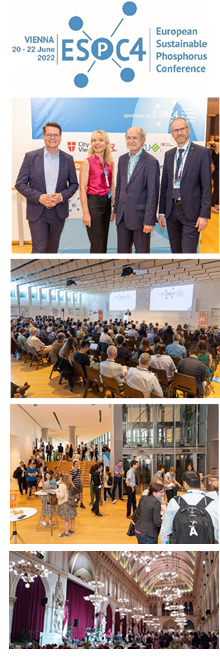 ESPC4 and PERM, June 2022
320 participants in Vienna, Austria, and a further 80 online, from more than 30 countries worldwide, joined the 4th European Sustainable Phosphorus Conference, making it the biggest conference on phosphorus ever worldwide. With PERM (the 5th Phosphorus Research in Europe Meeting), a total of 20 plenary and parallel sessions showed over 60 presentations as well as nearly 50 posters, bringing a wide range of content on links between phosphorus and climate change; global, EU, national, regional and city public policies; recycling technologies; recovered fertilisers and soil science.
Above all, the Conference provided unique opportunities for networking, for the first time since Covid, with extended breaks, dedicated Swapcard contact and conference networking app, an exceptional social event hosted by Vienna City in the Town Hall’s fabulous Festivities Hall, a site visit and the young researchers’ get together.
All presentation slides and posters, and video recordings of plenaries and selected parallel sessions are now online in the ESPP Swapcard conference networking app space, accessible to all online and in-person registrants.
After this success, candidatures are open to organise the next European Sustainable Phosphorus event in 2024: contact ESPP.
Photos:
1 = (left to right) Jürgen Czernohorszky Councillor for Climate and Environment, Vienna City Council, Johanna Bernsel, European Commission, Ludwig Hermann, Proman (conference organiser) and ESPP President and Rainer Kronberger, Vienna City Administration.
2 = Conference room nearly full for plenary sessions.
3 = Time and space for networking during breaks.
4 = 300 members of the phosphorus community let their hair down and dance at the Conference Dinner hosted by Vienna City (photo S. Omelon with thanks)
Conference web page: https://phosphorusplatform.eu/espc4
All slides, posters, recordings are available to registrants only at: https://app.swapcard.com
Regulations impacting nutrient recycling
Consolidated EU Fertilising Products Regulation (FPR) online
The European Commission has made available here the “consolidated” text of the Fertilising Products Regulation EU 2019/2009, integrating 1st technical amendments (ATP 2021/1768 of 23 June 2021) and the three ‘STRUBIAS’ criteria: precipitated phosphate salts and derivates, thermal oxidation materials and pyrolysis and gasification materials. Note that the consolidated text does not include the Recitals of the amendments, which can be found in the links included in the document indicated below. The consolidated text also does not yet include CMCs 11 (by-products, now published in the Official Journal 24/6/22) and 15 (recovered minerals, including nitrogen recovered from off-gases, pending publication), nor CMC10 (animal by-products ABPs) because texts to integrate ABPs into CE-mark fertilisers are still not yet proposed.
The Commission has also made available a document including links to legislative documents, CEN standards and Guidance documents for the FPR (23/5/2022 here).
ESPP requests European Commission to address obstacles to nutrient recycling
ESPP has asked the European Commission to address obstacles to recycling nutrients as “commodity chemicals”. Placing on the market of recovered phosphoric acid, phosphate or nitrogen salts, as commodity chemicals, is potentially obstructed by the EU Animal Feed Regulation 767/2009 (Annex II $1 and $5) which prevents use in animal feed of materials processed from manure or sewage, potentially e.g. phosphoric acid recovered from sewage sludge incineration ash. It is not feasible to place such recovered chemicals on the market if tankers leaving the recycling plant have to carry a label “this batch must not be used in animal feed production”. Commodity chemicals must be fungible, and are sold to either wholesalers or users who will take inputs from different sources for use in several different applications. ESPP has asked the European Commission to confirm that nitrogen salts recovered from off-gases are not concerned by these articles of the Animal Feed Regulation, coherent with the Commission’s statement that off-gases are not concerned by the Animal By-Product Regulation (DG SANTE reply to ESPP of 31_5_22, see under Fertilising Products Regulation at www.phosphorusplatform.eu/regulatory). ESPP has also asked the Commission to confirm that nutrient chemicals recovered from ash are not considered to be processed manure or sewage, and similarly for chemicals extracted from algae grown using manure or sewage inputs (see details in ESPP letter to DG SANTE 7_5_2021 at www.phosphorusplatform.eu/regulatory).
ESPP letter to European Commission (DG SANTE) 3_7_2022 at www.phosphorusplatform.eu/regulatory
DG SANTE proposes highly restrictive use of Animal By-Products in EU-fertilisers
DG SANTE has still not made public proposals on how to include certain Animal By-Products (ABPs) into the EU Fertilising Products Regulation (FPR), but has published slides suggesting this could be very restrictive and limited. Stakeholders have been waiting for these proposals since March 2016, when the European Commission published the draft FPR with an empty box for ABPs. The published slides suggest that four categories of materials should be authorised in EU-fertilisers under processing conditions already defined in the ABP Regulations (that is, as already widely used in national fertilisers in many Member States): that is, no additional restrictions for Cat2 and Cat3 ashes, composts, digestates, horns & hooves. However, other materials would be, under the proposal, subject to important market restrictions: packaging of < 50 kg, mixing with at least 50% plant material. This would mean significant restrictions for: Dicalcium phosphate and tricalcium phosphate (presumably meaning where derived from ABPs, esp. bones), Glycerine, Feathers and down, Processed animal protein (PAP), Hydrolysed protein, Meat and bone meal, Blood products. ECOFI and EUROFEMA have written to the European Commission objecting that these restrictions as very restrictive, unjustified and essentially exclude the use of these ABPs in agriculture, underlining that they have been widely used in national fertilisers in Member States for many years with no evidence of any BSE case traced back to fertilisers. ESPP does not agree that smaller packaging or mixing with plant materials will prevent misuse by feeding to animals instead of use as fertiliser. This will be further discussed at the EU Fertilisers Expert Group, with stakeholders (including ESPP) and Member States, 14-15 July 2022.
DG SANTE slides presented to the EU Animal Health Advisory Committee, 7th June 2022 here
Reconsideration of recycled nutrients in Organic Farming
Recycled nutrients, in particular struvites and recovered ammonia nitrogen, are back onto the EU Organic Farming Expert Group (EGTOP) agenda. Struvite and calcined phosphates from municipal wastewater were already “approved” by the Commission’s technical committee for Organic Farming six years ago (EGTOP 2/2/2016) but are today still not included into the EU Organic Farming Regulation. Since then, ESPP has supplied extensive information to the Organic Farming federation IFOAM, a “reflections” paper has been published by lead experts in FiBL identifying under what conditions recycled phosphorus could be accepted in Organic Farming, and the RELACS project has received EU-funding to assess (amongst others) recycled nutrients,. However, no real progress has been made, with the RELACS “Roadmap” proposing more discussion and more research (ESPP eNews n°66). This is regrettable in that recycling to avoid consumption of non-renewable resources is a foundation of Organic Farming, and Organic Farming risks losing productivity and soil fertility because of inadequate phosphorus supply (see Marie Reimer in ESPP eNews n°49). In answer to a written question from two members of the European Parliament (Peter Jahr, Norbert Lins), the European Commission has replied “Based on the recommendation in EGTOP’s final report on fertilisers, to be published soon, the Commission will take a decision on the possible inclusion of these products”. It is unclear what this means, in that the EGTOP minutes of 8-10 June indicate that “Recycling of nutrients (struvites, stripped nitrogen: requests from MSS)” are on the EGTOP work plan for later in 2022. ESPP has written to the European Commission (DG AGRI) requesting clarification (see www.phosphorusplatform.eu/regulatory, letter of 12/7/2022).This letter further includes precise proposals for text amendments to Annex II of the Organic Farming Regulation 2021/1165 to include the following recycled nutrient products into Annex II of the EU Organic Farming Regulation 2021/1165: Struvite, Calcined phosphates, Recovered elemental sulphur, Bio-sourced adsorbents used to treat wastewaters, Phosphorus-rich pyrolysis and gasification materials (inc. biochars), Algae and algae products grown to treat wastewater, Vivianite, Recovered nitrogen from off-gases.
Comments are welcome to ESPP on these amendment proposals (see annexes to letter of 12/7/2022).
New ESPP member
PHOSTER
 The EU project PHOSTER It aims to deliver a sustainable, replicable, and scalable circular economy solution (TRL 4) for the recovery of secondary minerals and metals from sewage sludge ashes and mining industry by-products to substitute primary critical raw materials (P, Mg) in the fertilisers manufacturing. The University of Ljubljana will re-design sewage sludge thermal treatment by setting the recovery of secondary materials as the first-priority design parameter. Politecnico di Milano will work to optimise wet chemical extraction of P from ashes. Magnesitas Navarras will investigate the best mining by-products to promote the co-precipitation of P and Mg (Politecnico di Milano). Timac Agro Italia will test the recovered materials, mixed with other raw materials, to develop fertilisers complying with relevant regulations and market demand. Social Life Cycle Assessment (SLCA) and Cost-Effectiveness Analysis (CEA) will evaluate environmental and social impacts of the fertilisers obtained from the recovered products. The different processes will be optimised together to maximise beneficial impacts for crops and the environment. The PHOSTER project proudly became a member of the European Sustainable Phosphorus Platform in the view of networking with the most relevant stakeholders in Europe and of broadly disseminating the project concept and results.
PHOSTER is co-funded is within the ERA-MIN 3 framework. Project website https://phoster-project.eu/ and LinkedIn page.
Calls for data
Pathogens and prions in Animal By-Product (ABP) and manure ash
ESPP is looking for data on sanitary safety of ABP ashes, and chemicals derived from such ashes (including ashes from manure combustion). Please send and references, reports, data analyses, etc to ESPP. We are continuing to engage with the European Commission to request that ashes from animal by-products (ABPs), and chemicals extracted from them, be authorised under the EU Fertilising Products Regulation (FPR).
At present, Cat2 and Cat3 ashes (including combustion of manures) are included in the text of the FPR (CMC 13) but are not yet authorised, pending modification of the Animal By-Products Regulation. We hope that a proposed text will be presented at the EU Fertilisers Expert Group 14-15 July. Industry and stakeholders have together been asking for progress on this for several years now.
For Cat1 ash, the European Commission has indicated to us that it plans to mandate EFSA to assess sanitary safety of Cat1 Animal By-Product ashes (see DG SANTE reply 31_5_22). ESPP hopes that this EFSA evaluation will also cover non-fertiliser uses of Cat1 ash (e.g. recovery of phosphoric acid or phosphate chemicals for use in industry or animal feed or human food applications).
ESPP has therefore launched a literature and data search for information on sanitary safety of Cat1 ash, or of chemicals processed from Cat1 ash, contracted to Kevin McDonnell’s team at University College Dublin. The most sensitive question for EFSA will be possible detection of prions in ash (or capacity of ash to transmit bovine spongiform encephalitis). Any data on sanitary safety (pathogens, prions) in Cat2-3 ash (including manure ash) is also very welcome as supporting evidence.
If you have any such data or information, please can you let us know and send to ESPP (email below): copies of, or references of, published papers, reports, etc., copies of pathogen or prion analyses of Animal By-Product or manure ash, or of ash derived products, any other possibly relevant data. If data is confidential, please let us know so that we can ensure confidential handling without disclosure.
ESPP call for literature, reports, data etc. on pathogens and sanitary safety of Animal By-Product ashes (inc. manure ashes).
Please send information by 15th July 2022 if possible.
Nitrogen recovery and recycling
ESPP is looking for literature, technology information or data on nitrogen recovery and recycling of Nitrogen. The aims are to identify technologies recovering Nitrogen from wastewaters, manure or digestates, food processing, etc., analyse development stage of these processes and identify key companies and R&D centres working in this area. We are also interested in data on sanitary safety of recovered Nitrogen products (pathogen data). ESPP has contracted a literature search and analysis to Atkinson Tumbure (researcher based in Ireland, with experience in New Zealand, Zimbabwe). Please send any reports, paper references or other sources of data to ESPP (email below).
ESPP call for literature, reports and data on Nitrogen recovery and recycling technologies.
Please send information by 15th July 2022 if possible.
Industry and policy
Animal Feed industry (FEFAC) paper on nutrient recycling in feeds
The feed industry federation notes the potential to increase “circular feed” and nutrient recycling in animal feed, whilst not competing with human food use, the need to address regulatory obstacles and the importance of safety. FEFAC underlines that circularity for animal feed must be in synergy with the feed conversion ratio (which indicates resource input efficiency, for which nutrient digestibility is important). Twelve examples of nutrient recovery practices are presented, including sugar production, beer brewing, industrial fermentation, grass bio-refining, dairy production, animal by-products and calcium phosphate from gelatine production (animal bones).The position paper notes that in practice, nearly none of the raw materials used in animal feed are of human food grade, for economic reasons. FEFAC emphasises that ensuring food chain safety in nutrient recycling to feed is essential. FEFAC suggests nonetheless that potential exists for increasing nutrient recycling to feed, that this should be mapped looking at emerging circular economy practices, and that some regulatory obstacles should be addressed, where these are more rigid than necessary to achieve safety. In particular, FEFAC notes the problem of the outright exclusions of Annex III of the Animal Feed Regulation 767/2009 (see ESPP request to European Commission, above), and obstacles to use in animal feed of Cat 3 Animal By-Products as inputs for algae or micro-organism production. Spotlight examples presented, where regulatory obstacles are hindering safe recycling, are: insect farming, algae production, phosphate recovery from sewage sludge incineration ash, single cell proteins
“Circular feed. Optimised nutrient recovery through animal nutrition”, FEFAC 13th June 2022. The European Feed Manufacturers’ Federation (FEFAC) brings together compound animal feed industry associations from 25 countries and the European associations EMFEMA (on-farm mineral mixes) and EFFPA (former foodstuffs to feed).
Fertilising products and EU agricultural statistics (SAIO Regulation)
ECOFI and EBIC say statistics on all fertilising products should be included in the new European agricultural statistics system (EASS), in coherence with the product categories (PFCs) of the EU Fertilising Products Regulation (FPR). The European Commission has proposed, within the Green Deal, a new regulation on statistics on agricultural input and output (SAIO), intended to integrate data on agricultural production (including Organic Farming), agricultural prices, plant protection products (PPPs) and nutrients. The proposed Regulation is currently under discussion by the European Parliament and Council. The European Biostimulants Industry Council (EBIC) and the European Consortium of the Organic-Based Fertilizer Industry (ECOFI) position asks that SAIO covers all “fertilising products”, not only inorganic and organic fertilisers, that is all PFCs of the EU Fertilising Products Regulation (FPR 2019/2009). The federations also ask that the EU’s economic and customs statistics system (NACE) be updated to cover all FPR PFCs and that statistics track fertilisers authorised for Organic Farming (in order to help address confusion between “organic fertilisers” as defined in the FPR, that is containing organic carbon, and fertilisers for Organic Farming, which can be mineral).
“EBIC and ECOFI urge the inclusion of data on all fertilising products in the Regulation on Statistics on Agricultural Input and Output (SAIO) in line with Europe’s Green Deal targets”, 9th March 2022
EU proposal for a Regulation on Statistics on Agricultural Input and Output (SAIO): Eur-Lex.
Evoqua to take forward Ostara struvite recovery technology
The market leader in struvite recovery from sewage and ESPP member, Ostara, has signed with Evoqua Water Technologies, a leader in water treatment technologies, for sales and implementation in Europe and North America. Ostara’s Pearl® system from Evoqua recovers phosphorus as high-purity Crystal Green struvite (magnesium ammonium phosphate) granules from wastewaters, in particular from digestate filtrate in biological phosphorus removal (EBPR) sewage works, where this can improve biological P and N removal and sludge dewatering. Ostara has today some 24 installations operating or under construction worldwide. Evoqua serves more than 38 000 customers and 200 000 installations worldwide providing global reach to Ostara and enabling to offer synergy with treatment solutions including biological P removal systems and upgrading, denitrification, advanced anaerobic digestion and biogas production, ammonia removal, degassing, etc. Evoqua also offers innovative ballasted clarification and tertiary filtration systems (ballasted clarifiers) for P-removal applications (see SCOPE Newsletter n°141).
EVOQUA: www.evoqua.com/nutrientrecovery
Press release 16th September 2021 here.
Food industry sustainability plan
FoodDrinkEurope (the EU food and beverage industry federation) “Action Plan” targets climate change, packaging and nutrition, as well as food loss and waste and a circular and resource efficient food chain. Phosphorus and fertilisers are however not mentioned. The proposed industry Nutrition Action Project targets healthier diets and lifestyles, noting that over half of European adults and a third of children are overweight, including addressing “malnutrition and diet-related health conditions” and addressing in particular labelling and food safety. Nutrition is considered as mainly reducing salt and sugar, but also promoting “sustainable beef” or “healthy snacking”.
“Action Plan For Sustainable Food Systems”, FoodDrinkEurope, 15th June 2022 here.
Nordrhein-Westfalen publishes P-recovery fact sheets prepared by DPP and FHNW
FHNW (University of applied Sciences and Arts Northwestern Switzerland) has compiled 11 fact sheets (in German) on phosphorus recovery processes with the help of DPP and the technology providers: struvite / calcium phosphate precipitation (AirPrex, PhosForce, Stuttgart process), EuPhoRe, Pyrophos, AshDec, Ecophos, Parforce, Phos4Life, direct application of ash to land, sewage sludge incineration ash use in the fertiliser industry. The 2-page fact sheets outline the process, rate of P-recovery, % P in output product and plant availability (NAC solubility), and provide information on existing installations and company contacts. The fact sheets were commissioned by the German Land of North Rhine-Westphalia as part of a project performed by SWECO, DPP, FHNW, Talanwälte, Fraunhofer ISI and ATEMIS. Besides the factsheets, the project report contains an analysis of all relevant legislation, infrastructure of North Rhine-Westphalia, a characterisation of the relevant technologies, scenarios with cost estimation for phosphorus recovery in North Rhine-Westphalia and recommendations.
Nordrhein-Westfalen Steckbriefe (P-recovery fact sheets), in German, 28/2/2022, here and on the Swiss Phosphorus network www.pxch.ch. The complete project report here
See also the updated (6/2022) ESPP-DPP-NNP Nutrient Recovery Technology Catalogue http://www.phosphorusplatform.eu/techcatalogue
Research
Nearly half of global food production depends on mined phosphate rock
The anthropogenic signature of soil-available phosphorus is estimated country by country worldwide, based on soil P pools modelling, fertiliser, animal feed and crop data since 1950. Country-specific modelling of exchanges between pools of stable and labile phosphorus in soils are combined with annual data 1950 – 2017 for mineral P fertiliser and mineral animal feed P-additives, livestock and manure, crops (and so model estimates of crop P harvest), human population and sewage sludge, modelled losses to water, imports and exports (international trade of agricultural products). Anthropogenic content of soil P pools before 1950 are assumed negligible. The study estimates the anthropogenic signature of the labile soil phosphorus pool, worldwide, at 45% (±8%), with Western Europe, North America and Asia around 60%, whereas Eastern Europe are around 40%, Africa 30% and Australia and New Zealand below 20%. Assuming that crop production depends on soil P availability, which approximates to labile soil P, this means that nearly half of today’s global food production today depends on phosphorus originating from mined phosphate rock. It should be noted that this dependency includes past application of mineral fertiliser (or of mineral-origin P via e.g. manure), i.e. includes “legacy P” in soils, so does not inform on the vulnerability of current food production to today's level of phosphate rock use, but rather informs on the combined past and present contribution of phosphate rock to current level of food production. The authors note, for example that a drastic reduction in mineral P fertiliser application would only slightly reduce this modelled anthropogenic P signature because P-recycling would impact both anthropogenic and natural P-fluxes similarly.
“Anthropogenic signature of global agricultural soil phosphorus”, full paper, published by Nature Portfolio but still under review, not yet accepted for publication 7/2022 https://doi.org/10.21203/rs.3.rs-1741339/v1 and “To what extent our food production depends on anthropogenic phosphorus?”, EGU22-7944 abstract, 6/2022 https://doi.org/10.5194/egusphere-egu22-7944 J. Demay, T. Nesme, B. Ringeval, S. Pellerin.
Increasing research into nutrient recovery
A literature review 2000 – 2020 shows exponentially increasing publications on nutrient recovery, with papers addressing mainly phosphorus recovery, and papers on biological recovery routes particularly increasing. A total of 1869 publications were found with phosphorus recovery, nitrogen recovery in the title, keywords or abstract, reaching 350/year in 2020. The number per year is increasing, particularly since 2014, from close to zero in 2000. China, USA and Australia are indicated to be the most prolific countries, but if taken together, the total from EU countries is higher. The authors consider that the number of publications today is not yet considerable, and can be expected to continue to increase with an S curve, maybe reaching maturity with a plateau of around 1600 publications per year from around 2040 (that is over four times more publications per year than today). The number of publications into biological routes for nutrient recovery is especially expected to increase. The authors also provide analysis on the most prolific journals, bibliometric attractivity and activity indexes.
“Technical advances on current research trends and explore the future scope on nutrient recovery from waste‑streams: a review and bibliometric analysis from 2000 to 2020”, T. Kamilya et al. Environmental Science and Pollution Research 2022, DOI.
Main climate impact of phosphate fertiliser is in use phase
Data modelling of greenhouse emissions from P-rock mining, fertiliser production and use on arable crops in China suggests that nearly 60% are related to crop production. This study assesses greenhouse emissions from phosphate rock mining (<10% of total supply-chain emissions), fertiliser production and fertiliser use on maize rice and wheat in China. Total phosphorus-related greenhouse emissions in China (for grain production) are estimated to have increased by more than five times since 1980 to c. 45 Tg CO2-eq. The authors note that fertiliser production in China is highly fragmented, with many small, inefficient units. Data is based on field fertiliser trials in a number of locations across China 2005 – 2014. The climate emissions from fertiliser use are based on the CO2 emission factor for using P fertilizer of 1.63 kg CO2-eq / kg P2O5 (Huang et al., 2017, Wang et al., 2017) and also on nitrogen climate gas emissions from MAP and DAP. This results in calculated total supply-chain emissions for MAP and DAP significantly higher than for TSP (mainly because of the nitrogen content of MAP and DAP) and lowest for SSP. The authors conclude that improving phosphorus use efficiency in fertiliser use offers important potential synergies with reducing greenhouse emissions.
“Synergies in sustainable phosphorus use and greenhouse gas emissions mitigation in China: Perspectives from the entire supply chain from fertilizer production to agricultural use”, H. Gong et al., Science of the Total Environment 838 (2022) 155997, DOI.
Phosphorus flows in Ontario
Project undertaken with financial support from the Government of Canada assesses phosphorus flows and recovery potential for the Province of Ontario, Canada, as part of wider effort to define and develop a Canadian Nutrient Recovery and Reuse Platform. The report on phosphorus flows in Ontario, led by Canada’s longest-standing environmental NGO, Pollution Probe, in collaboration with researchers, follows the stakeholder phosphorus forum organised in March 2018 (ESPP eNews n°38) which recommended studying P flows to provide a foundation for the creation of a Canadian nutrient recovery and reuse platform with regional hubs. The report concludes (fig.6, p21, see below) that the largest use sector for phosphorus in Ontario is agriculture, importing 56 ktP/y in fertilisers and 23 ktP/y in animal feed and animals. Chemical imports for uses other than fertiliser production are estimated at 22 ktP/y. The report looks at the “end use” of this imported phosphorus, most of which (56 ktP/y) goes into food products (crop food products, meat, milk and eggs), with other significant “uses” being chemicals exported (14 ktP/y), bio-ethanol production (6 ktP/y), P-losses to water (5 ktP/y) and phosphorus accumulation in soils (9 ktP/y). Unlike in some other publications, these identified “end uses” include intermediate stages (e.g. P in food products, which will be returned to crops via sewage or food waste, or end up in landfill) and uses where no P is finally present (bio-ethanol). P flows to composting and to anaerobic digestion, and P flows from municipal wastewater treatment to land application are also estimated in the report. The potential for phosphorus recovery in recycling in various flows is discussed (manure, slaughterhouse waste,
sewage, etc.). Examples of technologies and case studies are presented.
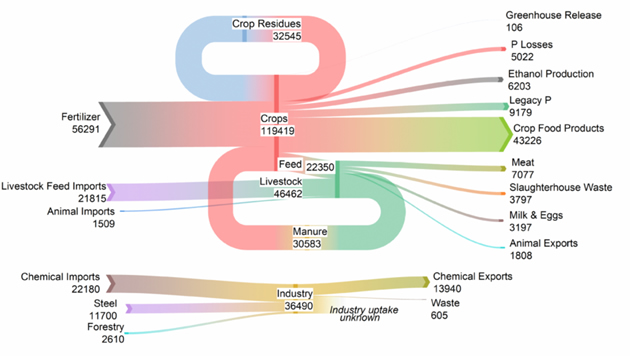
Figure 6 from the report: Phosphorus Flows (t/a) through Ontario’s Agricultural and Select Industrial Sectors (2019).
Note “greenhouse” in this figure means agricultural glasshouses and does not refer to climate emissions.
“Mapping Phosphorus Flows in the Ontario Economy”, Pollution Probe et al., 2022, 164 pages online here.
Another unhelpful Life Cycle Analysis” ?
A “screening LCA” on organic fertilisers illustrates, as is often seems to be the case, how Life Cycle Analysis can fill many pages to produce unhelpful “science”. This study claims to develop LCA (Life Cycle Analysis) and LCI (Life Cycle Inventory) for various organic fertilising materials. Materials such as sewage sludge, manures, digestates are compared to “commercial organic” and “commercial organo-mineral” fertilisers. In the Supplementary Information p10 ($3.5) comparison is also made to mineral fertilisers. The study suggests that the most significant environmental impacts of producing organic fertilising materials are in thermal drying and dewatering, but considers the impacts of producing raw manure as zero (LCA standard practice for waste). This is misleading, because sewage sludge or manure are not dried to produce fertiliser but for storage and disposal reasons, whereas on the other hand manure can be considered as an inherent part of livestock production, which has significant environmental impacts. Nitrogen losses during manure storage (ammonia and climate emissions) are taken into account, but not emissions during application and then from soils, whereas these vary considerably between different organic materials and different mineral nitrogen fertiliser chemicals. The study shows, as often in LCAs, that the results depend principally on “Deus ex Machina” allocations of emissions to input secondary materials and LCA boundaries. With the parameters applied, this study concludes that untreated manures and sewage sludge, and manure digestates, have the lowest LCA, (predictably, as no emissions are allocated to their production, and because emissions during use and from soil are not considered), that commercial organic fertilisers and treated organic waste streams have similar LCA with generally higher impacts than mineral fertilisers.
“Screening LCA of French organic amendments and fertilisers”, A. Avadí, The International Journal of Life Cycle Assessment (2020) 25:698–718, DOI.
Ignoring weather variation results in P-targets 50% too high
Modelling for Lake Erie suggests that failure to consider natural weather variation leads to substantial over-estimation of environmental phosphorus targets and so inadequate actions. The modelling included agriculture and crop economics, the soil P cycle and decision makers perceptions of environmental risks. Environmentally “Risk-neutral” and “Risk-averse” management strategies were modelled, both based on average expected weather conditions, but when variability of weather is taken into account, both result in soluble phosphorus loads which are beyond fixed water quality objectives in one year out of two. If 85% reliability of achieving target P-loads is defined as an objective (taking into account weather), this requires a 30% reduction in P-inputs (additional to 16% reduction already required based on average weather) and leads to a 15% profit loss for farmers under “current” weather conditions, and a 23% loss under estimated climate change conditions (RCP 8.5). Cultivation of cover crops and of less nutrient-intensive crops are also required. The authors note that climate change reinforces these conclusions, but has less impact than taking account of current weather variability which already requires considerable reductions in P input limitations and changes in agricultural practices.
“Containing the Risk of Phosphorus Pollution in Agricultural Watersheds”, M. Wildemeersch et al., Sustainability 2022, 14, 1717. DOI.
Stay informed
SCOPE newsletter: www.phosphorusplatform.eu/SCOPEnewsletter
eNews newsletter: www.phosphorusplatform.eu/eNewshome
If you do not already receive SCOPE and eNews (same emailing list), subscribe at www.phosphorusplatform.eu/subscribe
LinkedIn: https://www.linkedin.com/company/european-sustainable-phosphorus-platform/
Slideshare presentations: www.slideshare.net/NutrientPlatform
Twitter: @phosphorusfacts
ESPP members
Newsletter about nutrient stewardship - European Sustainable Phosphorus Platform (ESPP)
Please subscribe www.phosphorusplatform.eu/Subscribe
Link to www.phosphorusplatform.eu/eNews067
Download as PDF
ESPC4 and PERM 20-22 June 2022 hybrid online and Vienna, Austria
EU consultations
EU consultation on nutrient management (INMAP)
EU consultation on sustainable food production
EU consultation on Environmental Liability
EU consultation on Waste Framework Directive and food waste
ESPP new members
Borealis L.A.T. will present cooperation with Vienna on P recycling at ESPC4
VaLoo: the newly founded Circular Sanitation Network Switzerland
Call for abstracts
7th Sustainable Phosphorus Summit (SPS7) 1 – 4 November 2022, North Carolina
EU Integrated Nutrient Management Action Plan (INMAP)
EU Commission workshop says current nutrient policies not sufficient
Policy
EU reaffirms intention to act on contaminants in phosphate fertilisers
EU communication on food systems resilience and war in Europe
United Nations resolutions recognise global phosphorus challenge
EU proposes progress on ashes from Animal By-Products (ABPs), inc. Cat1 ash
Research
‘Our Phosphorus Future’ report published 9th June
Overview of global P sustainability questions
Data shows no significant impacts of phosphorus intake on health
Nitrogen Use Efficiency for European farms varies from 17% to 75%
Stay informed
ESPP members
ESPC4 and PERM 20-22 June 2022 hybrid online and Vienna, Austria
Nearly 300 participants are now confirmed for Vienna and online, 20-22 June, for ESPC4 (4th European Sustainable Phosphorus Conference), PERM (Phosphorus Research in Europe Meeting) site visit and young researchers networking event.
If you can’t make it to Vienna, register to participate online, now.
All plenary sessions and 4 (of 12) parallel sessions will be online (see programme).
We will be using SWAPCARD to enable contacts and networking between all online and in-person participants (accessible after registration only), one chat & forum for the whole event enabling questions, discussion and exchange of information, as well as your own profile, programme, access to session recordings after the event …
Confirmed speakers include the European Commission (DG Environment, DG GROW, DG Research, CINEA), international organisations, leading companies, scientists and stakeholders.
Registration: https://phosphorusplatform.eu/espc4

EU consultations
EU consultation on nutrient management (INMAP)
Public consultation, open to 15th August 2022, asks for opinions and proposals on nutrient policies, fiscal and regulatory tools, and on nutrient recycling. General questions ask for input on which impacts of nutrient pollution are important, different actors involved and links to other environmental challenges, including climate. Input is requested on what should be the key actions and policy tools (e.g. fiscal policy, financial incentives …), consumer actions (e.g. dietary choices) and whether INMAP should address nutrients other than N and P. A section on nutrient recycling asks to identify obstacles to recycling (e.g. cost, regulation, contaminants …) and priority actions to support nutrient recycling (e.g. targets, taxes, enforcement of legislation …). Supporting documents or proposals can be submitted. See summary of INMAP workshop below. INMAP will be presented at ESPC4, 20-22 June, register now online.
EU public consultation on INMAP, “Nutrients – action plan for better management”, open to 15th August 2022, HERE.
EU consultation on sustainable food production
EU public consultation, open to 21st July 2022, “Sustainable EU food system – new initiative”. See ESPP eNews n°66 and HERE.
EU consultation on Environmental Liability
“Environmental Liability Directive (evaluation)”, public consultation (questionnaire) to 4th August 2022. See ESPP eNews n°66 and HERE.
EU consultation on Waste Framework Directive and food waste
Public consultation, open to 16th August 2022, asks for opinions objectives and possible policies for waste reduction, recycling and reuse, food waste, separate collection. Questions address opinions on general consumer behaviour concerning waste prevention and waste management and links to product purchasing, priorities, separate collection of different household wastes and consumer sorting, tools such as producer responsibility or economic incentives. Specifically for food waste, question concern policy priorities, stakeholders, obstacles to food waste reduction and possible policies to reduce food waste, including surplus food redistribution, packaging, best-by dates, monitoring, education or fiscal incentives, legally binding waste reduction or reuse targets,
EU public consultation, open to 16th August 2022, “on the revision of the Waste Framework Directive”. One consultation with two different access pages: “Food waste – reduction targets” HERE and “Environmental impact of waste management – revision of EU waste framework” HERE.
ESPP new members
Borealis L.A.T. will present cooperation with Vienna on P recycling at ESPC4
Regional wastewater treatment plants and regional fertilizer manufacturers in cooperation: closing the cycle in nutrient management.
 Borealis L.A.T. operates combined NPK and calcium ammonium nitrate fertiliser plants at its location in Linz, Austria. The highly efficient Odda process (nitrophosphoric acid route) is designed to use more than 100,000 tons of secondary lime avoiding waste and unnecessary by-product creation. Borealis L.A.T. has entered into a nutrient recovery partnership with Vienna municipality. In a multi-partner cooperation, ash from sewage sludge mono-incineration will be used as raw material providing value able recovered phosphor for high quality fertiliser production. Successful large scale technical trials show that the ash can be used in product of high quality fertilisers, and that logistics are safe. Challenges remain in the regulatory approval process and appropriate go-to-market approaches for recovered nutrient products.
Borealis L.A.T is a well-known partner of European agriculture, together with millions of farmers constantly striving for better yields and higher quality crops at reduced ecological footprint. Based on the concept of Nitrogen Use Efficiency, Borealis L.A.T provides farmers with directly plant-available fertilizers and digital services for efficient use of plant nutrients, like NutriGuide® - fertilisation planning according to crop rotation principles and actual nutrient requirements; NutriZones® - precise, site-specific nitrogen spreading based on satellite maps; N-Pilot ® - measuring plot-specific nitrogen demand and delivering fertilisation advice within a few minutes.
VaLoo: the newly founded Circular Sanitation Network Switzerland .
 VaLoo is the newly founded circular sanitation network Switzerland. The network exists of startups, companies, researchers, farmers and individuals that dream of a world where VALue is created form what normally ends up in the LOO. VaLoo’s members collaborate to promote and facilitate the implementation of resource - oriented sanitation in Switzerland. In recent years, many innovative solutions are being tested and implemented that can recover nutrients from toilets for save reuse in agriculture. In order for these technologies to scale up and flourish, fertilizer regulations must include human excreta as a component material category(CMC) for fertilizers. Through our expertise, we hope to add to the ESPP mission for sustainable cycling of phosphorus as well as other nutrients via circular sanitation.
Call for abstracts
7th Sustainable Phosphorus Summit (SPS7)
1 – 4 November 2022, North Carolina
 SPS is the world academic and research conference on phosphorus sustainability, and will take place with the US phosphorus Week (US SPA, STEPS), 1-4 November 2022.
Call for abstracts for SPS open to 15th July 2022.
Previous SPS have taken place in Brazil 2018 (SPS6), China 2016 (SPS5), France 2014 (SPS4, see SCOPE108), Australia 2012 (SPS3, see SCOPE85), USA 2011 (SPS2) and Sweden 2010. Co-hosted by the STEPS Center (US Science and Technologies for Phosphorus Sustainability) and the US Sustainable Phosphorus Alliance, SPS7 (3-4 November 2022) and the US SPA annual Phosphorus Forum (1-2 November) in Raleigh, North Carolina
Call for abstracts HERE for Sustainable Phosphorus Summit 2022, US Phosphorus Week (1-4 November, North Carolina) including SPS7 and US SPA Phosphorus Forum: https://phosphorusalliance.org/phosphorus-forum/
EU Integrated Nutrient Management Action Plan (INMAP)
EU Commission workshop says current nutrient policies not sufficient
Participants underlined that nutrient recycling is needed to address food and fertiliser security, and pointed to soil health, nutrient controls in the CAP, sewage recycling, and to dietary change as the primary driver for nutrient demand.
The European Commission workshop “Towards a Zero Pollution Monitoring and Outlook” (24-25 May 2022), included a half day on integrated nutrient assessment and INMAP (the EU’s proposed Integrated Nutrient Management Action Plan), with around 20 participants in Brussels and around 130 online. The workshop discussed policies needed to achieve the EU Green Deal (Farm-to-Fork and Biodiversity Strategies) target to reduce nutrient losses by -50% by 2030, and monitoring and indicators needed to support this target for decision makers, industry and stakeholders.
Joachim d’Eugenio, Jeanne De Jaegher, Christophe Didion and Andrea Vettori, European Commission DG Environment, reminded that INMAP aims to define and engage actions, across all EU policies and with Member States, to achieve the Green Deal objective of reducing nutrient losses by 50% by 2030. The EU’s nitrogen and phosphorus emissions currently exceed the European share of the Planetary Boundaries by x 3.3 and x 2 respectively. The war in Europe and its impacts on fertiliser supply, phosphate rock resource supply and food affordability, increase pressure (see the Commission communication on “Safeguarding food security”, 23/3/2022, summarised below). DG Environment pointed to the public consultation on INMAP open to 15th August 2022, indicating that input is looked for on which policies and actions are need and on defining priorities.
INMAP will address:
- integrated approach on nutrient pollution encompassing air, water, soil and climate
- sustainable application of nutrients
- nutrient pollution at source
- sustainability of agriculture and other sectors
- nutrient pollution hotspots and livestock production
- nutrient recycling
- shortcomings in specific legislations on nutrients and implementation gaps
Andrea Vettori will present the proposed EU Integrated Nutrient Management Action Plan (INMAP) and answer participants’ questions at ESPC4, 20-22 June, register here https://phosphorusplatform.eu/espc4
Bruna Grizzetti and Diego Macias Moy, European Commission Joint Research Centre (JRC), presented the wide range of work underway in JRC modelling nutrient losses and possible reductions in losses achievable through different policy options.
JRC estimates that around 50% of nitrogen (N) and 40% of phosphorus (P) entering the food production system in the EU is lost to the environment (in both cases, around 10% of inputs ends up in food waste). Grizzetti et al. 2021 (see ESPP eNews n°55) concluded that implementation of current EU policies could reduce N losses to European seas by -14% and P losses by -20% only, that is not achieving the Green Deal -50% target. Modelling underway suggests that additional N and P reduction are possible with additional measures. Recycling of phosphorus could cover 25% of agricultural inputs, so making a significant contribution to the Green Deal nutrient reduction target by transferring phosphorus from regions with excess (livestock production) to regions with crop needs, but this is estimated at only 10% for nitrogen.
For nitrogen, modelling suggests that a reduction of N fertiliser application in N-surplus regions and an increase in regions with low soil N would result in a 6-7 % reduction in EU total fertiliser consumption and N losses with no overall loss to production. Enhanced implementation of sewage treatment could reduce N loses by 8%, climate policies under Fit-for-55 (N losses to air) by 11% and ambitious agricultural policies by 11%.
JRC underlines that even such ambitious scenarios for application of existing EU policies, taken together, remain inadequate to achieve the Green Deal -50% loss reduction target. Action is therefore needed on dietary change, extending Organic Farming and connecting livestock to crop production, with a food security aim of zero import of animal feed.
JRC noted that nutrient reductions and policy applications need to be region-specific. Concern was also expressed that reducing nitrogen losses more than phosphorus losses could lead to blue-green cyanobacteria blooms (replacing diatoms).
Ian Marnane, European Environment Agency, proposed for discussion various indicators for monitoring nutrient management, based on existing data sources, including algal blooms, nutrient levels in surface waters and Water Framework Directive quality status, consumption of mineral fertilisers, ammonia losses to air from agriculture and other sectors (Emissions Ceilings Directive). He noted the need to also develop cross-cutting indicators, concerning nutrients in food, health and ecosystems (to be defined).
Participants suggested that indicators should specifically address recycling, for example using Circular Economy and Critical Raw Materials indicators, see the EEA report “Sewage sludge and the circular economy”, May 2021, in ESPP eNews n°58. Roll-out of more efficient fertilisers offers potential, e.g. with nitrification inhibitors. The interest of the existing Nitrogen Use Efficiency indicator (EU Nitrogen Expert Panel 2015) was noted, with the question how to extend this to Phosphorus Use Efficiency?.
The need to harmonise Member State reporting on nutrients (agriculture, sewage, industry) was underlined by The Netherlands. The European Commission noted that some Member States are not reporting nutrients to Eurostat, and that it will be proposed to make this reporting obligatory.
In workshop discussion, the importance of the Common Agricultural Policy (CAP) was emphasised. DG Environment indicated that although the proposed “FaST” (Farm Sustainability Tool for Nutrients, that is calculation of farm nutrient balances) has not been made obligatory for all farms, it is part of the CAP Advisory Service (see revised CAP 2021/2115 art. 15(4)g) and is now available online. Member States’ CAP Strategic Plans will be required to be “Green Deal” conform (including the -50% overall EU nutrient loss reduction target). Also, farm nutrient balances will be progressively required for all farms in Nitrates Directive ‘Vulnerable Areas’ under Nitrates Directive Implementation Programmes. ESPP notes that this raises the question of whether balances will also be required for phosphorus?
Discussion emphasised the importance of reducing contaminants at source in sewage sludge, to facilitate nutrient recycling, and the potential for phosphorus recycling from animal by-products (in particular, meat and bone meal ash), whilst guaranteeing safety. DG Environment indicated that the revision of the Sewage Sludge Directive (see ESPP eNews n°51) aims to reduce pollutants both at source entering sewage and going to agricultural land, in coordination with other EU actions (such as the proposed Green Deal ban of PFAS/PFOS Directive, see ESPP eNews n°49). Discussions are also engaged to possibly reduce the 50 mg/l nitrates limit in drinking water (EU Drinking Water Directive 98/83).
Participants also discussed how to develop nutrient recycling. Anders Finnson, Swedish Water and Eureau, asks for a “recycled nutrient quota” in fertilisers placed on the market, to drive demand for secondary nutrients. Cecilia Dardes, Fertilizers Europe, indicated that the industry is favourable to nutrient recycling, that around half of nutrient inputs to EU agriculture are already recycled (especially manure) but that around half of our food production is dependent on mineral fertiliser inputs.
For Liisa Pietola, MTK Finland and Copa-Cogeca, farmers need recycled fertilisers which they can use efficiently, which are compatible with their existing spreading equipment and which do not contain substances which may harm soil ecology.
The European Commission DG Environment concluded the workshop by underlining the need to identify economic and efficient actions, by improving resource efficiency for nutrients, crucial in the current context of food insecurity. The link to soil health was emphasised, and the proposed EU Soil Health Directive (EU consultation March 2022, see ESPP eNews n°64) will address the functions of soil for food production, biodiversity, air and water quality.
DG Environment also underlined the importance of the Member States’ CAP (Common Agricultural Policy) Strategic Plans and the objective fixed for INMAP in the Zero Pollution Action Plan (SWD(2021)140 - SWD(2021)141) to use “the green architecture of the new common agricultural policy, especially via conditionality and eco-schemes” to address nutrients. The Commission will require Member States to define their own nutrient targets in their CAP Strategic Plans.
ESPP notes that the revised CAP conditions payments to farmers on respect of certain specific points (regarding water use and phosphate and nitrate pollution) of the Water Framework Directive 2000/60 and of the Nitrates Directive 91/676 (revised CAP 2021/2115 Annex III, SMRs [Statutory Management Requirements] 1, 2, 8) as well as requiring that Member States’ CAP Strategic Plans should “contribute to and be consistent with” these two Directives.
The European commission concluded with the need to go across silos, to work with stakeholders in different sectors, with Member States and Commission Expert Groups, and with the importance of input to the currently open public consultation open to 15th August 2022, HERE.
EU Zero Pollution Monitoring and Outlook Workshop, 24-25 May 2022, including session on Integrated Nutrient Management Action Plan (INMAP), documents, presentations, etc HERE.
EU public consultation on INMAP, “Nutrients – action plan for better management”, open to 15th August 2022, HERE.
Policy
EU reaffirms intention to act on contaminants in phosphate fertilisers
The European Commission’s chemicals “Restrictions Roadmap” includes a proposed restriction under REACH of “Substances in fertilisers”, targeting e.g. contaminants in phosphate fertilisers. This Roadmap is part of the Green Deal Chemicals Strategy for Sustainability and “prioritises group restrictions for the most harmful substances to human health and the environment”. The possible group restriction of “Substances in fertilisers” is indicated as pending discussion on the recent European Commission study (the ARCADIS report on risks of contaminants in fertilisers, July 2021, see ESPP eNews n°61) and possibly including “contaminants in phosphate fertilisers” and “other substances intentionally used in fertilisers”. Substances targeted also include PFAS (as a “group”), which is important to reduce these in sewage sludge where they are an obstacle to reuse / recycling (see e.g. “Swedish Water calls for ban on all PFAS chemicals” in ESPP eNews n°66).
“Sustainable Chemicals: The Commission advances work on restrictions of harmful chemical substances”, European Commission 25th April 2022 HERE and SWD 2022 128 (25th April 2022) “Restrictions Roadmap under the Chemicals Strategy for Sustainability” HERE.
EU communication on food systems resilience and war in Europe
The European Commission recognises EU dependence on imported fertiliser, and the global fertiliser and food price crisis, and points to the need to optimise fertiliser use and develop nutrient recycling. The Communication indicates that the Common Agricultural Policy, through Member States’ Strategic Plans, should support practices to optimise fertiliser efficiency, so reducing their use. Dependency of mineral nitrogen fertiliser production on natural gas should be addressed, through “clean hydrogen” and “green ammonia”. Import dependency for phosphate and potassium is identified as a concern and actions to recover and reuse nutrients from manures, by-products, residues and wastes will be supported (e.g. EU Bioeconomy Strategy, Horizon Europe Circular Bio-based Europe partnership).
“Address by Mr Janusz Wojciechowski 23 March 2022 HERE.
“European Commission Communication "Safeguarding food security and reinforcing the resilience of food systems" COM(2022)133, 23rd May 2022 HERE.
United Nations resolutions recognise global phosphorus challenge
The United Nations Environment Assembly (UNEA) has again noted the importance of phosphorus in global water pollution and food security, but so far has not engaged action. In 2019 already (see ESPP eNews n°33), UNEA (part of UNEP, the United Nations Environment Programme) recognised that crop production and food security are dependent on nutrient resources and proposed to support sharing of information concerning nutrient recycling. The 2nd March 2022 resolution of UNEA on Sustainable Nitrogen Management expresses “concern that excessive levels of nutrients, in particular reactive nitrogen and phosphorus, have a significant impact on species composition in terrestrial, freshwater and coastal ecosystems …” and recognises that “global crop and livestock production and food security depend on using nutrients sustainably and decreasing nutrient waste, including nitrogen and phosphorus”. The 2022 resolution proposes the development of national action plans for sustainable nitrogen management and development of the UNEP Working Group on Nitrogen, but does not propose actions on phosphorus or other nutrients.
UNEA (UNEP) resolution on Sustainable Nitrogen Management, adopted 2nd March 2022 HERE.
EU proposes progress on ashes from Animal By-Products (ABPs), inc. Cat1 ash
The European Commission has written to ESPP that inclusion into the EU Fertilising Products Regulation of ashes from manure and certain other ABPs is underway, and that assessment of safety of Category 1 ash will be engaged. ESPP submitted written questions to the European Commissioners for Health and Food Safety (SANTE) and for the Internal Market (GROW). The answer from the Director General of DG SANTE states inclusion of ash from (co-)combustion of manure and certain other Category 2 and Category 3 Animal By-Products is under discussion with Member States (it is ESPP’s understanding that a proposed text will be presented at the Animal Health Advisory Committee meeting of 7th June). DG SANTE also writes that a mandate is under preparation to request an EFSA Opinion on the safety of Category 1 ABP ashes, preparatory to a possible regulatory text to allow use of this ash in fertilisers.
ESPP is therefore interested to receive any data, reports, references of studies or publications concerning the sanitary safety of ash from (co-)combustion of Category 1 Animal By-Products (elimination of pathogens, in particular of prions).
Animal By-Product ash in fertilisers, including Cat1 ABP ash: ESPP letter of 25th April 2022 and DG SANTE reply of 30th May 2022 online at www.phosphorusplatform.eu/regulatory
Research
‘Our Phosphorus Future’ report published 9th June
This project has engaged over 80 scientists and experts worldwide to develop a global report on P sustainability challenges, and aims to provide the evidence base for global action. Our Phosphorus Future was supported by the United Nations Environment Fund (UNEP) and ESPP. A call for a global science initiative on phosphorus was launched at the 3rd European Sustainable Phosphorus Conference (ESPC3, Helsinki, 2018) with over 500 signatories. Chapters of the Our Phosphorus Future report address phosphate resources and uses, food and agriculture systems and consumption, water quality, recycling and recovering. The report’s thematic chapters have been circulated for review to the 80+ chapter authors and to further stakeholders and experts including the UNEP GPNM (Global Panel for Nutrient Management), members of ESPP and members of the Sustainable Phosphorus Alliance North America. Over 80 pages of comments were received, reviewed by CEH, and then proposed changes validated by each chapter’s authors and, where useful, with consultation of other experts. An overview of the questions addressed in the ‘Our Phosphorus Future’ (OPF) report was already published in Nature Food, February 2021, see below. The conclusions of Our Phosphorus Future will be presented and discussed at ESPC4 Vienna 20-22 June 2022.
ESPP has contributed financially to the ‘Our Phosphorus Future’ project (OPF): the report is independent and represents the views of the authors, not of ESPP. Future Our Phosphorus Future website after launch on 9th June 2022 www.opfglobal.com
Overview of global P sustainability questions
A short article in Nature Food outlines key global issues of phosphorus sustainability, covering agriculture, water quality, food production and consumption, waste management, recycling, phosphate rock resources. The 3 page overview underlines that despite the known environmental challenges around phosphorus (planetary boundaries, eutrophication and harmful algal blooms), which are likely to be accentuated by climate change, phosphorus remains still largely absent from global intergovernmental agendas. Some targets are however now being considered, for example the United Nations Convention on Biological Diversity (CBD) Post-2020 Global Biodiversity Framework working group proposed the target to reduce pollution from excess nutrients by 50% by 2030. This is now taken up by the EU Green Deal (Farm-to-Fork and Biodiversity strategies) which fix the target of reducing nutrient losses by 50% by 2030 (see SCOPE Newsletter n°139). The UN Framework for Freshwater Ecosystem Management (2018, vol. 4) provides information to support countries in setting freshwater phosphorus standards. The Nature Food article underlines that issues are highly region-specific: in Africa, current trends of insufficient phosphorus fertiliser use could lead to 30% crop yield losses by 2050, whereas in other regions “excess fertiliser application is threatening water quality”. Actions to address these challenges are indicated, including reducing consumption of animal products in diets, phosphorus recycling (noting the need for regulatory and economic policy to support this), optimising livestock diet phosphorus and its uptake (e.g. phytase), addressing “legacy phosphorus” in soils and sediments, improving phosphorus efficiency of crops, better fertiliser distribution in poorer countries, public awareness and phosphorus footprinting, as well as actions to reduce impacts of algal blooms.
“Global actions for a sustainable phosphorus future”, W. Brownlie et al., Nature Food, vol. 2, Feb. 2021, 71-74 DOI.
Data shows no significant impacts of phosphorus intake on health
Analysis of US national data shows no meaningful associations between phosphorus intake and mortality and limited correlations with cholesterol, kidney markers or (lower) blood pressure. US NHANES (National Health and Nutrition Examination Survey data were analysed from the 1988-1994 through to 2001-2006 surveys. This survey includes test data on relevant biomarkers, such as blood levels of phosphorus, kidney-function markers, cholesterol and blood pressure, mortality and cardio-vascular disease data, and also a diet questionnaire. Natural and additive (food additive) phosphorus intakes were estimated from the diet questionnaire result using a commercial market database of food ingredients. Variables such as age, exercise were statistically compensated. Data from 12 000 to 36 000 participants was analysed depending of data availability for different factors. Total diet phosphorus increased from 1.3 to 1.4 gP/person per day over the period, despite a decrease in food additive phosphorus (from 0.18 to 0.16 gP/person/day). Total diet P was associated with increased blood phosphorus, but “No meaningful associations” between total diet phosphorus and mortality were found. Added phosphates were associated with small increases in creatinine (a kidney-function marker protein) and small decreases in HDL-cholesterol (of which reduced levels are a negative health indicator). Total diet phosphorus was inversely correlated to reduced blood pressure and slightly to total blood cholesterol. The authors suggest that phosphorus may reduce blood pressure by increasing parathyroid hormone levels. The authors note that natural phosphorus in food and phosphorus in food additives appear to have disparate health effects and recommend that better information is needed on phosphorus food additive levels in diet, further research is needed to better understand possible differing health impacts of natural and added phosphates, and that regulators should consider defining different dietary specifications for natural and for food additive phosphorus in diets.
“Association of Total, Added, and Natural Phosphorus Intakes with Biomarkers of Health Status and Mortality in Healthy Adults in the United States”, K. Fulgoni et al., Nutrients 2022, 14, 1738 HERE.
Nitrogen Use Efficiency for European farms varies from 17% to 75%
Study of 1 240 farms of different types across Europe shows mean NUE (Nitrogen Use Efficiency) adjusted for externalisations from <20 % for dairy to > 60% for arable, with top quartile of arable achieving 75% NUE. Externalisation takes into account N used in production of imported animal feed and N losses related to exported manure. These levels of NUE correspond to a mean N “emission intensity” of around 3, ranging from below 1 to 8 for dairy farms (calculated as N surplus / N output).Arable farms mostly show N emission intensity 0.5 – 1.5, but with a few farms up to 8. This corresponds to median N surpluses of around 70 kgN/ha for arable and 155 kgN/ha for dairy farms. Pig farms are considerably more N efficient than dairy, but still around twice as inefficient as arable. The authors suggest “modest targets” for NUE of 19% for dairy, 23% for pig farms, and 61% for arable, these being the current median. This would (by definition) imply improvement for half of existing farms, but ESPP suggests it is highly unambitious and that a more appropriate target would be the Q1 (lowest 25% of farms), which is not significantly lower for livestock but is 25% lower for arable (17%, 21%, 45%).
“Exploring nitrogen indicators of farm performance among farm types across several European case studies”, M. Quemeda et al., Agricultural Systems, vol. 177, Jan. 2020, 102689 DOI.
Stay informed
SCOPE newsletter: www.phosphorusplatform.eu/SCOPEnewsletter
eNews newsletter: www.phosphorusplatform.eu/eNewshome
If you do not already receive SCOPE and eNews (same emailing list), subscribe at www.phosphorusplatform.eu/subscribe
LinkedIn: https://www.linkedin.com/company/european-sustainable-phosphorus-platform/
Slideshare presentations: www.slideshare.net/NutrientPlatform
Twitter: @phosphorusfacts
ESPP members
Newsletter about nutrient stewardship - European Sustainable Phosphorus Platform (ESPP)
Please subscribe www.phosphorusplatform.eu/Subscribe
Link to www.phosphorusplatform.eu/eNews066
Download as PDF
ESPC4 and PERM 20-22 June 2022
Looking for research support for literature search tasks
“Legacy Phosphorus” in soils: SCOPE Special published
EU tenders, consultations, meetings
EU tender to develop guidance for EU Fertilising Products technical documentation
EU online information meeting on Fertilising Products Regulation (FPR) implementation
EU consultation on circular economy monitoring
EU consultation on sustainable food production
EU consultation on Environmental Liability
Policy
Update: P-recovery in proposed EU green investment list (“Taxonomy”)
ESPP pushes nitrogen recovery in Waste Gas BAT BREF
Industrial Emissions Directive (IED) revision targets Circular Economy
European Commission not positive on “RENURE”
EFSA paper on research on food & feed safety and the Circular Economy
Scientists say EU needs a “nutrient directive”
Swedish Water calls for ban on all PFAS chemicals
US 250 M$ funding for “American-made”, innovative fertiliser investments
US EPA aims to accelerate actions against eutrophication
Research
“Roadmap” for new nutrient sources for Organic Farming
Higher P fertiliser needed to achieve Sustainable Development goals
Perspectives for sewage nutrient recycling in Austria
P-recovery headed to replace nearly half of German mineral P fertiliser use
Recycling P from fish processing waste to fish feed
Scenarios for future phosphorus demand for batteries
Analysing contaminants in wastewater recovered materials
Phosphorus is most widely limiting nutrient on land
Stay informed
ESPP members
ESPC4 and PERM 20-22 June 2022
Updated programmes, including speakers for parallel sessions and posters, are now online for ESPC4 (4th European Sustainable Phosphorus Conference) and PERM (Phosphorus Research in Europe Meeting), plus site visit and young researchers networking event, 20-22 June 2022, Vienna, Austria. Nearly 200 participants are already registered. Make sure YOU don’t miss the first major international meeting on sustainable nutrients since the start of Covid, with the European Commission and international organisations, leading companies, scientists and stakeholders. Networking tools will ensure information sharing, contacts and exchange between participants. Register now. Capacity is limited to 300.
https://phosphorusplatform.eu/espc4
Looking for research support for literature search tasks
ESPP is looking for researchers to carry out, in coming 3-6 months, paid, one-off literature search – analysis tasks on nitrogen recovery and on safety of animal by-product ashes. Offers are welcome for one or both of these two separate tasks from research students, institutes, individuals or other organisations. Offers are requested (price, short outline of method and data bases to be used, CV and relevant knowledge) by 31st May 2022. Full details of tasks can be found on the ESPP website HERE.
“Legacy Phosphorus” in soils: SCOPE Special published
ESPP’s SCOPE Newsletter Special Issue (with BOKU) on “Legacy Phosphorus” accumulation in agricultural soils, maintaining crop yields and minimising losses to water, is now published (download here). This SCOPE Newsletter Special outlines presentations and conclusions of the ESPP – BOKU webinar, 2nd February 2022, and summarises 19 selected key, recent scientific publications. Themes covered include: defining “Legacy P”, data and long-term trials, modelling the time needed for P “draw-down”, what is a “significant” reduction to crop yield?, phosphorus traps and management practices, agronomic recommendations, crop P efficiency, challenges of soil P testing.
ESPP – BOKU SCOPE Newsletter n°142 Special Issue (May 2022) “Legacy Phosphorus in agricultural soils: Maintaining crop yields and minimising losses to water” www.phosphorusplatform.eu/Scope142
EU tenders, consultations, meetings
EU tender to develop guidance for EU Fertilising Products technical documentation
The European Commission (DG GROW) has announced a tender (“low-value contracts procedure”) to support development of guidance for technical documentation for CE-mark products under the FPR. Deadline for submitting interest: 25th May 2022. The supplier will draft a proposed Guidance Document for elaboration of technical documentation necessary for Conformity Assessment of EU Fertilising Products under Regulation 2019/1009, intended for use by companies wishing to obtain the CE-mark for their products to place on the market, and also for Notified Bodies and market surveillance authorities.
European Commission “Ex-ante publicity of middle and low-value contracts” HERE or contact DG GROW.
Deadline for submitting interest: 25th May 202
EU online information meeting on Fertilising Products Regulation (FPR) implementation
23rd May 2022 10h-17h online (registration deadline 16th May), European Commission (DG GROW) information event for companies, Member States and stakeholders on FPR implementation, inc. conformity assessment, REACH, transitional arrangements and harmonisation. Possibility to submit questions in advance to the European Commission using the registration form HERE: it is requested to check that questions are not already addressed in the Commission’s online “Frequently Asked Questions” document before submitting.
Registration (deadline 16th may 2022) HERE Meeting agenda and other information HERE (direct link).on CIRCA in the publicly available “Commission Expert Group on Fertilising Products” dossier.
EU consultation on circular economy monitoring
EU public consultation, open to 3rd June 2022, on indicators for monitoring EU circular economy policies, with the aim of updating the ten existing indicators here. The existing indicators are aluminium (EU self-sufficiency, end-of-life recycling rate); municipal waste generation and recycling rate; all non-mineral waste generation and recycling rate; food waste; recovery rates for packaging, e-waste and construction waste; overall circularity rate for all materials, trade in recyclable raw materials, private investment and jobs in circular economy, number of patents, green public procurement. The consultation document states as objectives new indicators will focus on areas of the 2020 Circular Economy Action Plan (ESPP eNews n°42), in which “Food, water and nutrients” are one of seven targeted value chains, and on links between circular economy and climate and zero pollution policies. Objectives are also to develop material footprints. In all cases, indicators will be based on available data sources, from either official statistics or science.
ESPP will input to suggest that the following indicators should be added:
- EU self-sufficiency and end-of-life recycling should be included for all EU CRMs (Critical Raw Materials, including ‘Phosphate Rock’ = P in any form, and ‘Phosphorus’ = white phosphorus - P4), as well as for aluminium (bauxite is a CRM). Data is collected by EU JRC for regular updates of the CRM list.
- Reuse/recycling rate for resources in wastewater: nutrients (phosphorus and nitrogen), organic carbon, water – see recommendations of Preisner, Smol et al., 2022, in ESPP eNews n°64. Data should be available in Member State reporting for the Urban Waste Water Treatment and Sludge Directives.
- Recycling rates for nutrients in agri-food waste. Food waste should be monitored not only in “tonnage” but also in nutrient content (see e.g. study by Nestlé and WRAP UK in ESPP eNews n°36). Food industry by-products, including slaughterhouse wastes and animal by-products, should also be included, because these are probably an overall more significant secondary resource than end-of-chain food waste.
- Total losses of phosphorus to surface waters, as this is indicative of non-circularity and is also linked to climate change, in that climate change accentuates eutrophication but also eutrophication can lead to significant methane losses (see ESPP SCOPE Newsletter n°137). Data should be available through European Environment Agency statistics and Water Framework Directive Member State reporting.
- % of nutrients applied to farmland coming from secondary sources versus mineral fertilisers (for phosphorus, nitrogen). Data should be available through Common Agricultural Policy nutrient farm balance reporting.
- Levels of contaminants in secondary materials which pose obstacles to reuse and recycling, in particular PFAS in sewage sludge, pharmaceuticals in manure and in sewage sludge. Data is available in Water Framework Watch List monitoring and in science publications.
- Phosphorus footprint of EU food production, indicative of final consumption of the CRM ‘Phosphate Rock’, of food-chain nutrient efficiency and of phosphorus recycling. Recognised methodologies exist, see e.g. phosphorus footprint of food in Brussels, Papangelou et al.2021 in ESPP eNews n°58.
EU public consultation, open to 3rd June 2022, “Circular economy monitoring framework - revision” HERE. Input is 4000 characters max text plus optional document upload.
EU consultation on sustainable food production
EU public consultation, open to 21st July 2022, on food sustainability and resilience. The declared objective is to develop a horizontal framework law on food systems to ensure an integrated food system approach. The Commission aims to address links between health, environment and food, including long-term food security, taking into account impacts on climate, biodiversity, rural livelihoods and competitivity, reductions in pesticide use and pressures on water, soil and air quality, animal welfare. The public questionnaire addresses aspects such as consumer information, costs and prices, standards, research, which stakeholders should be engaged, policy approaches, governance and which environmental and social aspects should be prioritised (including circularity, Q9). Specific questions address food sustainability information and labelling, public procurement of food for schools and public institutions, certain aspects of dietary choice (sugars, salt, saturated fats, red meat …), food advertising and marketing.
EU public consultation, open to 21st July 2022, “Sustainable EU food system – new initiative” HERE.
EU consultation on Environmental Liability
Public consultation to 4th August 2022 seeks input to the evaluation of the Environmental Liability Directive 2004/35/EC. Questions for the general public and specialist stakeholders seek views on objectives and priorities, effectiveness in supporting the polluter-pays principle and in preventing environmental damage, mandatory financial guarantees and insurance, implementation of the existing Environmental Liability Directive and interactions with national regulations, reporting and access to information, exemptions, applications to groups of companies and multinationals, cost effectiveness of the Directive.
“Environmental Liability Directive (evaluation)”, public consultation (questionnaire) to 4th August 2022 HERE.
Policy
Update: P-recovery in proposed EU green investment list (“Taxonomy”)
The final EU report on sustainable finance (the “Taxonomy”) continues to include ‘Phosphorus recovery from waste water’ as a listed technology eligible for green investment funding. This follows a public consultation on the draft report in September 2021. Technical corrections from ESPP’s input to this public consultation have been taken into account in the finalised report (clarifications regarding recovery routes, phosphate rock/white phosphorus as Critical Raw Materials, inclusion of reference to the new EU Fertilising Products Regulation …), but ESPP’s proposals for substantive changes have not been included. ESPP strongly welcomes that phosphorus recovery is included in the EU’s proposed list of some 60 economic activities eligible for green funding, but regrets that only recovery of phosphorus is considered (not e.g. nitrogen or potassium recovery), that only recovery from municipal waste water is included (not e.g. from manure, animal by-products or food waste). ESPP welcomes that the criteria have been somewhat widened to include recovery in the waste water treatment plant (wwtp), stating “mainly phosphate salts …”, with a minimum recovery rate of 15% of wwtp incoming P, or after incineration with a minimum 80% recovery from the input material (ash). ESPP welcomes that the recovered P must “be a material with a real market demand … ensuring its reasonable functional use”.
“Platform on Sustainable Finance’s report with recommendations on technical screening criteria for the four remaining environmental objectives of the EU taxonomy” 127 pages, and Annex 675 pages, published by the European Commission 30th March 2022 HERE.
ESPP pushes nitrogen recovery in Waste Gas BAT BREF
As a member of the EU Industrial Emissions Directive Forum, ESPP has made input to the draft update of the Common Waste Gas Management in the Chemical Sector Best Available Techniques document. The draft document shows that although abatement of ammonia and nitrogen / nitrous oxide emissions is widespread, recovery is today little implemented. ESPP has input that EMS (Environmental Management Systems) should identify recovery potential and opportunities in gaseous waste streams and possible technologies for recovery, reuse or recycling, in particular of nitrogen, as a function of technical feasibility and logistics (potential recovery quantity). ESPP notes that a range of recovery technologies exist including “scrubbing” and regenerative adsorption or precipitation. The European Commission has responded that recovery is already included through other channels in this BREF (in particular BAT4 which requires an “integrated waste strategy … including recovery”) and that the currently underway (see below) revision of the Industrial Emissions Directive aims to better align with circular economy and climate objectives.
“Best Available Techniques (BAT) Reference Document for Common Waste Gas Management and Treatment Systems in the Chemical Sector”, draft for update https://eippcb.jrc.ec.europa.eu/reference/
Industrial Emissions Directive (IED) revision targets Circular Economy
The European Commission has published the legislative proposal for the IED which fixes environmental requirements for permitted installations in Europe. Key proposals include Circular Economy objectives, and widening to livestock. The Industrial Emissions Directive (which will become the Industrial Emissions Portal Regulation) defines conditions for the BAT BREF documents which are legally applicable to all permitted installations in Europe in covered sectors (some 50 000 sites today). The revision aims include contributing to resource efficiency and the Circular Economy, reducing toxic chemical use, improving coherence on water, air and greenhouse emissions, enhancing innovation and widening scope, in particular to livestock production (at present only large pig and poultry farms are covered, not cattle production and not smaller rearing units). ESPP’s input to the prior consultations underlined Circular Economy, innovation and the livestock sector (21_4_2021). The Commission’s regulatory proposal will now go to the European Parliament and Council.
IED revision “Proposal for a Regulation of the Industrial Emissions Portal”, 4th April 2022 https://ec.europa.eu/environment/publications/proposal-regulation-industrial-emissions-portal_en
European Commission not positive on “RENURE”
In an answer to a European Parliamentary question, the European Commission shows no intention to authorise use of “RENURE” (SafeManure) materials above N application limits in Nitrates Directive Vulnerable Zones. The question from a Flanders MEP, a region with high livestock density, Tom Vandenkendelaere, suggested that the manure-based materials assessed by the JRC “RENURE” report could be temporarily “derogated” from Nitrates Vulnerable Zone manure N application limits as a response to current price and supply pressure on fertilisers. The Commission reply notes that manure N application is not limited outside Nitrates Directive identified “Vulnerable Areas” and that no Member State has to date requested a derogation for RENURE materials, and reminds that the Farm-to-Fork targets of reducing nutrient losses by 50% by 2030, this reducing fertiliser use by 20%. The Commission states that the Integrated Nutrient Management Action Plan (INMAP), under preparation (public consultation closed April 2022, see ESPP eNews n°65) “will consider further options for recycling nutrients in a holistic approach to reduce nutrients pollution”.
ESPP has expressed concerns about the RENURE agronomic criteria as published, which specify (inorganic N/total N) and (organic carbon/total N) ratios, can be met by certain untreated manures, most liquid fractions of manure, or by raw manure spiked with 10% urea (see ESPP eNews n°47). Such materials would be excluded only because RENURE excludes untreated or spiked manure. ESPP does however support the exemption, from the Nitrates Directive application limits for manure “even in a processed form”, of mineral fertilisers (as defined in the EU Fertilising Products Regulation, i.e. < 1% organic carbon) recovered from manure, by derogation or interpretation and not by an amendment of the Nitrates Directive.
Parliamentary question for written answer E-000797/2022, Tom Vandenkendelaere (PPE) “Follow-up question: exception for the use of RENURE because of high prices for chemical fertilisers” HERE and European Commission answer E-000797/2022 given by Mr Sinkevičius (2nd May 2020) HERE.
EFSA paper on research on food & feed safety and the Circular Economy
Literature search for EFSA study focusses on novel food and feed, but concludes that a review is needed on recycling from sewage, manure and organics to fertilisers. EFSA (European Food Safety Agency) organised a stakeholder consultation in 2021 to input to a two-year study on “Food and Feed Safety Vulnerabilities in Circular Economy”. ESPP commented the need to look at safe nutrient recycling, including secondary materials in fertilisers, growing algae for animal feed or microbial protein on waste streams, chemical recycling of nutrients from wastes to feed or food (see ESPP eNews n°61). EFSA have now published a paper from Harper Adams University, UK, based on a literature search, analysis of EU R&D projects and on the above stakeholder consultation. The first section of the paper (Objective 1) identifies relevant practices in the food and feed production chain. Practices cited include use of organic wastes streams, recycling of animal by-products, crop and crop processing waste, fish and crustacean wastes. The second part (Objective 2) was a literature search, limited to “novel foods and feeds” (27 000 articles identified and computer analysed including 26 primary research studies). The third part of the paper (Objective 3) characterises emerging risks, but this is based only on the information on novel foods and feeds. Lastly the paper recommends that future reviews focus on emerging risks beyond the question of novel foods and feeds, in particular: using municipal sewage, manures (inc. insect frass) as fertilisers, using wastewaters for irrigation and using animal by-products in fertilisers.
“Food and feed safety vulnerabilities in the circular economy”, K. James, A. Millington, N. Randall, EFSA Supporting Publications, vol. 19, issue 3, March 2022 7226E https://doi.org/10.2903/sp.efsa.2022.EN-7226
Scientists say EU needs a “nutrient directive”
An opinion article in Nature Reviews suggests the need for an integrated nutrient directive to regulate agricultural application of nitrogen and phosphorus, taking into account nutrient balances and regional variations. The authors suggest that this is needed to achieve the Farm-to-Fork target of reducing nutrient losses to the environment by 50% (see SCOPE Newsletter n°139). Current nutrient regulations are considered to be failing: the target ecological status of the Water Framework Directive is widely not being achieved. ESPP notes that Grizzetti (JRC) et al. concluded in 2021 that current EU policies could reduce N losses by -14% and P losses by -20% (ESPP eNews n°55), indeed not near the Farm-to-Fork targets. The authors suggest that current EU directives are failing because they are scattered in different policies, often target only one nutrient, and target environmental levels, not sources. The authors emphasise the need for regional differentiation in measures, depending on local soil, crops, climate, environment, etc. ESPP notes that this is already the case with the Water Framework Directive (under which measures are defined at the water basin level), but that this Directive targets impacts not sources. The authors’ proposal is for a nutrient directive which limits agricultural nitrogen and phosphorus application. It is not clarified how this might interact with the EU’s Common Agricultural Policy, in which the European Commission’s proposal to monitor nutrient balances at all farms was rejected by Parliament and Council (FaST tool, ESPP eNews n°31).
“The EU needs a nutrient directive”, M. Wassen et al., Nat Rev Earth Environ 3, 287–288 (2022), DOI.
Swedish Water calls for ban on all PFAS chemicals
Swedish Water, representing Swedish municipalities, assesses problems of PFAS chemicals, and regulatory and market options, concluding that a group ban on all PFAS chemicals is needed, with only very limited exceptions. The report presents the history of PFAS use and increasing awareness of environmental and health risks, underlining that PFAS are “eternity chemicals”, accumulating in nature and difficult and expensive to decontaminate and eliminate. PFAS clean-up could cost a billion Euros for Nordic countries only. Surveys of retailers and consumers show that the market is already trying to move to PFAS-free products, but that this is difficult as information is often not available for imported products. The federation concludes that a ban on PFAS chemicals is needed, as proposed in 2020 by the European Commission under the Green Deal – EU Chemicals Strategy (ESPP eNews n°49). Swedish Water underlines that this should cover all PFAS chemicals (“group ban”) to avoid false substitution of one PFAS chemical by a similar one, and that exemptions from the ban for “essential uses” (as proposed in the EU Chemicals Strategy) should be “very restrictive”
PFAS Report, Svenskt Vatten (Swedish Water https://www.svensktvatten.se/), rapport R2022-1, April 2022, 58 pages, in Swedish with English summary HERE.
US 250 M$ funding for “American-made”, innovative fertiliser investments
The US government (USDA) is calling for public comment (until 16th May) on a proposed 250 million US$ funding support programme for US production of innovative, sustainable, independent fertiliser production. The cited aims are to bring production and jobs back to the USA, to offer more choice for American farmers and to increase competition in the fertiliser industry and to ensure more reliable and resilient supply in the context of the war in Europe.
“USDA Announces Plans for $250 Million Investment to Support Innovative American-made Fertilizer to give US Farmers more choices in the Marketplace”, US federal Department of Agriculture, 11th March 2022
“USDA Publishes Requests for Information on Fertilizer, Seed, Retail to Address Growing Competition Concerns in the Agricultural Supply Chain”, 18th March 2022.
US EPA aims to accelerate actions against eutrophication
58% of US rivers and 45% of lakes have too high phosphorus levels. An EPA ‘Memorandum’ announces partnership action with agriculture, states, tribes and territories and use of the Clean Water Act, including extending TDMLs. Actions indicated including “fulfilling Farming Bill requirements to devote significant resources to water protection”, watershed planning tools, financing Clean Water Act flexible regulatory framework such as technology development, market based approaches, water quality trading. EPA will reinforce numeric nutrient criteria into Water Quality Standards, support innovative permitting for point sources (wastewater treatment works) and use Clean Water Act mechanisms to define TDMLs (Total Daily Maximum Loads) for the 26 000 nutrient-impaired water bodies which today do not have nutrient TDMLs and to ensure implementation of TDMLs where they are defined.
“Accelerating Nutrient Pollution Reductions in the Nation’s Waters”, US EPA ( Environmental Protection Agency), 5th April 2022 and HERE
Research
“Roadmap” for new nutrient sources for Organic Farming
Final report from EU-funded H2020 project RELACS on recycled nutrient products for Organic Farming shows little progress, makes no recommendations for action, proposes further discussion and research.
The report’s lead author is from IFOAM EU (European Organic Farming federation), with editors from IFOAM, FiBL (the Research Institute of Organic Agriculture) and the University of Copenhagen. The report is based on 5 national workshops with Organic farmers and advisors, scientists and national authorities, and a European concluding workshop.
The report underlines the Organic Farming objective of feeding plants through the soil ecosystem. Manures from non-organic farms and rock phosphates are considered the most problematic external plant nutrition inputs to Organic Farming, because of contaminants and consumption of non-renewable resources. The report concludes that the importance of nutrient supply to Organic Farming has been underestimated to date, with risks of soil nutrient depletion and of reduced productivity.
The report proposes to develop the recycling of societal waste streams in order to ensure the nutrient supply of Organic Farming. As a first step, the RELACS project assessed three recycled nutrient materials only: AshDec calcined phosphates from sewage sludge incineration ash, Ostara struvite from municipal wastewater and anaerobic digestate (from biowaste, green waste, food waste – manure is not cited as an input material). The first two of these already benefit from a positive Opinion of the EU scientific committee on Organic Farming (EGTOP, 2/2/2016) and the third is already authorised in the EU Organic Farming Regulation. ESPP regrets that RELACS has not considered the 23 detailed recycled nutrient product fact sheets, produced by companies (coordinated by ESPP) and transmitted in December 2021. However, these led to the constructive “reflections” paper on the acceptability of recycled phosphorus fertilisers in European Organic Agriculture, published by FiBL 29th September 2021 (ESPP eNews n°60), which provides possible criteria for analysing which recycled phosphorus products are likely to be accepted in Organic Farming.
The report concludes from the workshops that the acceptance by Organic Farmers of the three products considered is generally good, also indicates concern about microplastics and organic residues in calcined phosphates. This shows that better information of Organic farmers and stakeholders is needed, in that this is not pertinent for a product is derived from sewage sludge incineration ash.
The report’s proposals are to “update*, agree and adopt an evaluation framework for compatibility of external nutrient inputs with the principles of Organic production”. It is stated that the development of this framework will start by IFOAM launching a Working Group. The report also recommends further research, including long-term trials of recycled nutrients in Organic Farming, fate of contaminants (in particular copper and zinc), nutrient needs for Organic Farming and potential resources. Farm advice on nutrient balances is also recommended.
* The word “update” should be replaced by “develop”, because no such “evaluation framework” exists to date.
ESPP previously wrote to IFOAM EU on 20th April 2022 (HERE) requesting that IFOAM renew action to request inclusion of struvite and calcined phosphates into the EU Organic Farming Regulation (following the joint letter already signed with ESPP 17/6/2020 HERE) and engage consideration of other recycled nutrient products, including certain recovered nitrogen products.
Contentious Inputs in organic farming Systems), Horizon 2020, “Deliverable No 7.5: European roadmap for phasing-in new nutrient sources”, M. Calmels, IFOAM EU et al., 7th April 2022 HERE.
“Reflections on the acceptability of recycled P fertilisers for European organic agriculture”, 29 September 2021, V. Leschenne, B. Speiser, FiBL https://www.betriebsmittelliste.ch/fileadmin/bml-ch/documents/stellungnahmen/Recycled_P_fertilisers_v2_Sept_2021.pdf
Higher P fertiliser needed to achieve Sustainable Development goals
Modelling suggests that a 22 – 30 % increase in P input is needed (for 16 years, world total) to achieve the SDG 2.3 for smallholder farm productivity, resulting in only 1% increase in P runoff. UN Sustainable Development Goal (SDG) 2.3 sets the target to double productivity of smallholder farms as important to achieve SDG2 zero hunger. Based on data from Brazil where soils with high P-fixation are today approaching the point where a “maintenance” fertiliser application becomes possible without crop yield loss, and assuming that yields are not limited by other nutrients or climate, this leads to estimate that 50 kgP/ha/y application over the period 2015 - 2030 would eliminate P limitation of crop yield in five regions where smallholder farms are dominant and where P application is today low: Sub-Saharan Africa, North Africa, South-East Asia, India, Middle East. P limitation of crop yield is also present in Eastern Europe, Australia and parts of China, South America, New Zealand, but these regions have fewer smallholder farms. Overall, the five assessed regions will require a total (for 16 years) of 74 MtP fertiliser input, that is 39% higher (for these regions) than a baseline scenario, and representing 22 – 30% compared to a global total today of 15 – 21 MtP/y (this number is from the ESPP Factsheet estimate of global P uses, assuming increased P input comes only from mineral fertiliser, and assuming unchanged P fertiliser use in the rest of the world). This increased consumption might not continue beyond 2 or more decades as soil P stores are established in soils and farmers can then move to a maintenance fertilisation strategy.
“Phosphorus for Sustainable Development Goal target of doubling smallholder productivity”, C. Langhans, A. Beusen, J. Mogollón, A Bouwman, Nature Sustainability, col. 5, Jan., 2022, 57-63, DOI.
Perspectives for sewage nutrient recycling in Austria
Around half of Austria’s sewage sludge currently is valorised in agriculture. Around half this sludge going to agriculture is first composted, with 95% of sewage sludge compost achieving Quality criteria. A significant part of sewage sludge (c. 20%) goes to agricultural land either directly or after dewatering only. In all cases, sludge applied to land is today used subject to heavy metal limits and to nutrient requirements of crops. Austria produces around 240 000 t/y of sewage sludge (dry matter), of which 99% from sewage works > 2 000 p.e. This contains some 6 400 tP/y of phosphorus. Heavy metal levels in Austrian sewage sludge have decreased considerably over recent decades, but questions remain over other contaminants such as microplastics or pharmaceuticals. An Austrian study suggests that microplastics levels may relate principally to the sewer system and to industrial discharges (Sexlinger 2021). National monitoring of pharmaceuticals show very significant reduction in composting, but nonetheless detection of one pharmaceutical (carbamazepine) in soil after sewage sludge compost application. The authors conclude that evidence-based limits for organic contaminants in sewage sludge used in agriculture need to be developed, as well as upstream actions to reduce inputs to sewage. Mono-incineration of sewage sludge with phosphorus recovery can be an important route where contaminants prevent agricultural use.
“Best Available Technology for P-Recycling from Sewage Sludge - An Overview of Sewage Sludge Composting in Austria”, B. Stürmer, M. Waltner, Recycling 2021, 6, 82. DOI. One of the authors is from the Austrian Compost and Biogas Association.
P-recovery headed to replace nearly half of German mineral P fertiliser use
Study estimates that German sewage P-recycling legislation will lead to recovery of 70 – 77 % of sewage P, that is up to 43 % of mineral P fertiliser consumption. Only 16 % of German sewage sludge was used in agriculture in 2019, around half of the 2010 level, as a result of new fertiliser legislation with tighter N application limits for farmers (implementation of the Nitrates Directive) causing competition with manure, and of new waste legislation, with sewage sludge contaminant limits. The German sewage sludge ordinance (AbfKlärV 2017, detailed in SCOPE Newsletter n°129) will ban agricultural sludge use and require P recovery (if sludge contains > 2%) from all sewage works > 50 000 p.e. by 2032. Based on this legislation and on data on sludge P content and sewage works sizes, with different scenarios, the study concludes that 71 – 80 % of Germany’s sludge will be incinerated (0 – 14% used in agriculture), 70 – 77 % of P in sewage will be recovered (including via use in agriculture), and also 31 – 53 % potassium, 36 – 52 % calcium, 40 – 52 % magnesium but only 0 – 16% nitrogen. For phosphorus, this would represent up to 43 % of German mineral P fertiliser use.
“Future nutrient recovery from sewage sludge regarding three different scenarios - German case study”, T. Sichler et al,, J. Cleaner Production
Vol. 333, 2022, 130130 DOI
Recycling P from fish processing waste to fish feed
Fish bone meal and dicalcium phosphate (DCP) extracted from fish bones showed to be effective P sources in aquaculture fish feed. Trials were carried out in heated, recirculating aquaculture production of African Catfish (Clarias gariepinus), comparing feeds including P recovered from fish processing wastes to commercial DCP. The recycled P materials were produced from fish heads from a local Monkfish processing company (South Africa). The heads were treated by enzymatic protein hydrolysis, then rinsed, to leave cleaned bones. Fish bone meal was produced by drying @ 50°C then grinding. Recovered DCP was produced by leaching with 1M phosphoric acid then DCP precipitation by adding lime. The trials showed good fish growth with both recovered and commercial P in feed, with no significant differences in fish growth (body weight), feed conversion rate, body condition (mortality, serum parameters, bone mineral composition). The authors conclude that these phosphate materials recovered from fish processing wastes are a viable replacement for commercial dicalcium phosphate in aquaculture feed.
“In‑Vivo Evaluation of the Suitability of By‑Product‑Derived Phosphate Feed Supplements for Use in the Circular Economy, Using Juvenile
African Catfish as Model Species”, J. Swanepoel, N. Goosen, Waste Biomass Valor (2022) DOI.
“Optimization of phosphate recovery from monkfish, Lophius vomerinus, processing by-products and characterization of the
phosphate phases”, J. Swart, A. Bordoloi, N. Goosen, J. Sci. Food Agric., 99: 2743-2756 DOI.
Scenarios for future phosphorus demand for batteries
Papers discuss implications for phosphorus demand if Lithium Iron Phosphate batteries (LFP) become predominant in electric vehicles, concluding possible need of 2 MtP/y, that is c. 10% of currently mined phosphate rock. An initial paper by Xu et al. 2020 discussed potential future demand for several critical materials for production of electric vehicle EV batteries worldwide 2020 – 2050 (automotive only). This paper mainly addressed lithium, cobalt, and nickel (copper, graphite and silicon also in annex). A comment paper by Spears et al. 2022 suggested that phosphorus should also be considered, in Lithium Iron Phosphate (LFP) batteries. In response to this, the original authors published a response 2022, estimating demand for phosphorus. In a scenario with 50% electric global fleet EV penetration by 2050 (“SD scenario”), based on estimated annual electric vehicle sales and battery capacity requirements, and if 60% of the EV battery capacity is Lithium Iron Phosphate batteries (compared to near zero today), then Xu et al. estimate that c. 3 MtP per year of phosphorus will be required by 2050, of which around one third may come from recycling of end-of-life batteries, resulting in an annual net demand of c. 2 MtP/y by 2050. This estimate is based on an assumed 1:1 atomic ratio between phosphorus and lithium in LFP batteries, multiplied by the molecular weight ratio (4.5:1 w/w). The estimate for total lithium used in batteries included the electrolyte and the cathode, whereas the lithium iron phosphorus in LFP batteries concerns the cathode only. On the other hand, use of phosphorus compounds for fire safety in battery electrolytes, membranes or structures/casings is not taken into account. These points are not expected to significantly modify the overall estimate. Also, the estimate covers use in light vehicles only, whereas significant additional demand is possible in batteries for trains and buses, other vehicles, and network energy storage. Xu et al. (2022) indicate (after correction*) that this estimate for P demand for LFP could consume approximately as much phosphorus as is used today in all industrial uses. ESPP estimates that 2 MtP/y (in 2050) would represent around 10% of current mined phosphate rock production (see ESPP Factsheet). Detailed data and calculations are provided in the Supplementary Information available online for each of the three papers.
“Future material demand for automotive lithium-based batteries”, C. Xu et al., Communications Materials 2020:1-99 (Nature), DOI.
“Concerns about global phosphorus demand for lithium-iron-phosphate batteries in the light electric vehicle sector”, B. Spears, W. Brownlie, D. Cordell, L. Hermann, J. Mogollón, Communications Materials 2022:3-14, DOI.
“Reply to: Concerns about global phosphorus demand for lithium-iron-phosphate batteries in the light electric vehicle sector”, C. Xu et al., Communications Materials 2022) 3:15 DOI.
* ESPP has noted (confirmed by the authors) that the dotted line in fig. 1a in Xu et al. 2022 is based on an error in correction of P2O5 to P, so should be 2x higher.
Analysing contaminants in wastewater recovered materials
Levels of certain industrial chemicals, pharmaceuticals and heavy metals were tested in a range of materials recovered in wastewater treatment plants, such as precipitated phosphates, ion-exchange, hydrolysed sludge, bio-polymers. The recovered materials were generated in the EU Horizon2020 SMART-Plant R&D project. The industrial chemicals analysed were polycyclic aromatic hydrocarbons PAH (e.g. naphthalene) and chloralkanes (e.g. chloroparaffins). Levels were generally orders of magnitude lower in the recovered materials than regulatory limits in fertilisers in any identified country. Heavy metals were also generally orders of magnitude lower than the new EU Fertilising Products Regulation limits, except in one material produced by thermal hydrolysis of sewage sludge from Pyttalia wwtp, Athens. Pesticides were generally not detectable. Of the pharmaceuticals analysed, several antibiotics were found at levels up to 600 ng/g DM in samples of sewage sludge, compost and recovered bio-polymers (PHA, cellulose): ciprofloxacin, azithromycin, clarithromycin. Antibiotics were not detectable or showed an order of magnitude lower concentrations in recovered struvite and in calcium phosphates recovered via ion-exchange.
“Determination of multi-class emerging contaminants in sludge and recovery materials from waste water treatment plants: Development of a modified QuEChERS method coupled to LC–MS/MS”, B. Benedetti et al., Microchemical Journal 155 (2020) 104732, DOI
“Assessment of the significance of heavy metals, pesticides and other contaminants in recovered products from water resource recovery facilities”, N. Rey- Martínez et al., Resources, Conservation & Recycling 182 (2022) 106313, DOI.
Phosphorus is most widely limiting nutrient on land
Global modelling suggests that 43% of land area is naturally limited by phosphorus, compared to only 18% by nitrogen, with the remainder co-limited by both nutrients or only weakly nutrient limited. Phosphorus is already recognised as the limiting nutrient in nearly all freshwater systems (lakes, rivers, reservoirs), which is why even limited phosphorus losses from land to water can cause eutrophication problems (algal growth). This study confirms the importance of P limitation for terrestrial ecosystems, and so its implications for potential to limit carbon uptake in response to elevated atmospheric carbon dioxide. The model is based on eleven predictors, covering local climate, soil and vegetation factors. Results show good correlation to published field data. Nitrogen tends to be more limiting at higher latitudes and altitudes. Phosphorus is limiting in general in tropical, subtropical and temperature deciduous forests, Mediterranean biomes, tropical and temperate grasslands, savannas and shrubland. The authors note that climate warming may favour biological nitrogen fixation, so mitigating nitrogen limitation and increasing areas concerned by phosphorus limitation.
“Global patterns of terrestrial nitrogen and phosphorus limitation”, E. Du et al., Nat. Geosci. 13, 221–226 (2020) DOI.
Stay informed
SCOPE newsletter: www.phosphorusplatform.eu/SCOPEnewsletter
eNews newsletter: www.phosphorusplatform.eu/eNewshome
If you do not already receive SCOPE and eNews (same emailing list), subscribe at www.phosphorusplatform.eu/subscribe
LinkedIn: https://www.linkedin.com/company/european-sustainable-phosphorus-platform/
Slideshare presentations: www.slideshare.net/NutrientPlatform
Twitter: @phosphorusfacts
ESPP members
ESPP members
Register now for ESPC4 and PERM 20-22 June 2022
https://phosphorusplatform.eu/espc4
Newsletter about nutrient stewardship - European Sustainable Phosphorus Platform (ESPP)
Please subscribe www.phosphorusplatform.eu/Subscribe
Link to www.phosphorusplatform.eu/eNews065
Download as PDF
ESPC4 and PERM
European Sustainable Phosphorus Conference (ESPC4)
20-22 June 2022, Vienna, Austria - and hybrid
EU consultations
EU consultation on nutrient management
EU public consultation: microplastics
EU public consultation: mercury
EU Fertilising Products Regulation (FPR)
Status of Fertilising Products Regulation amendments
Post-processing of digestates and of other fertilising products
FPR consultation on new CMCs and biostimulants microorganisms planned
No real progress (again) on Animal By-Products (ABPs)
Proposed EU Standards for analysis methods for STRUBIAS materials
Policy
SYSTEMIC policy recommendations
Commission moves on EU End-of-Waste (EoW) for plastics & textiles - only
Pyrolysis & gasification materials: industry to propose EU dossiers for safe biochars
Research
Regeneration of Lithium Iron Phosphate (LFP) battery electrodes
Algae grown in digestate as animal feed – pathogen safety & regulatory questions
Long-term land use of sewage biosolids and antimicrobial resistance
Review: climate change – eutrophication feedback
Chronic drought reduces soil P storage
Phosphorus and health
High phosphorus diet does not show glucose impairment in mouse trial
Identifying key flows for P-stewardship action in Germany
Enzyme pre-conditioning of pig and poultry feed
Anaerobic digestion and pharmaceuticals in manures
Stay informed
ESPP members
ESPC4 and PERM
European Sustainable Phosphorus Conference (ESPC4)
20-22 June 2022, Vienna, Austria - and hybrid
Full programmes and speakers are now online for both ESPC4 (4th European Sustainable Phosphorus Conference) and PERM (Phosphorus Research in Europe Meeting), plus site visit and young researchers networking event. A few places are still available for “new” presentations – email us urgently. Over 130 participants are already registered.
Make sure YOU don’t miss the first major international meeting on sustainable nutrients since the start of Covid, with the European Commission and international organisations, leading companies, scientists and stakeholders. Networking tools will ensure information sharing both onsite in Vienna and between physical participants and online participants. Register now. Capacity in Vienna is limited to 300.
https://phosphorusplatform.eu/espc4
EU consultations
EU consultation on nutrient management
Open to 26th April 2022. Public consultation on INMAP, the new EU Integrated Nutrient Management Action Plan. ESPP regrets that the proposal largely ignores diet, nutrient recycling, food security and agricultural policy (CAP). The new Plan aims to achieve the objective fixed by the Green Deal to reduce nutrient losses by 50% without deteriorating soil fertility. The European Commission document underlines that nitrogen and phosphorus exceed ‘Planetary Boundaries’ by 3.3x and 2x and that the latest Nitrates Directive implementation report shows that over 30% of both rivers and lakes and over 80% of marine waters are eutrophic. It is underlined that phosphorus (under the term “Phosphate Rock”) is on the EU Critical Raw Materials list and that the environmental costs of nitrogen pollution are 70 – 320 billion €/year (from Sutton et al. 2011 - the costs of phosphorus losses are not estimated). The European Commission’s proposed outline for INMAP centres on reducing nutrient losses, to both water and air (for N), including monitoring losses and targeting “nutrient pollution hotspots”.
Despite referring to the Circular Economy Action Plan in the introduction, nutrient use efficiency and nutrient recycling are not emphasised and diet is not cited in the proposed INMAP outline. Food security is identified as a challenge in the consultation summary webpage, but is absent from the proposed INMAP outline. ESPP input will suggest that dietary change is the key driver of fertiliser use, of livestock production and of nutrient pollution, as well as of food security, and that developing nutrient recovery and recycling is central to both reducing nutrient losses (N and P losses to water, ammonia air pollution and nitrogen oxides climate emissions) and to reducing dependency on imported phosphate rock and phosphate fertilisers and imported natural gas (for nitrogen fertiliser production). The proposed INMAP outline suggests that Member States should focus on synergies between nutrient pollution reduction and CAP (common agricultural policy) but seems to imply that no modification of CAP is required to improve nutrient management. The outline indicates that INMAP initiatives may include revising legislation if necessary, but does not make proposals to enable funding of nutrient recycling and improved nutrient management, such as confirmation of the inclusion of phosphorus recycling in the EU Taxonomy for green investment funding (see ESPP eNews n°58 and n°59) or extension of carbon credits to saving nitrogen greenhouse gases.
EU public consultation, open to individuals, companies, stakeholder organisations, to 26th April 2022 (4000 character free text input, plus possibility to upload a position paper or document). “Nutrients – action plan for better management” (Integrated Nutrient Management Action Plan, INMAP) here ESPP’s initial input to the INMAP preparation process, 27_3_2021 is here http://www.phosphorusplatform.eu/regulatory
EU public consultation: microplastics
Open to 17 May 2022. General public and specialist questionnaire invites opinions on the risks from microplastics, possible regulatory action, willingness to pay more for products with lower microplastics release. Specialist section addresses pellets, tyres, textiles, detergent capsules. Amongst possible actions suggested are “Specific waste water treatments in urban waste water treatment plants” but it is not explained what such treatments might be.
EU public consultation, open to 17 May 2022 “Microplastics pollution – measures to reduce its impact on the environment” HERE.
EU public consultation: mercury
Open to 3 May 2022. Consultation questions whether mercury should be banned in dental fillings and emissions from crematoria limited. Both actions would significantly reduce mercury levels in sewage and biosolids. Further details in ESPP eNews n°64.
EU public consultation, open to 3 May 2022 “Mercury – review of EU law” HERE.
EU Fertilising Products Regulation (FPR)
Status of Fertilising Products Regulation amendments
To date, a “consolidated” version of the Fertilising Products Regulation including amendments is not yet available.
|
Initial Fertilising Products Regulation (Regulation 2019/1009) |
Published Official Journal 25/6/2019 |
https://eur-lex.europa.eu/legal-content/EN/TXT/?uri=CELEX%3A32019R1009 |
|
STRUBIAS (struvite, biochars and ashes): CMC12 “Precipitated phosphate salts & derivates” CMC13 “Thermal oxidation materials and derivates” CMC14 “Pyrolysis and gasification materials” |
Published Official Journal 30/11/2021 |
|
|
Technical amendments |
Published Official Journal 8/10/2021 |
|
|
Corrigendum |
Published Official Journal 10/3/2022 |
|
|
CMC11 By-Products |
Finalised text adopted by European Commission, March 2022. Now in mandatory 3-month Council – Parliament “objection” period. Publication in Official Journal expected July 2022. |
See under “Commission adoption”: Here and |
|
CMC15 (includes nitrogen recovery from off-gases) |
||
|
Technical amendments, including post-processing of digestates |
Text finalised, now pending formal European Commission adoption, then translation, “objection” period. Publication in Official Journal expected late Summer 2022. |
Temporary link on CIRCAB here |
|
Frequently Asked Questions (FAQ) |
Non-regulatory Commission ‘guidance’ document. |
Regularly updated here. |
Post-processing of digestates and of other fertilising products
Input is needed on the list of examples of processes applied to digestates, before use as fertilising products: send to ESPP before 27th April. The amendment, requested by ESPP and EBA, to clarify that “post-processing” of digestates is allowed under the EU Fertilising Products Regulation has been finalised, and authorises the following: solid-liquid separation, ammonium and/or phosphate removal (for recovery), removal of water, additives necessary for these processes. Currently, the European Commission is preparing a list of examples of such processes to include in a future update of the FPR FAQ (Frequently Asked Questions guidance document). Based on the draft proposed text from the European Commission, ESPP proposes the following list of examples – to which your comments are welcome to ESPP before 27th April:
- mechanical separation of the solid/liquid fraction: filtration, ultra-, nano- or other-membrane filtration, including under pressure or vacuum; gravitational separation, such as settling or flotation (including air bubble flotation, centrifuge).
- recovery of nitrogen or phosphorus: ammonia stripping (e.g. by increasing pH by adding e.g. caustic soda, bubbling air through the digestate, increasing the temperature, decreasing the pressure (vacuum), gas membrane separation …) followed by nitrogen recovery; adsorption / ion-exchange; precipitation.
- dewatering: drying by standing, atmospheric drying, using air or hot air, or by using solar radiation, belt dryers, push-turn, fluid bed, and drum dryers, …. ; freeze drying; concentration of the liquid fraction; reverse osmosis and membrane concentration; vacuum evaporation.
All such processes are allowed provided that they lead only to the changes inherent to mechanical separation, nutrient recovery or dewatering, without the intention to otherwise chemically modify the digestate or the fraction.
Such post-processing is NOT authorised for composts, biochars, food industry by-products or other CMCs under the Regulation (except in specific cases: CMC1 de facto, CMC2 limited list of processes, CMC7 drying & freeze drying only, CMC12 and CMC13 chemical derivates). In particular, drying / concentration, solid-liquid separation, filtration, nano- or membrane-filtration and reverse osmosis, granulation, compacting, sieving, grinding or pasteurisation would appear to be not possible for most CMCs. Dilution with water would seem to be possible, in that the water is simply a separate CMC (CMC1). An ESPP suggestion to resolve this by amending Annex II to authorise post-processing (without the intention to chemically modify) for all CMCs was taken up by the European Commission and discussed at the EU Fertilisers Experts Group but not finalised, due to requests from Member States and stakeholders for more time to examine the text in detail.
FPR consultation on new CMCs and biostimulants microorganisms planned
At the EU Fertilisers Expert Group 4-5 April 2022 (ESPP is a Member), the European Commission confirmed that a public consultation is planned on secondary materials which are excluded from current CMCs, in order to identify possible future amendments of existing CMCs or materials for which a study of market potential, agronomic value and safety could be appropriate, and to collect relevant data. It is proposed that this consultation will also cover proposed additions to the list of microorganisms eligible for use as biostimulants (CMC7), that is microorganisms which stimulate plant nutrition processes, so improving fertiliser use efficiency. This list currently only includes Azotobacter, Mycrorrhizal fungi, Rhizobium and Azospirillum.
EBIC (European Biostimulants Industry Council) published a detailed position paper (31st March 2022) expressing concern that CMC7 only allows four genera of biostimulants microorganism, thus blocking both access to the market of microorganism biostimulants which have already proven their potential, and preventing future innovation to improve fertiliser use efficiency. The EBIC position paper presents sixty microorganisms shown to have plant stimulant effects.
Input is welcome to ESPP on proposed new CMCs or recycled nutrient materials which are excluded from current Fertilising Products Regulation CMCs. ESPP maintains a working list of such materials, with summary details, here: http://www.phosphorusplatform.eu/regulatory
EBIC position paper and proposals on microbial biostimulants for CMC7 “The Fertilising Products Regulation should allow microbial plant biostimulants to access the EU market in a way that fosters innovation” (12 pages), 31st March 2022 here
No real progress (again) on Animal By-Products (ABPs)
The EU Fertilisers Expert Group 4-5 April 2022 yet again came up against no real progress from DG SANTE on integrating animal by products into the EU Fertilising Products Regulation. Compost and digestate, biochar or ash from manure or other animal by-products, as well as identified animal by-products which are today widely used and recognised as safe in Member States, will thus be excluded from CE-mark fertilisers when the Fertilising Products Regulation enters into force in July this year (e.g. bone meal, feather meal, discarded animal feed or petfood materials …). Questions from Member States and stakeholders were met with effectively no answer from DG SANTE. ESPP criticised DG SANTE’s slow proceedings, reminding that the regulatory proposal for the Fertilising Products Regulation, in March 2016, included full detail for all CMCs, and further CMCs have already been finalised by DG GROW and added since then (three STRUBIAS materials, by-products CMC11, recovered ammonia from off-gas and other recovered minerals CMC15), whereas in 2016, for animal by-products, DG SANTE had prepared an empty box (literally) for CMC10. The European Parliament and Council therefore wrote into the Regulation art. 46 that the Commission must initiate assessment of ABPs for inclusion into the Regulation by latest 15th January 2020. DG SANTE’s mandate to EFSA for an Opinion was not issued until 30th April 2020. To the 4-5 April 2022 meeting, DG SANTE indicated that two meetings are now planned in late April and May, then public consultation, then adoption into the Fertilising Products Regulation “before the end of 2022” and that work is underway to include into the Regulation three types of animal by-product (and derived product): composts and digestates (of ABPs, such as manure), protein materials, and the list of materials assessed by EFSA (see detailed summary of EFSA Opinion of 30/10/2021 in ESPP eNews n°61). No information was provided on what is on the agenda of these two meetings and has not presented any proposes for criteria, nor for selection of materials, nor for regulatory mechanism ….
EBIC, ESPP and a total of 11 organisations published an open letter on 27th March 2022, to DG SANTE, underlining that manure is a major input material for anaerobic digestion and represents the largest potential for increasing the circular use of nutrients, but will be completely excluded from CE-mark fertilisers in July 2022 (including, manure composts and manure digestates are excluded). The letter notes that animal by-products are already used as fertilisers in Member States under national fertiliser regulations, conform to the Animal By-Product Regulation 1069/2009, with a long history of safe use. For example, in 2018 (the latest official data available), 62,468 controls were conducted in Italy, with only nine cases requiring further investigation for pathogens, and all nine cases were finally determined to be negative for contamination.
Summary of EFSA Opinion of 30/10/2021 in ESPP eNews n°61
EBIC – ESPP – AFAIA – Federchimica Assofertilizzanti, EBA, ECB, ECOFI, Eurofema, Growing Media Europe, Agrar, Unifa joint letter 27th March 2022 www.phosphorusplatform.eu/regulatory
Proposed EU Standards for analysis methods for STRUBIAS materials
Comments are invited to 30th April on a draft list of new EU Standards for testing and analysis of precipitated phosphates & struvite, ash-derived fertilisers, biochars- pyrolysis & gasification materials (STRUBIAS CMCs 12-13-14). The European Commission’s draft mandate to CEN for Harmonised Standards development for STRUBIAS is open for comment and proposals, concerning the proposed list of Standards to be developed, existing Standards which can be taken as basis (EU, ISO, national, other) and short description of the parameters concerned. Please send any input to ESPP (ESPP is a member of the EU Fertilisers Expert Group and can forward to the European Commission).
Draft Standards Mandate to CEN for the Fertilising Products Regulation STRUBIAS annexes (CMCs 12, 13 and 14), v 28/3/2021, for comments by 30th April 2022 available here: www.phosphorusplatform.eu/regulatory
Policy
SYSTEMIC policy recommendations
The EU-funded Horizon 2020 project SYSTEMIC, addressing nutrient recycling from digestates, project outcome documents include a 6-page policy briefing and material fact sheets for recycled nutrients (recovered ammonium sulphate, mineral concentrate).
SYSTEMIC’s policy recommendations underline the need for incentives to stimulate the market for recovered nutrients, for example through inclusion of carbon savings from nitrogen recycling and bio-based fertilisers in greenhouse policies such as the EU Emissions Trading Scheme and in the Renewable Energy Directive. In particular, ammonia salts recovered from the digestate have low greenhouse gas emissions during production and application and could partially replace N-fertilisers produced by Haber-Bosch. The saved carbon emissions could be credited to the biogas plant operator, or the carbon emissions from Haber Bosch should be compensated by fertiliser producers and importers by the Carbon Border Adjustment Mechanism (CBAM).
SYSTEMIC underlines the need to progress on inclusion of products derived from animal by-products (in particular from manure) in the EU Fertilising Products Regulation = FPR (see discussion of EFSA Opinion of 30/10/2021 in ESPP eNews n°61).) and requests the admission into the FPR of recovered ammonia salts from stripping (this is now finalised with CMC15) and of nano-filtration materials. The latter are covered by the fact sheet on “Mineral concentrate” which are defined as produced by reverse osmosis. ESPP notes that there is at present no proposal to include “Mineral concentrates” or nano-filtrates in the EU Fertilising Products Regulation, and to do so would presumably require defining an Animal By-Products End-Point and so a dossier on process parameters and sanitary safety for EFSA.
SYSTEMIC supports the proposed RENURE criteria, which would, if adopted, allow application above Nitrates Directive nitrogen limits of certain forms of processed manure. SYSTEMIC suggests that this would allow these materials to compete with synthetic mineral fertilisers as a nitrogen source in livestock producing regions where manure is abundantly available. SYSTEMIC asks for “harmonised implementation” for all Member States, whereas the RENURE report specifies that, to ensure environmental protection, any Nitrates Directive derogation would be subject to specific regional criteria and constraints under each Nitrates Vulnerable Zone Action Plan.
ESPP has expressed concerns about the agronomic criteria for nitrogen forms in the proposed RENURE criteria which, as published, could be passed by certain untreated manures, most liquid fractions of manure, or by raw manure spiked with 10% urea (see ESPP eNews n°47). Such materials can achieve the proposed RENURE (inorganic N/total N) and (organic carbon/total N) criteria, and would be excluded only because RENURE excludes untreated or spiked manure . ESPP does however support the exemption, from the Nitrates Directive application limits for manure “even in a processed form”, of mineral fertilisers (as defined in the EU Fertilising Products Regulation, i.e. < 1% organic carbon) recovered from manure.
ESPP letter to European Commission requesting action on mineral fertilisers recovered from manure, 10th March 2020 and reminder 27th December 2021 http://www.phosphorusplatform.eu/regulatory
SYSTEMIC project documents https://systemicproject.eu/downloads/
SYSTEMIC project website : https://systemicproject.eu
SYSTEMIC policy note for decision makers: https://systemicproject.eu/systemic-releases-final-policy-note/
Commission moves on EU End-of-Waste (EoW) for plastics & textiles - only
The European Commission has announced that EU EoW criteria will be developed only for plastics and textiles. In the JRC preparatory study, no bio-waste sourced materials were shortlisted. Despite input from ESPP and others. The absence of EU EoW criteria is an obstacle to recycling of nutrients and other materials from wastewater (see Eureau – ESPP – various stakeholder Fact Sheets on algae, fibres and polymer and mineral products recovered from wastewaters, 1st December 2021 here). Certain materials proposed by ESPP, Eureau (the European water industry federation) and other stakeholders were not considered (algae grown using waste inputs) or not addressed as suggested (minerals recovered from ashes became two categories “phosphorus” and “potassium chloride”). Critical Raw Materials were apparently not considered an important criteria (weight = 1/3, and maximum score limited to 2/3 whereas all other criteria had possible scores of 3/3). The “top 5” shortlisted waste streams identified by JRC are: plastics, textiles, rubber from tyres, construction waste (aggregates and mineral wool) and paper & cardboard. The JRC report concludes by proposing to prioritise plastics for development of EU End-of-Waste criteria, with five plastics streams: PET, polyethylene, polystyrene, polypropylene, mixed plastics. The European Commission has then announced that EoW criteria will be developed for plastics and textiles (5th April 2022).
The EU End-of-Waste status for recovered nutrients used in fertilisers is ensured by the EU Fertilising Products Regulation. ESPP however considers that End-of-Waste (EoW) status can nonetheless be a significant obstacle to nutrient recycling, in particular for inorganic phosphorus, nitrogen and potassium chemicals recovered from waste streams (e.g. phosphoric acid, ammonia salts) where the absence of EU EoW status can be an obstacle to placing these on the commodity chemicals market, including as ‘intermediates’ for fertiliser production. ESPP considers that pathogen safety is ensured for nutrient chemicals recovered from ashes, but would need demonstrating for nutrient chemicals recovered from offgas cleaning or other routes. The regulatory status of algae and aquatic plants grown using wastewaters as growing media or waste nutrients or waste CO2 inputs remains to be clarified. ESPP will continue to pursue these questions with the European Commission.
ESPP input to the EU JRC consultation on selecting priority materials for definition of EU End-of-Waste Criteria, 10_10_2021 http://www.phosphorusplatform.eu/regulatory
Eureau - ESPP and other stakeholders Fact Sheets on secondary products from waste waters (algae, fibres and polymers, minerals), 1st December 2021.
European Commission JRC study “Scoping possible further EU-wide end-of-waste and by-product criteria”, March 2022 http://dx.doi.org/10.2760/067213
European Commission announcement, 5th April 2022 “The Commission starts to develop end-of-waste criteria for plastic waste” here.
Pyrolysis & gasification materials: industry to propose EU dossiers for safe biochars
A group of companies and stakeholders will prepare a dossier specifying processing conditions to request an EFSA Opinion on safety of biochars from manures, and launch data collection on contaminants on biochars from sewage. At the webinar of biochar, pyrolysis and gasification, organised by ESPP 15th march 2022, with participant of EFSA (European Food Safety Agency), it was decided to constitute a group of companies and stakeholders who will work together to define process conditions and other specifications, then prepare and submit to EFSA a dossier on safety of such materials produced from manures or other animal by-products. This will be supported by EBI (European Biochar Industry Consortium). Data collection will also be engaged on elimination of organic contaminants (pharmaceuticals, PFAS, industrial and consumer chemicals) in different biochar process conditions.
Summary of webinar and action points are available on request from ESPP
Research
Regeneration of Lithium Iron Phosphate (LFP) battery electrodes
In Zhang 2022, calcining with sucrose enabled recycling of LiFePO4 back into battery cathode material. End-of-life batteries were disassembled and the LFP cathode plates separated. These were calcined at 300°C (1 hour), then aluminium foil material was removed, then again calcined at 600°C (20 minutes). The material was then well mixed with sucrose (9 -12%), PVDF (polyvinylidene fluoride) and NMP (N-methyl-2-pyrrolidinone) and calcined again at 500 – 750°C, then finally dried onto aluminium foil to produce cathodes. The sucrose calcination coated carbon onto the LFP particles and reduced LiFe(PO4)3 to LiFePO4. The resulting LFP/C showed good performance as a battery cathode material (lithium transport, charge retention after 200 charging cycles).
In Fan 2022, extraction with sodium hydroxide recovered iron hydroxide and lithium phosphate. End-of-Life Lithium Iron Phosphate (LFP) batteries were charged then disassembled under inert gas. The shell, cathode, anode and separator were separated. The anode was leached with water, recovering LiOH solution, graphite and copper foil. The cathode was immersed in NMP solvent (N-methyl-2-pyrrolidinone) to dissolve PVDF (polyvinylidene fluoride)and so enable separation of aluminium foil. The remaining cathode material was leached with sodium hydroxide (1 mol/l, NaOH:Fe ratio 4.5), so generating a sodium phosphate solution and precipitate of iron hydroxide. The sodium phosphate solution was reacted with the lithium hydroxide solution (from the anode leaching), resulting in lithium phosphate (LiPO4) precipitate and regenerated sodium hydroxide which can be reused in the process. The authors suggest that this room-temperature recycling process could be significantly cheaper than current pyrometallurgy and hydrometallurgy processes.
“Regenerated LiFePO4/C for scrapped lithium iron phosphate powder batteries by pre‑oxidation and reduction method”; H. Zhang et al., Ionics (2022). https://doi.org/10.1007/s11581-022-04458-x
“Room-temperature extraction of individual elements from charged spent LiFePO4 batteries”, M-C. Fan et al, Rare Met. (2022). https://doi.org/10.1007/s12598-021-01919-6
Algae grown in digestate as animal feed – pathogen safety & regulatory questions
The EU funded ALG-AD (Interreg) project tested microalgae grown in filtered digestate from food waste and/or manure, and found no significant pathogen risk. Questions are raised concerning the Animal By-Product Regulation and other regulatory constraints.
The project studied microalgae cultivated in liquid digestates (after centrifuge solid-liquid separation) as follows:
|
Origin of digestate |
Digestate output : |
Digester conditions |
Capacity of algae system: |
Algae system ran for: |
|
|
Cooperl, Brittany, France |
Pig manure and slaughterhouse wastes |
400 000 t/y (wet weight) |
Mesophilic digester conditions (38°C). Salt is added to the digestate salt at 15g/l (because the algae cultivated in this case is a saltwater species). Digestate is filtered by membrane < 0.2 µm upstream of algae cultivation (this effectively ensures sanitisation) |
Volume: Input: |
13 months |
|
Langage AD, Devon, UK |
Food waste |
20 000 t/y |
Mesophilic digester conditions (38°C). Digestate is filtered by membrane of 0.1 µm pore upstream of algae cultivation (this effectively ensures sanitisation) |
Volume: Input: |
30 months |
|
Innolab, Oostkamp, Belgium |
Food waste and biomass |
160 000 t/y (wet weight) |
Thermophilic digester conditions (50 °C). Digestate sanitised at 70°C for 1 hour and filtered through paper (pore 10 µm) upstream of algae cultivation. |
Volume: Input: |
24 months |
Pathogen analysis was carried out in the digestate liquid fraction (“DAF” in the report, after filtration) and in the algae, by pathogen growth tests and by metagenomic DNA analysis, for Clostridium botulinum, Clostridiodes, Mycobacterium, Campylobacter, Listeria, Yersinia and Salmonella.
Results show no detected pathogens in the filtered liquid fraction of digestate from Cooperl or from Langage, nor in the harvested algae grown in these filtered digestates (except in one case, pathogens in algae cultivated in Langage digestate, but not detected in the filtered digestate), but positive results were detected for certain pathogens in both filtered digestate and cultivated algae in the Innolab digestate liquid fraction. The presence of pathogens in the Innolab digestate is surprising in that it is pasteurised post-digester before use for algae cultivation (1 hour @ 70°C). The absence of pathogens in the Cooperl and Langage digestate liquid fractions may be related to the digester operating conditions (temperature – time profile), to addition of salt to the Cooperl digestate or to membrane filtration of the digestate liquid fraction (upstream of the algae cultivation). Metagenomics (DNA) analysis shows negative or weakly positive results for the cultivated algae: pathogen DNA present but pathogens not alive. Overall, pathogens in the cultivated algae do not seem to be significantly different or lower than in the digestate used as substrate.
Even though only Cooperl was taking ABP inputs (manure), it would have been useful to know whether or not the anaerobic digestors were operated to EU Animal By-Product (ABP) Regulation End-Point sanitisation requirements (standard transformation parameters for biogas transformation residues as specified in Section 1 of Chapter III of Annex V to Regulation (EU) No 142/2011), in that digestate from digesters operated to such requirements should have safe levels of pathogens. This information was not available. Nevertheless, all three anaerobic digester plants confirmed compliance with national legislation for use of their digestate as fertiliser
The project concludes that pathogen levels are generally safe in algae cultivated in filtered digestate from AD plants taking manure or food waste as inputs.
The ALG-AD project considered the regulatory status of digestate-grown algae, concluding that:
- Use in animal feed of algae grown using manure (Cat. 2 ABP) digestate as substrate, is prohibited by the Animal By-Products Regulation 1069/2009 art. 31 and by the Animal Feed Regulation 767/2009, which prohibits the use of manure “irrespective of any form of treatment”.
- Algae species to be used as feed material must be notified if not listed in the “Catalogue of Feed Materials” (Regulation 2017/1017 updating 68/2013) or the “Feed Materials Register”. The species utilised in ALG-AD are included in these lists, so can be used, subject to appropriate safety measures.
- Different regulations are potentially applicable to the use of algae and algae extracts in animal feed, for different categories of animals (farmed, pets, zoo, fur animals), for feed additives, for compound feed or medicated feed. This makes any use of digestate-grown algae very complex.
- Algae can be labelled as “Organic”, but the Regulation listing authorised inputs in Organic Farming 2021/1165 specifies that only certain “fertilisers … and nutrients” may be used for algae cultivation. This Regulation authorises the use of “Biogas digestate containing animal by-products co-digested with material of plant or animal origin …” with “Factory farming origin forbidden”
ALG-AD (Interreg) project website.and “Safety Analysis” report https://www.researchgate.net/project/ALG-AD-3
Long-term land use of sewage biosolids and antimicrobial resistance
Four decades of sewage sludge application to cropland near Malmö, Sweden, shows not to modify soil antibiotic resistance bacteria or gene levels, and does not result in levels of concern of copper or zinc. Soil was tested in a field trial plot where sewage biosolids have been applied every four years 1981 – 2017 (up to 12 t/ha dry weight per application) and a range of crops grown, before and two weeks after the 2017 biosolids application, also with comparison to application of nitrogen fertiliser. Raw, digested and stored sludge were also analysed. Analyses covered bioavailable copper and zinc (which are known to cause selection for antibiotic resistance, see Song 2017 in ESPP eNews n°54), 16 antibiotic molecules compounds metagenomics (DNA indicative of MRG and BRG = metal and biocide resistance genes), ampicillin-, tetracycline- and -resistance E. coli (bacterial colony cultivation). None of the tested antibiotics were found in soil prior to the 2017 biosolids amendment, showing that these pharmaceuticals were not persistent in soil. The antibiotics were found in some samples 15 days after biosolids application (and in no samples which had not received biosolids) however no significant changes in ARG -antibiotic resistance genes) were found in soils having received biosolids, neither before nor after the 2017 biosolids application. Also, bacterial cultivation also revealed no sign of antibiotic resistance related to biosolids application. Bioavailable copper and zinc levels found in biosolids amended soils were considered too low to exert antibiotic resistance selection pressure. The authors conclude that, under the conditions tested, there is no indication of risks of antibiotic resistance development in soils due to sewage biosolids application.
“Long-term application of Swedish sewage sludge on farmland does not cause clear changes in the soil bacterial resistome”, C. Rutgersson et al., Environment International 137 (2020) 105339 DOI.
Review: climate change – eutrophication feedback
Review of nearly 200 scientific publications summarises how climate change enhances eutrophication and how eutrophied aquatic systems contribute to greenhouse emissions. See also SCOPE Newsletter n°137 on climate change and eutrophication. Climate change can both increase nutrient inputs to surface waters and weaken resilience to eutrophication:
- Droughts and increased temperature (which accelerates evaporation) reduce river flow and dilution, and so make water bodies more susceptible to eutrophication, especially in subtropical and Mediterranean regions.
- Increased precipitation leads to increased phosphorus loads to surface waters, e.g. +30% higher P losses to water by 2050 in temperate watersheds.
- Ash loads to water bodies, following wildfires, accentuate eutrophication problems.
- Warming can accelerate internal nutrient release in lakes, with increased decomposition of organic matter and stratification.
- Warming can decrease resilience of water bodies to eutrophication by damaging riparian vegetation and by modifying fish, invertebrate (algae grazers) and plant communities.
Eutrophication feeds back to climate change, because it leads to water browning or anoxia, causing release of carbon dioxide and methane (see SCOPE Newsletter n°135).
A number of studies are cited which show that climate warming increases cyanobacteria (blue green algae), including experimental warming trials, sediment analysis and modelling. Also, warming and eutrophication together can increase release of toxins by cyanobacteria.
The authors conclude by underlining the importance of reducing nutrient losses to surface waters, and of developing ecosystem reliance mechanisms, such as buffer vegetation and landscape connectivity with water bodies, and of maintaining and restoring biodiversity.
“Feedbacks between climate change and eutrophication: revisiting the allied attack concept and how to strike back”, M. Meerhoff et al., Inland Waters, 2022, DOI.
Chronic drought reduces soil P storage
16 year field trial in natural Mediterranean forest shows that 30% reduction of rainfall resulted in significant reductions of soil microbe biomass C and N, and even greater and more chronic (less seasonal) reduction in biomass P. Previous work shows that drought – flooding alternations cause reduced P storage and increased P losses from soils (Khan in ESPP eNews n°62 and Bi in eNews n°63). This study used eight 10x15m plots in Mediterranean natural holm oak forest in Catalonia, Spain. For 16 years, half the plots received natural rainfall, the remained -30% rainfall. This reduced soil moisture by mean -15%. After 16 years, soil microbial biomass was sampled four times over the year, showing considerable reductions in microbial carbon, nitrogen and phosphorus in all four seasons, with carbon particularly reduced in summer, nitrogen particularly reduced in winter and phosphorus very considerably reduced (more than 4x reduction in winter, more than 2x reduction in summer). Microbial biomass P was sensitive to the long-term drought conditions, whereas C and N were more related to seasonal changes in water availability. The drought conditions resulted in N tending to be present in carbon-rich organic compounds, not mineralised, so less plant available, during the growing season, meaning potentially higher risks of nitrogen losses from soil.
“Seasonal drought in Mediterranean soils mainly changes microbial C and N contents whereas chronic drought mainly impairs the capacity of microbes to retain P”, S. Mara˜n´on-Jim´enez et al., Soil Biology and Biochemistry 165 (2022) 108515, DOI.
Phosphorus and health
Phosphorus is essential for human health but studies continue to show that high levels of blood P are linked to heart disease, but without evidence that high food P intake is the cause, rather than body metabolism factors. Xia et al. 2022 analysis of UK data on 296 415 participants, free of prior heart disease, showed that higher levels of initial serum P (measured one time) were associated with increased risk of diagnosed aortic stenosis (narrowing of heart valve), within an average 8 year follow-up and after adjustment for cofounders, irrespective of kidney function. No association was found for serum calcium or vitamin D. The authors note that the results of this very large cohort study are coherent withy previous studies* showing a statistical link between blood phosphorus levels and risk of CVD (cardio vascular disease) and that the mechanism may be precipitation of calcium phosphate in arteries and valves.
The human body needs around 0.7gP/person/day to stay healthy US Recommended Daily Allowance). The European Food Safety Agency estimates average EU P intake in diet at c. 1.6 gP/person/day (see ESPPeNews n°34) and has fixed an Acceptable Daily Intake (ADI) of c. 2.8 gP/day.
To ESPP’s understanding, there is no clear evidence today that increased P in diet leads to increased baseline blood phosphorus (fasting serum P = before breakfast in the morning). Phosphorus ingested in meals will increase serum P for up to 6 hours after the meal (e.g. Hazim 2014 and Anderson 2013 review).
* recently e.g. Lv 2021, Poudel 2020, and Cozzolino 2019 review
“Association of serum levels of calcium phosphate and vitamin D with risk of developing aortic stenosis: the UK Biobank cohort”, C. Xia et al., European Journal of Preventive Cardiology, zwac016, 2022 DOI.
High phosphorus diet does not show glucose impairment in mouse trial
A fourteen-week trial with mice showed impaired glucose tolerance and increased body fat with a high-fat diet but no such negative impacts with a high-phosphorus diet. The impacts of the high-fat diet were mitigated by exercise. The high-P diet had twice the normal diet P level, the high fat diet had five times the normal diet fat calory level. The high-fat diet mice showed significantly increased body fat and impaired glucose and insulin tolerance, whereas the high-P diet had no effect on these parameters. The high-P diet mice showed increased RER (respiratory exchange ratio = CO2 out / O2 in), indicative of consuming more carbohydrate than fat, after feeding, but not after fasting. Overall, the authors conclude that in this study high-P diet did not negatively impact glucose metabolism in sedentary or exercise conditions.
“Distinct Effects of High-Fat and High-Phosphate Diet on Glucose Metabolism and the Response to Voluntary Exercise in Male Mice”, P. Vidal et al., Nutrients 2022, 14, 1201. https://doi.org/10.3390/nu14061201
Identifying key flows for P-stewardship action in Germany
A study of phosphorus flows in Germany identifies key points for improving the P cycle as reducing farm run-off, manure processing, phytate enzyme use in animal feed and P-recovery from slaughterhouse wastes. Such savings could on paper approximately replace all import of phosphorus into Germany which is around 300 ktP/y (around 120 ktP/y as mineral P in fertilisers or other products, around 180 ktP/y in imported food or in animal feed materials). Around 180 ktP/y is estimated to be lost annually in Germany in run-off to surface waters, mainly from agriculture and for a small amount from sewage works. The authors estimated that around 49 ktP/y can potentially be recovered and recycled from sewage sludge and 70 – 80 ktP/y from slaughterhouse wastes (animal by-products, in particular meat and bone meal ash). The authors suggest that current P losses from agriculture (180 ktP/y) could be reduced to 65 ktP/y by improved soil management, slow-release fertilisers and targeted fertiliser application, but this is an estimate not based on data or modelling. They also suggest that over 120 ktP/y could be recycled by processing manure to improve manure nutrient application and crop use, based on 90% of P in manure. This assumes that manure nutrients are today not recycled: a significant part of manure does today go back to land but often not in a place or time or form adapted to crop needs. The authors also suggest that P use efficiency of vegetable materials used to feed livestock could be increased from 40% to 80% by enzyme (phytate) and other pre-treatments (see below), so saving 65 ktP/y use in animal feed, and also reducing P content of manure. They suggest that this lower P content and more plant-available forms of phosphorus in manure will result in improved fertiliser efficiency (ESPP note: Toor & Sims suggest that manure with lower P:carbon ratio increases P losses). Overall the paper identifies as the key action points to improve phosphorus use in Germany and reduce dependency on imports: agricultural management to reduce field losses, manure processing to improve crop phosphorus use efficiency, animal feed P use efficiency and P-recovery from animal by-products.
“Closing the phosphorus cycle: Current P balance and future prospects in Germany”, N. Mayer & M. Kaltschmitt, Journal of Cleaner Production 347 (2022) 131272, DOI.
Enzyme pre-conditioning of pig and poultry feed
A review on phosphorus in animal feeds suggests that phytase enzyme pre-treatment of cereal-based animal feeds, combined with acid treatment or germination, could significantly increase phosphorus use efficiency in livestock. The paper overviews the question of phosphorus in inositol phosphates (phytate) in animal feeds (see SCOPE Newsletter n°74), noting that 20% – 80% of P in seeds and cereals is in the form of phytate, which is poorly digestible for monogastrics (which include humans, pigs, poultry). The paper notes that phytase enzymes are already today widely added to livestock diets to improve gut uptake of P contained in phytate, but do not specify how effective this is in improving P uptake. In ESPP eNews n°47, Olsen reported trials showing 12% - 50% increases in feed P digestibility with addition of phytase to feed. In order to avoid loss of effectiveness of phytase enzyme resulting from breakdown or deactivation in the digestive tract, the authors suggest pre-conditioning of cereal-based livestock feeds, for example by mechanical separation of different parts of seeds or debranning, germination of seeds, treatment with phytase enzymes, chemical or temperature hydrolysis. No data is given as to relative effectiveness of enzymatic pre-treatment compared to enzyme addition in feed, whereas chemical / pH / heat treatment, with or without enzymes, can render >90% of phytate digestible.
“Review. Conditioning of Feed Material Prior to Feeding: Approaches for a Sustainable Phosphorus Utilization”, N. Widderich et al., Sustainability 2022, 14, 3998, DOI.
Anaerobic digestion and pharmaceuticals in manures
Anaerobic digestion of manures showed highly variable effectiveness in degrading different pharmaceuticals and different antibiotic resistance genes (ARGs). Higher temperatures (thermophilic 55°C compared to mesophilic 35°C, 10-day bottle tests) generally resulted in significantly better removal of pharmaceuticals, but this was not always the case for ARGs. 9 out of 24 pharmaceuticals analysed were found in the poultry manure: one anthelmintic drug (i.e. against worms) and eight antibiotics, in particular fluoroquinolones and tetracyclines. 14 of the 24 pharmaceuticals analysed were found in cattle manure: 1 analgesic (painkiller), 1 anthelmintic and 12 antibiotics. The most present pharmaceutical in poultry manure and second-most in cattle manure was chlortetracycline, with concentrations in the solid fractions of manures of nearly 9 000 and nearly 1 000 µg/kg respectively. This pharmaceutical is recognised as problematic because it is widely used and has a relatively long environmental remanence. Removal in the anaerobic digestion was 40-50% at 35°C and around 80% at 55°C. Certain antibiotic resistance genes were largely removed in the digestion (e.g. qnrS) whereas levels of others were not significantly between digester input and output.
“Occurrence of veterinary drugs and resistance genes during anaerobic digestion of poultry and cattle manures”, S. Zahadi et al., Science of The Total Environment, Volume 822, 20 May 2022, 153477 DOI.
Stay informed
SCOPE newsletter: www.phosphorusplatform.eu/SCOPEnewsletter
eNews newsletter: www.phosphorusplatform.eu/eNewshome
If you do not already receive SCOPE and eNews (same emailing list), subscribe at www.phosphorusplatform.eu/subscribe
LinkedIn: https://www.linkedin.com/company/european-sustainable-phosphorus-platform/
Slideshare presentations: www.slideshare.net/NutrientPlatform
Twitter: @phosphorusfacts
ESPP members
Newsletter about nutrient stewardship - European Sustainable Phosphorus Platform (ESPP)
Please subscribe www.phosphorusplatform.eu/Subscribe
Link to www.phosphorusplatform.eu/eNews064
Download as PDF
War in Europe
ESPP job offer
Calls
PERM5 call for abstracts: phosphorus research and innovation
PERM5 session on fertilisers from dairy industrial wastes
Call for input: Legacy Phosphorus in Soils
Survey on biofertilisers
Phosphorus events
ESPC4 20-22 June 2022, Vienna Austria & online
Phosphates 2022
EU consultations
Digestate processing and other adjustments to the EU Fertilising Products Regulation
EU public consultation: mercury
EU public consultation: soil health
EU public consultation: biodegradable and biobased plastics
EU public consultation: antimicrobial resistance (AMR)
ESPP input submitted to EU consultation on the Waste Framework Directive
EU workshops on R&I needs to support soil and land use policies
Nutrient recovery
New process to recover White Phosphorus without coke or electric heating
Improving agronomic value of digestate nitrogen
Using ammonia for decomposing bio-plastic to fertilising products
Research
Climate change and environmental impacts of sewage works discharge
Recycling oyster shells to phosphate-based dental fillings
Waste biomass as carbon source for possible P recovery from steel slag
Biostimulants and bio-inputs to agriculture
Indicators for resource recovery in wastewater management
Global consortium to develop an open source database of crop nutrient removal
Stay informed
ESPP members
War in Europe
We cannot publish this eNews without expressing our deepest concern about the suffering of the people of Ukraine and the death and destruction caused by the war launched by the President of the Russian Federation.
This war is susceptible to have considerable impacts on fertiliser supply, and so ultimately on food production in Europe. Prices of fertilisers, already high (see “Supply challenges” ESPP eNews n°62), are expected to rise further, in particular nitrogen fertilisers because natural gas is used to produce ammonia. Russia and the Ukraine were in the past also respectively the world’s biggest and third or fourth (depending on the year) wheat exporters.
To ESPP’s understanding, as this eNews was published, fertilisers and food products are not directly concerned by EU trade sanctions on Russia implemented to date. However, sanctions to the Russian financial system, logistic or other factors may make trade difficult or impossible.
ESPP estimates that the EU, before the attack on Ukraine, imported over 1 billion € of phosphate rock or phosphorus value in fertilisers (including compound fertilisers, e.g. NPK). This is of a similar order to value of EU imports from Russia of aluminium or of steel, around 10 x lower than the value of the EU’s natural gas imports from Russia (see Politico 25/2/22). One estimate suggests that Russia accounted, before attacking Ukraine, for nearly 20% of global phosphate fertilisers trade (inc. compound fertilisers), and that 30% of Russia’s phosphate fertiliser exports are to the EU.
This is however nothing to the suffering of Ukraine and its citizens and the risks to global security.
ESPP job offer
 Open to 8h March. ESPP is looking to engage a Brussels representative, full or part time. Your role will be to develop networking, industry participation and Platform membership, including widening ESPP’s scope beyond phosphorus to recovery of nitrogen and other nutrients. We are looking for someone who can analyse and communicate technical, scientific and regulatory information on phosphorus, nutrients and recycling, who is motivated for environmental objectives and combines a business-development and an association consensus culture. Minimum 5 years’ experience and existing network. Employment could be as salaried staff, consultant status or shared staff with another organisation having similar objectives.
Full job description here www.phosphorusplatform.eu/joboffer2022
Send CV to by 8th March 2022.
Calls
PERM5 call for abstracts: phosphorus research and innovation
Call open to 8th March 2022.
 ESPC4, Monday 20th and Tuesday 21st June 2022, will be followed by PERM5, the 5th Phosphorus in Europe Research Meeting, Wednesday 22nd June 2022, making the link between R&D, industry and policy (summary of PERM4, June 2021, 370 participants, in SCOPE Newsletter n°141).
PERM5 sessions proposed include: nutrient recovery in the dairy industry, iron and phosphorus interactions, new fertilisers and biostimulants to improve crop nutrient uptake, Farm-to-Fork Zero Pollution: reducing P losses from agriculture, nature based solutions, decentralised sanitation / separative urine systems, nutrient flow studies …
PERM5 session on fertilisers from dairy industrial wastes.
Call open to 20th March 2022.
Presentations or posters are invited for a session on current and potential development of phosphorus fertilizers produced from dairy processing waste at PERM5, Vienna, 22nd June 2022. Deadline for this session (only) of PERM5 is extended to 20th March 2022. Papers on this theme already submitted will be considered (no need to resubmit). Abstract submission instructions are on the ESPC4 website. This session is co-organized by the MSCA European Training Network REFLOW (814258) focused on this area. The session will display research from various disciplines on the phosphorus flow from dairy industrial wastes back to soil. In addition to presentations and posters selected from abstracts received, the session will cover the use of enhanced biological phosphorus removal (EBPR) for dairy processing wastes, combined freeze concentration and membrane filtration for cheese whey treatment, hydrothermal carbonisation with struvite precipitation. Research on the field application of sludge and hydrochar fertilisers will show differences in emissions and recovered fertilizer impact. Results will show the implications of heavy metal contents on legal compliance of novel fertilizers recovered from dairy processing wastes. Research will cover sustainability assessments of the recovery system, from the treatment of the industrial wastewater to the use of the recovered phosphorus, including Life Cycle Assessments (LCA) assessments of multiple scenarios will also be presented.
Call for abstracts for PERM5 (22 June 2022, Vienna Austria & online) deadline 8th March 2022
(deadline for the dairy industry processing waste session: 20th March 2022)
Abstract submission instructions https://phosphorusplatform.eu/espc4
Call for input: Legacy Phosphorus in Soils
Over 560 participants joined the ESPP- BOKU webinar on the impacts of reducing “Legacy Phosphorus” in agricultural soils, 2nd February 2022, with a very active oral and online chat discussion. As proposed, ESPP will now engage a working group and workshop to write an operational definition of “Legacy P” (input is welcome). The webinar will be followed by SCOPE Newsletter special issue, summarising the webinar presentations and discussions, and also summarising a selection of scientific papers and other reports relevant to Legacy P.
Webinar presentation slides, video recording, Chat transcript are now available here www.phosphorusplatform.eu/LegacyP
Please send papers for consideration for inclusion to
Survey on biofertilisers
A user survey on biofertilisers is open by ELO, dlv, REFLOW, FertiCycle and Ghent University HERE. The aim is to collect information on user attitudes and willingness to pay for bio-sourced fertilisers. A survey on bio-based fertilisers was also organised by Fertimanure in 2021, see ESPP eNews n°53.
Phosphorus events
ESPC4
20-22 June 2022, Vienna Austria & online
https://phosphorusplatform.eu/espc4
Phosphates 2022
 7 – 9 March 2022, Tampa, Florida and online.
The global phosphate industrial and business conference,
10% discount for ESPP members: request the code from ESPP.
CRU Phosphates 2022: https://events.crugroup.com/phosphates/home
EU consultations
Digestate processing and other adjustments to the EU Fertilising Products Regulation
Open to 9th March 2022, EU public consultation on conditions for authorising “post-processed” digestate, (including nitrogen recovery) in the Fertilising Products Regulation, and on various other technical adjustments. For digestates (CMC4 and CMC5) the proposed amendment, which follows from questions and proposals submitted to the European Commission by ESPP and EBA (European Biogas Association) enables certain post-processing of digestates (treatments after the anaerobic digester itself), that is, the use in CE-fertilisers of digestates conform to CMC4 or CMC5 criteria after:
- Mechanical solid - liquid separation, with use of up to 5% additives necessary for the solid-liquid separation, e.g. coagulants or polymers (subject to REACH registration of the additive where appropriate),
- Physical processing to remove water (where the process does not chemically modify the digestate),
- Removal of soluble ammonium to recover nitrogen.
ESPP notes that (to our understanding):
- Recovered nitrogen products (resulting from the ammonia removal above) are expected to be covered by the proposed new CMC15 (see ESPP eNews n°63) subject to purity and other requirements.
- Mechanical conditioning of digestate (fractions), such as drying (low or ambient temperature, solar), compacting, pelletising or granulation, removal of fibres … are not cited in the proposed amendments. ESPP will request that the eligibility of such processes, which are standard fertilising product conditioning processes, be clarified in the European Commission’s “Frequently Answered Questions” (FAQ).
- Addition of a chemical to adjust the pH of digestate is considered to be a combination of two CMCs (digestate fraction, pH additive chemical), that is the chemical itself must be CMC (e.g. CMC1).
- Non-mechanical post-processing treatments of digestate, such as ion removal by precipitation, ion exchange, adsorption, plasma treatment, electrostatic separation … are NOT covered by the amendments, and digestate (fractions) after such treatments cannot be included in CE-fertilisers.
ESPP notes that post-processing of composts CMC3 (e.g. dewatering) is NOT covered by the proposed amendments, presumably because the compost industry did not indicate that such processes could be relevant for placing composts on the market.
The other technical adjustments include text clarifications concerning nitrification inhibitors and specifying how efficiency is tested for such products (which aim to reduce nitrate leaching risk) and adjustments to ensure coherence with other existing EU texts or with the FPR itself: registration requirements for magnesia and for polymers, PCB limits in pyrolysis and gasification materials, conformity assessment of biostimulants.
EU public consultation open to 9th March 2022 “Fertilising products - technical amendments to the rules” HERE.
EU public consultation: mercury
Open to 3 May 2022. Consultation questions whether mercury should be banned in dental fillings and emissions from crematoria limited. Both actions would significantly reduce mercury levels in sewage and biosolids. Around 1/5th of global mercury use is in dental amalgam (fillings). Dental amalgam is the largest source of mercury to sewage biosolids, mainly from losses during use by dentists*. The European Commission states that in 2018 dental amalgam was the largest remaining application of mercury in the EU (following bans in electronics, thermometers, …) and that emissions from dental clinics have been reduced by an obligation to install filters. However, mercury in dental amalgam also reaches sewage and the environment with small emissions in urine and faeces** and in exhaled breath* of people with mercury in their teeth, and with significant emissions from crematoria originating from amalgam in teeth. The EU consultation documents cites OSPAR/HELCOM as identifying crematoria as a significant atmospheric emission of mercury, part of which will also reach sewage after falling back to land or water. To date, mercury is banned in amalgam for certain sensitive persons and alternatives exist (HCWH 2019). ESPP will input to the EU consultation supporting a ban on mercury amalgam (except in specific cases where there is no medical alternative) because mercury in sewage is an obstacle to some routes of reuse and recycling of sewage sludge nutrients and carbon.
* Vazquez Tibau “Mercury contamination from dental amalgam”, DOI citing Eureau 2016, US EPA 2019
** see e.g. Björkman 1997 DOI Dye 2005 DOI.
EU public consultation, open to 3 May 2022 “Mercury – review of EU law” HERE.
EU public consultation: soil health
Open to 16th March 2022. Call for evidence and input on orientations for a proposed EU Soil Health Directive, addressing questions including land take, nutrient losses, soil erosion, pollutant contamination. ESPP is preparing a submission to underline (subject to comments and input): that soil health is important to reducing losses of phosphorus and nitrogen to water (eutrophication) and that climate change will accentuate nutrient losses, the potential for returning organic carbon to land in nutrient recycling (digestates, composts, organic fertilisers), the importance of reducing or banning soil contaminants (e.g. PFAS, mercury). ESPP will also underline that a Soil Health Directive should ensure comparable constraints, including level cost playing field, for imported products, in order to avoid “export” outside the EU of soil degradation related to EU consumption of food, animal feed or consumer products.
To 16th march 2022 EU better regulation ‘Have your Say’ website LINK.
EU public consultation: biodegradable and biobased plastics
Open to 15th March 2022. ESPP will input that, to avoid obstacles to nutrient recycling, “biodegradable” plastics should be compatible with anaerobic digestion, and that plastic additives and microplastics should non-toxic. ESPP’s proposed position (open to comment) is that, because “biodegradable” plastics and microplastics are found in sewage sludge and food wastes, full degradability (to CO2 in composting or to methane in anaerobic digestion, or to agronomically valuable materials for return of nutrients and organic carbon to soil) should be required in both composting (in conditions of both industrial and household/garden composting) and in anaerobic digestion. Microplastics are a significant concern for contamination of organic waste streams and a potential obstacle to the nutrient Circular Economy and to the return of carbon to soils. EU chemical policy should phase out or restrict consumer or industrial chemicals which are found in microplastics or in sewage sludge and which pose potential toxicity or soil- or bio-accumulation issues. Should be addressed in particular PFAS/PFOS and other halogenated compounds, cadmium in artists paints, mercury in dental amalgam.
To 15th March 2022 “European Green Deal: Commission launches public consultation on biobased, biodegradable and compostable plastics” LINK.
EU public consultation: antimicrobial resistance (AMR)
Open to 24th March 2022. The proposed roadmap notes that inappropriate use of antibiotics in animals and humans is a key driver, but does not refer to implications for the Circular Economy due to contamination of manure and sewage. ESPP proposes (subject to comment and input) to input underlining that AMR in manure and sewage biosolids is a potential obstacle to nutrient recycling and to the return of organic carbon to soil, because of risk or perceived risk. ESPP proposes: as first priority to reduce inappropriate use of antibiotics, especially in livestock; to fix thresholds for antibiotic release from hospitals and livestock production; to develop where possible biodegradable antibiotic molecules, to harmonise reporting of AMR and to develop robust risk assessments of AMR in soil and crops; to develop processes to degrade and remove pharmaceuticals in sewage and manure treatment, including composting and anaerobic digestion.
To 24th March 2022, EU consultation “Antimicrobial resistance – recommendation for greater action” LINK.
ESPP input submitted to EU consultation on the Waste Framework Directive
ESPP underlined the need to improve (e.g. with legally binding targets) prevention and separate collection of food waste and organics, to facilitate nutrient recycling, and noted the need for clarification of definitions of biowaste, for example concerning food industry and animal feed processing wastes and sludges. ESPP pointed to studies suggesting that global food waste contributes 8% of anthropogenic greenhouse emissions, c. 60 000 tP/y lost in food waste for the EU27, phosphorus in food waste represents 120 days of nutrition P requirements, and that the P-footprint of food waste in China is c. 16% of fertiliser use.
EU public consultation on revision of the Waste Framework Directive, closed 22nd February 2022 LINK to submissions received.
EU workshops on R&I needs to support soil and land use policies
Workshops on 7th and 8th March 2022 (both 14h – 17h CET online) to validate the research gap analysis to define an R&I Roadmap for sustainable soil and land management for the Horizon Europe Mission “A soil deal for Europe”.
Register here. Soil Mission Support www.soilmissionsupport.eu
Nutrient recovery
New process to recover White Phosphorus without coke or electric heating
 STOWA has published a report on lab tests and thermodynamic modelling of Spodofos (Thermus BV), a new process to produce elemental P4 from secondary materials using waste aluminium as the energy source. Secondary aluminium (post-consumer, low quality) is heated to c. 600°C with a dry secondary material containing phosphorus, e.g. sewage sludge incineration ash, bone meal or precipitated phosphate salts. This causes a solid-solid, thermite reaction (exothermic), which raises the temperature to > 1800°C without further input of electricity nor coke. Unlike in conventional P4 reducing furnaces (using coke and electricity), pre-sintering of the input materials is not necessary, and carbon-monoxide is not generated. External heat energy is only needed for preheating the input materials, because of the intrinsic energy content of the secondary aluminium. The process has been tested at the lab scale (100g) and pilot development is now planned. The STOWA report concludes that feasibility is shown by thermodynamical modelling and expert evaluation of the laboratory experiments, but that additional tests may be needed to assess how the process can deal with iron (comes out as low value by-product, ferrophosphorus) and contaminants such as zinc, copper, arsenic. Scale-up will require development of specific reaction mixture conditioning and furnace. Economic feasibility will probably depend on the price of the aluminium scrap and the possible value of the high aluminium slag generated, in which contaminants are immobilised by high-temperature vitrification.
STOWA (Netherlands water boards’ joint research foundation) report (in Dutch) 5th January 2022
Improving agronomic value of digestate nitrogen
N2 Applied (an ESPP member) starts plasma treatment at More Biogas’ plant, Småland, Southern Sweden, a 90 000 t/y manure and food waste plant, where N2 Applied stabilises and enhances nitrogen in the liquid fraction of digestate. This produces a stable agronomic product adapted to farmers needs and crop nutrient requirements. This is with the BalticWaters2030 project “Circular NP” and with the More Biogas company, owned principally by some twenty chicken, pig and cow farmers around Förlösa, Läckeby and Rockneby north of Kalmar, Sweden. The N2 Applied process (see ESPP-DPP-NNP Nutrient Recovery Technology Catalogue) uses electricity (preferably renewable) to stabilise nitrogen in organic wastes (manure, digestate …) to ammonium nitrate, by combination with atmospheric N2, so also enhancing the nitrogen content (better balancing nutrients to plant requirements), lowering pH and reducing ammonia and greenhouse emissions. In addition to this nitrogen-rich liquid fertiliser, the NP project aims to develop a phosphorus-rich solid organic fertiliser product from the solid fraction of the digestate.
Circular NP project, with Horizon2020, Baltic Waters, SLU (Swedish Agricultural University), RISE Sweden, Swedish Farmers' Foundation for Agricultural Research https://n2applied.com/2021/11/24/more-biogas/
Using ammonia for decomposing bio-plastic to fertilising products
Ammonia is shown to completely degrade the bio-based polymer PIC to produce urea and the isosorbide monomer (ISB, a sugar). The resulting urea + ISB showed to be an effective fertiliser, with the ISB enhancing plant nitrogen use. PIC, poly (isosorbide carbonate), is a bio-based plastic based on isosorbide (ISB), which is derived from glucose. Tests showed complete degradation of PIC to ISB by reacting with aqueous ammonia solution at 90°C for 6 hours, without solvent or catalyst. Such ammonolysis (using ammonia to break down polymers) is a known reaction. This study showed that the resulting material, a mixture of urea and ISB monomer, could be directly used as a fertiliser in pot trials with Arabidopsis thaliana (thale cress). The generated material showed the same N-fertiliser effectiveness as commercial urea, and the ICB enhanced the fertiliser effectiveness, presumably acting as a biostimulant. ESPP notes that these results may not transpose to more widely used or synthetic polymers, and that it could be considered preferable to re-use the ISB monomer in plastics production rather than putting it on soil. The title of the paper is misleading in that the nitrogen is not recycled but comes from ‘virgin’ ammonia.
“Plastics to fertilizers: chemical recycling of a bio-based polycarbonate as a fertilizer source”, T. Abe et al., Green Chemistry issue 22, 2021 DOI.
Research
Climate change and environmental impacts of sewage works discharge
Modelling in Central – Western Europe suggests that climate change will result in significant ecological risk from discharges from sewage works into smaller waterways for phosphorus, and especially for ammonia. The study was based on data from the Rhine, Elbe and Weser catchments, which have significantly differing climate and hydrological responses, excluding Switzerland (which does not report data to the EU) and France (nutrient discharge data not reported), covering around 3200 sewage works (wwtps) in Germany, Czech Republic and The Netherlands. Sewage works were classified into five sizes (population served). Sewage works discharge was matched to river flow at wwtp discharge point, based on a 5 km grid hydrological model (mHM) and the GFDL(ESM2M/RCP8.5 3K greenhouse warming scenario. Results suggest that wwtp discharge will cause ecological risk to prevail in the future in smaller watercourses, for all sizes of wwtp (and in particular for wwtps 5 000 – 100 000 p.e.).. The risks from ammonia discharge were highest because of emissions from smaller wwtp. The authors conclude that sewage treatment legislation needs to strongly take into account the capacity of the receiving watercourse (ESPP note: this is the case in the Water Framework Directive, but not in the Urban Waste Water Treatment Directive) and that regulation should be developed for ammonia in discharges from small wwtps.
“What Determines the Future Ecological Risks of Wastewater Discharges in River Networks: Load, Location or Climate Change?”, S. Yang et al., EarthArXiv preprint 2022 https://doi.org/10.31223/X5X062
Recycling oyster shells to phosphate-based dental fillings
Sintered oyster shells were reacted with phosphoric acid to produce hydroxyapatite (HAP = calcium phosphate) then combined with zinc phosphate to produce a dental cement material. Calcium phosphate is the main constituent of bones and teeth and hydroxyapatite can bond onto this. Here, HAP was produced by cleaning, grinding and then sintering (900°C) waste oyster shells (Crassostrea madrasensis) to produce CaO, which was then reacted with phosphoric acid with pH maintained at 8 – 10 to control the Ca:P stoichiometric ratio. The precipitated HAP was then again sintered at 800°C resulting in a material similar to Ca5(PO4)3(OH)2.. Zinc phosphate was prepared by reacting zinc metal with phosphoric acid. The zinc phosphate and HAP were then ceramified at 1000°C with traces of magnesium, silicate and aluminium, with mixtures of 0 – 50% HAP / 100 – 50% zinc phosphate. Lab tests suggested that the recycled HAP was comparable to commercial HAP and could be incorporated into zinc phosphate dental cement, maintaining or improving mechanical properties and elution (risk of dissolution of the filling in the mouth).
“Development of a Novel Dental Filling Using Hydroxyapatite Derived from Waste Oyster Shells”, M. Uresha et al., J. Technology and Value Addition, Volume 3 (1), 2021: (1-18) LINK.
Waste biomass as carbon source for possible P recovery from steel slag
Risk husk waste, after pyrolysis, showed to remove c. 80% of phosphorus from synthetic steel slag with c. 4%P at 1500°C, but the resulting phosphorus was bound to iron so would not be directly useable as a fertiliser. The waste rice husk from agri-food industry was first carbonised (pyrolyzed) by heating to 450 – 600 °C in anoxic condition, to increase its carbon content and reactivity. It was then mixed with 20g of synthetic steel slag (industrial steel slag was not used because of its high variability) and heated to 1500°C for 30 minutes with a 3:1 carbon:P ratio (c. 10:1 carbonised rice husk:P).The iron depleted slag could be used as a raw material for steel production, with high calcium and silicon, so without pre(slagging. The phosphorus was removed from the slag as particles of iron-phosphorus compounds, mainly Fe3P, with P content of 2 – 12 %. The authors suggest that this could processed to fertiliser (citing Morita 2002).
“Effective removal of phosphorus from high phosphorus steel slag using carbonized rice husk”, Z. Wang et al., J Environmental Scient 124(2023) 156-164 DOI.
Biostimulants and bio-inputs to agriculture
Workshop of over 250 participants concludes the need for more biologically integrated agriculture and harmonised regulations and definitions for biostimulants, biological crop protectants and soil improvers. The workshop proposed a definition of ‘bio-intensification’ as achieving adequate yields from minimum land area by increasing and sustaining biodiversity and soil fertility. Biostimulants and soil improvers were defined as per the new EU Fertilising Products Regulation (2019/1009). Bio-protectants were defined as various biocontrol agents (including “botanicals” – which are not defined in the article). Definitions clearly do pose a problem, in that the article uses the term ‘bio-fertiliser’ to mean ‘bio-stimulant’, whereas many authors use this term to mean fertilisers derived from biological materials or organic wastes. The article notes that the EU Fertilising Product Regulation defines ‘biostimulants’ by the claim to “stimulate plant nutrition processes” but without requirements of efficacy or composition. Bioprotectants, on the other hand, face high registration costs under the EU 1107/2009 (Plant Protection Products). Nonetheless, there are over 1 600 such products on the market in the EU, nearly 90% of which from SMEs (source: IBMA International Biocontrol Manufacturers Association). Overall, the workshop concluded that bio-inputs inputs cannot completely replace agrochemicals without changing farm production systems.
“Biostimulants, soil improvers, bioprotectants: promoters of bio‑intensification in plant production”, F. Feldmann et al., J. Plant Diseases and Protection, 2022 DOI.
Indicators for resource recovery in wastewater management
The Circular Economy Monitoring Framework does not to date consider resources from wastewater. This paper summarises literature, outlines key questions and proposes indicators for wastewater treatment circularity. Identified publications on indicators related to the wastewater sector have significantly increased since around 2014, with very 0 - 2 per year before that, up to 20 in 2021. Identified indicators include wastewater treatment (e.g. organic matter removal), chemical usage in treatment, biogas production, nutrient recovery. Recommendations are made for the design of indicators of wastewater management circularity: address both local and global dimensions of circular economy, need for a range of indicators enabling selection of indicators relevant for a given context (e.g. quality and contaminant indicators relevant for sewage sludge will be different if the destination is incineration or land valorisation), use of appropriate units, coverage of the whole wastewater generation - collection - treatment cycle. A simple proposed indicator set is outlined: rate of recovery of nutrients (N and P), rate of recovery of organic matter (valorised to soil), reuse of treated wastewater (internally within the wwtp or for fertigation or other local needs), energy self-sufficiency (taking into account energy produced). It is noted however that questions such as bio-availability of recovered nutrients should also be considered. The weighting of different indicators will depend on the local situation (e.g. in some regions water reuse is more important than in others). The authors note that the development of appropriate and recognised indicators of wastewater management circularity is important to increase business and social awareness and acceptance of recycling of wastewater-derived materials and to support public policies for nutrient recycling.
“Indicators for resource recovery monitoring within the circular economy model implementation in the wastewater sector”, M. Preisner, M. Smol et al., J. Environmental Management 304 (2022) 114261 DOI.
Global consortium to develop an open source database of crop nutrient removal
The Consortium for Precision Crop Nutrition (CPCN), whose members are over 30 fertilisers companies, agricultural R&D institutes and global organisations, are collaborating on an open source, global crop nutrient removal database. The database will be used to improve estimates of crop nutrient removal and nutrient use efficiency at local to global levels. Input of field experiment data is invited.
Contact Wageningen WUR scientist Cameron Ludemann
Stay informed
SCOPE newsletter: www.phosphorusplatform.eu/SCOPEnewsletter
eNews newsletter: www.phosphorusplatform.eu/eNewshome
If you do not already receive SCOPE and eNews (same emailing list), subscribe at www.phosphorusplatform.eu/subscribe
LinkedIn: https://www.linkedin.com/company/european-sustainable-phosphorus-platform/
Slideshare presentations: www.slideshare.net/NutrientPlatform
Twitter: @phosphorusfacts
ESPP members
Newsletter about nutrient stewardship - European Sustainable Phosphorus Platform (ESPP)
Please subscribe www.phosphorusplatform.eu/Subscribe
Link to www.phosphorusplatform.eu/eNews063
Download as PDF
ESPP job offer
Calls and consultations
Call for abstracts open to 27/2/22: phosphorus research and innovation (PERM5)
Call for input: Legacy Phosphorus in Soils
EU public consultation on the Waste Framework Directive
ESPP to address nitrogen recycling
Phosphorus events
ESPC4 20-22 June 2022, Vienna Austria & online
Phosphates 2022
EU Fertilising Products Regulation (FPR)
CMCs for by-products & certain recovered minerals, inc. ammonium salts
Nutrient recycling
CCm to implement P and N recovery with Yorkshire Water
Ductor recycled nitrogen approved for use in US Organic Farming
Research
Biochar, organic carbon molecules and P-solubilisation
Phos4You final project report
Science summary on plant phosphorus and use efficiency
Phosphorus levels in Organic and conventional food products
Elevated CO2 increases soil P mineralisation but decreases plant-available P
Climate variation likely to increase soil phosphorus losses (bis)
Misleading research
Erroneous research paper on phosphates in food
Stay informed
ESPP members
ESPP job offer
Are you looking for a new challenge in sustainability, with networking across industry, science and regulation? ESPP is looking to engage a Brussels representative, full or part time. Your role will be to develop networking, industry participation and Platform membership, including widening scope beyond phosphorus to recovery of nitrogen and other nutrients. We are looking for someone who can analyse and communicate technical, scientific and regulatory information on phosphorus, nutrients and recycling, who is motivated for environmental objectives and combines a business-development and an association consensus culture. Minimum 5 years’ experience, existing network Employment could be as salaried staff, consultant status or shared staff with another organisation having similar objectives.
Full job description here www.phosphorusplatform.eu/joboffer2022 Send CV to before 5th March 2022.
Please pass on this information to potentially interested contacts.
Calls and consultations
Call for abstracts open to 27/2/22: phosphorus research and innovation (PERM5)
ESPC4, Monday 20th and Tuesday 21st June 2022, will be followed by PERM5, the 5th Phosphorus in Europe Research Meeting, Wednesday 22nd June 2022, making the link between R&D, industry and policy (summary of PERM4, June 2021, 370 participants, in SCOPE Newsletter n°141).
Sessions proposed include: nutrient recovery in the dairy industry, iron and phosphorus interactions, new fertilisers and biostimulants to improve crop nutrient uptake, Farm-to-Fork Zero Pollution: reducing P losses from agriculture, nature based solutions, decentralised sanitation / separative urine systems, nutrient flow studies …
The call for abstracts is now open for PERM5 (22 June 2022, Vienna Austria & online)
deadline for submission 27th February 2022 https://phosphorusplatform.eu/espc4
Call for input: Legacy Phosphorus in Soils
Over 560 participants joined the ESPP- BOKU webinar on the impacts of reducing “Legacy Phosphorus” in agricultural soils, 2nd February 2022, with a very active oral and online chat discussion. As proposed, ESPP will now engage a working group and workshop to write an operational definition of “Legacy P” (input is welcome). The webinar will be followed by SCOPE Newsletter special issue, summarising the webinar presentations and discussions, and also summarising a selection of scientific papers and other reports relevant to Legacy P.
Webinar presentation slides, video recording, Chat record will be made available here www.phosphorusplatform.eu/LegacyP
Please send papers for consideration for inclusion to by 27th February 2022
EU public consultation on the Waste Framework Directive
An EU public ‘Roadmap’ consultation is open to 22nd February 2022 on revision of the Waste Framework Directive 2008/98, aiming to prevent waste generation, address food waste and waste oil, and improve separate collection. The Roadmap consultation stage enables impact on the objectives and aspects to be considered in the revision. The Commission’s proposed Roadmap suggests options including better implementation of waste prevention, re-use and recycling; clarifying EU guidance on separate collection and on EPR (extended producer responsibility) and possible regulatory measures on waste reduction and prevention, EPR (in particular for online sales), source separation, waste oil collection and regeneration. ESPP underlines that improving separate collection of household organic waste and prevention – reduction or re-use of food waste are of potential importance for nutrient stewardship.
EU public consultation on the Waste Framework Directive, open to 22nd February 2022, submission = 4000 characters text statement and/or document HERE.
ESPP to address nitrogen recycling
As indicated in our previous eNews, the 2021 General Assembly decided to widen ESPP’s action (currently all aspects of phosphorus sustainability) to cover recycling of nitrogen and of other elements. The General Assembly decided to widen to recovery/ recycling/ reuse of nitrogen and of other elements, but not to engage ESPP in questions such as crop nitrogen use efficiency, nitrogen losses from agriculture, nitrogen in the food chain or nitrogen and climate change.
In 2014, it was decided by the founding members of ESPP to establish a “phosphorus” platform and not a “nutrient” platform, in order to not duplicate existing initiatives on nitrogen. Thus, ESPP’s name is “Phosphorus” platform. We have seen however that ESPP’s action concerning phosphorus recycling (e.g. regulatory questions, science, recycling technologies, organic inputs, recycled fertilising products …) is often also relevant to recycling of nitrogen and/or other elements, and often engages the same network of contacts.
There is currently increasing interest in nitrogen recovery driven by pressures to “capture” N emissions (ammonia = National Emissions Ceilings Directive, N2O greenhouse gas) and (maybe temporarily) by natural gas price and supply issues.
The ESPP Board has discussed how to take forward the General Assembly decision to widen of ESPP’s activities to cover recycling of nitrogen and other elements, and proposes to make small changes to ESPP’s statutes to modify the association’s objective of “phosphorus sustainability in Europe” to add “and recycling of other nutrients”.
The Board has decided to launch an ESPP ‘Working Group on Recycling of Nitrogen and Other Elements’ to meet 2-3 times per year to discuss how to take forward ESPP action: defining priorities, partner organisations, resources. If you are interested to participate contact
Precise texts of proposed modifications to ESPP statutes in French (legally binding) and English (indicative translation) are online here https://www.phosphorusplatform.eu/platform/about-espp and comments are welcome. Comments will be submitted to a General Assembly to be held by email in early Spring 2022 (quorum to modify association objectives: 2/3 of Members participating in vote, 4/5 of votes in favour - statutes art. 15).
Phosphorus events
ESPC4
20-22 June 2022, Vienna Austria & online
https://phosphorusplatform.eu/espc4
The detailed programme of the
4th European Sustainable Phosphorus Conference (ESPC4)
is now published.
Confirmed speakers include Virginijus Sinkevičius European Commissioner for Environment; Sibylla Hardmeier, Swiss Federal Office for the Environment (BAFU); Andrea Roskosch, German Federal Environment Agency (UBA); Franz Josef Radermacher, Research Institute for Applied Knowledge Processing (FAWn), Germany; Mahesh Pradhan, United Nations Environment; Wenfeng Liu, China Agricultural University …
ESPC4 (20-21 June 2022, Vienna and hybrid) will be the first major phosphorus stakeholder meeting globally for 4 years (since ESPC3 Helsinki, with 300 participants from 30 countries, see SCOPE Newsletter n°127).
The published programme includes pre-selected speakers for the six ESPC4 parallel sessions:
- Nutrient recovery technologies operational showcase
- Nutrient recovery technologies in development
- Phosphorus recovery from ashes
- Biochars and hydrothermal carbonisation
- Regional nutrient policies and actions
- New and bio-based fertilisers
ESPC4 will include a Nutrient Recovery Technology Fair, with stands, presentations and possibility to meet technology suppliers presented in the ESPP-DPP-NNP Catalogue of Nutrient Recovery Technologies, currently being updated (see below).
https://phosphorusplatform.eu/espc4
Phosphates 2022
7 – 9 March 2022, Tampa, Florida. Programme now online. This is “the” phosphate industry professional conference, with over 400 participants. Phosphates 2022 will be in-person (with an online option), and a major chance to re-connect with the phosphate industry, from mining through rock and acid processing, to fertilisers, feed phosphates and technical phosphates. The two-day conference will have a dual agenda: commercial - market – regulatory, and technical and industry operational. 10% discount for ESPP members: request the code from ESPP. CRU Phosphates 2022: https://events.crugroup.com/phosphates/home
EU Fertilising Products Regulation (FPR)
CMCs for by-products & certain recovered minerals, inc. ammonium salts
The European Commission has now finalised FPR criteria to add CMCs (Component Material Categories) for CMC11 (By-Products) and CMC15 (certain recovered minerals), including phosphogypsum and recovered ammonium salts. In the FPR, the CMCs provide a limitative list of materials which can be used as ingredients for EU fertilisers (CMC1 allows use of any ‘virgin’ material = non-waste derived. Secondary materials can only be used if specifically covered by one of the other CMCs).
CMC1 allows the use of (non-waste derived) by-products as precursors for chemical reactions to produce FPR ingredients, but does not allow the use in EU fertilisers of By-Products (not chemically reacted). The criteria for CMC11 now specify which By-Products can be used directly as ingredients, as such. The finalised criteria cover a short list of seven specific industry by-products (see below) plus more generally certain pure mineral salts (including phosphate and ammonium salts) subject to 95% purity and < 0.5% organic carbon. ESPP regrets that organic by-products are thus excluded (unless specifically covered in other CMCs), as are mineral by-products derived from plant materials (e.g. in the paper and pulp industries). This is because information on examples of such by-products was not provided by industry. In all cases, certain contaminants are specifically limited in by-products under CMC11: radioactivity (request made by ESPP), total chromium, thallium, vanadium. Quality phosphogypsum will thus be eligible. Phosphogypsum is today used widely in Finland as a soil amendment with proven effect in reducing phosphorus losses to surface waters (see ESPP eNews n°36).
CMC15 opens use in EU fertilisers to certain waste-recovered pure mineral salts. Purity requirements are as above (95% purity, < 0.5% C-org) plus limitations of certain contaminants and pathogens. As under CMC11, only certain mineral salts are covered, including phosphate and ammonium salts. ESPP requested that potassium and magnesium salts be also included, but this was not implemented because industry had not provided examples. The mineral salt must be recovered from “waste generated from” either (art. 2a) “a production process” or (2b) “a gas purification or emission control process designed to remove nutrients from off-gases” with certain input materials (non-waste, separately collected bio-waste, municipal refuse, sludge, manure, livestock housing and certain other wastes).
It is ESPP’s understanding that CMC15, as finalised, therefore covers (subject to the purity and contaminant criteria), inter alia:
- struvite or phosphate salts recovered from phosphogypsum, where the phosphogypsum is a waste which has been generated from phosphate rock processing (gypsum stack), or recovered from other fertiliser industry waste streams. Phosphogypsum produced as part of the rock processing would be CMC11 (By-Product);
- ammonium salts recovered from gas treatment, such as anaerobic digester biogas purification or from digestate gas stripping, or from municipal waste incineration off-gas, or from manure storage or livestock stable off-gas.
ESPP suggested that ammonia salts recovered from manure storage, livestock stable ventilation gases or off-gases from e.g. manure digestate should be subject to Animal By-Product End Point requirements, in order to guarantee sanitary safety. It was answered that gases are excluded from the Animal By-Product regulations.
ESPP suggests that a number of questions concerning CMC11 and CMC15 need to be clarified, with examples, in the European Commission’s FPR ‘FAQ’ (Frequently Asked Questions). In particular:
- if a struvite or a precipitated phosphate is recovered from phosphogypsum during the phosphate rock processing (before the phosphogypsum becomes a “waste”), then is this precipitated phosphate CMC1, not CMC15 (so not subject to any purity or contaminant criteria) ?
- what about ammonium salts recovered from gases which are not “waste” (CMC15 covers only recovery from waste), e.g. recovered from digester biogas purification (can this be CMC1 despite the digester taking waste as input) ?
- if gases are not Animal By-Products, and so also not ammonia salts recovered by ammonia stripping from digestates or from manure storage off-gas, then how can sanitary safety be guaranteed ?
- what about pure mineral products with ‘waste’ status (such as spent acids) which are used as precursors in chemical processes for fertiliser production (excluded from CMC1 because of waste status, not CMC15 because not used as such in the EU fertiliser product ?
Specific by-products listed in CMC11 (in addition to pure mineral salts): from methionine process, processing mineral ores, Solvay process, acetylene production, iron industry, metal surface treatment (micro-nutrients), humic/fulvic acids from drinking water treatment – see criteria for precise specifications. The finalised criteria for CMC11 and CMC15 are now under translation, and will then be published in the Official Journal, hopefully in time for the entry into implementation of the EU Fertilising Products Regulation 2019/1009 in July 2022.
Finalised versions: CMC11 delegated act text and criteria - CMC15 delegated act text - CMC15 criteria
Nutrient recycling
CCm to implement P and N recovery with Yorkshire Water
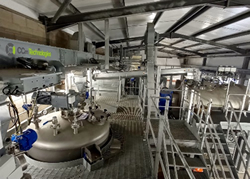 CCm Technologies’ process uses captured ammonia and CO2 from anaerobic digestion to combine with organics, stabilising N and P to produce a pelletised organo-mineral carbonate fertiliser, so reducing greenhouse gas emissions, see ESPP SCOPE Newsletter n°134. The technology has been demonstrated for three years in the UK (500 t/y output pilot). Full scale plants (10 – 12 000 t/y fertiliser production) are in operation since 2021 at Severn Trent Water Minworth UK wwtp (sewage sludge digestate) and in delivery with Walkers Crisps (Pepsico), Leicester, UK (food industry digestates). A pilot (4 m3/day) also recovering phosphorus from P-rich sludge dewatering streams is also under construction at Yorkshire Water Caldervale wwtp. The CCm plant at Walkers (Pepsico) will recycle ammonia and organics from potato peelings anaerobic digestion and CO2 from a brewery to organo-mineral fertiliser, so reducing Walkers potato supply chain carbon emissions by 70%. The CCm technology has been featured on BBC Radio’s Farming Today 2/7/2021. Field tests of the fertiliser product show compatibility of the pellets with existing farm fertiliser equipment: rotating discs up to 30m wide spreading radius), crop performance comparable to commercial mineral fertilisers and positive impacts on soil bioflora, water retention, soil carbon and reduced nutrient runoff.
BBC “Beer and crisps used to help tackle climate change”, 7/12/2020.
BBC Farming Today 2/7/2021 (4 minutes radio report, trial site, Bedfordshire, UK, with Cranfield University).
CCm Technologies: http://ccmtechnologies.co.uk/ and technology details in the ESPP-NNP-DPP Nutrient Recycling Technology Catalogue http://www.phosphorusplatform.eu/p-recovery-technology-inventory
Photo: full scale plant operating at Severn Trent Water, Minworth wastewater treatment plant, UK
Ductor recycled nitrogen approved for use in US Organic Farming
ESPP member, Ductor, has obtained California Department of Food and Agriculture (CDFA) Organic Input Material (OIM) registration, so giving USDA Organic compliance for liquid nitrogen fertiliser recovered from anaerobic digestion of chicken manure. The liquid 5-0-0 nitrogen fertiliser provides rapidly plant available, soluble nitrogen in ammoniac form, according to crop demand. The fertiliser is recovered from the chicken litter digestate by ammonia stripping from digestate. Methane production by anaerobic digestion means that the recovered nitrogen fertiliser is climate neutral. A solid organic NPK fertiliser is also under development.
“Ductor’s first commercial fertilizer product now available and certified Organic”, 6 September 2021 and https://www.ductor.com/fertilizers
Research
Biochar, organic carbon molecules and P-solubilisation
Lab study suggests that organic acids released by ionisation of wood biochar can solubilise P in hydroxyapatite, so potentially improving plant P uptake in soils. The paper by Sacko et al. shows that the ozonisation of pine wood pyrolysis biochar increased oxygen functional groups on the biochar surface and caused release of water-soluble organic acids (probably COOH groups). The filtrate from biochar ionisation significantly released soluble P from hydroxyapatite at its generated pH of around 6, but also when neutralised to pH7: releasing 2 – 9 x more P at pH7 than water. This lower effect at neutral pH is expected from literature (Glaser 2019 cited) but most European soils are slightly acidic at pH6 or lower. It should be noted that humic compounds are considered to also increase crop P uptake by interactions with plant hormones, root membranes and P-mobilising bacteria in the soil (see Jindo 2020).
In a second paper by Tumbure et al., condensate from pyrolysis of maize stover (stem+leaves) was tested for P solubilisation of ground Dorowa phosphate rock. The pyrolysis condensates only solubilised around 14% of the phosphorus in the rock, compared to 46% by oxalic acid, at similar pH of 3 – 3.8. The poor solubilisation by pyrolysis condensates was suggested to be related to low concentrations of chelating and complexing agents and significant calcium in the condensates.
“Sustainable Green Chemistry: Water-Soluble Ozonized Biochar Molecules To Unlock Phosphorus from Insoluble Phosphate Materials”, O. Sacko et al., ACS Agric. Sci. Technol. 2022 DOI.
“Phosphorus recovery from an igneous phosphate rock using organic acids and pyrolysis condensate“, A. Tumbure et al., Scientific African 15 (2022) e01098 DOI.
Phos4You final project report
The Phos4You Interreg project (ESPP member) has concluded that the tested P-recovery processes are technically feasible and ready for upscaling, and generate P fertilisers corresponding to farmers’ or industry requirements.
For the recovery of phosphorus from sewage sludge ashes (SSA), three different acid-leaching processes were assessed:
- REMONDIS TetraPhos®: phosphoric acid leaching. For information (outside Phos4You project): a full scale 20 000 t/y TetraPhos plant has been constructed and is under commissioning in Hamburg, Germany, following process testing for over two years in a pilot scale plant with a capacity of 50 kg/h (see SCOPE Newsletters n°141 and 129). Within the Phos4You project, several tonnes of three different ashes were treated in the pilot plant.
- PARFORCE-Technology: hydrochloric acid leaching. This process was tested in a pilot scale plant with batch acid leaching (150 – 250 kg ash per batch) and semi-continuous purification, using a total of around one tonne of SSA in several campaigns.
- Phos4Life™: sulphuric acid leaching. Laboratory proof of concept tests were carried out with several kilograms of SSA to evaluate the leaching properties and impurities removal.
All three of these processes were tested with different qualities of SSA with relatively low P-content between 5 and 6 % (literature range of 6 – 13% P for municipal sewage sludge incineration ash). With all three processes a P- recovery rate over 80 % was achieved, as required by German P-recovery legislation. The technologies were additionally tested for, and managed to cope with SSA with high percentage of industrial sewage sludge (high impurities and P-content around 4%), but for this, process adjustments and/or additional technical steps were required.
The three tested processes were successful in achieving the production of marketable phosphoric acid from SSA.
The technical differences between these three processes, in terms of leaching acid used and of process steps to remove impurities (precipitation steps, membranes, ion exchange and solvent extraction), led to the production of different by-products and residues. The quality of the by-products produced in the pilot scale tests (gypsum, Fe-/ Al-salt solutions, road salt) were compared with standard market products and roughly assessed to be recyclable in existing value chains.
Also, the EuPhoRe process, in which sewage sludge is incinerated in a specifically designed kiln with magnesium chloride added to remove (by vaporisation) part of the heavy metals and to improve plant availability of the phosphorus in the ash, was tested with construction of a demonstration scale pilot plant (up to 100 kg/h input dewatered sludge, c. 25% DM) at EGLV’s Dinslaken sewage works (see SCOPE Newsletter n°129). Results (p.92 of Phos4You Technical Report) show cadmium, mercury and thallium below detection limits in the treated ash; arsenic < 25% of the EU Fertilising Products Regulation limit [PFC 1(C)(I)]; lead < 13 - 50% of this limit and nickel between 65 - 90% of this limit. Copper, at the tested temperatures (which were below the intended operation temperature), exceeding the EU Fertilising Products Regulation limits. Despite the low operating temperatures, the zinc limit could be achieved by increasing the dosing of magnesium chloride from 3% to 6%. Chromium VI values in the raw material and in the products were always below the detection limit. The analyses of the EuPhoRe-SSA produced with the demonstrator in Dinslaken showed solubility of total P content of 70 % to 90 % with 2 % citric acid and > 60 % with neutral ammonium citrate solubility (NAC), compared to the EU Fertilising Products Regulation specification of > 75% with NAC [Annex II, Part II, PFC1, 4(b)]. Ryegrass pot trials with the resulting ash showed significantly better growth with the ash compared to no P fertiliser (control) but significantly lower growth than with triple super phosphate (c. 1/3 lower biomass dry matter). The EuPhoRe product is considered to provide long-term, slow-release phosphate.
Lab-scale tests showed feasibility of bio-acidification of sewage sludge from sewage works using iron or aluminium salts for P-removal, followed by P-recovery by precipitation of calcium phosphate using Veolia Struvia technology (see SCOPE Newsletter n°141). The bio-acidification was achieved by endogenous bacteria with dosing only of sugar-rich organic by-products. 55% - 70% of total phosphorus in the sewage sludge was released as soluble phosphorus by bio-acidification upstream of sewage sludge digestion, with slightly higher release from iron phosphate than from aluminium phosphate sludge. Release from iron phosphate sludge (with the same sugar-rich organics dosing) was however considerably lower (only around 20%) for bio-acidification of digested sludge. Bio-acidification upstream of the anaerobic digester significantly increased methane production. The Veolia Struvia reactor, in the tests, was able to recover over 95% of the dissolved phosphorus from bio-acidification as calcium phosphate (hydroxyapatite). The recovered hydroxyapatite is considered to have low economic value, but very low operating costs. Struvite production was not adopted because of high operating costs and insufficient ammonia concentrations.
Other technologies tested at laboratory scale were mineral acid-leaching of phosphorus from (wet) sewage sludge, microalgae bioreactor for treating sewage, Veolia Struvia (hydroxyapatite precipitation) for tertiary P-removal and alkali-activated crab carapace as a phosphorus adsorbent (with Veolia Filtraflo). Summary in SCOPE Newsletter n°141).
The final report also includes assessment of possible value chains and business models, with scenarios for Switzerland (see ESPP eNews n°61). The Netherlands and Germany (Emscher – Lippe region EGLV), a GIS tool, recommendations for EU decision makers
Phos4You Interreg project Final Report (184 pages) and Technical Report (326 pages), edited by Lippeverband water board, Germany, 09/2021 and 12/2021 www.nweurope.eu/phos4you See also summaries in SCOPE Newsletter n°141 (Phos4You final conference)
Science summary on plant phosphorus and use efficiency
The conclusions of the EU Horizon2020 CropBooster-P project give an overview of knowledge and perspectives on crop Phosphorus Use Efficiency. It is underlined that around one third of cultivated soils worldwide have insufficient available phosphorus for optimal plant growth. Knowledge of root architecture, soil biome and plant hormonal phosphorus signalling are summarised. It is noted that addition of mycorrhizal fungi (AMF) to plants (e.g. by inoculation, soil application or seed coating) has shown to be effective in improving plant P uptake in laboratory conditions, but that field experiments have shown little benefits, because the bacterial populations cannot be controlled. The practical, agronomic value of understanding plant P signalling and transport mechanisms is not clear, but may provide routes to early-stage detection of P deficiency. The authors note that work on crop selection should aim not only to increase P uptake, but also to improve overall P utilisation, so increase of harvestable material or of seed P content. Work on plant traits also needs to be combined with referenced soil P analysis (Olsen P is indicated). Development of progressive-release fertilisers and of fertilisers with improved phosphorus plant uptake is recommended. The project report also includes a summary on improving nitrogen uptake and use efficiency.
CropBooster-P, EU Horizon 2020, Deliverable 4.2, November 23rd 2021 “White Paper and Scientific Basis of the Strategic Research Agenda”, https://www.cropbooster-p.eu/
Phosphorus levels in Organic and conventional food products
The BfR MEAL study Germany analysed 356 food products and found similar phosphorus (P), potassium (K) and calcium (Ca) levels between Organic and non-Organic (conventional) products. Significant differences showed for olives: lower Ca, maybe due to calcium chloride additive used in non-Organic, higher K, maybe in sea salt used for Organic olives and higher P, attributed by the authors (surprisingly) to higher fertiliser use for Organic olives. Higher phosphorus was also found in certain categories of Organic cereal products, suggested to be because of inclusion of seeds and not only cereals in the Organic products (ESPP note: this would be expected because of phytate content of seeds, but the P in phytate is only partly assimilable by humans). P, K and Ca levels were also similar for foods purchased in different regions of Germany and at different times of the year. The authors conclude that dietary differences in mineral intake would therefore result principally from choice of different categories of food.
“Results of the BfR MEAL Study: The food type has a stronger impact on calcium, potassium and phosphorus levels than factors such as seasonality, regionality and type of production”, K. Schwerbel et al., Food Chemistry: X 13 (2022) 100221 DOI.
Elevated CO2 increases soil P mineralisation but decreases plant-available P
Tests with wheat showed that high atmospheric (eCO2) increased crop biomass growth, accelerated mineralisation of organic P with increased soil microbial activity, resulting in reduced plant available P, due to plant – microbe competition for P (Jin 2022). The tests were carried out in laboratory growth chambers, with 0.12 x 0.2m area rhizoboxes enabling physical separation of the root growth and rhizosphere compartments (but movement of water, nutrients), with CO2 at 800 vs. 400 ppm, organic phosphorus added (phytate, 70 mgP.kg soil), in two soils from Victoria, Australia (Chromosol = strong texture difference between surface and subsoil, Vertosol = high in clay) and carbon labelling. Elevated CO2 (eCO2) resulted in increased carbon in soil (+60%), transferred by the wheat plants. Mineralisation (conversion to inorganic forms of P) of the phytate (organic P) increased 9% in the Chromosol and 45% in the Vertosol respectively and microbial respiration rate increased significantly in the rhizosphere of both soils. Bacterial species richness increased. The increased mineralisation of organic P was considered to be related to an increased genetic pool of bacteria for glycolysis and for the pentose phosphate pathway, linked to synthesis of nucleotides and ATP. Abundance of the soil bacteria phyla Bacteriodetes and Gemmatimonadetes increased, associated with phytate mineralisation. eCO2 led to statistically significant reductions in plant available soil P (Olsen-P) and also reduced plant available N. This was considered to be the result of competition between soil microbes and plants for nutrients (indicated by increased microbial C:P ratio). The results of these tests confirm and provide additional insights to the 8-year Free Air CO2 Enrichment (SoilFACE) experiments reported in Jin 2020 which showed, under eCO2, increased presence of oligotrophs in the bacterial community and increased mineralisation of soil organic P in surface soils.
“Elevated atmospheric CO2 alters the microbial community composition and metabolic potential to mineralize organic phosphorus in the rhizosphere of wheat”, J. Jian et al., Microbiome (2022) 10:12, DOI.
“Long-term CO2 enrichment alters the diversity and function of the microbial community in soils with high organic carbon”, J. Jian et al., Soil Biology and Biochemistry, Volume 144, May 2020, 107780 DOI.
Climate variation likely to increase soil phosphorus losses (bis)
Drought – flood abrupt alternation (DFAA) conditions were simulated in field trials, Anhui plain, China, under summer maize, showing reduced plant P storage and increased soil P losses. Using this data in modelling suggested a six-times increase in P losses possible with future climate change. Fifteen field plots of 5.5 x 3.7 m, separated by baffles 1.2m deep, were used for the tests, near Bengbu, 500 km NW of Shanghai. The DFAA test plots were sheltered and subject to artificial rainfall only. DFAA was considered to be dry soil conditions followed within 5 days by rainfall, with testing of three degrees of dryness and rainfall. The plots with DFAA showed nearly 50% lower P-storage in the crop than natural (control) conditions and soil phosphorus losses from 2% to 9%. Modelling suggested that climate change (IPCC RCP 4.5 scenario) could lead to a nearly six-fold increase in soil P loss. This study confirms similar conclusions from laboratory tests carried out in the UK (S. Khan et al. 2021, see ESPP eNews n°62).
“Soil phosphorus loss increases under drought-flood abrupt alternation in summer maize planting area”, W. Bi et al., Agricultural Water Management 262 (2022) 107426 DOI.
Misleading research
Erroneous research paper on phosphates in food
An author from Plymouth University, UK, who published an erroneous paper on food phosphates in 2013 has offended again, with a new paper whose conclusions are based on errors, biological misunderstanding and failure to verify data sources. This 2022 paper contains some limited but interesting primary data, but then draws misleading and false conclusions.
The primary data contained in the 2022 paper are the results of a Google Survey, with a smallish sample of 184 useable responses (unbalanced: 142 female, 34 male). The online questionnaire asked people what they would eat on a typical day for breakfast, lunch, dinner, snacks and drinks, and if known to specify “brands and amounts”. Respondents were asked to classify themselves as meat eaters (83), flexitarians (58), vegetarians (31) and vegans (12). Responses were then combined with the UK Government 2019 food database to estimate daily dietary phosphorus intake. These calculations suggest that meat eaters and flexitarians (meat-flex) have a diet P intake of c. 1.3 gP/day, whereas vegetarians and vegans (veg-veg) have a lower intake (0.8 – 1.0 gP/day). Differences between meat eaters and flexitarians were not statistically significant, nor between vegetarians and vegans, but the difference comparing the groups meat-flex and veg-veg was significant. As indicated in the paper, this result is contrary to the hypotheses of Forber et al. 2020 (see ESPP eNews n°51 and discussion in Metson et al. ESPP eNews n°4). Forber’s estimates assumed the same protein intake for vegetarians as meat-eaters, whereas in this 2022 paper veg-veg respondents suggested a lower protein intake than meat-flex. In ESPP’s opinion, this interesting result merits further investigation with a larger sample..
However, the paper then draws erroneous conclusions based on various assumptions, unverified secondary data and a significant scientific error concerning phosphorus metabolism.
The paper suggests total average diet P intake of 1.1 – 1.7 gP/day, by multiplying the calculated intakes (based on respondents’ answers) by +32% to compensate for the under-declaration of food consumption which is known to generally occur in food questionnaires. This is reasonable, but it is also possible that the degree of under-declaration may be different for veg-veg than meat-flex respondents, as the former may have a more attentive attitude to diet. A higher proportion of the veg-veg respondents are female which may also modify attitudes*. These potential sources of result bias are not considered.
It is stated concerning diet P intake that “Food containing additives also comprises 70% more P than those without”. The reference given is Winger 2012. But in fact, Winger (secondary source) quotes this number from the abstract of Benini O. et al. J Renal Nutrition 21(4), 2011 (primary source). The original data in Benini actually shows P (total) 57% higher in 60 samples of processed meats (30 with and 30 without P food additives). This would imply a 57% higher diet P intake for persons eating only processed meat (for breakfast lunch and tea) and no other foodstuffs, so potentially much less of a difference in a diet including some processed meat along with unprocessed meat, cereals, vegetables, beverages, etc.
It is indicated that the daily minimum requirement of phosphorus in diet is 0.55 gP/day. P excreted from the body (to sewage) is then calculated as the dietary intake (based on the respondents’ calculation) minus 0.55 gP – that is, the paper assumes that 0.55 gP/day is accumulated in the body (ignoring losses in sweat, hair growth, skin cell shedding … which are negligible). This is of course balderdash. If it was true, then at my age I would have accumulated 12 kg of P in my body, that is 70 kg of calcium phosphate (the material of bones), that is more than 100% of my weight (more than two-and-a-half times my body dry weight). This does not seem to have led the authors to question their conclusions. In reality, the daily excretion of P well known to be approximately the same as the daily intake, with a small net accumulation during childhood. This error leads to considerably overestimate the differences between P excretion to sewage from meat-flex compared to veg-veg (calculated from the results, adjusted), and so leads to misleading conclusions as to a hypothetical reduction in sewage phosphorus levels in case of dietary change.
The paper calculates the reduction in sewage P levels claimed to result from a change of diet by comparing the (erroneous) estimated change in body P excretion (wrongly calculated as indicated above, and based on responses of < 50 veg-veg respondents) to an estimate for total P in UK raw sewage (wwtp influent). This estimate is referenced p.6 to a study by the same author (ref. 44, Comber 2021), which in fact seems to include only wwtp effluent data. In fact, the primary data is probably from UKWIR CIP2 2015-2020 monitoring (cited as ref. 40, p. 5) which show mean P in influent sewage of 8.36 mg/lP-TOTAL (44 UK wwtps). This estimate of the proportion of P in sewage coming from diet involves other errors, for example: part of the P coming from the population does not reach sewage works (households on septic tanks, pipe leakage …). Overall, the authors conclude that “current diets contribute 45% of the P load to UK wwtps”. This number is unrealistically low, coherent with the incorrect assumption that a half to a third of diet P is retained in the body and does not reach sewage. In 2017, the UK Environment Agency indicated 60% of P in UK sewage from diet, and the % will have increased as phosphates have been banned in household dishwasher detergents since 2017. The authors do not ask themselves the question that if only 45% of P in sewage were to come from human diet, where does the rest come from?
The author, S. Comber, Plymouth University signed in 2013 an erroneous paper in the same peer reviewed journal (Environmental Technology, Taylor & Francis), see SCOPE Newsletter n°103. This 2013 paper estimated the quantities of P from food phosphate additives in the UK diet, with a conclusion which would have meant that half of total EU food phosphate production was consumed in the UK. This result did not lead the author to question the conclusions. The UK Environment Agency on the other hand considered the conclusions as “unrealistic”. This error resulted from the same methodological fault as one of the errors of the new 2022 paper: the use of secondary data without going back to the primary source. In the 2013 paper, data from a (dubiously reliable and incorrectly cited) thesis were used, these data having been incorrectly taken from a 1993 UK Government publication. This non-verified use of secondary data led to confuse grammes of phosphorus with grammes of “food phosphate”, an error of factor at > 4x.
The paper abstract also suggests that more P in sewage “causes eutrophication”. This is misleading, in that increasing P influent to sewage works will often not increase P discharge, because P-removal is operated to discharge consent level (there will be some increase in P reaching the environment in storm overflows, households not connected to mains sewerage).
* ESPP note: please do not take this as discriminatory, but only as a possible hypothesis.
“The impact of diet on wastewater treatment works phosphorus loading”, C. Down, S. Comber, Environmental Technology 2022 https://doi.org/10.1080/09593330.2022.2027029
Stay informed
SCOPE newsletter: www.phosphorusplatform.eu/SCOPEnewsletter
eNews newsletter: www.phosphorusplatform.eu/eNewshome
If you do not already receive SCOPE and eNews (same emailing list), subscribe at www.phosphorusplatform.eu/subscribe
LinkedIn: https://www.linkedin.com/company/european-sustainable-phosphorus-platform/
Slideshare presentations: www.slideshare.net/NutrientPlatform
Twitter: @phosphorusfacts
ESPP members
Newsletter about nutrient stewardship - European Sustainable Phosphorus Platform (ESPP)
Please subscribe www.phosphorusplatform.eu/Subscribe
Link to www.phosphorusplatform.eu/eNews062
Download as PDF
ESPP 2021 summary
Phosphorus events
Legacy Soil Phosphorus webinar: Wednesday 2nd February, 14h - 17h CET
Recovered phosphates for animal feed
ESPC4 programme published: 20-22 June 2022, Vienna Austria & online
PERM5 - the 5th Phosphorus in Europe Research Meeting
Phosphates 2022
Supply challenges
EU regulatory
BAT BREF update process launched for Inorganic Chemicals
Input to EU Fertilising Products Regulation: by-products, recovered minerals
ESPP new member
REFLOW
Nutrient recycling
Micronutrients recovered from alkaline batteries as Organic Certified fertiliser
EasyMining moves forward nutrient recovery
Webinars
IFA – FAO: Nutrient recovery and sustainable plant nutrition
Implementation of the Baltic Sea Regional Nutrient Recycling Strategy
Research
Possible P4 synthesis by electrolysis
Climate variability likely to increase soil phosphorus losses
Scientific testing of options for P-leaching from ashes
Overview of sewage sludge regulations in Europe
Stay informed
ESPP members
ESPP 2021 summary
ESPP wishes our readers all the best for 2022, whatever it may bring. We summarise below our main actions in 2021 and perspectives for 2022. More information is in past issues of eNews and our SCOPE Newsletter on our website.
In 2021, ESPP continued active input to the EU Fertilising Products Regulation FPR 2019/1009, which will enter into implementation in July 2022. After some delays, the criteria were published for recycled struvite and precipitated phosphates (2021/2086), use of ashes in fertiliser production (2021/2087), and biochars / pyrolysis materials (2021/2088). Proposals are now underway to also cover nitrogen salts recovered by ammonia stripping from digestates, phosphogypsum and certain by-products (see below). Work is engaged to cover post-processing of digestates and composts. The FAQ continues to be extended (Frequently Asked Questions document, providing implementation and interpretation guidance).
ESPP is also working on authorisation of use of recovered nutrients in Organic Farming (see FIBL in ESPP eNews n°60).
2021 also saw significant developments towards implementation of nutrient recovery, with a number of companies progressing pilot and full-scale installations. These are summarised in the ESPP-DPP-NNP Catalogue of Nutrient Recovery Technologies (update underway, input welcome).
2021 saw publication by JRC of the MSA (System Analysis) for P4 (white phosphorus and derivates), based on the workshop on P4 co-organised by the European Commission and ESPP in 2020 (SCOPE Newsletter n°136). Both phosphate rock (i.e. phosphorus in fertilisers and food) and the specific material P4 (essential for a range of chemicals) are EU Critical Raw Materials.
In the context of the EU Algae Initiative, ESPP organised a webinar to explore regulatory questions concerning algae grown using waste inputs (e.g. grown in wastewater, or using off-gas CO2 …), and with EABA and Eureau, has formally put resulting questions to the European Commission.
ESPP also organised a working webinar on regulatory obstacles to recycling manure to fertilisers, and will pursue this further with the European Commission and EFSA (European Food Safety Agency) in 2022.
ESPP organised the 4th PERM5 Phosphorus in Europe Research Meeting, with over 370 participants online (see SCOPE Newsletter n°141).
In 2022, the 4th European Sustainable Phosphorus Conference: ESPC4 Vienna 20-21 June 2022 will be the biggest phosphorus stakeholder meeting globally for 4 years (since ESPC3 Helsinki, with 300 participants from 30 countries, see SCOPE Newsletter n°127). Programme with many confirmed speakers to date is online here and registration is open. and will be followed by the 5th Phosphorus in Europe Research Meeting, PERM5 Vienna, 22 June 2022. Both events will be ‘hybrid’, with networking tools enabling dialogue between online participants and those meeting in Vienna throughout the duration of the conferences. We look forward to seeing you there! https://phosphorusplatform.eu/espc4
ESPP will continue our action on sustainable nutrient use on farm, with a webinar on relationships between draw-down of “Legacy P”, crop yield and P losses, on webinar 2nd February 2022, 13h – 17h CET, www.phosphorusplatform.eu/LegacyP
2022 will also see implementation of the important decisions taken by ESPP’s General Assembly 2021 (webinar and email vote): recruitment of a second staff in Brussels and widening of ESPP’s action (currently all aspects of phosphorus sustainability) to cover recovery and recycling of nitrogen and other elements.
Phosphorus events
Legacy Soil Phosphorus webinar: Wednesday 2nd February, 14h - 17h CET
This ESPP webinar, co-organised with BOKU, will look at relationships between draw-down of “Legacy P” in soil, crop yield and P losses. Full programme is online here. The webinar will address: what do we mean by “Legacy P”, impacts of drawing down Legacy P on crop yields and on soil phosphorus (long-term field trials) and Legacy P or draw-down impact losses to surface waters. Confirmed speakers are from The Netherlands, Poland, Sweden, Switzerland, UK, Russia, Arkansas, Delaware, Illinois, Maryland, Canada, Brazil and New Zealand. Panellists are leading agronomists and environmental experts from research centres and from the fertilisers industry.
This ESPP webinar follows on from the SPA (US) webinar “A Legacy of Phosphorus”, 30th September 2021, and from the Frontiers in Earth Science special on ‘Legacy Phosphorus’ summarised in ESPP eNews n°56.
Programme and registration (free): www.phosphorusplatform.eu/LegacyP
Recovered phosphates for animal feed
Webinar 3rd February 13h - 14h30 CET. Results of trials of recovered phosphates as animal feed, quality and sustainability, regulatory barriers. With EasyMining, Gelsenwasser, SLU, Lanmännen, ESPP.
LINK: https://www.easymining.se/projects/feed-phosphate/webinar3febr/
ESPC4 programme published:
20-22 June 2022, Vienna Austria & online
https://phosphorusplatform.eu/espc4
The detailed programme of the
4th European Sustainable Phosphorus Conference (ESPC4)
is now published.
Confirmed speakers include Virginijus Sinkevičius European Commissioner for Environment; Sibylla Hardmeier, Swiss Federal Office for the Environment (BAFU); Andrea Roskosch, German Federal Environment Agency (UBA); Franz Josef Radermacher, Research Institute for Applied Knowledge Processing (FAWn), Germany; Mahesh Pradhan, United Nations Environment; Wenfeng Liu, China Agricultural University …
ESPC4 (20-21 June 2022, Vienna and hybrid) will be the first major phosphorus stakeholder meeting globally for 4 years (since ESPC3 Helsinki, with 300 participants from 30 countries, see SCOPE Newsletter n°127).
The published programme includes pre-selected speakers for the six ESPC4 parallel sessions:
- Nutrient recovery technologies operational showcase
- Nutrient recovery technologies in development
- Phosphorus recovery from ashes
- Biochars and hydrothermal carbonisation
- Regional nutrient policies and actions
- New and bio-based fertilisers
ESPC4 will include a Nutrient Recovery Technology Fair, with stands, presentations and possibility to meet technology suppliers presented in the ESPP-DPP-NNP Catalogue of Nutrient Recovery Technologies, currently being updated (see below).
https://phosphorusplatform.eu/espc4
PERM5 - the 5th Phosphorus in Europe Research Meeting:
22 June 2022, Vienna, Austria
ESPC4, Monday 20th and Tuesday 21st June 2022, will be followed by PERM5, the 5th Phosphorus in Europe Research Meeting, Wednesday 22nd June 2022, making the link between R&D, industry and policy (summary of PERM4, June 2021, 370 participants, in SCOPE Newsletter n°141).
Sessions proposed include: nutrient recovery in the dairy industry, iron and phosphorus interactions, new fertilisers and biostimulants to improve crop nutrient uptake, Farm-to-Fork Zero Pollution: reducing P losses from agriculture, nature based solutions, decentralised sanitation / separative urine systems, nutrient flow studies …
A call for abstracts for PERM is open, deadline for submission 27th February.
ESPC4 - PERM5 will be both in Vienna and online.
Updated outline programmes of ESPC4 and PERM5 https://phosphorusplatform.eu/espc4
Phosphates 2022
7 – 9 March 2022, Tampa, Florida. Programme now online. This is “the” phosphate industry professional conference, with over 400 participants. Phosphates 2022 will be in-person (with an online option), and a major chance to re-connect with the phosphate industry, from mining through rock and acid processing, to fertilisers, feed phosphates and technical phosphates. The two-day conference will have a dual agenda: commercial - market – regulatory, and technical and industry operational. 10% discount for ESPP members: request the code from ESPP.
CRU Phosphates 2022: https://events.crugroup.com/phosphates/home
Supply challenges
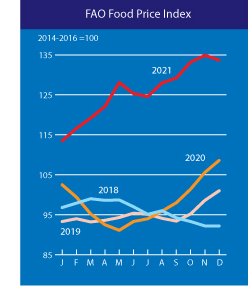 Nitrogen fertilisers and P4 (white phosphorus) currently face interlinked global supply challenges, with links to global food price increases.
The FAO’s Food Price Index hit a ten-year high in 2021 and was 23% higher in December 2021 than one year earlier (after falling 1% between November and December 2021.
BBC coverage suggested that causes include climate change, leading to bad harvests, shortages of migrant workers, shipping problems due to Covid and deregulation of futures markets. Rabobank expects food prices to remain high in 2022, because of increasing prices of fertilisers and energy, shipping and labour shortages, continuing adverse weather (climate change, La Niña) and a strong US dollar.
Nitrogen fertiliser prices are closely linked to natural gas prices, and natural gas prices have increased considerably recently, as a result of various factors including geopolitics, climate, supply and demand policies (see e.g. this US analysis). The N fertiliser price is being exacerbated by export bans or limitations from China and Russia.
A study by Texas A&M University shows, for July 2021, N fertilisers at their highest price ever, and both P and K at their highest price since the 2008 price spike (but P still nearly 40% lower than this peak).
Despite high prices, fertiliser demand is expected to continue to increase in 2022 (according to CRU, organisers of the “Phosphates” industry conferences), with an expected rise of +2.9% from 2021 to 2022, following from the +1.2% rise 2020 to 2021.
Trade of phosphorus fertilisers is being impacted by the US decision to impose tariffs of 9% to 47% on some P imports, and then China’s decision to freeze phosphate exports from September 2021 to (at least) June 2022.
The specific market for P4 (white phosphorus) and its derivates is also being impacted by the energy squeeze and by political factors. Although P4 represents only 2-3% of world phosphate rock consumption, it is irreplaceable for the production of many specialist phosphorus chemicals needed by a very wide range of high-value societal end-uses, including electronics, batteries, fire safety, industrial water treatment, technical plastics, pharmaceuticals, lubricants, metal treatment, … (see ESPP’s SCOPE Newsletter n°136, produced jointly with the European Commission JRC). P4 is therefore itself specifically identified as an EU Critical Raw Material (in addition to “Phosphate Rock”), see COM(2020)474. P4 is traded as such, but also importantly as “derivates” (that is intermediate chemicals such as PMIDA, POCl3, PCl5, see SCOPE referred above).
The EU has no production of P4 and so is totally dependent on imports of either P4 or of P4-derivates for essential user industries. Europe imports P4/derivates essentially from China, Kazakhstan and Vietnam (not in order of importance). In 2021, China considerably reduced its exports of P4/derivates, mainly because of nearly total stoppage of China’s P4 production capacity in order to energy consumption in particular in Yunnan province (a key phosphate region). Production has now partly resumed. Kazakhstan’s P4 / derivates production or export have also been impacted by current political unrest in the country and specifically in the Zyambyl Oblast region where P4 production is located (see here). These specific pressures on P4/derivates supply are additional to considerable price and supply pressures similar to those on fertilisers indicated above: rising electricity prices and demand, and shipping costs.
ESPP suggests that this context should provide increased impetus and urgency to develop phosphorus and nitrogen recovery and recycling in Europe. Nitrogen recovery from digestates offers synergy with development of bio-methane production, which can reduce EU dependency on imported natural gas. Industrial development and implementation of P4 production from secondary materials (sewage sludge incineration ash, meat and bone meal ash) could largely resolve Europe’s current import dependency for P4/derivatives.
No market-ready P4 production technology from waste is available at the moment. However, several promising developments are in a piloting stage. ESPP member Italmatch are involved in the EU-funded FlashPhos project to test P4 recovery from wastes at a pilot scale (15 million € budget). Other technologies are also proposed and are being tested on small scale.
EU regulatory
BAT BREF update process launched for Inorganic Chemicals
The European Commission (JRC) has started the update process for the BAT (Best Available Techniques) reference document for “Large Volume Inorganic Chemicals” (LVIC), which will cover all chemicals currently covered by the two BATs: LVIC Ammonia, Acids and Fertilisers (LVIC-AAF) and LVIC Solids and Others (LVIC-S). The first phase of consultation aims to define the scope of the BAT update, in particular to identify the most polluting sectors, key environmental issues (e.g. in terms of emissions to air and water, use of raw material, water and energy, generation of waste, circular economy, decarbonisation aspects) and new/emerging techniques or improvements in techniques which should be considered, compared to the two existing BAT BREF documents. The aim is to streamline the BAT BREF document by focussing on the BAT conclusions (and associated techniques). The BAT conclusions are legally constraining, and are mandatory applicable to all plants and production sites in the relevant chemical and fertiliser industries above the specified application thresholds. ESPP has not been a candidate for the Technical Working Group for this BAT BREF process (insufficient resources, scope much wider than ESPP’s competence) but will follow the process as a member of the IED Forum (Industrial Emissions Directive).
Existing BAT BREFs for LVIC Ammonia, Acids and Fertilisers (LVIC-AAF) and LVIC Solids and Others (LVIC-S).
European Commission (JRC) contact for further information on the LVIC BAT update process:
Input to EU Fertilising Products Regulation: by-products, recovered minerals
ESPP submitted input to the EU public consultations on criteria for use under the EU Fertilising Products Regulation (FPR) of by-products and of recovered minerals.
These criteria will authorise the use in FPR EU-label fertilisers of nitrogen salts from offgas cleaning and ammonia stripping, under specified conditions. ESPP strongly welcomes this but considers that where nitrogen salts are recovered from manure storage, manure processing (e.g. digestate) or animal stables, pathogen data is needed to prove sanitary safety and an Animal By-Product End Point should be defined.
ESPP also welcomes that the inclusion of phosphogypsum and of e.g. struvite recovered from treatment of discharge from phosphogypsum waste stacks.
We regret however that CMC11 and CMC15 as proposed are limited to high-purity inorganic salts and do not cover organic by-products
ESPP also made detailed input concerning wording, such as whether the wording “substance and mixture” includes plant materials, whether processes using wastes as inputs are included and the meaning of the word “recovered”.
ESPP’s input to the public consultation, as well as various preparatory documents (including the JRC reports) are available at www.phosphorusplatform.eu/regulatory.
ESPP new member
REFLOW
 REFLOW is an interdisciplinary cross-sectoral European Training Network addressing the recovery of phosphorous from dairy processing waste water and its recycling into fertiliser products. REFLOW brings together scientists, key stakeholders and early-stage researchers in dairy processing, phosphorous recycling and fertiliser production. The network will address both technical and socio-economic challenges associated with the P-recovery and recycling in the dairy sector, so enabling sustainable expansion of the dairy industry in Europe.
In coherence with the Circular Economy Package, REFLOW research aims to (i) mitigate the environmental impact of dairy processing waste on soil and water, (ii) provide safe environmentally sustainable, cost-effective closed loop solutions for crop nutrient management and (iii) meet the demand for skilled professionals to support the technical, regulatory and commercial development of the market for recycled phosphorous fertiliser products.
REFLOW will achieve these goals by creating an innovative and entrepreneurial training environment. Thirteen young researchers will be recruited in a network of 24 organisations who bring complementary expertise and experience of delivering technical solutions, socio-economic modelling, environmental analysis, policy frameworks, training and commercial entrepreneurship. The young researchers will develop interdisciplinary and cross-sectoral skills for careers as independent industrial or academic researchers, entrepreneurs, regulators or agri-environmental specialists. REFLOW’s network-wide training activities include industrial secondments and commercially driven research projects.
Reflow European Training Network https://etn-reflow.eu/
Nutrient recycling
Micronutrients recovered from alkaline batteries as Organic Certified fertiliser
TraceGrow, Finland, are recovering manganese, zinc and copper from alkaline batteries and reclaimed copper to produce a high-purity foliar or soil micronutrient fertiliser, approved for Organic Farming in the EU. 50% of the world’s soils are deficient in zinc and 10% in manganese. These micronutrients are recovered from end-of-life consumer alkaline batteries by crushing, acid leaching then purification to generate soluble sulphates, plus copper recovered from end-of-life electronics and electrical parts. 15 batteries produce one litre of micronutrient fertiliser (4.1% Zn, 4.4% Mn, 1.9% Cu, 6.1% S, plus c. 1% K, 1% Na). TraceGrow has 35 million l/y production capacity, under expansion to 5 Ml/y. The fertiliser shows field trial results from twelve countries on barley, wheat, maize, potato, grass, citrus fruit. Manganese can be particularly effective in improving winter crop resistance to cold, and copper is important for grain yields in oats and barley. The product illustrates the need to continue to extend the CMC annexes of the EU Fertilising Products Regulation 2019/1009, in that it is not covered by current CMCs nor by the proposed new CMC15 “Recovered High Purity Materials” (published for public consultation to 14th January 2022): this proposal includes high purity sulphates, but only from a “production process” (EU Commission JRC’s 3rd preparatory report specifies line 2823 excludes “Materials obtained from the recycling facilities for waste materials”).
TraceGow “ZM-Grow”: https://www.tracegrow.com/zm-grow
EasyMining moves forward nutrient recovery
ESPP member, EasyMining (part of the Ragn-Sells Group) has announced a first full-scale Ash2Phos plant to recover phosphorus from sewage sludge incineration ash (SSIA) and has started testing of a pilot installation to recover nitrogen from wastewaters.
The Ash2Phos plant is a joint venture, signed with Gelsenwasser AG, one of Germany’s largest utility companies operating mainly in the Ruhr, Muensterland, lower Rhein and Eastern Westphalia regions. Construction of a 30 000 t-ash/year plant will start in 2022 in Chemieparks Schkopau, near Leipzig. The Ash2Phos process leaches phosphorus out of ash using hydrochloric acid, then separates iron, aluminium and heavy metals by a series of dissolution and precipitation steps, resulting in a clean calcium phosphate product of animal food quality. A second 30 000 t-ash/y plant is under permitting at Helsingborg, Sweden, with Kemira. For further details see the ESPP-NNP-DPP Nutrient Recycling Technology Catalogue.
A webinar on 3rd February, 13h00 - 14h30 CET will discuss results of digestibility tests for calcium phosphates recovered from sewage sludge incineration ash, quality constraints and regulatory obstacles.
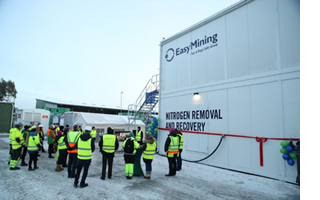 EasyMining have also inaugurated the first pilot for a nitrogen recovery process, at Högbytorp, near Stockholm, in the EU LIFE funded project “Re-Fertilize”. Ammonia in wastewater is adsorbed to a specific mineral, then released and recovered, to produce clean ammonium sulphate. This can replace ammonia synthesised using natural gas, for fertiliser production. The adsorption chemical is regenerated and reused. The aim is also to replace current nitrogen removal processes in wastewater treatment (nitrification of ammonia to nitrate, then denitrification), which consumer electricity for aeration (nitrification) and carbon sources (e.g. methanol) for denitrification, and which release greenhouse nitrogen gases to the atmosphere. The pilot, designed and constructed by EasyMining with COWI and ENERCO, can treat c. 100 m3 of inflow per day, under continuous operation. It is now treating landfill leachate at Ragn-Sells Högbytorp site, Sweden, and will then be moved to BIOFOS´s Lynetten municipal wastewater treatment works in Denmark. The resulting ammonium sulphate fertiliser will be trialled by the Lantmännen, one of Northern Europe’s largest agricultural cooperatives.
“Gelsenwasser and EasyMining announce joint venture in Germany”, EasyMining 14th December 2021
“Unique pilot plant for nitrogen removal and recovery opens”, EasyMining, 9th December 2021
EU LIFE Re-Fertilize project
Webinar on recovered feed phosphates, 3rd February 13h00 – 14h30 CET LINK.
Webinars
IFA – FAO: Nutrient recovery and sustainable plant nutrition
The IFA - FAO webinar of 15th December 2021, 300 participants online, saw nutrient circularity as important for sustainability and showed a range of nutrient recycling technologies. IFA and FAO have also signed an agreement to promote sustainable fertiliser use.
Jiangyuan Xia, FAO Director of Plant Production and Protection, indicated that FAO believes that innovation can enable more sustainable plant nutrition management. This is pressing with the current energy crisis driving up fertiliser prices. FAO supports this with the International Code of Conduct for the Sustainable Use and Management of Fertilizers (2019, see ESPP eNews n°45).
Achim Dobermann, IFA Chief Scientist (International Fertilizer Association), indicated that only around 20% of nitrogen input into agriculture reaches consumed food and underlined the need to move towards full-chain nutrient efficiency for nitrogen, phosphorus and micronutrients.
Hannah Van Zanten, Wageningen University Research, compared land surface required to produce food for different food systems. Under today’s food system, animal production has a significantly higher environmental impact and land use than vegetable crop production. However, a circular food system producing healthy food can be even more efficient if food wastes are used to feed animals. In such a system, around 1/3 of human protein needs could be produced by livestock, and such a circular system with livestock could have a lower land requirement than for a vegan diet. Recycling of manure and animal by-products are essential. For further information see website and Van Selm et al. Nature Food 2022 DOI.
Hannah Lohman, University of Illinois & Community Integrated Development Initiatives, Uganda, discussed the potential for separative urine collection with nutrient recycling to fertiliser in Kampala, Uganda, either by simple storage of the urine to ensure sanitisation, or nutrient recovery by struvite precipitation and ion-exchange nitrogen recovery. Both routes could potentially be economically viable, depending on nutrient market prices. A challenge could be pharmaceuticals in the urine.
Céline Vaneeckhaute, Laval University Canada, presented the advances and limitations, as well as experimental work on various nutrient recovery technologies including struvite precipitation, HAIX ion exchange (see SCOPE Newsletter n°141), nitrogen recovery by stripping and citric acid absorption, and development of technology integration and optimisation models.
Dan Froehlich, Anuvia Plant Nutrients, presented the company’s SymTRX granulated organo-mineral fertiliser, based on organic secondary materials processed to provide a matrix with +ve and -ve sites onto which mineral nutrients can be fixed. After 5 years development and over 450 field trials, production capacity is today 1.1 million tonnes / year at Plant City, Florida. Organic wastes which can be input include crop wastes, animal wastes, food processing wastes and waste-water organics. Less than 5% of the nutrients of the final product come from the organic wastes, most are added as minerals, depending on the input materials.
Christian Kabbe, EasyMining, outlined the company’s processes today operational to recover purified nutrients from ashes: phosphorus from sewage sludge incineration ash, potassium from municipal solid refuse incineration ash. EasyMining are also now developing a process to recover nitrogen minerals from wastewater or manure.
Thomas Mannheim, Ductor, outlined the company’s integrated approach to nutrient recycling and renewable energy production from manure, aiming to avoid the considerable nitrogen losses (and consequent atmospheric pollution and greenhouse gas) which generally occur in manure storage and field application (can be up to 70%). In the Ductor process, nitrogen rich manures can be used as feedstock for biogas production (e.g. 100% chicken litter), because most of the nitrogen is removed upstream of the anaerobic digestion (biogas) process. The removed nitrogen is recovered as liquid nitrogen fertiliser. The solid fraction of the separated digestate is dried and pelletised as organic NPK fertilizers, and the liquid phase is recirculated to dilute the input material. This results in reduced GHG emissions and enhanced nutrient use by converting untreated manure to bioenergy and to balanced nutrient products which can be stored and transported and are adapted to farmers’ needs.
Achim Dobermann concluded that many technologies are increasingly available for nutrient recycling, and their implementation will improve sustainability of plant nutrition. The fertiliser industry is innovating with new types of products alongside mineral fertilisers and the use of secondary nutrient sources in fertiliser production. This will necessitate decentralisation to enable local recycling, adapted to local structures and agri-food systems, in particular in developing countries.
IFA – FAO webinar, 15th December 2021, “Advancing nutrient recycling and recovery in agriculture” (Sustainable Plant Nutrition series): full recording and IFA webinars page.
Upcoming IFA events HERE:
- 29-31 March 2022, Global Sustainability Conference, online
- 30 May - 1st June 2022, Annual Conference, Vienna, Austria
- 28-30 June 2022, Smart & Green, online
Implementation of the Baltic Sea Regional Nutrient Recycling Strategy
The EU Strategy for the Baltic Sea Region together with the Ministry of the Environment of Finland co-organized a webinar on the implementation of the Baltic Sea Regional Nutrient Recycling Strategy on Monday 22 November 2021.
The purpose of the webinar was to present some topical issues and points of view in nutrient recycling, take stock of the present situation in nutrient recycling and also to look ahead and discuss opportunities and challenges in implementing the Nutrient Recycling Strategy in the Baltic Sea Region.
The webinar gathered c. 120 participants representing national authorities, businesses, research organisations and NGOs from different countries across the Baltic Sea.
The morning session consisted of five presentations from experts across public and private sectors. In her opening words, Tarja Haaranen, Ministry of the Environment, Finland, reminded that although the main goal of the strategy is to protect waters and the Baltic Sea, the actions will also have other beneficial impacts, among them impact on climate change mitigation.
In her introduction to the Baltic Sea Regional Nutrient Recycling Strategy, Lotta Ruokanen, HELCOM, focused on the policy background, vision and objectives of the strategy.
Isidro Campos Rodriguez, European Commission DG Agriculture and Rural Development, gave an overview of nutrient recycling in the European Green Deal’s Farm to Fork programme, the Common Agricultural Policy, and beyond, and presented some links between these and the nutrient recycling strategy.
Ana-Lucia Crişan, European Commission DG GROW, presented the EU fertilising products regulation and discussed the harmonisation rules for fertilising products and gave an overview the quality assurance system works for fertiliser manufacturers.
Anders Finnson, Swedish Water, focused on the experiences in nutrient recycling in the wastewater sector in Sweden. He presented the ambition to transform the current wastewater treatment system into resource recovery plants.
Christian Kabbe, EasyMining (Ragn-Sells Group), focused on the business opportunities and obstacles of nutrient recovery and recycling. Some of the clear drivers, or opportunities that he mentioned were the existing quality requirements to minimize pollution and the need to reduce import dependencies. Some of the obstacles he mentioned were the discrimination of materials by origin and not by quality and the fragmentation of regulation.
In the afternoon session, six experts took part in a panel discussion on the present situation in nutrient recycling and took a look ahead and discussed opportunities and challenges in implementing the HELCOM Nutrient Recycling Strategy focusing on creating business opportunities and improving policy coherence.
The panel included representatives of national authorities, businesses and NGOs from different countries of the Baltic Sea Region: Andrea Roskosch (German Federal Environment Agency), Marja-Liisa Tapio-Biström (Ministry of Agriculture and Forestry of Finland), Zigmas Medingis (Ministry of Agriculture of the Republic of Lithuania), Eetu Virtanen (Soilfood), Marc Buttmann (TerraNova Energy GmbH), and Gunnar Norén (Coalition Clean Baltic).
Article by Anna Hernberg, Ministry of the Environment, Finland – with thanks!
Webinar website –summary and slides: HERE
Research
Possible P4 synthesis by electrolysis
Lab-scale tests suggest feasibility of P4 production by electrolysis of molten metaphosphates (from phosphoric acid), potentially with energy and carbon consumption magnitudes lower than the current “thermal” route (electrothermal reducing furnaces). A 60 cm diameter, 2.8m height laboratory electrolysis reactor, operating at c. 800°C, and 2.4V current, was tested with steady-state electrolysis runs of a few minutes. Challenges are design and construction of an electrolysis cell reactor for operation at this temperature, sealings and recovery of the P4 produced. The principle is electrolysis of molten sodium metaphosphate [NaPO3]n – a commodity inorganic phosphate produced from “wet acid” route phosphoric acid. Sodium metaphosphates is an intrinsic oxide acceptor (because of phosphoryl anhydride linkages) so absorbing electrons to break down to NA3PO4 and O2. The NA3PO4 can then be cycled back to sodium metaphosphate by reaction with phosphoric acid. In the test reactor, the graphite anode was consumed, producing CO2, but unlike in a reducing P4 furnace, this CO2 is isolated from and cannot react with P4, so avoiding resulting energy loss. Additionally, the electrolysis reactor does not require sand (silicon dioxide) as an oxide acceptor, so does not lose heat energy in production of metasilicate slag (c. 30% of energy consumption in a P4 reducing furnace). The melting point of sodium metaphosphates (628°C) is considerably lower than the operating temperature of P4 reducing furnaces (c. 1 500 °C). To avoid CO2 reacting with P4, thermal P4 furnaces currently only partially reduce coke to carbon monoxide, which is burned off, so using only two of the four potential reducing electron equivalents of the coke carbon. The authors conclude that anhydride promoted electroreduction of molten metaphosphates could in the future provide an electron, energy and climate efficient alternative to electrothermal reducing furnaces for P4 production.
“Efficient Electrosynthesis of White Phosphorus from Molten Condensed Phosphate Salts”, J. Melville et al., ChemRxiv. Cambridge 2021, LINK.
Climate variability likely to increase soil phosphorus losses
Laboratory soil tests showed that simulated flooding caused P release in all soil samples, accentuated if the soil was previously dried, suggesting that climatic variations between drought and flooding could increase P losses. 168 soil samples of 150g (dry weight equivalent) were collected over 7 days from two different sites in North Wyke, Devon, UK (stagni-vertic cambisol, dystric cambisol), both under grazed grassland. 31 day laboratory tests were carried out in 500 ml bottles. Flooding was simulated by adding water to maintain 10 cm water depth in the mesocosm. Drying was for 10 days at 40°C. Flooding of soils significantly reduced redox potential, more so and more rapidly in previously dried soils. Similarly, flooding increased soil pH, more so and more rapidly in previously dried soils. Flooding increased dissolved phosphorus (DRP dissolved reactive P, DUP dissolve unreactive P and TDP total dissolved P), again with greater increases of all forms in flooding of previously dried soils. Analysis suggests this is related to reductive dissolution of iron and manganese phosphate minerals in the soils, and also non-reductive dissolution of aluminium phosphate minerals. The soil with higher organic matter and biomass phosphorus released higher concentrations of DUP. The authors conclude that as climate change leads to flooding, and to variations between drought and flooding, P release from soils will increase, especially in soils high in biomass.
“Effects of drying and simulated flooding on soil phosphorus dynamics from two contrasting UK grassland soils”, S. Khan et al., Eur J Soil Sci. 2021;1–12, DOI
Scientific testing of options for P-leaching from ashes
Three papers present detailed and systematic experimental comparisons of phosphorus and of heavy metal leaching from ashes of various biowastes, considering different incineration temperatures, and comparing different extractants. These publications provide a wealth of data on phosphorus and heavy metal release from ashes under different conditions and related to analysis of the ash mineralogy.
Fourteen extractants were tested (2020, 1): three mineral acids (sulphuric, hydrochloric, nitric), five organic acids, sodium hydroxide (alkali) and five chelating agents, comparing different extractant concentrations, ash/extractant ratios and contact times. For sewage sludge incineration ash, oxalic acid offered the best compromise between effective phosphorus leaching and limited heavy metal release, but sulphuric acid was most cost-effective.
Comparing extraction from three different biowaste ashes (sewage sludge, poultry manure, meat and bone meal) (2021, 2), showed that P-leaching effectiveness of the organic acids varied considerably with different mineralogy of the three ashes, whereas leaching by the inorganic acids was consistent.
In a third paper (2021, 3), the influence of incineration temperature on mineralogy and P-leaching and heavy metal leaching was studied for ashes from a laboratory muffle furnace (note: the muffle furnace was chosen for reasons of consistency but may not be representative of conditions in real sewage sludge incinerators where conditions vary depending on the technology). The sewage sludge was sampled from the storage bunker at Leuven wwtp, Belgium (Aquafin), where sludge is collected from wwtps operating enhanced biological P-removal as well as dosing iron or aluminium for chemical P-removal. The muffle furnace was operated at 550°C – 1100°C, for two hours. In this case, higher furnace temperatures across the tested range tended to result in lower heavy metal leaching, but temperatures above 900°C also resulted in reduced P-release, probably because mineralogy shifted at higher temperatures (increase in non-identified amorphous phosphate, decreases in crystalline calcium phosphate and amorphous iron phosphate), and because P was fixed into silicate melt at 1100°C. The reduction in P-leaching above 900°C was significant for mineral acids and very considerable for organic acids. The authors conclude that 800°C – 850°C is the optimal temperature range to generate an ash from which phosphorus can be readily leached with limited release of heavy metals, which is similar to the EU Industrial Emissions Directive requirement of a minimum ensured temperature of 850°C for 2 seconds.
2020, 1: “Closing the phosphorus cycle: Multi-criteria techno-economic optimization of phosphorus extraction from wastewater treatment sludge ash”, L. Luyckx et al., Science of the Total Environment 713 (2020) 135543 DOI.
2021, 2: “Linking Phosphorus Extraction from Different Types of Biomass Incineration Ash to Ash Mineralogy, Ash Composition and Chemical Characteristics of Various Types of Extraction Liquids”, L. Luyckx et al., Waste and Biomass Valorization volume 12, pages 5235–5248 (2021) DOI.
2021, 3: “Recovery of phosphorus from sewage sludge ash: Influence of incineration temperature on ash mineralogy and related phosphorus and heavy metal extraction”, L. Luyckx et al., J. Environmental Chemical Engineering 9 (2021) 106471 DOI.
Overview of sewage sludge regulations in Europe
Summary of limits for contaminants in sewage sludge (used on farmland) across EU Member States and challenges for regulating pollutants in the current EU Sewage Sludge Directive update. The paper notes that many Member States have set limits for one or more contaminants (for sludge used on land) stricter than those in the current EU Sewage Sludge Directive 86/278, resulting in a highly fragmented legal framework. Indeed, in some Member States (e.g. Austria) limits are different in each region. In some cases, limits are defined as a function of regional average soil values. The varying limits for As, Cd, Cr, Cu, Hg, Ni, Pb and Zn are represented in visual graphics. 19 (of 27) Member States have fixed lower limits for mercury, 18 for cadmium, 16 for nickel, 14 for copper and lead and 10 for zinc. Additionally, 23 Member States have fixed limits for chromium, 8 for arsenic, and one or two also for molybdenum, selenium and beryllium, whereas none of these are regulated by EC 86/278. Twelve Member States have fixed limits for certain pathogens in sewage sludge applied to land (different limits, different pathogens), whereas these are not regulated by 86/278. Some Member States have also fixed limits for organic pollutants regulated by 86/278 which are lower than the limits in this Directive (DEHP, LAS, NP/NPE, PAH, PCB, PCDD/F). The paper highlights the need to also address emerging contaminants, in particular PFOS/PFOA (perfluorinated chemicals) and microplastics. PFOS/PFOA are already regulated in sewage sludge in Austria and Germany. Microplastics are difficult to regulate because of a lack of knowledge on their behaviour and impacts in soil and plants, the absence of agreed protocols for quantifying and characterising microplastics in soils, and because they are widely present in soils irrespective of sludge spreading, because of other sources. The authors note the need to combine safe sewage sludge management, avoiding environmental or health risks, with nutrient recycling.
“Land Application of Biosolids in Europe: Possibilities, Constraints and Future Perspectives”, A. Gianico et al., Water 2021, 13, 103 DOI
Stay informed
SCOPE newsletter: www.phosphorusplatform.eu/SCOPEnewsletter
eNews newsletter: www.phosphorusplatform.eu/eNewshome
If you do not already receive SCOPE and eNews (same emailing list), subscribe at www.phosphorusplatform.eu/subscribe
LinkedIn: https://www.linkedin.com/company/european-sustainable-phosphorus-platform/
Slideshare presentations: www.slideshare.net/NutrientPlatform
Twitter: @phosphorusfacts
ESPP members
Newsletter about nutrient stewardship - European Sustainable Phosphorus Platform (ESPP)
Please subscribe www.phosphorusplatform.eu/Subscribe
Link to www.phosphorusplatform.eu/eNews061
Download as PDF
Events and calls for input
ESPC4 and PERM5, Vienna, 20-22 June 2022
Phosphates 2022
EU consultations
Consultation on by-products and recovered minerals in EU fertilisers
Possible new materials for considerations for EU fertilisers
Labelling of fertilising products
Bathing Water Quality
Microplastics: EU call for evidence
Revision of pharmaceuticals legislation
Food “Nutrient Profiles”
ESPP new members
Sulzer Pumps
NORSØK (Norwegian Centre for Organic Agriculture)
EU policy
European Commission Work Programme
Stakeholder call on food chain safety and Circular Economy
Arcadis report on risks of contaminants in fertilisers
EFSA Opinion on (certain) Animal By-Products (ABPs) and EU-fertilising products
ESPP activities
Webinar: regulatory questions around manure recycling
ESPP input to EFSA on Circular Economy
Factsheets on recycling from wastewater: algae, minerals, fibres & polymers
European Commission answer on End-of-Waste for materials from wastewater
Algae grown in wastewater
Nutrient recycling
STOWA report on nitrogen recovery perspectives
Zero P fertilisation does not impact crop productivity in very high P soils
Manure, Nitrates Directive and surplus phosphorus
Literature data review: removal of contaminant metals in thermal sludge treatment
Scenarios for P-recycling in Switzerland
Stay informed
ESPP members
Events and calls for input
ESPC4 and PERM5, Vienna, 20-22 June 2022
The 4th European Sustainable Phosphorus Conference (ESPC4) will be the biggest phosphorus stakeholder meeting globally for 4 years (since ESPC3 Helsinki, with 300 participants from 30 countries, see SCOPE Newsletter n°127).
ESPC4, Monday 20th and Tuesday 21st June 2022, will be followed by PERM5, the 5th Phosphorus in Europe Research Meeting, Wednesday 22nd June 2022 (summary of PERM4, June 2021, online, coming soon here).
ESPC4 will include a Nutrient Recovery Technology Fair, with stands, presentations and possibility to meet technology suppliers presented in the ESPP-DPP-NNP Catalogue of Nutrient Recovery Technologies, currently being updated (see below).
Deadline for submission of abstracts for ESPC4 is 31st December 2021.
ESPC4 - PERM5 will be both physical and accessible online.
Updated outline programmes of ESPC4 and PERM5, and a call for abstracts for presentations and posters for ESPC4 (open to 31st December 2021) are now online
https://phosphorusplatform.eu/espc4
Phosphates 2022
7 – 9 March 2022, Tampa, Florida. Programme now online. This is “the” phosphate industry professional conference, with over 400 participants. Phosphates 2022 will be in-person (with an online option), and a major chance to re-connect with the phosphate industry, from mining through rock and acid processing, to fertilisers, feed phosphates and technical phosphates. The two-day conference will have a dual agenda: commercial - market – regulatory, and technical and industry operational.
10% registration discount for ESPP members. Request the code from ESPP
CRU Phosphates 2022:
https://events.crugroup.com/phosphates/home
EU consultations
Consultation on by-products and recovered minerals in EU fertilisers
To 14th January 2022.Two EU public consultations are open on criteria for use under the EU Fertilising Products Regulation of by-products and of recovered minerals, including nitrogen salts from offgas cleaning and ammonia stripping.
This is the outcome of three years’ work between the European Commission, industry and stakeholders, with the aim of facilitating the circular economy by allowing use of by-products in fertilisers, whilst ensuring safety and avoiding possible contaminants. Fertilizers Europe published in 2019 an inventory of the many by-products today used in mineral fertiliser production.
ESPP strongly welcomes that CMC15 (2b) will enable inclusion in EU-fertilisers of recovered nitrogen salts from offgases, such as ammonium sulphate stripped and recovered from digestates. ESPP considers however that where nitrogen salts are recovered from ammonia from manure storage, manure processing (e.g. digestate) or animal stables, pathogen data is needed to prove sanitary safety and an Animal By-Product End Point should be defined.
ESPP also welcomes that CMC15 (2a) will enable inclusion of e.g. struvite recovered from treatment of discharge from phosphogypsum waste stacks.
We note however that CMC11 and CMC15 as proposed are limited to high-purity inorganic salts and do not cover organic by-products Some organic by-products are covered under existing CMCs (CMC2 mechanically processed plant materials, CMCS 3-5 composts and digestates, CMC6 certain listed food industry by-products, CMC 14 biochars). Others are not, such as from the pulp & paper industry, biofuels processing, etc. This is because little or no information was submitted on organic by-products by the organic fertiliser industry, resulting in organic materials not being considered.
ESPP’s proposed input to the public consultation, as well as various preparatory documents (including the JRC reports) are available at www.phosphorusplatform.eu/regulatory. Comments are welcome on the proposed ESPP input before the 14th January 2022 submission deadline, and any person or organisation can input directly to the public consultations (below).
Also on this page are ESPP input to the European Commission on the FAQ (Frequently Asked Questions = Fertilising Products Regulation guidance document) and ESPP list of requests for additional new CMCs. Both these documents are ‘ongoing’ and are regularly updated, so comments are welcome.
Public consultation pages for CMCs 11 and 15, open to 15th January 2022
https://ec.europa.eu/info/law/better-regulation/have-your-say/initiatives/13113-Fertilisers-high-purity-materials-in-EU-fertilising-products_en
https://ec.europa.eu/info/law/better-regulation/have-your-say/initiatives/13111-Fertilisers-agronomic-efficiency-and-safety-criteria-for-by-products-in-EU-fertilising-products_en
Fertilising Products Regulation FAQ (Frequently Asked Questions) https://ec.europa.eu/docsroom/documents/46391
Fertilising Products Regulation (FPR) initial regulatory text https://eur-lex.europa.eu/legal-content/EN/TXT/?uri=CELEX%3A32019R1009 and adopted amendments: technical progress update 2021/1768 and STRUBIAS materials CMC12 (precipitated phosphates) 2021/2086, CMC13 (ash-derived) 2021/2087 and CMC14 (biochars/pyrolysis/gasification) 2021/2088 https://eur-lex.europa.eu/legal-content/EN/TXT/?uri=CELEX%3A32019R1009
ESPP regulatory activities page www.phosphorusplatform.eu/regulatory
Possible new materials for considerations for EU fertilisers
The European Commission is considering launching assessment of some further materials for possible inclusion into EU fertilising products (new, additional CMCs). ESPP has made input suggesting and documenting the following materials: derivates of mineral by-products (such as waste spent acids), potassium and other salts from (non CMC13) ashes, ammonium salts from fire extinguisher refurbishment, nitrogen recovery from liquid phase of wastewaters, algae and biomass grown using waste inputs (e.g. grown in wastewaters), fish excreta, seafood processing residues, insect frass, separately collected human urine or faeces, vivianite from sewage, paper and pulp industry residues, biofuel processing residues. Further comments and other proposals can be added to ESPP’s input: please download the current version here and send comments to ESPP.
ESPP regulatory activities page, see “ESPP proposals for additional new CMCs” under “New EU Fertilising Products Regulation” www.phosphorusplatform.eu/regulatory
Labelling of fertilising products
To 16th February 2022. The EU public consultation on digitalisation of labelling for chemical products includes an important section on what information should be provided for fertilising products, and how. The consultation is a general public questionnaire, open also to companies and other organisations, with 29 questions about how digital tools (e.g. QR code linked to online database) could provide information about certain products placed on the market: fertilising products, detergents, paints. General questions address what form of digital tool would be preferred and what level of information. Specific questions on fertilising products ask what information could be moved from the label to online: e.g. information on product function, nutrients content, organic carbon content, storage conditions, risk mitigation measures, low in cadmium, low in chloride, solubility of phosphorus, etc. These questions are posed for fertilisers, liming materials, soil improvers, growing media, inhibitors and biostimulants.
EU consultation “Revision of the EU general pharmaceuticals legislation”, open to 16th February 2022. Consultation.
Bathing Water Quality
To 20th January 2022. General public consultation questionnaire on knowledge of, information wished and public policy on bathing waters. Algae are cited as amongst potential concerns about bathing water (Q20) and agricultural run-off (faecal pollution, nutrient surplus, etc.), municipal waste water, eutrophication and proliferation of algae are cited as possible pressures affecting bathing water quality (Q36).
EU consultation “Revision of the EU general pharmaceuticals legislation”, open to 20th January 2022. Consultation.
Microplastics: EU call for evidence
To 18th January 2022. Call for evidence on microplastics unintentionally released into the environment, including capturing at source, and aiming to improve monitoring of microplastics in the environment, drinking water and food. The call for evidence reminds that the Green Deal fixes the objective to reduce microplastics by 30% by 2030. It emphasises release of microplastics by synthetic textile fibres and from vehicle tires and notes that microplastics will be addressed in the ongoing reviews of the Urban Waste Water Treatment and Sewage Sludge Directives, specifically microplastics in sewage sludge used on fields. Possible approaches proposed in the call for evidence (4 pages) include market incentives to reduce unintentional microplastics releases, knowledge and data gaps, harmonised measurement of microplastics, consumer information, Ecodesign for tires or textiles, capture via green infrastructure, technical solutions to capture microplastics on washing machines or driers, separation of microplastics from sewage sludge.
The call for evidence is a free text field (4000 characters) with the possibility to submit documents.
Call for evidence. “Microplastics pollution – measures to reduce its impact on the environment”. Open to 18th January 2022.
Revision of pharmaceuticals legislation
To 21st December 2021. This EU general public consultation questionnaire includes a question (Q13) on emerging environmental challenges from human pharmaceuticals, in which it is possible to add comments (at the end of the questionnaire, under “other”) on obstacles posed to nutrient recycling by pharmaceuticals in sewage.
EU consultation “Chemicals – simplification and digitalisation of labelling requirements”, open to 21st December 2021. Consultation.
Food “Nutrient Profiles”
To 7th March 2022. This general public consultation concerns consumer information about certain aspects of food only, aiming at healthier eating (energy value, fat, saturates, carbohydrates, sugars, protein, salt, fibre) and also addresses “eat by” dates, origin labelling and information on alcoholic drinks. Phosphorus and minerals such as calcium or magnesium are not addressed. This results from the definition of food “nutrient profiles” in Regulation 1924/2006 on nutrition and health claims made on foods: “nutrient profiles … shall be established taking into account in particular: (a) the quantities of certain nutrients and other substances contained in the food, such as fat, saturated fatty acids, trans-fatty acids, sugars and salt/sodium”.
EU consultation “Facilitating healthier food choices – establishing nutrient profiles”, open to 7th March 2022. Consultation.
ESPP new members
Sulzer Pumps
New ESPP member, Sulzer Pumps, is a leader in fluid engineering, with products adapted for many sectors, including phosphate and fertiliser production, as well as water treatment. Sulzer engages on innovation and sustainability.
Sulze r is a global leader in fluid engineering. We specialize in pumping, agitation, mixing, separation and purification technologies for fluids of all types. Our customers benefit from our commitment to innovation, performance and quality and from our responsive network of 180 world-class manufacturing facilities and service centres across the globe. Sulzer has been headquartered in Winterthur, Switzerland, since 1834.
Sustainability is engrained in our corporate strategy and embedded in daily business. Starting in 2020, ESG (Environment, Social, Governance) is included in the personal objectives of all our Long-Term-Incentive eligible leaders, shining a spotlight on what our annual employee survey tells us is one of the main societal contributions our people expect from Sulzer.
As an expert in solutions for corrosive and abrasive liquids, or those with high gas content, Sulzer offers specialist pumps, agitators, mixers and compressors for the fertilizer industry. Our products are suitable for the production of phosphate, potash and NPK compound fertilizers as well as acids and industrial chemicals.
Sulzer’s extensive portfolio of solutions for pumping, mixing, grinding, aeration and separation processes covers all applications for industrial water treatment. Optimized solutions ensure that your installation provides sustainability and an excellent return on investment. Our water treatment technologies are used at the forefront of a wide range of water intensive industries, such as pulp and paper, food and beverage as well as mining, fertilizers and chemicals.
By joining ESPP, Sulzer Pumps will engage with like-minded organisations that are focussed on innovation and sustainability
NORSØK (Norwegian Centre for Organic Agriculture)
NORSØK provides R&D support to Organic agriculture in Norway, including work on soil fertility, fertilisation, manure management and recycled fertilisers, in particular using residuals from the seafood industry.
The Norwegian Centre for Organic Agriculture (NORSØK) was established in 1986, as a private foundation and research institute to conduct research and development activities to support the development of Organic production in Norway. From 1996 to 2005 NORSØK was part of Bioforsk (which is now NIBIO). Today, 25 people work at NORSØK, located at Tingvoll better reference https://en.wikipedia.org/wiki/Tingvoll , close to Trondheim in a region agriculturally dominated by dairy farming, but where aquaculture and fishery are much larger industries. NIBIO (formerly Bioforsk) also has a department at Tingvoll, and NORSØK and NIBIO collaborate closely. Soil fertility and the fertilisation of crop plants is a major research topic for Organic Farming, and since 2012, NORSØK is working on recycled fertilisers and soil improvers. We have tested struvite from Norwegian sewage, sediments from hydrolysed slaughter waste, and marble mining residues. More recently, several projects have been carried out with residual materials from marine industries. Fishbones are a rich source of N, Ca and P, and seaweed is a rapidly emerging industry which may complete fish residues in K, S, etc. NORSØK also works with animal farming systems and on management of animal manure e.g., manure storage gas emissions, soil organic matter dynamics and soil health. NORSØK (and NIBIO Tingvoll) are located on an Organic dairy farm, and soil characteristics, such as the P concentrations, are monitored since 1994. NORSØK has followed ESPP activities over several years, since we participated in the CORE Organic project “Improve P”, assessing how more recycled fertilisers could be applied in Organic agriculture. With several current projects on recycled fertilisers, it is now a time to become an ESPP member, says NORSØK director, Ms. Turid Strøm.
EU policy
European Commission Work Programme
The Commission’s Work Programme for 2022 cites as priorities, within the Green Deal, water policy, zero pollution, arm-to fork and the circular economy. Listed regulatory initiatives already underway include: Revision (REFIT) of the Urban Wastewater Treatment Directive, Revised lists of water pollutants (Zero Pollution Action Plan), Bio-based, biodegradable and compostable plastics, Restrictions on micro-plastics and their release in the environment, Development of “National Strategic Plans that deliver on the objectives of the Common Agricultural Policy and the Green Deal”, Finalisation of the Carbon Border Adjustment Mechanism.
European Commission Work Programme for 2022, 19th October 2021, COM(2021)645 HERE.
Stakeholder call on food chain safety and Circular Economy
The European Food Safety Agency (EFSA) is calling for stakeholders to identify emerging risks and vulnerabilities for the food chain and for animal feed related to the Circular Economy. This is within a two-year study underway 2021-2022. Stakeholders will be able to engage in this project through workshops and consultation, contribute to identifying issues, risks and knowledge gaps and possible policy needs. The study objectives include defining principles and make recommendations to ensure coherence between environment and human food and animal feed safety.
EFSA call for stakeholders (not dated) HERE.
EFSA workshop on ‘Food and Feed Safety Vulnerabilities in Circular Economy’, 29th October 2021: HERE.
Arcadis report on risks of contaminants in fertilisers
The EU has published a report on possible risks of cadmium, chromium, vanadium, mercury, diclofenac, PFAS, dioxins and fluoride in mineral, organic and recycled fertilisers, under EU or national regulation. The report was commissioned by DG Environment and aimed to assess all possible contaminants in fertilisers (mineral, organic, organo-mineral, but not covering liming materials, soil improvers, nor fertilising products not placed on the market, such as manure or sewage sludge).
The report estimates that P and N use in fertilisers in the EU fell by respectively -66% and -24% from 1980 to 2015, to 8.6 kgP/ha and 77 kgN/ha. Organic fertilisers are estimated at only around 5% of fertiliser nutrient markets.
After consideration of a range of contaminants, the eight indicated above were prioritised for assessment and the following findings and recommendations are presented:
No risks were identified for chromium, mercury or vanadium, based on levels found in some mineral fertilisers and/or maximum levels authorised under the Fertilising Products Regulation ‘STRUBIAS’ criteria for ashes (CMC13). However, for vanadium, the report indicates that the risk assessment scenario (worst case) would lead to a rapid accumulation in soils (x10 in 10 years).
Fluoride is considered “low risk”. The report suggests that use of mineral fertilisers could lead to a doubling of soil fluorine levels by 100 years, with possible risks for grazing animals. No concern for human intake is identified.
Diclofenac is considered “low risk”. This is an organochlorine drug used as anti-inflammatory and pain-killer. Even assuming 1 – 10% transfer from sewage sludge to precipitated phosphates or biochars, “the contribution of recycled fertilisers to the total input of diclofenac to agriculture soil is likely to be negligible”. Monitoring of manure is however recommended (diclofenac is used in livestock, but calls have been made for it to be banned because its presence in carcasses is known to kill vultures).
For dioxins (PCDD/F), the EU Fertilising Products Regulation ‘STRUBIAS’ limit for ash used in production of ash-derived recovered fertilisers (CMC13) and for biochars (CMC14) was considered for risk assessment (20 ng WHO tox.eq. / kg dm). It is not taken into account that in the CMC13 criteria this limit applies to the raw ash, not to the fertilising product derived from it, which in many cases will be purified. Using this ‘worst case’ level, it is noted that the main source of PCDD/F is atmospheric deposition. Nonetheless possible risk is identified for humans via food. Therefore, it is recommended to reduce the 20 ng WHOtox.equiv. limit currently set by CMC13 and to apply this limit to all fertilisers, presumably meaning also ashes, ash derived fertilisers or biochars used under national fertilisers regulations.
For cadmium, the report states that calculations suggest a risk for soils after 100 years of application of mineral fertilisers with 60 mgCd/kgP2O5 (that is the limit currently fixed in the EU Fertilising Products Regulation) but no risk at 20 mgCd/kgP2O5. The report also suggests possible risk for humans from cadmium in food, in case of high intakes of vegetables. These results assume an annual application rate of 100 kgP2O5/ha/year, based on secondary data for fertiliser use in areas with low soil P, whereas it seems incoherent to consider that such a level would be applied for 100 years. The report underlines high levels of uncertainty, in particular concerning fate of cadmium in soils and transfer to crops, and wide regional variation depending on background soil cadmium levels. Also, it is noted that the report does not take into account the alternative leaching model of Smolders et al. (summarised in ESPP eNews n°27 2018) for which it is stated “It is highly recommended to take into account their findings to further finetune the above assessment, as the accumulation over time has likely been overestimated.”
For PFAS, an assessment was made based on a “hypothetical” 100 µg/kg dw of PFOA and of PFHxA in recovered fertilisers (e.g. precipitated phosphates or ash-derived). This number was taken from Austrian fertiliser regulations (0.1 mg/kg limit for PFOA + PFHxA) and not on any data. It is noted that the main sources to the environment are sewage sludge biosolids, composts, irrigation water and atmospheric deposition, not recycled fertilisers (even with this hypothetical level). The report therefore recommends to “remove PFAS as completely as possible from fertilising materials”. ESPP supports this and suggests that the best way to achieve this is to implement the proposed PFAS ban announced in the EU Chemical Strategy 2020 and in the Commission working document SWD(2020)249.
The report also considers pyrazoles (in particular 3-methylpyrazole) which are used as nitrification inhibitors in nitrogen fertilisers, concluding that there may be possible risk from 3-M to soil organisms, related to the substance’s slow degradation in soil, and that further data collection should be made.
DG Environment has underlined that this report is not a “risk assessment” for fertilisers, nor for the eight substances assessed, but rather a screening exercise, intended to identify for which contaminants and for which uses further data collection and risk assessment should be carried out, prior to possible action under REACH (European Chemicals Regulation) to possibly ban or limit levels of these substances, if appropriate, in all fertilisers in Europe (both EU and national fertilisers).
“Contaminants in fertilisers: Assessment of the risks from their presence and socio-economic impacts of a possible restriction under REACH”, ARCADIS, Arcadia, Vander Straeten, DHI, for the European Commission DG Environment, Final Report under contract 070201/2019/817112/SER/ENV.B2, July 2021 https://ec.europa.eu/environment/chemicals/reach/pdf/20210726-FInal%20report-V2c.pdf
This follows on from the strongly criticised “AMEC” report on contaminants in composts and digestates published by DG Environment in 2019, see www.phosphorusplatform.eu/eNews041
EFSA Opinion on (certain) Animal By-Products (ABPs) and EU-fertilising products
This is supposed to be the first step towards including in the European Fertilising Products Regulation a number of ABP Derived Products which are already widely used across Europe. However, the EFSA document (111 pages) does not seem, in ESPP’s view, to be positive for some materials; and other materials are still not yet addressed.
ESPP underlines that today the materials considered in this EFSA Opinion are already “widely used in the EU as fertilisers and soil improvers”. This is stated in the FPR art. 46(1)). The difference between current use (under national fertilisers regulations), and possible use under the EU FPR, is that at present the materials are authorised for use but only with “traceability” (products containing such ABP Derived Products sold under national fertiliser legislation must be distributed with a system of traceability for the ABP Derived Products). If authorised as EU fertilising products, the materials would be free to move on the EU market with no traceability
FPR implementation and the EFSA Opinion
To enable use of ABP Derived Products in EU-fertilisers, Council and Parliament specified in art. 46 of the FPR (modifying art. 5 of the ABP Regulation 1069/2009) that before 15th January 2020, the European Commission should “initiate a first assessment” of certain listed ABP Derived Products (see table below). Three and a half months after this deadline, on 30th April 2020, DG SANTE transmitted to EFSA an initial mandate 2020-0088 requesting a scientific Opinion on these listed materials. However, following modifications to this mandate made by DG SANTE, the EFSA Opinion in fact only covers some, and not all, of the listed materials (see table below).
The EFSA Opinion was adopted 20th October 2021 and published December 2021.
In order for the ABP Derived Products concerned by this Opinion to be used in EU-fertilisers and placed on the market without restrictions from the ABP Regulation, DG SANTE must now prepare and enact amendments to the ABP Regulation 1069/2009 defining an appropriate “End-Point” (for use as an EU fertilising product) for each material.
EFSA has underlined to ESPP that EFSA did not conduct a risk assessment of the use of these materials as fertilisers, and that the EFSA document does not constitute an opinion on the “safety” of these materials used as fertilisers. Indeed, the European Commission DG SANTE mandate to EFSA requested a scientific opinion on whether certain specified treatment processes for certain materials would reduce (by specified levels) certain types of pathogens. The EFSA Opinion states that “as a result of the … request from the European Commission the output … was not a full risk assessment, but consisted of the estimation of the level of inactivation / reduction of concentration of biological hazards …”. Thus, the EFSA Opinion indicates only with what % certainty the experts consider that the processes already specified in the ABP Regulation annexes, for each material, are able to reduce selected indicator microorganisms to a certain level. For example, for “Pig Bristles”, EFSA concludes that it is only 33% - 66% likely that heating for 5 minutes at 100°C will achieve the specified reduction of the most resistant of the indicator microorganisms considered (the experts are 50% - 95% certain if 100°c is applied for 60 minutes).
ESPP notes that these conclusions raise questions given that the materials concerned are today widely used in national fertilising products across Europe, and have been for many years.
Regulatory wording:
Animal By-Products themselves, that is without treatment or processing, cannot be included into EU fertilising Products, only Derived Products (by FPR recital (18) and wording of CMC10).
A “Derived Product” is defined in the Animal By-Products Regulation 1069/2009 art.3.2 as a product obtained from an ABP by any process or treatment.
Art. 46 of the EU Fertilising Products Regulation (FPR), modifying art. 5 of the ABP Regulation 1069/2009, states that for “Derived Products” referred in articles 32, 35 and 36 (of 1069/2009), an “End-Point” may be determined (by European Commission DG SANTE decision, i.e. a delegated act modifying Regulation 1069/2009). The End-Point should be such that the Derived Products “no longer pose significant risk” and are no longer subject to ABP Regulation controls. Derived Products having reached the End Point may be placed on the market without restrictions and are no longer subject to ABP Regulation controls.
It is ESPP’s view that together, art. 36 of 1069/2009 (“other” Derived Products), with art. 46 of the FPR, effectively mean that any ABP Derived Product (from Cat. 1, 2 or 3 ABPs) could in the future be included into EU fertilising products, subject to defining an End-Point (processing and materials criteria) which ensures safe sourcing and/or safe treatment as defined in 1069/2009 arts. 27 and 38.
This published EFSA Opinion, however, addresses only Cat.2 and 3 ABPs and Derived Products because this was requested by DG SANTE and corresponds to the “first assessment” specified in FPR art. 46.4.
ESPP notes that art. 46 of the FPR instructs the Commission to assess Derived Products “referred to” in art. 32 of the ABP Regulation 1069/2009 (this article is confusingly titled “Organic fertilisers and soil improvers”, but in fact also covers inorganic materials such as ashes). The EFSA Opinion however addresses ABPs/Derived products “used as organic fertilisers and/or soil improvers”.
EFSA conclusions (simplified summary by ESPP)
Composts and digestates, where manure (and/or other Cat. 3 or Cat. 2 ABPs) are inputs, and also (discards of) pet food, feed and dog chews, were not assessed by EFSA, following modification of the mandate by DG SANTE. This is despite their being listed in art. 46(1)4 of the FPR Regulation.
For ashes, the EFSA Opinion indicates 99-100% certainty that the specified processes ensure the specified levels of pathogen reduction for Cat.2 and Cat.3 ABPs. EFSA indicates that Cat.1 ABPs were excluded from the assessment, and the pathogens considered by EFSA do not include prions.
For the other ABP materials assessed by EFSA the level of scientific certainty is lower, ranging from 1% - 33% to 98% - 100%, for different materials and for different microorganisms.
What next?
Given the slow progress on this dossier, ESPP fears that it today looks unlikely that any Animal By-Product Derived Products will be eligible for inclusion in or processing into EU fertilising products when the FPR enters into application in July 2022, even for those materials explicitly cited by in art. 46(1) of the FPR (c.f. CMC10), even for the materials covered in the ESFA Opinion for which the conclusion seems positive, and even for materials which are today widely used under national fertilisers regulations, and have been for many years.
For certain other materials which were not specified in the FPR art. 46(1), it may be appropriate that either the European Commission and/or industry should now request an Opinion from EFSA, to enable progress towards inclusion into the FPR and/or to ensure farmer and consumer confidence in safety: biochars / pyrolysis materials (with manure or other ABPs as inputs), nitrogen salts recovered from offgases of manure storage, manure processing or livestock stables, Cat.1 ABP ashes.
EFSA Opinion of 30th October 2021 “Inactivation of indicator microorganisms and biological hazards by standard and/or alternative processing methods in Category 2 and 3 animal by-products and derived products to be used as organic fertilisers and/or soil improvers” https://www.efsa.europa.eu/en/efsajournal/pub/6932 and https://doi.org/10.2903/j.efsa.2021.6932
Animal By-Products Derived Products: these cannot be “used” under the EU Fertilising Products Regulation 2019/1009
unless and until an End-Point is added to the ABP Regulation 1069/2009:
|
Material |
Cited in FPR art. 46(1) |
Relevant CMC |
Conclusions |
|
Meat meal |
YES |
ABP Derived Products as specified in the EU Fertilising Products Regulation CMC10.
CMC10 is currently an “empty box” pending the inclusion of ABP materials to be defined. |
Not addressed |
|
Bone meal |
YES |
Not addressed |
|
|
Meat and bone meal |
YES |
Not addressed |
|
|
Hydrolysed Cat.3 proteins |
YES |
Not addressed |
|
|
Processed manure |
YES |
Not addressed |
|
|
Feather meal |
YES |
Not addressed |
|
|
Glycerine and other materials from production of biofuels and renewable fuels |
YES |
90% - 100% for Cat.2 |
|
|
Petfood, feed and dog chews |
YES |
Not addressed |
|
|
Blood |
YES |
Not addressed |
|
|
Hides and skins ** |
YES |
10% – 66% |
|
|
Pig bristles ** (after treatment for 5 / 60 minutes) |
YES |
33% - 66% / 50% - 95% |
|
|
Hoofs and horns ** |
YES |
66% - 95% |
|
|
Feathers and down ** |
66% - 90% |
||
|
Wool and hair ** |
YES |
1% - 50% |
|
|
Bird and bat guano |
YES |
Not addressed |
|
|
Precipitated phosphates [and derivates] from manure and/or ABPs |
No |
CMC12 |
|
|
Biochar / pyrolysis materials [and derivates] from manure and/or ABPs |
No |
CMC14 |
|
|
Cats. 2 & 3 ABP incineration ash [and derivates] |
No |
CMC13 |
99% – 100% |
|
Cat. 1 ABP incineration ash [and derivates] |
No |
Currently excluded from FPR CMC13 |
|
|
Compost |
YES |
CMC3 |
Not addressed |
|
Digestate |
YES |
CMC5 |
|
|
Nitrogen recovered from manure processing offgas or from livestock stable offgas |
No |
Proposed in CMC15 |
|
|
* the % indicated is the degree of scientific certainty that, for the material, the specified processes will achieve the required reduction of levels of the most resistant of the specified pathogens. When multiple processes for the same material have been assessed, the % range covers the lowest and the highest % for any of these. |
|||
|
** art. 46(1)4 refers to “derived products from blood of animals, hides and skins, hoof and hors, guano of bats and birds, wool and hair feather and downs, and pig bristles”. EFSA has however indicated that DG SANTE did not request an assessment of ‘derived products’ from these materials, but only of the materials themselves. See discussion above |
|||
ESPP activities
Webinar: regulatory questions around manure recycling
This ESPP event attracted over 500 participants online (nearly 700 registrations). ESPP’s slides, providing a number of reference information links, and the edited ‘Chat’ with added comments and answers to questions, are now published. The webinar was an opportunity for discussion and asking questions, and the recording is made available to participants only, however the documents online (slides, edited ‘chat’) provide information about recycling into animal feed, EU Fertilising Products Regulation (status of manure, consequences of post-processing composts or digestates), pyrolysis./ biochar materials, ammonia recovery from manure, etc.
ESPP webinar on regulatory challenges around manure recycling, 24th November 2021: LINK.
ESPP input to EFSA on Circular Economy
ESPP has input to the European Food Safety Agency EFSA’s study into circularity and human food and animal feed safety. ESPP underlines the potential for nutrient recycling to the food chain, in fertilisers or animal feed, and the need to both ensure full safety (and public confidence in this safety) and at the same time address regulatory obstacles to nutrient recycling. ESPP suggests to establish an “EU food chain circular economy info point” to advise developers and producers of circular economy materials, who are often from outside the food and feed industry, and have difficulty understanding the specific regulations applicable in these sectors. ESPP suggests that the EFSA study should consider the circularity and safety issues of recycled materials in fertilisers and processing of secondary materials before use in fertilisers, feed or foods: extraction of specific substances from secondary materials, use of waste streams to feed algae or microbial protein production, chemical re-processing of wastes to mineral nutrients. A detailed annex to the letter lists a number of regulatory obstacles identified at present to nutrient recycling which are relevant to EFSA.
ESPP letter to EFSA 10_12_2021 on ESPP’s “regulatory” web page www.phosphorusplatform.eu/regulatory
EFSA call (open) for stakeholder input (information, engagement …) on “Food and feed safety vulnerabilities in a circular economy” HERE
Factsheets on recycling from wastewater: algae, minerals, fibres & polymers
Eureau, with support from a group of stakeholders including ESPP, has published three factsheets outlining the need for EU End-of-Waste criteria and the market potential for materials which can be recovered from wastewater: algae biomass, fibres polymers and other organics, mineral chemicals. The three fact sheets cover non-fertiliser applications, in that the process for obtaining EU End-of-Waste status for fertiliser uses is the EU Fertilising Products Regulation. The fact sheets aim to show EU regulators why End-of-Waste criteria are needed for these materials, and the potential markets which could be unlocked, and more widely to foster dialogue on resource recovery from wastewater. After consultation by LEAF of over 100 stakeholders, the fact sheets estimate that up to 210 000 t/y (DM) algae could be produced using wastewater nutrients, 100 000 t/y of cellulose and bioplastics could be recovered/produced, and 65 000 tP/y and 75 000 tN/y in recovered mineral salt chemicals.
Eureau – resources – news “Valuing our recyclable materials”, 1st December 2021
European Commission answer on End-of-Waste for materials from wastewater
The European Commission has answered a Parliamentary Question by MEP Jan Huitema on recycling from wastewaters, suggesting future mandatory recycling content requirements and Green Public Purchasing.: Mr Huitema’s question asked whether the Commission would prioritise materials recovered from sewage for the definition of EU End-of-Waste Criteria (see ESPP eNews n°59) and what actions were envisaged to bolster the market for recycled materials The answer from the European Commissioner for the Environment, Virginijus Sinkevičius, reminds that EU End-of-Waste criteria are provided for precipitated phosphates (CMC12), ash-derived materials (CMC13) and gas-recovered nitrogen salts (CMC15 pending) under the EU Fertilising Products Regulation. He indicates that streams prioritised for definition of EU End-of-Waste criteria will be defined by end 2021 (ESPP note: the Commission suggested however at the stakeholder workshop of 14-15 September that probably only one material would be looked at in 2022, out of all possible waste streams). Mr Sinkevičius also states that, under the Circular Economy Action Plan, the Commission will “enhance the role of standardisation, … develop mandatory recycled content requirements and facilitate the uptake of products containing recycled content through mandatory green public procurement rules”.
Jan Huitema, European Parliamentary Questions, 2 September 2021 (E-004040/2021) and answer from Virginijus Sinkevičius HERE.
Algae grown in wastewater
ESPP, Eureau and EABA letter have wet a formal letter to the European Commission asking for clarification of the regulatory status of algae and biomass grown in wastewater, or using other secondary material inputs. Such algae production uses ‘waste’ as an input, but it is unclear whether the resulting biomass itself a ‘waste’? Is End-of-Waste status relevant? Consequently, can materials extracted from such waste-fed biomass be used under CMC1 of the EU Fertilising Products Regulation ? Production of algae or other biomass can be highly effective in treatment of and nutrient removal from wastewaters, or in treating offgases, enabling valorisation of secondary nutrients and trapping of carbon dioxide.
ESPP – Eurea – EABA letter 17_11_2021 at ESPP regulatory activities page www.phosphorusplatform.eu/regulatory
Nutrient recycling
STOWA report on nitrogen recovery perspectives
Long-term, most sewage works influent N could be recovered, covering half of mineral fertiliser N use. Short term, stripping from sewage sludge digestate could represent one fifth of this potential (10% of fertiliser use). The long-term refers to a scenario with redesign of sewage works as circular water centres. The report by STOWA, the Netherlands water boards’ joint research foundation, is based on a survey and interviews: 9 replies to 30 questionnaires sent to nitrogen industry operators, interviews of experts and companies. STOWA estimate sewage in the Netherlands (influent to the water boards’ treatment works) contains around 84 ktN, of which at present 66% is emitted to air, 15% to effluent and 19% remains in sewage sludge. The report analyses four N-recovery technologies based on:
- Stripping of ammonia from sewage sludge digestate (centrate) and recovery of ammonium salts (scrubbing): AMFER, GMB BioEnergie, Detricon, Nijhuis, Yara, Circular Values BV, Eawag. Operating at industrial or pilot stage.
- Membrane stripping (use of a gas-permeable membrane to improve the stripping as above, ammonium salts or ammonia solution can be recovered): Powerstep (Eawag, Artemis, Sustec). Operating at full-scale pilot stage.
- Bipolar membrane electrodialysis (similar to membrane stripping, but with combination with electrodialysis improves ammonia separation): TU Delft, Newbies (W&F, Wetsus, ICRA, Evides). R&D pilot stage only.
- Ion exchange (adsorption of ammonia from solution by an ion exchange resin or using zeolite, then regeneration to recover an acidic solution of ammonium salts): SVB Sluisjesdick, Necovery, Waterfabriek. R&D pilot stage only.
The report identifies challenges to N-recovery from sewage, in particular possible contaminants in the recovered product, logistics and marketing of recovered product, legislative obstacles (waste status of recovered N, need for authorisation as a fertiliser under national and/or EU Fertilising Products Regulation) and cost, but considers that increasing natural gas prices could make recovered N increasingly competitive compared to Haber-Bosch N (synthetic mineral N fertilisers). However, there are opportunities in the Netherlands water boards’ objective of “full circularity” by 2050 and the advantages of N-recovery in reducing N2O emissions in the sewage plant and avoiding CO2 emissions in production of synthetic N fertiliser.
“Stikstofterugwinning uit rioolwater; van marktambitie naar praktijk” (Nitrogen recovery from sewage; from market ambition to practice), STOWA report 2021-35 (12th October 2021, 104 pages, in Dutch) https://www.stowa.nl/publicaties/stikstofterugwinning-uit-rioolwater-van-marktambitie-naar-praktijk
Zero P fertilisation does not impact crop productivity in very high P soils
Different crops were tested with zero P fertiliser in Flanders at sites with very high initial soil P. No loss in crop yield was seen after four years compared to organic plus mineral fertiliser applied to local limits. Trial plots were at 2 sites, on a total of 14 ha. Initial soil P was 380 – 470 P-AL (ammonium lactate extractable), PSD (Phosphorus Saturation Degree) 29 – 34. Zero P-fertilisation reduced the field P balance, but had no measurable effect on soil phosphorus stocks after four years: soil P-AL dropped slightly in both P-fertilised and zero P-fertiliser plots, whereas PSD increased slightly or was unchanged, again with P-fertilisation making no apparent difference. Soil organic carbon levels also showed no changes related to the fertilisation regime. Unsurprisingly, given the absence of impact on soil P levels and the initial high soil P, crop yields were also non significantly modified by the four years of zero P fertilisation. The authors note that ryegrass, silage maize, celeriac and Chinese cabbage removed more P than other crops tested (potato, leek, fennel, lettuce, endive). This study shows that if soil P levels are high, then crop yields can be maintained for several years without P-fertiliser application. The study does not indicate how the soil P levels at the test sites compare agronomic soil P index recommendations.
“Soil phosphorus (P) mining in agriculture – Impacts on P availability, crop yields and soil organic carbon stocks”, S. Vandermoere et al., Agriculture, Ecosystems and Environment 322 (2021) 107660 DOI.
Manure, Nitrates Directive and surplus phosphorus
Based on pig and poultry numbers and feed data, application of manure to Nitrates Directive N-limits can result in P inputs many times higher than estimated crop offtake, and so, depending on soil P status, P-losses to surface waters. Pig meat is the largest source of animal protein in Europe, with nearly 250 million pigs slaughtered annually. Europe also slaughtered 7 000 million poultry (broilers) and counted nearly 370 million egg-laying hens. The authors present data on pig and poultry livestock numbers and P/N ratios in manure, topsoil phosphorus levels across Europe. Because poultry and pigs are monogastric (like humans), they cannot digestate phytate, the principal form in which phosphorus is stored in plants, P/N ratios in manure generally lead to surplus P application, even where manure application is limited under the EU Nitrates Directive (170 kgN/ha from manure and processed manure). The authors note that phosphorus storage can result in loss of up to half of manure nitrogen, as ammonia or nitrogen gases, so leading to N/P ratios down to around 2. Excess P applied to soil in manure may initially accumulate in soil, leading to increased soil P levels. P losses to surface waters will depend on manure application and manure N/P ratios, but also on crop offtake and on soil P status. The authors conclude that measures are needed to improve livestock P and N use efficiency, to improve manure management, to reduce N losses to the atmosphere and reduce soil P accumulation and P losses to surface waters. Such measures can include manure acidification, ammonia stripping/recovery, drying and pelletising and P-removal/recovery.
“Phosphorus Flows, Surpluses, and N/P Agronomic Balancing When Using Manure from Pig and Poultry Farms”, A. Rosemarin, N. Ekane & K. Andersson, Agronomy 2021, 11, 2228 DOI.
Literature data review: removal of contaminant metals in thermal sludge treatment
Data from 37 publications is analysed on how heavy metal vaporisation (and so removal) during sewage sludge incineration is impacted by different chlorine additives, temperature, treatment conditions and type of sludge. Chlorine donors used in the identified studies are magnesium, calcium, sodium, potassium, aluminium and iron chloride, hydrochloric acid and PVC. Process temperatures ranged from 300°C to 1200°C, residence time from 1.5 to 1400 minutes, combustion conditions from incineration to pyrolysis and input material from wet sewage sludge to sludge incineration ash. Consequently, heavy metal removal rates varied very widely, from 0 – 99% for cadmium, 10 – 99% for lead, 0 – 80% for copper and zinc, 0- 75% for chromium, 0 – 60% for nickel and arsenic. Higher temperatures, above 800°C – 900°C, generally achieved high levels of removal of cadmium, lead and copper, but lower removal of zinc, arsenic, chromium and nickel. Nickel and chromium show as particularly difficult to remove by vaporisation. The wide variation of removal rates shows the potential for improving heavy metal removal by specifically adapting pyrolysis or incineration process design and management, and the paper provides a useful source of overview data and references.
“Trace metal elements vaporization and phosphorus recovery during sewage sludge thermochemical treatment – A review”, B. Galey, M. Gautier, et al., J. Hazardous Materials 424 (2022) 127360 DOI.
Scenarios for P-recycling in Switzerland
A study, with Cantons and operators of North West Switzerland, of options for P-recovery from sewage suggest decisions are difficult to take today because of lack of agreement on cost-sharing between operators.
The study, led by FHNW within the Phos4You Interreg project, from 2019 to 2021, considered the four Cantons around Basel, Argovia and Solothurn, population 1.5 million (17% of Swiss population). Currently, the four Cantons produce c. 43 000 tDM/y sewage sludge, of which c. 63% goes to sewage sludge (mono)incineration plants, 25% to cement works and 12% to municipal refuse incinerators. The region has spare disposal capacity and imports sludge from other regions (the region currently disposes of 38% of total Swiss sewage sludge). Over the coming 10-15 years, all the sludge incineration plants of the four Cantons are expected to be decommissioned, so providing the opportunity to either build new mono-incineration capacity or other technologies, and to integrate the P-recovery system into the new plants, depending on the scenario chosen.
A number of scenarios were considered based on nine technologies:
- P-recovery from sewage sludge (mono)incineration ash (SSIA) by acid attack and purification: EcoPhos (now Prayon)*, Parforce*, Phos4Life**, REALphos. The ash could either be treated in Switzerland or exported to an operator elsewhere in Europe.
- Mixed incineration of sewage sludge and meat and bone meal, then reaction with phosphoric or other acid, resulting in dilution of contaminants and increased plant P availability: ZAB/Phos4Green (Glatt)**.
- Modified incineration processes where specific reactor conditions and additives remove some heavy metals and improve the plant availability of the P in the resulting ash. EuPhoRe**, Pyrophos,
- Enhanced struvite recovery from the sewage sludge (i.e. after biological or chemical processing to release P) then incineration of the P-depleted sludge in (existing) cement works: PhosForce**, Stuttgart.
- “Wait and see”, where current sludge disposal routes are continued and investment decisions are postponed (2026 is deadline fixed by the Swiss P-recovery obligation) in order to have better information and avoid risks resulting from being first movers.
The six main operators in sewage sludge disposal today (ARA Rhein, ProRheno, Erzo, STRAG, ZAR/ KEBAG, Geocycle/Holcim) and the four Cantons participated in workshops and validated the conclusions.
The information available today resulted in variations for most criteria assessed between technology suppliers for the same scenario. No scenario performs overall “better” than the others, preference depends on different operators’ relative weighting of criteria for cost, environmental performance, future robustness and disposal safety. Challenges identified include lack of full-scale operating experience to support estimates of technology investment and operating costs, need for reliable long-term contracts with technology suppliers especially if ash is exported for treatment outside Switzerland, difficulty to reliably recover sufficient phosphorus for technologies aiming to recover from sludge given that the recovery target in Switzerland may be raised in the future from 50% to 75% (rather than recovery after mono-incineration), difficulty to obtain meat and bone meal ash for technologies planning to use this input in their process (to achieve Swiss fertiliser requirements which are stricter than those of the new EU Fertilising Products Regulation).
The median total net additional cost for P-recovery (compared to sludge disposal without P-recovery) across the different scenarios and technologies is estimated at c. 110 CHF/t dewatered sludge, that is 1.4 €/year per inhabitant.
** and *: see ESPP-DPP-NNP Nutrient Recovery Technology Catalogue (** = TRL6+, * = R&D)
Summary of Swiss P-recovery obligation and Swiss quality requirements for recovered fertilisers: www.phosphorusplatform.eu/Scope129
Ful report in German: https://pxch.ch/uploads/1/1/1/7/111701981/pnws.pdf
Inventory of Swiss incineration plants in German: https://pxch.ch/uploads/1/1/1/7/111701981/inventur_der_schweizer_kva_v2.pdf
Inventory of Swiss sludge drying plants in German: https://pxch.ch/uploads/1/1/1/7/111701981/inventar_kstrocknung.pdf
Stay informed
SCOPE newsletter: www.phosphorusplatform.eu/SCOPEnewsletter
eNews newsletter: www.phosphorusplatform.eu/eNewshome
If you do not already receive SCOPE and eNews (same emailing list), subscribe at www.phosphorusplatform.eu/subscribe
LinkedIn: https://www.linkedin.com/company/european-sustainable-phosphorus-platform/
Twitter: @phosphorusfacts
Slideshare presentations: www.slideshare.net/NutrientPlatform
ESPP members
Newsletter about nutrient stewardship - European Sustainable Phosphorus Platform (ESPP)
Please subscribe www.phosphorusplatform.eu/Subscribe
Link to www.phosphorusplatform.eu/eNews060
Download as PDF
Events and calls for input
ESPC4 and PERM5, Vienna, 20-22 June 2022
Phosphates 2022
Baltic Nutrient Recycling Strategy implementation webinar
Update and new entries for Catalogue of Nutrient Recovery Technologies
Call for abstracts: “Legacy Phosphorus” in agricultural soils
Call for abstracts: ESPC4, Vienna 2022
Call for information on P flows and resources for EU Critical Raw Material assessment
EU consultations and tenders
EU public consultations open
EU tender on fertilising products technical documentation
Nutrient recycling
Recycled nutrients in Organic Farming
Updated overview of phosphorus recovery and/or recycling facilities
Swiss update report on P-recovery technologies
LCA and greenhouse gas benefits of recycled nitrogen
Pathogens in struvite from poultry manure digestate
Fertilisers from spent fire extinguisher power
P-fertiliser and lithium recovery from batteries
Sewage sludge incineration ash (SSIA) shows limited P fertiliser efficiency
Potential for P-recovery from meat processing
Impacts of ferric on anaerobic digestion
Eutrophication and nutrient losses
Wisconsin’s nutrient pollution trading system
Climate change, eutrophication and algal toxins
Stay informed
ESPP members
Events and calls for input
ESPC4 and PERM5, Vienna, 20-22 June 2022
The 4th European Sustainable Phosphorus Conference (ESPC4) will be the biggest phosphorus stakeholder meeting globally for 4 years (since ESPC3 Helsinki, with 300 participants from 30 countries, see SCOPE Newsletter n°127).
ESPC4, Monday 20th and Tuesday 21st June 2022, will be followed by PERM5, the 5th Phosphorus in Europe Research Meeting, Wednesday 22nd June 2022 (summary of PERM4, June 2021, online, coming soon here).
ESPC4 will include a Nutrient Recovery Technology Fair, with stands, presentations and possibility to meet technology suppliers presented in the ESPP-DPP-NNP Catalogue of Nutrient Recovery Technologies, currently being updated (see below).
ESPC4 - PERM5 will be both physical and accessible online.
Updated outline programmes of ESPC4 and PERM5, and a call for abstracts for presentations and posters for ESPC4 are now online
https://phosphorusplatform.eu/espc4
Phosphates 2022
7 – 9 March 2022, Tampa, Florida. This is “the” phosphate industry professional conference, with over 400 participants.
 Phosphates 2022 will be in-person (with an online option), and a major chance to re-connect with the phosphate industry, from mining through rock and acid processing, to fertilisers, feed phosphates and technical phosphates. The two-day conference will have a dual agenda: commercial - market – regulatory, and technical and industry operational.
CRU Phosphates 2022: https://events.crugroup.com/phosphates/home
Baltic Nutrient Recycling Strategy implementation webinar
Monday 22 November 2021, 9h00 – 12h45 CET. This webinar will address challenges and opportunities in implementation of the HELCOM Nutrient Recycling Strategy, with the Finland Ministry of the Environment, UBA Germany, Lithuania Ministry for Agriculture, HELCOM, European Commission DG Agriculture and DG GROW, Swedish Water, etc.
Webinar “PA Nutri and PA Bioeconomy webinar on the implementation of the HELCOM Baltic Sea Regional Nutrient Recycling Strategy”, Monday 22 November 2021, 9h00 – 12h45 CET, registration HERE.
Update and new entries for Catalogue of Nutrient Recovery Technologies
ESPP, DPP and NNP are updating the Catalogue of Nutrient Recovery Technologies summarising processes for recovery of nutrients from sewage, manure or other sources. Information is invited on technologies to be added. To be included, technologies should be operational or demonstrated at full-scale or pilot scale, and should recover phosphorus, nitrogen, potassium and/or micro-nutrients. The catalogue provides practical data and information on: technology supplier(s) (website, contact), process input materials (sewage sludge, ash, manure, etc.), output products (nutrient content, organic carbon content and other properties), process description (in particular indicating fate of contaminants), current operating status (number and capacity of plants operating, capacity of pilots and duration of continuous operation) and photos of installations.
To include further technologies in the Catalogue: send information, as specified above and if possible in the format of (column titles) the Catalogue as currently online here to
ESPP - DPP - NNP Catalogue of Nutrient Recovery Technologies: http://www.phosphorusplatform.eu/p-recovery-technology-inventory
Call for abstracts: “Legacy Phosphorus” in agricultural soils
ESPP, with BOKU, are organising a webinar 2nd February 2022, 13h – 17h CET, on relationships between draw-down of “Legacy P”, crop yield and P losses, see below. Abstracts are invited by 30th November 2021
Webinar website, call for abstracts, registration www.phosphorusplatform.eu/LegacyP
Call for abstracts: ESPC4, Vienna 2022
A new call for abstracts for presentations and posters is now open for the 4th European Sustainable Phosphorus Conference, Vienna 20-22 June 2022. Deadline 30th November 2021. Proposed presentations should address the conference parallel session themes (see updated programme here): policy tools and business models, climate change links to phosphorus management, new fertilisers for nutrient sustainability, P-recycling R&D and new technologies, regions in action for phosphorus sustainability. Posters can address any theme relating to phosphorus sustainability. Abstract submission instructions are on the conference website here.
ESPC4 – PERM5 website: https://phosphorusplatform.eu/espc4
Call for information on P flows and resources for EU Critical Raw Material assessment
The EU-funded SCRREEN2 project has launched the re-assessment of materials on the EU’s Critical Raw Materials (CRM) list, and is looking for information on phosphorus resources, uses, flows, and LCAs.
The European Commission published the 4th version of the Critical Raw Materials List (CRM) in September 2020. The CRM list currently includes 30 materials, including both Phosphate Rock (in effect: phosphorus in any form: rock, fertiliser, chemicals, biological materials, etc.) and “Phosphorus” (in effect: P4 and derivatives).
The EU is now supporting the “SCRREEN2” project with 3 million € EU funding (following on from SCRREEN1, which also received 3 million € EU funding) led by the French atomic energy agency CEA, to develop information and an expert network to support the EU decision making process for critical raw materials.
SCRREEN will update the European Commission’s “Fact Sheets” (September 2020). In particular, a first EU experts’ workshop on 22nd October 2021 (ESPP participated) recognised the need to separate the Fact Sheets for “Phosphate Rock” (all forms of P) and “Phosphorus” (P4 and derivates), which are currently confused into one.
For “Phosphate Rock” (which in effect concerns all uses and flows of P in any form, mineral or organic/biological: mined phosphate rock, secondary P resources, animal feed and food, etc.), please provide information (data, publications or links to studies, reports, etc.) as follows:
- Recent studies on potential secondary P resources in Europe (quantities, flows, etc..)
- Recent papers or studies on P-rock resources, P supply geopolitics
- Recent overviews or studies on P-uses, markets and trade, in Europe or worldwide (phosphate rock and P-acid, fertilisers, P in animal fodder and feeds, P in food, industrial uses, etc..)
- LCAs of P-recovery, P-fertilisers, other P products or uses
- comments on the 2020 Fact Sheets (“Phosphate Rock and Phosphorus”, pages 525-546).
For the second Critical Raw Material, P4 and derivates (CRM “Phosphorus”), ESPP has indicated to SCRREEN that full up-to-date information was developed in the joint workshop organised by ESPP and the European Commission on 9th July 2020 (with participation of nearly all concerned companies in Europe) presented in detail (after technical validation) in ESPP’s SCOPE Newsletter n°136 and then used in the EU JRC MSA (Material System Analysis) for P4 published in 2021 (http://dx.doi.org/10.2760/677981)
Please send your input to and we will input to the SCRREEN process, for which ESPP is a registered expert.
EU consultations and tenders
EU public consultations open
Air quality. Revision of EU rules. Open to 16th December 2021. Consultation.
Pharmaceuticals: Revision of the EU general pharmaceuticals legislation. Open to 21st December 2021. Consultation.
EU tender on fertilising products technical documentation
The European Commission has published a tender (low value contracts procedure) to develop a ‘Guidance Document’ for companies placing products on the market, to provide information on technical documentation for EU Fertilising Products. Deadline 12 November 2021 for submission of interest.
“Study in support of a guidance document for the elaboration of the technical documentation of EU fertilising products” https://ec.europa.eu/growth/low-value-contracts-procedures_en
Nutrient recycling
Recycled nutrients in Organic Farming
FiBL has published a “reflections” paper on the acceptability of recycled phosphorus fertilisers in European Organic Agriculture, providing possible criteria for which recycled nutrient products are likely to be accepted. The paper “provides only the personal opinion of the authors” but is coherent with discussions ongoing in the Organic Farming movement and via the EU-funded project RELACS (see ESPP eNews n°53). The paper takes as starting point Annex II of EU Regulation 2021/1165, that is the updated list of products and substances authorised in Organic Production in the EU (public consultation, April 2021, see ESPP eNews n°53).
This paper addresses only recovered phosphorus products, but notes that other recycled plant nutrients (e.g. nitrogen) could be discussed in the future. ESPP also notes that Regulation 2021/1165 already authorises (subject to EU fertilisers regulation contaminant limits), be they recycled or otherwise, “Inorganic micronutrient fertilisers” (e.g. iron) and “Elemental sulphur”.
The FiBL paper notes that certain input materials are already considered acceptable in this Regulation: manure (but NOT manure from factory farming), food industry wastes, source separated household organic waste, bones. Sewage sludge is currently not listed, but the EU expert committee for Organic Farming (EGTOP) has given positive opinions on struvite and calcined phosphates (both) recovered from municipal sewage, and more widely on all products from municipal sewage if the production process ensures pathogen safety and minimises contaminants (all three in EGTOP Opinion of 2/2/2016).
A key point indicated by FiBL is that the EU Organic Farming regulation requires only “low solubility” mineral fertilisers, and the paper suggests that a criterion could be < 25% P water solubility.
Use of nitric acid in the recovery process is questioned, because the Organic Farming movement would regard this as “synthetic nitrogen”. The use of other synthetic reagents in recovery processes is considered acceptable, with preference to natural origin materials and with health and environmental impacts avoided.
The paper suggests that, for recycled fertilisers, the contaminant limits of the EU Fertilising Products Regulation should be considered as providing adequate environmental protection, but that products with low contaminant levels should be preferred, and lower contaminant levels could be fixed in the EU Organic Farming Regulation.
This document provides a valuable starting point to identify which recycled phosphorus products can be appropriately proposed for inclusion into the Organic Farming Regulation and to support such proposals. ESPP will now propose to our members, to wider stakeholders and to the Organic Farming movement (IFOAM, RELACS, FiBL) to define a short list of corresponding recycled P products and to develop dossiers for submission (via Member States) for consideration by the European Commission (DG AGRI) and by EGTOP.
“Reflections on the acceptability of recycled P fertilisers for European organic agriculture”, 29 September 2021, V. Leschenne, B. Speiser, FiBL https://www.betriebsmittelliste.ch/fileadmin/bml-ch/documents/stellungnahmen/Recycled_P_fertilisers_v2_Sept_2021.pdf
FiBL is the Swiss Organic Farming research institute.
EGTOP Opinion of 2/2/2016 on recovered struvite, calcined phosphates and products from municipal sewage https://ec.europa.eu/agriculture/organic/eu-policy/expert-advice/documents/final-reports/final-report-egtop-on-fertilizers-2_en.pdf
EU Organic Farming inputs list Regulation 2021/1126 https://eur-lex.europa.eu/legal-content/EN/TXT/PDF/?uri=CELEX:32021R1165&from=EN
Updated overview of phosphorus recovery and/or recycling facilities
Both the inventory list of operating full-scale P -recovery / -recycling installations worldwide (Christian Kabbe, P-REX Environment) and the ESPP – DPP - NNP catalogue of nutrient recycling technologies are updated online here. The inventory list has been fully updated, and indicates some 120 installations operating worldwide, specifying the technology supplier, the location, operating since, the recovered phosphate material/product and the annual tonnage of product output. The technology catalogue is in the process of updating (see call for input above) and has been updated to already include information received.
Online here: https://www.phosphorusplatform.eu/activities/p-recovery-technology-inventory
Information for updates of the inventory and catalogue are welcome: to
Swiss update report on P-recovery technologies
The Swiss Federal Environment Office published in 2017 an overview report comparing 20 P-recovery technologies. A 2019 update compares 8 technologies adapted to the Swiss P-recovery obligation: ExtraPhos (Budenheim), EuPhoRe*, Pyrophos*, ZAB (Glatt Phos4Green)*, CleanMAP (EasyMining)*, EcoPhos (now Prayon), Phos4Life (ZAR – Técnicas Reunidas), Tetraphos (Remondis) [* = not covered in the 2017 report, summarised in ESPP eNews n°12]. The eight technologies are assessed on the basis of 13 criteria, in three thematic groups: Closing the Loop (input flexibility, degree of recovery), Environment (chemical use, energy, waste), Product (P content, plant availability, pollutant content, product yield). A third update of the report is currently under preparation and is expected to be published in 2022.
“Technologien zur Phosphor-Rückgewinnung. Bewertung von Technologien für die Schweiz bezogen auf den Entwicklungsstand”, EBP for BAFU (Swiss Federal Office for the Environment), April 2019, in German LINK.
The Swiss Government has also published (2020) a document on implementation of the national P-recovery regulation, see ESPP SCOPE Newsletter n°141.
LCA and greenhouse gas benefits of recycled nitrogen
Energy use and greenhouse emissions were compared using several LCA methods, calculated according to field trial crop yields, and modelled field N losses. The recycled N fertilisers tested were digestate from anaerobic digestion of wastes, meat and bone meal (combined with oat hulls, chicken manure and vinasse) and ammonium sulphate from nylon product. For the mineral fertiliser, data for calcium ammonium nitrate from Ecoinvent was used. The authors note that results vary considerably depending on whether recycled raw materials are allocated as “waste” or “by-product” (i.e. with economic value allocation). LCAs using both ISO 14040:2006 and European Commission Environmental Footprint project methods were calculated. Field trials were carried out using the three recycled N fertilisers, mineral fertiliser and no fertiliser (control), using spring sown oats near Helsinki, Finland. Yields with the recycled fertilisers were not statistically significantly different from yields with the mineral fertiliser (whereas control yield was significantly lower than all fertiliser treatments), but nonetheless the somewhat lower average yields with the recycled fertilisers were used in the LCA calculation (-7% to -15%). Atmospheric and leaching N emissions from fields were estimated based on N inputs, crop yield and coefficients for organic (digestate, meal and bone meal) or mineral (mineral fertiliser, ammonium sulphate) N fertilisers. Energy use and GHG emissions were lower for the recycled N fertilisers than for mineral fertilisers, whatever the calculation method, with differences between the recycled N fertilisers varying depending on the calculation method.
“Carbon footprint and energy use of recycled fertilizers in arable Farming”, V. Kyttä et al., J. Cleaner Production, Volume 287, 10 March 2021, 125063 DOI.
Pathogens in struvite from poultry manure digestate
Struvite precipitated in batch lab tests from poultry slurry digestate (mesophilic, 37°C) showed significant levels of foodborne pathogens, depending on precipitation pH and post-treatment: E. coli, Streptococcus, Clostridium. The batch struvite precipitation tests involved 40 minutes reaction time and 30 minutes settling, at pH 9, 10 or 11. The struvite was settled and recovered by filtration, but not washed. Pathogen levels in the struvite were significant, but lower with increasing pH. E. coli was 10-40% higher than the EU STRUBIAS criteria limit (for precipitated phosphates) of 1 000 CFU/g when struvite was precipitated at pH9, but lower at pH 10 or 11. Pathogen inactivation technologies were tested on the recovered struvite: drying (35 – 55 °C), high humidity hot air impingement blanching (HHAIB, 110 – 130 °C), cold plasma (30 – 60 seconds). These technologies significantly reduced pathogens to “very low” levels, lower than natural soil levels. They did not modify the struvite crystal structure, but they did reduce metal-oxygen functional group abundance, and treatments > 55°C would lead to ammonia loss. This study confirms the need for further investigation of pathogens in recovered struvites and approaches to reduce these, including in continuous precipitation installations (rather than batch tests), as well as testing of washing and low temperature drying – storage for pathogen reduction. ESPP notes that the anaerobic digestion, depending on operating temperature and conditions, can also ensure sanitary safety of the digestate, upstream of the struvite recovery.
“Quantitative characterization and effective inactivation of biological hazards in struvite recovered from digested poultry slurry”, A. Muhmood et al., Water Research 204 (2021) 117659 DOI.
Fertilisers from spent fire extinguisher power
End-of-life powder from ABC fire extinguishers, containing MAP* and ammonium sulphate was combined with compost (of municipal solid organic waste) and fibres to produce pellets. Fire extinguishers must be emptied and the powder renewed every three years. The spent powder is very fine (90% of particles < 0.25 mm, 40% < 0.04 mm) so posing risks of inhalation and accidental pollution. The powder contains 40-50% MAP* and additives for flow / anti-caking, colour or water repellence (in particular, silicones). After removal of these additives (using specific technology under patenting), the spent extinguisher powder was combined with dried compost and fibres (wood chips or Jatropha seed cake), in five different combinations, each with 10% spent extinguisher powder, in a rotary 6 mm die pressing machine (using no heat or additives, only mechanical pressure). Lignin in the wood chips showed to be an effective binder and pellets showed mechanical resistance (necessary for handling) and water uptake (necessary to render nutrients plant available) compatible with agricultural use. Further work is needed to assess the fertiliser value (especially crop nutrient availability) of the pellets, to test their handling and resistance in agricultural equipment (verify no dusting) and to ensure no risk of dust release to the environment or inhalation during spent extinguisher powder preparation, handling and pelletising.
* MAP = mono ammonium phosphate
Work carried out as part of the “FIRECOMPOST” project, funded by the Calabria Region POR FESR-FSE 2014-2020
“Pelletization of Compost from Different Mixtures with the Addition of Exhausted Extinguishing Powders”, S. Papandrea et al., Agronomy 2021, 11, 1357, DOI.
P-fertiliser and lithium recovery from batteries
Lithium iron phosphate (LFP) batteries represent over 1/3 of the world market for lithium ion batteries. A process to recover lithium and a phosphate fertiliser is presented. Currently LFP batteries are difficult to recycle: regeneration leads to battery quality deterioration and strong acid dissolution results in large quantities of wastewater and loss of the phosphorus. In this lab study, the batteries were shredded, then the cathode material separated (from aluminium foils) by ultrasound in 0.4 mol NaOH. The extracted cathode material is then reacted with Na2S2O8 to recover lithium sulphate solution (for lithium recovery). The remaining material is then reacted with Na2S resulting in a phosphate solution (HPO4 / H2PO4), which is then reacted with urea, N,N’-methylenebisacrylamide, acrylic acid and potassium persulphate, then dried. This results in an N-P-K slow-release fertiliser material, containing approx. 18%N, 6.5%P, and some K. Recovery of both lithium and phosphorus > 99% could be achieved. This recovered fertiliser material was tested in pot trials with maize, showing significantly increased growth compared to control (no comparison was made to commercial fertiliser). Tested heavy metals (Cd, As, Pb, Cr, Hg) were below detection limit in the recovered N-P-K fertiliser, as were iron and sulphur. Residues from the process were mainly NaFeS2 (used as a catalyst for degradation of methylene blue and indigo carmine) and Na2SO4 (a commodity chemical). The authors conclude that the process would offer significantly better profitability than recovery of lithium only (lithium is <2% of LFP battery weight, whereas phosphorus (as P) is c. 17%).
“Recycling phosphorus from spent LiFePO4 battery for multifunctional slow-release fertilizer preparation and simultaneous recovery of Lithium”, H-H. Yue et al., Chemical Engineering Journal 426 (2021) 131311, DOI.
Sewage sludge incineration ash (SSIA) shows limited P fertiliser efficiency
Pot trials of twelve SSIAs show P effectiveness 5% - 46% compared to mineral P fertiliser TSP (comparable to 24% for phosphate rock). NAC P-solubility only explained around 50% of variation in effectiveness. Random forest analysis of the three parameters oxalate extractable aluminium, phosphorus and iron was the best indicator of P-fertiliser effectiveness, predicting c. 80% of variability. The greenhouse pot trials used rye grass grown for twelve weeks, in two soils (clay and sandy loam), pH 6 – 7. The SSIAs came from 11 municipal sewage sludge mono-incinerators in Canada and the USA, and one agri-food processing plant incinerator, with several different types of incinerator, operating at different temperatures (8 out of 12 at lower temperatures than the EU IED requirement of 850°C). Ten of the eleven municipal plants used iron and/or aluminium coagulants. Data for P, Fe, Al and other minerals in the twelve ashes are provided, as are data for inorganic contaminants. The authors conclude that levels of heavy metals in the SSIAs “do not appear to be of concern for agricultural use”, whereas six of the eleven municipal sewage SSIAs show copper levels higher than the new EU Fertilising Products Regulation (FPR) 2019/1009 limit of 600 mgCu/kg limit for mineral fertilisers, two show zinc levels higher than the FPR limit (1500 mgZn/kg) and three show lead levels higher than the FPR limit (120 mgPb/kg).
“Assessing and predicting phosphorus phytoavailability from sludge incineration ashes”, C-A. Joseph et al., Chemosphere 288 (2022) 132498 DOI and “Influence of Sludge Incineration Ash on Ryegrass Growth and Soil Phosphorus Status”, C-A. Joseph et al., Pedosphere 29(1): 70–81, 2019 DOI. These publications present the same study. The study was part funded by the participating incinerators.
Potential for P-recovery from meat processing
Data from a meat processing company and lab tests suggest that c. 13 ktP/y could be recovered from meat processing in Poland, by calcining, to high quality hydroxyapatite (calcium phosphate, human food or animal feed grade). ESPP notes that currently this recovered phosphate cannot be used in Europe because the European Commission DG SANTE and EFSA have not yet defined an Animal By Products Regulation ‘End Point’. The experimental work tested calcining (at 600°C – 950°C) of bone sludge and of bone waste (from pigs and cattle). Bone sludge is produced by hydrolysis of bones, to remove proteins, and showed 12 – 16% P-content and 12 – 20% organics. After calcining, hydroxyapatite (mainly Ca5(PO4)3OH) was produced with c. 17% P, low levels of silicon and iron, aluminium, cadmium and manganese considerably lower than in phosphate rock. The authors estimate that waste from slaughterhouses and meat processing in Poland is around 230 000 t/y, that is c. 24% of the meat processed, and that some 70 000 t/y of hydroxyapatite could be recovered, worth c. 10 million €/y based on the price of phosphate rock.
“Quantification of material recovery from meat waste incineration – An approach to an updated food waste hierarchy”, Z. Kowalski et al., J. Hazardous Materials 416 (2021) 126021 DOI.
Impacts of ferric on anaerobic digestion
Lab tests of five forms of ferric phosphate in sewage sludge fermentation suggest that amorphous iron(III) phosphate reduced to vivianite, releasing soluble P. Most forms inhibited VFA production, and so potentially methane production. Five forms of iron(III) phosphate which can be found in sewage sludge after use of ferric salts for P-removal were tested: anhydrous ferric-phosphate (FePO4), ferric-phosphate dihydrate (FePO4⋅2H2O), ferric-phosphate trihydrate (FePO4⋅3H2O), ferric-phosphate tetrahydrate (FePO4⋅4H2O), Giniite (Fe5(PO4)4(OH)3⋅2H2O). The ferric phosphates were added to WAS sludge from a laboratory anaerobic-anoxic-oxic (AAO) reactor at 2.6 mmol Fe/g VSS in 600 ml bottles, air was removed, then the bottles were closed and fermented in a shaker at 35°C for 7 days. All the ferric [i.e. Fe(III)] phosphates except Giniite (that is, all the FePO4.nH2O ferric phosphates, n=0-4) released soluble P during fermentation, due to reduction to Fe(II) phosphate, with the reduction rate of hexagonal FePO4 being highest. All the Fe(III) phosphates had negative impacts on fermentation of sludge, reducing specific hydrolysis rate constant and volatile fatty acid yield (VFA) by around -40% for amorphous ferric-phosphate trihydrate (this confirms results from Kim and Chung 2015). ESPP comment: overall this study suggests that further work is needed on how iron dosing may impact anaerobic digestion, depending on different forms of iron phosphate present, but it is not clear how sewage works or digester operators can influence the forms of iron phosphate.
“Effects of ferric-phosphate forms on phosphorus release and the performance of anaerobic fermentation of waste activated sludge”, Z. Zhang et al., Bioresource Technology 323 (2021) 124622 DOI.
Eutrophication and nutrient losses
Wisconsin’s nutrient pollution trading system
Analysis of the three market-like phosphorus credit programmes, providing opportunities for reduced P discharge compliance costs for funding of reduction of diffuse (agricultural) P losses, in the State of Wisconsin (USA). 84% of US phosphorus pollution is from diffuse “non-point” sources (mainly agriculture). Point sources are highly regulated through water quality permits whereas policy on non-point sources is incentive or voluntary. The US EPA formalised its policy for guidance water quality trading in 2003. Wisconsin enacted restrictive numeric water quality standards for P in 2010 (ambient P of 0.015 - 0.1 mg/L), and shortly after launched three P credit programmes. The three components of Wisconsin’s Water Quality Trading Programme for phosphorus (1) enables permitted point sources to purchase discharge credits from other point sources or from (non-regulated) non-point sources, (2) allows all nutrient sources in a watershed to coordinate efforts to meet the water body P standard (“Adaptive Management”), and (3) allows small point sources to purchase credits by paying a fixed price in to a fund for agricultural pollution control (“Multi-Discharger Variance”). This has resulted in a significant number of P credit trading transactions. As of mid 2021, more than 140 point sources have participated in these market-like options. Analysis shows that decisions are influenced by stringent water body P standards and credit trades and coordination are more likely in larger municipalities, who show more institutional preparedness for such engagement. The authors conclude that nutrient credit markets move slowly and that the urban – rural stakeholder relationship is critical to uptake.
“Key Elements of Nutrient Credit Markets: An Empirical Investigation of Wisconsin’s Market-like Phosphorus Control Policy”, Z. Wu thesis University of Wisconsin-Madison 2021 LINK.
Climate change, eutrophication and algal toxins
This book reviews science on links between climate change and marine and freshwater toxins. These are released mainly from “blue-green algae” (cyanobacteria) and which can impact humans e.g. by accumulation in shellfish or fish. Previously unreported toxin events are now occurring including in Europe tetrodotoxin intoxications from shellfish and ostreocin in aerosols on Mediterranean beaches. There are some 2 000 cyanobacteria species identified worldwide, of which 50 are today known to produce natural toxins. Climate change is expected to benefit bloom-forming cyanobacteria, increasing growth rates, with more severe and longer blooms and shifts in geographical distribution, but the impact of climate change on toxin production is likely to be variable (Kelly et al., ch. 5). Climate change impacts (analysed in detail in Reichwaldt et al., ch. 6) include higher temperatures, leading to warmer water (faster algal growth), stratification and evaporation (so increasing nutrient concentrations), increased occurrence of high rainfall events (accentuating nutrient losses to waters, especially after droughts), The authors identify as emerging toxins related to climate change, in particular in the Mediterranean: tetrodotoxin, palytoxin, cyclic imines (gymondimine, spirolides, pinnatoxins), ciguatoxins, brevetoxin. Toxins can impact global food supply, by food safety of fisheries and aquaculture (Carmen Louzao et al., ch. 14): amnesic shellfish poisoning (the toxin domoic acid produced by Pseudo-nitzschia is accumulated in shellfish), ciguatera fish poisoning (Gambierdiscus produce ciguatoxins, which accumulate or are metabolised to other toxins in fish), diarrheic shellfish poisoning (dinophysistoxins produced by Dinopysis), neurotoxic shellfish poisoning (brevotoxins from Karenia brevis), palytoxin poisoning (from Ostreopsis), paralytic shellfish poisoning (often from Alexandriuim), yessotoxin shellfish poisoning, etc. National and international regulations and safety limits for different toxins are listed as well as detection methods (Vilariño et al., ch. 15), underlining the current limitations to detecting and determining toxins, the challenges of adapting to emerging toxins and the need for updated monitoring programmes.
“Climate change and marine and freshwater toxins”, L. Botana, M. Carmen Louzao and N. Vilariño editors, 668 pages, 2021 ISBN 978-3-11-062292-8
Stay informed
SCOPE newsletter: www.phosphorusplatform.eu/SCOPEnewsletter
eNews newsletter: www.phosphorusplatform.eu/eNewshome
If you do not already receive SCOPE and eNews (same emailing list), subscribe at www.phosphorusplatform.eu/subscribe
LinkedIn: https://www.linkedin.com/company/european-sustainable-phosphorus-platform/
Twitter: @phosphorusfacts
Slideshare presentations: www.slideshare.net/NutrientPlatform
ESPP members
Newsletter about nutrient stewardship - European Sustainable Phosphorus Platform (ESPP)
Please subscribe www.phosphorusplatform.eu/Subscribe
Link to www.phosphorusplatform.eu/eNews059
Download as PDF
Events and calls for input
ESPC4 and PERM5, Vienna, 20-22 June 2022
Phosphates 2022
PhD / Masters school on wastewater circular economy
Update and new entries for Catalogue of Nutrient Recovery Technologies
Call for abstracts: “Legacy Phosphorus” in agricultural soils
Call for abstracts: ESPC4, Vienna 2022
EU consultations
EU public consultations open
ESPP input made on EU “Taxonomy” criteria
ESPP input on End-of-Waste
“Legacy Phosphorus”
SPA webinar on “Legacy Phosphorus”
Review paper on “Legacy Phosphorus”
“Legacy Phosphorus”, crop productivity and P-losses
Policy
Urgent need for conformity assessment bodies for fertilising products
Post-processed digestates and composts excluded from EU fertilising products
UK requires “nutrient neutrality” for developments near protected habitats
Erratum: EU Member States derogatory cadmium limits
EU partly lifts ban on feeding processed animal protein (PAP) to animals
Nutrient recycling
N2 Applied on the world’s radio
Glatt & Seraplant commission 30 000 t(ash)/y P-recycling plant
Técnicas Reunidas announces contract for 40 000 t(ash)/y P-recycling plant
25 million US$ for P sustainability research centre: STEPS
Stay informed
ESPP members
Events and calls for input
ESPC4 and PERM5, Vienna, 20-22 June 2022
The 4th European Sustainable Phosphorus Conference (ESPC4) will be the biggest phosphorus stakeholder meeting globally for 4 years (since ESPC3 Helsinki, with 300 participants from 30 countries, see SCOPE Newsletter n°127).
ESPC4, Monday 20th and Tuesday 21st June 2022, will be followed by PERM5, the 5th Phosphorus in Europe Research Meeting, Wednesday 22nd June 2022 (summary of PERM4, June 2021, online, coming soon here).
ESPC4 will include a Nutrient Recovery Technology Fair, with stands, presentations and possibility to meet technology suppliers presented in the ESPP-DPP-NNP Catalogue of Nutrient Recovery Technologies summarising processes for recovery of nutrients from sewage, manure or other sources, currently being updated (see below).
ESPC4 - PERM5 will be both physical and accessible online.
Updated outline programmes of ESPC4 and PERM5, and a call for abstracts for presentations and posters for ESPC4 are now online
https://phosphorusplatform.eu/espc4
Phosphates 2022
7 – 9 March 2022, Tampa, Florida. This is “the” phosphate industry professional conference, with over 400 participants. Phosphates 2022 will be in-person (with an online option), and a major chance to re-connect with the phosphate industry, from mining through rock and acid processing, to fertilisers, feed phosphates and technical phosphates. The two-day conference will have a dual agenda: commercial - market – regulatory, and technical and industry operational.
CRU Phosphates 2022:
https://events.crugroup.com/phosphates/home
PhD / Masters school on wastewater circular economy
22-26 November 2021, Cracow, Poland. The MonGOS Winter School enables 25 young researchers (Masters, PhD) to explore wastewater resource, water and energy recovery and circular economy indicators and practices. The School will be led by experts from the MonGOS project partner institutes in Belgium, Finland, Latvia, Lithuania and Poland and will be based on targeted teaching and workshops, group projects and case studies.
Applications are open to 17th October 2021. In English. Free. MonGOS Winter School 2021 : https://mon-gos.eu/winter-school-2021/
Update and new entries for Catalogue of Nutrient Recovery Technologies
ESPP, DPP and NNP are updating the Catalogue of Nutrient Recovery Technologies summarising processes for recovery of nutrients from sewage, manure or other sources. Information is invited on technologies to be added. To be included, technologies should be operational or demonstrated at full-scale or pilot scale, and should recover phosphorus, nitrogen, potassium and/or micro-nutrients. The catalogue provides practical data and information on: technology supplier(s) (website, contact), process input materials (sewage sludge, ash, manure, etc.), output products (nutrient content, organic carbon content and other properties), process description (in particular indicating fate of contaminants), current operating status (number and capacity of plants operating, capacity of pilots and duration of continuous operation) and photos of installations.
To include further technologies in the Catalogue: send information, as specified above and if possible in the format of (column titles) the Catalogue as currently online here to
ESPP - DPP - NNP Catalogue of Nutrient Recovery Technologies: http://www.phosphorusplatform.eu/p-recovery-technology-inventory
Call for abstracts: “Legacy Phosphorus” in agricultural soils
ESPP, with BOKU, are organising a webinar 2nd February 2022, 13h – 17h CET, on relationships between draw-down of “Legacy P”, crop yield and P losses, see below. Abstracts are invited by 30th November 2021
Webinar website, call for abstracts, registration www.phosphorusplatform.eu/LegacyP
Call for abstracts: ESPC4, Vienna 2022
A new call for abstracts for presentations and posters is now open for the 4th European Sustainable Phosphorus Conference, Vienna 20-22 June 2022. Deadline 30th November 2021. Proposed presentations should address the conference parallel session themes (see updated programme here): Policy tools and business models, Climate change links to phosphorus management, New fertilisers for nutrient sustainability, P-recycling R&D and new technologies, Regions in action for phosphorus sustainability. Posters can address any theme relating to phosphorus sustainability. Abstract submission instructions are on the conference website here.
ESPC4 – PERM5 website: https://phosphorusplatform.eu/espc4
EU consultations
EU public consultations open
Marine Strategy Framework Directive (MSFD). “Protecting the marine environment – review of EU rules”. Open to 21st October 2021. See details in ESPP eNews n°58. Consultation.
Water pollutants. “Integrated water management – revised lists of surface and groundwater pollutants”. Open to 1st November 2021. See details in ESPP eNews n°58. Consultation.
Air quality. Revision of EU rules. Open to 16th December 2021. Consultation.
Pharmaceuticals: Revision of the EU general pharmaceuticals legislation. Open to 21st December 2021. Consultation.
ESPP input made on EU “Taxonomy” criteria
These criteria will define which economic activities under what conditions, will be eligible for EU Green Deal investment funding and other eco-incentives. Phosphorus recovery from sewage is listed as one of the 100 activities.
ESPP input suggested that the item P-recovery from sewage treatment should be widened to cover P-recovery from other waste streams, and also to cover recovery of other nutrients, in particular N-recovery. ESPP suggested that the two items on agriculture (livestock, crops) should include Phosphorus Use Efficiency in criteria, in addition to Nitrogen Use Efficiency as proposed. ESPP also input on tourism (include environmental impact of restaurant menus), food industry (promote nutrient circularity, water treatment, bio-waste and solid waste).
Consultation closed 28th September 2021, documents online here See ESPP eNews n°58 and ESPP input here
ESPP input on End-of-Waste
ESPP and Eureau, with participation from stakeholders, have input to the EU JRC consultation on selecting priority materials for definition of EU End-of-Waste Criteria, suggesting different recovered materials from wastewaters.
The process for obtaining EU End-of-Waste status for use in fertilisers is ensured by the EU Fertilising Products Regulation 2019/1009. ESPP and Eureau made input concerning non-fertiliser applications of the following materials: minerals recovered from ashes (e.g. recovery of phosphoric acid from sewage sludge incineration ash), minerals recovered from wastewater (e.g. recovered struvite or vivianite as a flame retardant, recovery of iron or aluminium compounds for use as coagulants, etc.), recovery of nitrogen salts for use as a commodity chemical, algae grown in wastewater, bioplastics (PHA, PLA), cellulose (crude, fluff, pellets), “Kaumera” biopolymer.
Consultation closed 10th October 2021, documents online here See ESPP eNews n°57 and ESPP input here
“Legacy Phosphorus”
SPA webinar on “Legacy Phosphorus”
80 participants listened to the three speakers on phosphorus accumulation in agricultural soils, soil P chemistry and actions to reduce P runoff. Online questions focussed on whether soil P could be reduced without losing crop yield.
The webinar was introduced by Matt Scholz, US Sustainable Phosphorus Alliance (SPA) who pointed to a global “legacy P problem”, where phosphorus from past applications of fertilisers and manure overwhelms soil P storage capacity and leaks into surface waters. He referred to Wironen 2018 (see SCOPE Newsletter n°128) who showed how Vermont continues to accumulate > 5 kgP/ha/y in soil, despite improvements in phosphorus use efficiency, and despite significant reconversion of agricultural land back to woodland, because of increasing and increasingly concentrated dairy livestock production.
 Jean-Olivier Goyette, University Laval, cited a number of studies indicating that P accumulated in watersheds (soils and water sediments) from past activities can represent a significant part of current P loads to surface waters (McCracklin 2018 DOI: 50% to the Baltic, Meng 2021 DOI: 50- 80% for China upland rivers), and that a drawdown of this legacy P pool could take decades to centuries (McDowell 2020 DOI, Goyette 2018 DOI, Carpenter 2005 DOI). He suggested that this accumulation of P is related to the low phosphorus efficiency (PUE) of food production, which has fallen from 35% around 1900 to 6% today, largely because livestock production and fertiliser use (crop PUE: 30%, conversion vegetal-animal 10%; see Liu 2016 DOI, Suh 2011 DOI). He underlined that studies have shown that once soil reaches around 20% “P saturation” (saturation of mineral binding ions such as Fe, Al, Ca) losses to surface waters begin to occur, that is a “breakpoint” (Nair 2014 DOI). At the watershed scale, this can occur after accumulation of just 21 kgP/ha (Goyette 2018 DOI). It remains to be clarified however how this P-loss “breakpoint” relates to agronomically recommended soil P levels and to crop yields.
 Dean Hesterberg, Brazilian Synchrotron Light Laboratory (LNLS/CNPEM), discussed soil phosphorus chemistry and the complexity of relations between “labile” phosphorus (i.e., which can be released from mineral binding sites in soil) and plant-available phosphorus. Roots only directly take up the orthophosphate in soil pore water, which is typically less than 0.1% of average total phosphorus in the top 20 cm of soil, i.e., >99.9% resides in the soil solids. Plants have mechanisms to mobilize solid-phase soil P, although a significant portion of inorganic P tends to become less plant available over time by mechanisms that are not fully understood. Also, (micro)biological mechanisms convert organic forms of phosphorus into more plant-available forms. Complexity results from the very wide variability in soil properties and soil biology, including between different soil depths in the same soil, variation with climate, and different plant species’ ability to access phosphorus.
 Isis S. P. C. Scott, University of Maryland/Hydrology and Remote Sensing Laboratory (USDA-ARS) outlined different techniques to reduce P losses to water bodies: prevention of legacy-P sources = balanced nutrient application and animal diet, manure export; containment = tillage practices aimed at reducing particle detachment, soil amendments, buffer zones and wetlands; and remediation, namely soil P drawdown by crops and phosphorus removal structures, also known as P traps. These remediation practices work across different temporal scales: Draw-down is a long-term remediation strategy, while P traps are an immediate practice targeting dissolved P in runoff, drainage, or wastewater. Phosphorus traps are systems containing PSMs (phosphorus sorption materials) installed in both urban or rural hotspots, promoting P removal before discharge into rivers or lakes. For information on how to design P removal structures, see the USDA P-trap app. See also SCOPE Newsletter n°138.
Discussion in the webinar chat asked what is the definition of “Legacy phosphorus”. Does the term refer to any levels of soil P higher than natural or background levels? Or does it mean soil P levels higher than agronomic recommended indexes defined to enable optimum crop productivity? This was also reflected in the question: to what extent can “Legacy P” be drawn down without significantly reducing crop yield?.
US Sustainable Phosphorus Alliance (SPA) webinar “A Legacy of Phosphorus”, 30th September 2021.
Watch the webinar on SPA’s YouTube channel
A follow-up webinar addressing the question of links between “Legacy P”, crop productivity and P losses to watersheds will is organised by ESPP 2nd February 2022, 13h – 17h CET. If you wish to present at this webinar, contact
Review paper on “Legacy Phosphorus”
Accumulation of P in soils in the US is considered to mainly result from mineral fertiliser application, not manure, and to result in increases in mineral forms of P in soils, not organic P. The abstract states that accumulation of “Legacy P” in soils can increase nutrient runoff leading to eutrophication, but with little supporting evidence (only one study cited, not apparently relevant). The review itself suggests that inorganic P applied to soil is absorbed or reacted with a wide range of minerals in soil, and the bio-availability of this mineral phosphorus pool depends mainly on soil pH. P in organic forms in soils is mainly as monoesters or diesters. Some field studies suggest that annual application of manure (e.g. 30 kgP/ha/y) did not lead to an accumulation of soil organic P. Also, native organic P forms in soils appear to be relatively stable, and may not be reduced even after fertiliser application is stopped. Plants can access non-soluble soil phosphorus by extending root structure, or by releasing acids or enzymes from roots. Tests suggest that changes in root architecture and release of enzymes are more effective than release of organic acids (this despite the importance of soil pH indicated above). The paper does not explore to what extent ‘mining’ of soil P by plants by such mechanisms could impact crop productivity.
“Review. Accessing Legacy Phosphorus in Soils”, S. Doydora et al., Soil Syst. 2020, 4, 74; LINK.
“Legacy Phosphorus”, crop productivity and P-losses
ESPP will host a webinar to discuss how “Legacy P”, and proposals to “draw down Legacy P”, are related to agronomic recommended soil P indexes and crop yield, and to P losses to watershed: 2nd Feb. 2022, 13h – 17h CET.
With Achim Doberman, Chief Scientist, International Fertilisers Association (IFA); Jim Elser, University of Montana, USA; Phil Haygarth, University of Lancaster, UK; Andrew Sharpley, University of Arkansas, USA.
This ESPP webinar will follow on from the SPA (US) webinar “A Legacy of Phosphorus”, 30th September 2021 (see above) and from the Frontiers in Earth Science special on ‘Legacy Phosphorus’ summarised in ESPP eNews n°56
A SCOPE Newsletter special issue will summarise this ESPP webinar and the SPA webinar, and will also include selected abstracts submitted to the ESPP webinar as well as a selection of c. 20 relevant recent scientific publications.
Call for presentations and posters, open to 30th November 2021 www.phosphorusplatform.eu/LegacyP
Organised with BOKU Austria. Preference for results from field, pot or lysimeter studies (i.e., “real data”), but interesting modelling studies will also be considered. Selected submissions not accepted for presentations will be made available to participants and then published in the SCOPE Newsletter Special Issue.
Policy
Urgent need for conformity assessment bodies for fertilising products
Industry concerned that the lack of Conformity Assessment Bodies (CAB) may prevent products from obtaining access to the market under the new EU Fertilising Products Regulation (FPR).
The new FPR (EU) 2019/1009 (FPR) is set to apply from 16 July 2022 and requires third party certification for many products covered by this regulation. Accreditation of Conformity Assessment Bodies (CABs) is required so that fertilising and plant biostimulant products are able to gain access to the EU Single Market. So far, very few CABs have applied for accreditation across EU member states to date. We are concerned that the lack of CABs will prevent products covered by the FPR from accessing the Single Market, which will be detrimental to industries and farmers alike.
In this context, EBIC, ECOFI, Fertilizers Europe and IVA are urging all concerned parties to reach out to organisations qualified and eligible to act as Conformity Assessment Bodies immediately and encourage them to apply without further delay for notification. To demonstrate the potential demand for CABs, these four associations reached out to their members to make a preliminary, joint estimate of how many products are expected to be submitted for certification under the FPR in the next two years. The data was collected by a third party in full compliance with competition rules and the resulting aggregated figures were made available to the European Commission. To gain access to the data and for further information, please contact .
The European Commission is organising a virtual info session for certification companies interested in becoming conformity assessment bodies/notified bodies entitled "Conformity assessment of EU fertilising products: WHY and HOW to become a notified body?". Interested parties can register for this on-line event by sending an e-mail to DG GROW.
Article provided by ECOFI, with thanks: www.ecofi.info
For further information, please contact
Post-processed digestates and composts excluded from EU fertilising products
The European Commission has replied to ESPP that post-processing of digestates and composts (e.g. solid-liquid separation, stabilisation, etc.) is not at present covered by the EU Fertilising Products Regulation (FPR) CMC criteria.
ESPP raised this question to DG GROW some time ago, because such post-processing will often be implemented to condition and prepare products to place on the European market, especially digestates. The Commission’s reply also confirms that processing additives used downstream of the anaerobic digester / composter are not considered as “composting/digestion additives” (as cited in CMCs3 and 5), e.g. polymers for solid-liquid separation, pH adjusters, granulation aids etc. It is in ESPP’s view preferable to resolve such questions now, rather than have them being brought up during a control of a product already on the market after implementation of the FPR from June 2022.
The Commission has indicated to ESPP that amendment of CMCs 3-5 (Annex II of the FPR) could be considered to include (certain) post-processing routes, and that this will be discussed in the next EU Fertilisers Expert Group (of which ESPP is a member) in November 2021.
ESPP will work with relevant federations and operators, to prepare a list of process routes and of additives used for post-processing of composts and digestates, and collate information for each one on how widespread is application and market relevance, product benefits, additives used, extent to which compost/digestate is or is not chemically modified by the process, etc.
EU Fertilising Products Regulation (FPR) 2019/2009
UK requires “nutrient neutrality” for developments near protected habitats
The UK is now requiring “no increase in nutrient emissions” for housing projects impacting Natura 2000 protected areas, to respect the European Court of Justice “Dutch case” ruling.
The Government body Natural England has issued detailed Guidance (60 pages) on how to calculate net nutrient emissions for new developments, for local planning authorities. The Guidance specifically targets the Solent and the Stour catchment, upstream of the Stodmarsh designated wetland sites, Kent, but is being seen as applicable in principle to the catchments of other Natura protected areas. The overall validity of this Guidance has been upheld by the UK High Court, 28th May 2021, in a judgement concerning two housing applications under Fareham Borough Council. The UK requirement for “nutrient neutrality” for protected habitat areas follows the European Court of Justice decision of 7 November 2018 (C-293/17 and C-294/17) stating that “grazing of cattle or application of fertiliser” in the vicinity of a Natura 2000 site may be classified as a “project” (under Directive 2011/92) so requiring demonstration “that there is no reasonable scientific doubt as to the lack of adverse effects” on the Natura site (see ESPP eNews n°35).
The Natural England Guidance defines how to calculate “nutrient neutrality” for housing development, change of agricultural land use, etc. For new housing, is assumed that all residents will be new residents, coming from outside the catchment, so generating additional wastewater: additional nutrient input to the catchment is calculated by multiplying the estimated number of residents in the housing x average water use per person x total P and total N discharge per litre (estimated as 100% of the waste water treatment plant consent limit TN/l and 90% of the consent limit TP/l). Nutrient loss from changes in agricultural land use is estimated from data for average farm N and P loss (kg/ha) compared to average losses from e.g. green space. The numbers used are specific to the local catchment. To achieve “nutrient neutrality”, mitigation actions must be planned to compensate for nutrient loss increases, such as interceptor wetlands, planting of woodland, upgrading of sewage works.
Natural England, July 2020 “Advice on Nutrient Neutrality for New Development in the Stour Catchment in Relation to Stodmarsh Designated Sites - For Local Planning Authorities. July 2020” LINK.
Erratum: EU Member States derogatory cadmium limits
The article in ESPP eNews n°57 specifying derogations accorded to certain Member States for fertiliser cadmium limits lower than the EU Fertilising Products Regulation limit of 60 mgCd/kgP2O5 (which will apply to EU fertilisers from July 2022) contained two errors:
- The limit in Finland is 22 mgCd/kgP2O5 (not 50 as indicated because the Finland regulation is 50 mgCd per kg P not P2O5)
- The Swedish request to apply a national limit of 20 mgCd/kgP2O5 in 2012 was rejected by the European Commission decision 2012/D0719 because the Commission considered that Sweden “has not provided new scientific evidence relating to the protection of the environment or working environment demonstrating that there is a specific problem within its territory […] which makes it necessary to introduce the notified national measures.” The national limit of (equivalent) 44 mgCd/kgP2O5 (COM decision 2002/399) therefore remains in force today in Sweden.
The corrected list of Member States with derogations for national fertiliser cadmium limits lower than 60 mgCd/kgP2O5 is therefore as follows:
- Denmark (COM decision 2020/1178) = equivalent to 48 mgCd/kgP2O5
- Finland (COM decision 2006/D0348) = 22 mgCd/kgP2O5
- Hungary (COM decision 2020/1184) = 20 mgCd/kgP2O5
- Slovak Republic (COM decision 2020/1205) = 20 mgCd/kgP2O5
- Sweden (COM decision 2002/399) equivalent to 44 mgCd/kgP2O5
EU partly lifts ban on feeding processed animal protein (PAP) to animals
It is now legal to feed processed animal protein (PAP) to non-ruminants (pigs, poultry), but the ban on feeding PAP of one species to the same species remains in place (intra-species). The PAP feed ban was put in place in 1994, in response to the ‘mad cow disease’ (bovine spongiform encephalopathy - BSE), which is thought to have been spread by the practice of supplementing feed for cattle with meat-and-bone meal which was not sufficiently sterilised to inactivate prions (the novel agent which causes BSE and is not a pathogen but a badly-folded brain protein, capable of causing other brain proteins to refold). Millions of cattle were culled because of BSE, and nearly 200 people died of the version transmissible to humans (a variant of Creutzfeldt-Jakob disease), whereas it was initially feared that thousands or millions of people could be at risk. The European Commission justifies the decision to partially lift the PAP feed ban by the fact that other countries worldwide do not apply this, so that imported meat is unfairly advantaged compared to EU producers, and that 24 of the 26 EU Member States today have “negligible” BSE status (the UK’s last case of BSE was in 2016). The Commission states that the current ban causes some 100 000 tonnes/year of processed animal protein to be disposed as waste. The EU farmers’ federation COPA-COGECA states that PAP is an important source of phosphorus and highly digestible protein. The partial lift of the ban is expected to benefit insect protein. The published regulation runs to 17 pages of small print detailing production, use and transport conditions for PAP.
“EU lifts ban on feeding livestock processed animal protein (PAP)”, 1st September 2021
EU Regulation 2021/1372 “amending Annex IV to Regulation (EC) No 999/2001 of the European Parliament and of the Council as regards the prohibition to feed non-ruminant farmed animals, other than fur animals, with protein derived from animals”
Nutrient recycling
N2 Applied on the world’s radio
“Firing a bolt of plasma at slurry to break up toxic ammonia and climate-heating methane”. The BBC has featured (2 items) ESPP member N2 Applied’s innovative process to reduce manure emissions and improve nitrogen recycling. The report by BBC environmental analyst Roger Harrabin features an N2 installation at a dairy farm in Buckinghamshire UK, includes sniffing manure ‘before plasma’ “typically pungent” and ‘after plasma’ “uplifting smell of the seaside”. The N2 Applied process prevents ammonia and climate emissions from the manure, instead converting N into stable forms which are valuable fertiliser. N2 Applied has recently received 15 million € EU investment funds for roll out of its process.
“Artificial lightning zaps farm stink”, BBC 8th October 2021 https://www.bbc.com/news/business-58795272
BBC News, 7th October 2021, N2 Applied @ c. 42 mins.
BBC World Service News, 7th October 2021, N2 Applied @ c. 19 mins.
Video clip of the N2 Applied installation at Holly Green farm (Arla Innovation Farm) in UK https://www.youtube.com/watch?v=P76DMaldbuk
“N2 Applied gets $17m to turn livestock slurry into sustainable fertilizer”, 14th October 2021.
Glatt & Seraplant commission 30 000 t(ash)/y P-recycling plant
The PHOS4Green process reacts phosphoric acid with sewage sludge incineration ash to render the P in ash more plant available, combines with other nutrients, then produces granulated fertilisers, with part-recycled P content. The 20 million € plant commissioned at Haldesleben (between Hannover and Berlin, Saxonly-Anhalt) will take 30 000 t/y ash as input and produce 60 000 t/y fertiliser. Heavy metals, iron, aluminium, silica and other minerals present in the sewage sludge remain in the final product. The process generates no waste streams. the final product is compliant with the German fertiliser ordinance (DüMV)
“Produktion in erster deutscher PHOS4green-Anlage für Recyclingdünger ist gestartet”, 8th June 2021
Details of PHOS4Green process: http://www.phosphorusplatform.eu/p-recovery-technology-inventory
Técnicas Reunidas announces contract for 40 000 t(ash)/y P-recycling plant
Following demonstration pilot trials, the Técnicas Reunidas Phos4Life technology has been selected by ZAR, Switzerland, to recover and recycle P from sewage sludge incineration ash at KEBAG’s site, Zuchwil, near Soluthurn. KEBAG AG Zuchwil collects and manages waste from half a million inhabitants in the cantons of Bern and Soluthurn. ZAR is the Foundation for Sustainable Waste and Resource Use. The Phos4Life process leaches ash with sulphuric acid, followed by filtration and separation of iron, aluminium and heavy metals by solvent extraction, to generate technical-grade phosphoric acid. The 40 000 t(ash)/y plant is planned for commissioning in 2026.
“Técnicas Reunidas wins two contracts in Switzerland for the use of proprietary technologies in circular economy projects.”, 21st June 2021
Details of Phos4Life process: http://www.phosphorusplatform.eu/p-recovery-technology-inventory
25 million US$ for P sustainability research centre: STEPS
The US Sustainable Phosphorus Alliance will help lead a major phosphorus research centre, with 9 US research institutes, to accelerate fundamental science and develop technologies and practices for sustainable P management. “Science and Technologies for Phosphorus Sustainability”, STEPS, is one of six new science and technology centres “to address vexing societal problems” announced by the US National Science Foundation and will receive a total of 25 million US$ in NSF funding over five years, with the possibility of a 5-year renewal. STEPS stems in part from the network of researchers launched in 2011 with the NSF P Sustainability Research Coordination Network RCN (SCOPE Newsletter n°125) and the practitioner network of the Sustainable Phosphorus Alliance (SPA), with strong involvement of Jim Elser and Matt Scholz of SPA.
STEPS research is structured across three themes:
1: Human Technology Scale: physico-chemical materials and biologic material design to develop processes for capturing and releasing phosphorus species;
2: Regional and Global Scale: incorporation of these materials into structures and processes;
3: Convergence Informatics: modelling of phosphorus flows and management scenarios.
STEPS will include education - awareness and research – training actions.
STEPS is led by researchers from North Carolina State University, Arizona State University, the University of Illinois, Marquette University, RTI International, Appalachian State University, and the Joint School of Nanoscience and Nanoengineering.
“Alliance Helps Lead Major P Research Center”, 8 September 2021 LINK.
US National Science Foundation announcement.
STEPS: https://steps-center.org
Stay informed
SCOPE newsletter: www.phosphorusplatform.eu/SCOPEnewsletter
eNews newsletter: www.phosphorusplatform.eu/eNewshome
If you do not already receive SCOPE and eNews (same emailing list), subscribe at www.phosphorusplatform.eu/subscribe
LinkedIn: https://www.linkedin.com/company/european-sustainable-phosphorus-platform/
Twitter: @phosphorusfacts
Slideshare presentations: www.slideshare.net/NutrientPlatform
ESPP members
Newsletter about nutrient stewardship - European Sustainable Phosphorus Platform (ESPP)
Please subscribe www.phosphorusplatform.eu/Subscribe
Link to www.phosphorusplatform.eu/eNews058
Download as PDF
ESPC4 and PERM5, Vienna, 20-22 June 2022
EU consultation on “Taxonomy”
P-recovery in EU list of top-100 green activities … but clarifications needed
Other events
DPP Forum (German Phosphorus Platform)
Hamburg Wasser – EWA – VSA online workshop on P-recovery
Phos4You Final Conference
CRU Sustainable Fertiliser Production
European Wastewater Management – full day on phosphorus
SPA “Legacy Phosphorus” webinar
Calls for input
Update and new entries for Catalogue of Nutrient Recovery Technologies
Call for abstracts: ESPC4, Vienna 2022
ESPP new Member
RecaP innovation training network (EU Marie Curie)
Policy
EU consultation on water pollutants
EU call for experts for EGTOP (Organic Farming)
EU consultation on the Marine Strategy Framework Directive (MSFD)
Consultation on EU Ecolabel for Growing Media and Soil Improvers
European Commission “MSA” for P4
EU legislative proposals to further sewage circularity
Global action on phosphorus
Status of development of the Irish Nutrient Sustainability Platform
EU Environment Agency: nutrient and carbon recycling from sewage sludge
Nutrient recycling
N2 Applied field trials report
SusPhos pilot producing phosphoric acid from sludge incineration ash
Quebec: agricultural application of sewage sludge incineration ash (SSIA)
Research
Phosphorus in global agricultural product trade
Phosphates concluded to be safe as used in cosmetics
Book chapter: phosphorus in human health
Harvesting marine biomass offers nutrient and climate benefits
P-footprint of food in Brussels
Pyrolysis of sewage sludge eliminates organic contaminants
Struvite effective fertiliser for alfalfa, Manitoba, Canada
Recycled P for Canada’s Organic farming
Struvite tested for use in hydroponics
Lab tests of sewage sludge incineration ash (SSIA) in fertiliser production
Review of fertiliser value of sewage sludge incineration ash (SSIA)
Pot trials of P-fertiliser from digestates
Possibilities for P-recycling from baby nappies
Climate change and plant P uptake
Plant phosphorus in diet causes health problems
Erratum
Global peatlands phosphorus and carbon
Stay informed
ESPP members
ESPC4 and PERM5, Vienna, 20-22 June 2022
The 4th European Sustainable Phosphorus Conference (ESPC4) will be the biggest phosphorus stakeholder meeting globally for 4 years (since ESPC3 Helsinki, which attracted 300 participants from 30 countries SCOPE Newsletter n°127).
ESPC4, Monday 20th and Tuesday 21st June 2022, will be followed by PERM5, the 5th Phosphorus in Europe Research Meeting, Wednesday 22nd June 2022 (summary of PERM4, June 2021, online, coming soon here).
ESPC4 will include a Nutrient Recovery Technology Fair, with stands, presentations and possibility to meet technology suppliers presented in the ESPP-DPP-NNP Catalogue of Nutrient Recovery Technologies, currently being updated (see below).
ESPC4 - PERM5 will be both in-person in Vienna and accessible online.
The updated outline programme of ESPC4 and a call for abstracts for presentations and posters for ESPC4 are now online
https://phosphorusplatform.eu/espc4
EU consultation on “Taxonomy”
P-recovery in EU list of top-100 green activities … but clarifications needed
The EU Taxonomy will classify which economic activities, and when, are considered environmentally sustainable, so eligible for EU Green Deal investment. It may become a key tool for private investors, markets, other public policies. Phosphorus recovery from sewage is one of the 100 activities listed (at the same level as e.g. livestock production, crop production, hotels and accommodation …) but N-recovery or P-recovery from other streams is not cited.
Consultation open to 24th September 2021, 18h00 deadline (not midnight).
The unified EU-wide classification system (“EU Taxonomy”) will establish an operational list of economic activities, with technical screening criteria (TSC), determining in which cases each economic activity makes a ‘substantial contribution’ to an environmental objective. The Taxonomy Regulation (2020/852) defines six eligible environmental objectives: Climate change mitigation, Climate change adaptation, Water and marine resources, Circular economy, Pollution prevention and control, Biodiversity and ecosystems.
The EU has now published a report (over 1 000 pages including the annex) proposing criteria for classifying when a wide range of different industries and activities can thus be considered environmentally friendly, covering (amongst many others) agriculture (both livestock and crop production), sewage treatment, waste management ... The report and its annex propose TSC (Technical Screening Criteria for “substantial contribution” to sustainability) and criteria for DNSH (Do No Significant Harm, under Pollution Prevention and Control).
The consultation, based on the published report draft Taxonomy categories and criteria, enables public comment, for each of the nearly one hundred activities / industries listed, to comment on the description/boundaries of the activity and the proposed criteria (TSC and DNSH): ambition level of criteria, key factors missing from criteria, feasibility of implementation, comparison to state of the art, scientific justification, possible improvements of wording or clarifications.
Phosphorus recovery from waste water is one of nearly one hundred activities for which Technical Screening Criteria are proposed (Annex B, pages 922-927).
However, the proposal is limited, somewhat imprecise and in places confused:
- It refers only to P-recovery from municipal wastewater (it is under $12: “Sewage”)
- Only P-recovery, recovery of N or other nutrients or organic carbon are not considered
- Only two specific routes are considered:
- P-recovery integrated into the wastewater treatment plant, with recovery of >10% of inflow sewage works P (e.g. struvite)
- P-recovery from sewage sludge mono-incineration ash by chemical or thermal process, with recovery of > 80% of inflow - The text inappropriately compares energy consumption in the above P-recovery routes to that in production of P4
- It seems to be assumed that all recovered P materials will be used as fertiliser, whereas recovered phosphoric acid can be used in high added-value technical applications
- Close reference is made to the German P-recovery legislation, but no mention of the Swiss legislation, which is of interest as regards implementation and state-of-the-art even if not in the EU
- No requirements, or inappropriate, are proposed on contaminant separation in the recovery process, safety and quality of the recovered P product (it is stated that it will be “a material with a real market demand ensuring its reasonable use” but then conformity only to the old EU fertilisers regulation 2003/2003 is specified)
ESPP will input to this consultation addressing the questions above.
ESPP members and other stakeholders reading this eNews are recommended to reply to this EU public consultation, suggesting other technologies for inclusion in this section on “P-recovery”, inclusion of technologies for N-recovery, or suggesting inclusion of nutrient recovery in other sections, e.g. 1.1 Agriculture – animal production; 2.19 – Manufacture of food & beverages – circular economy; 11 - Water supply / desalination; 13.5 – Recovery of bio-waste by AD and/or composting; 13.8 – Material recovery of non-hazardous waste.
For water, the proposed criteria are based on achieving good environmental status of fresh or marine waters (as defined under the Water Framework and Marine Strategy Framework Directives), or preventing deterioration of waters in good status.
For agriculture, proposed criteria for both animal and crop production include limiting nutrient losses, in particular by a farm-gate nitrogen balance and minimum nitrogen use efficiency (NUE). ESPP will input that these criteria should be widened to include phosphorus. A livestock feeding plan, specifying feed nutrient content, and an annual crop nutrient management plan, including soil testing every 3-5 years for N and every 5 years for P, are also indicated under DNSH.
EU public consultation on “Taxonomy”, open to 24th September 18h00 CEST (not midnight). This page includes overview, links to the report and annex with proposed categories and criteria, and link to the public consultation questionnaire: https://ec.europa.eu/info/publications/210803-sustainable-finance-platform-technical-screening-criteria-taxonomy-report_en With thanks to EBA for alerting ESPP to this consultation.
Other events
DPP Forum (German Phosphorus Platform)
9th September Frankfurt-am-Main and online. Bringing recycled phosphates to the market. In German
Programme and registration here.
Hamburg Wasser – EWA – VSA online workshop on P-recovery
21st September 10h30-13h00, online broadcast from the Remondis P-recovery plant, Hamburg, Germany: first full-scale operational experience of P-recovery in Hamburg, update on P-recovery in Switzerland, etc. The event is organised by Hamburg Wasser (city-owned municipal water company), with EWA (European Water Association, a water profession association with members across much of Europe) and input from VSA (Swiss Association of Water Protection Professionals)
Registration here.
Phos4You Final Conference
22 – 23 September, presentation of Phos4You (InterReg) project outcomes, presentations of trials of P-recovery technologies, regulatory developments, LCA aspects. With European Commission DG GROW and DG AGRI and InterReg Secretariat. Technologies presented will be: EuPhoRe, bioacidification & STRUVIA struvite, PULSE (Liège University), Parforce, Filtraflo (crab carapace P-adsorption), micro-algae.
In-person capacity is now fully booked, but online registration is still open. Phos4You website for programme etc. Registration here.
CRU Sustainable Fertiliser Production
Online industry conference addressing fertiliser industry carbon footprint, emissions tax systems, Green and Blue Ammonia and Hydrogen, CO2 capture and (23rd September afternoon) phosphogypsum recycling and P-recovery.
20-23 September, online https://events.crugroup.com/sustainableferttech
European Wastewater Management – full day on phosphorus
28-29 September, Birmingham UK and online, European Wastewater Management Conference (EWWM, AquaEnviro) with a full day (28 September) on P-removal and P-recycling. Updates on technologies to achieve low phosphorus discharge constraints and on catchment P management, from Welsh Water, United Utilites, Yorkshire Water, Severn Trent Water, Thames Water and from technology suppliers / deliverers Arvia, Stantec, Brightwork BV, Bluewater Bio, Evoqua, WPL.
EWWM, 28-29 September 2021 https://ewwmconference.com/
SPA “Legacy Phosphorus” webinar
30th September, 18h-19h30 CEST (Brussels/Paris summer time), organised by the US Sustainable Phosphorus Alliance. The webinar aims to describe the global magnitude of the “legacy P problem”, where phosphorus from past applications overwhelms soil P storage capacity and leaks into surface waters, to discuss soil chemistry of “legacy P” and techniques for dealing with the resulting P losses to water bodies. With Dean Hesterberg, Brazilian Center for Research in Energy and Materials, Isis Scott, University of Maryland, and Jean-Olivier Goyette, University of Montreal.
Online, free, information and registration here:
https://asu.zoom.us/webinar/register/WN_I_KBf7BQSJeShoGrXskmIg
Calls for input
Update and new entries for Catalogue of Nutrient Recovery Technologies
ESPP, DPP and NNP are updating the Catalogue of Nutrient Recovery Technologies summarising processes for recovery of nutrients from sewage, manure or other sources. Information is invited on technologies to be added. To be included, technologies should be operational or demonstrated at full-scale or pilot scale, and should recover phosphorus, nitrogen, potassium and/or micro-nutrients. The catalogue provides practical data and information on: technology supplier(s) (website, contact), process input materials (sewage sludge, ash, manure …), output products (nutrient content, organic carbon content and other properties), process description (in particular indicating fate of contaminants), current operating status (number and capacity of plants operating, capacity of pilots and duration of continuous operation) and photos of installations.
To include further technologies in the Catalogue: send information, as specified above and if possible in the format of (column titles) the Catalogue as currently online here to
ESPP - DPP - NNP Catalogue of Nutrient Recovery Technologies: http://www.phosphorusplatform.eu/p-recovery-technology-inventory
Call for abstracts: ESPC4, Vienna 2022
A new call for abstracts for presentations and posters is now open for the 4th European Sustainable Phosphorus Conference, Vienna 20-22 June 2022. Deadline 30th November 2021. Proposed presentations should address the conference parallel session themes (see updated outline programme here): Policy tools and business models, Climate change links to phosphorus management, New fertilisers for nutrient sustainability, P-recycling R&D and new technologies, Regions in action for phosphorus sustainability. Posters can address any theme relating to phosphorus sustainability. Abstract submission instructions are on the conference website here.
ESPC4 – PERM5 website: https://phosphorusplatform.eu/espc4
ESPP new Member
RecaP innovation training network (EU Marie Curie)
The RecaP project, an H2020 MSCA-ITN led by University of Southern Denmark (SDU), will train 15 PhD students with support from 23 industrial and research organizations in 10 countries. RecaP stands for “Capture, recycling and societal management of phosphorus in the environment” and aims to contribute to sustainable phosphorus changes across the globe. Our international collaboration addresses the world's changing Phosphorus needs by creating a new generation of Phosphorus specialists to become ‘knowledge brokers’ across disciplinary silos with their interdisciplinary skills, experience and networks, ensuring transformative changes in P sustainability in the EU. RecaP will not just explore the technical aspects of the global P challenge, but also where such solutions can be implemented in a way that is socially, economically, and environmentally acceptable. The 15 PhD projects fall into one of five themes: the capture and recycling of P from wastewater and freshwater systems, novel P recovery techniques, strategies to improve crop utilization of P, novel freshwater restoration techniques, and barriers and enablers to policy and economic transformation to support recycling. All activities are connected to one another in order to create novel insights that can help create new P governance.
By becoming a member of the ESPP, RecaP joins the strong collaboration of partners contributing to a long-term vision for phosphorus sustainability in Europe and the world.
The RecaP project has received funding from the European Union’s Horizon 2020 research and innovation programme under the Marie Skƚodowska-Curie grant agreement No 956454. Website.
Policy
EU consultation on water pollutants
The EU has opened a public consultation to 1st November 2021 on pollutants to surface and groundwaters, asking about types of chemical, sectors, types of regulation and possible sources of further information. The consultation, set in the context of the Green Deal and the Zero Pollution Action Plan, is open to both the general public and to stakeholder organisations, and is mainly general questions asking about defining priorities for concern. Chemicals and sectors mentioned include agriculture, fertilisers, pesticides, waste water treatment, pharmaceuticals, micro-plastics, household chemicals, chemicals released from household items (e.g. flame retardants). The ‘Roadmap’ prior to this consultation (10/2020) suggests that regulatory policy options after this consultation could include modifications of the current lists of chemicals designated as ‘Priority Hazardous’, ‘Priority’, ‘Watch List’ or Groundwater ‘Pollutants’ lists under the Water Framework, Environmental Quality Standards or Groundwater Directives. Currently the EU Water Framework Directive “Watch List” includes certain pharmaceuticals (e.g; Diclofenac (anti-inflammatory), Ethinylestradiol (contraceptive) …). Phosphorus is listed in the Groundwater Directive since 2014, so requiring Member States to define threshold values and monitor concentrations of phosphorus (P) in groundwater.
Water Framework Directive “Priority” and “Priority Hazardous” substances list as specified by Annex II of Directive 2008/105/EC and eight other substances for which environmental quality standards for these substances are included in the Environmental Quality Standards Directive 2008/105/EC: https://ec.europa.eu/environment/water/water-framework/priority_substances.htm
Surface water chemicals “Watch List” COM 2018/840 https://eur-lex.europa.eu/legal-content/EN/TXT/?uri=CELEX%3A32018D0840
Groundwater Directive 2006/118/EC list of “Minimum list of pollutants and their indicators for which Member States have to consider establishing threshold values” (Annex II, Part B) https://eur-lex.europa.eu/legal-content/EN/TXT/?uri=CELEX:02006L0118-20140711
Directive on Environmental Quality Standards (Directive 2008/105/EC) https://eur-lex.europa.eu/legal-content/EN/TXT/?uri=CELEX:32008L0105
EU public consultation, open to 1st November 2021: “Integrated water management – revised lists of surface and groundwater pollutants” LINK.
EU call for experts for EGTOP (Organic Farming)
Call for applications for selection of members of EGTOP, the Expert Group for Technical Advice on Organic Production, open to 15th September 2021 here.
EU consultation on the Marine Strategy Framework Directive (MSFD)
The EU has opened a public and stakeholder consultation to 21st October 2021 for the review of the MSFD, noting that Member States were supposed to achieve marine Good Environmental Status by 2020. Questions address the state of Europe’s marine environment, definition of Good Environmental State (GES) and is this definition clear and coherent?, effectiveness of different policy actions, obstacles to achieving GES, benefits of the Directive, resources allocated by Member States for MSFD actions, coherence with other EU policies, added value of the Directive. Two questions specifically mention nutrients: proposed actions the public is ready to do (proposed option: eat less meat and fish, so reducing nutrient losses) and ‘Descriptors’ characterising Good Environmental Status for marine waters (one option: excess nutrients). ESPP will input underlining the need to reduce N and P inputs to coastal waters, with Marine Region nutrient reduction targets, coherent with the Farm-to-Fork -50% nutrient loss target 2030, and actions in EU agricultural and water policies. ESPP will also emphasise the links between coastal eutrophication and climate change.
EU public consultation, open to 21st October 2021: “Protecting the marine environment – review of EU rules” LINK.
Consultation on EU Ecolabel for Growing Media and Soil Improvers
Comments are open to 19/9/2021 on draft revised EU Ecolabel criteria for Growing Media and Soil Improvers. Resource-efficient use of nutrients is emphasised and some % recycled materials requirements are proposed. The proposals, however, in fact suggest a minimum 30% of “organic” components (not necessarily recycled) or alternatively a minimum 30% recycled content of mineral components. Furthermore, these requirements are proposed for Growing Media only, not for Soil Improvers. ESPP will input suggesting that the proposed 30% minimum content of recycled or secondary materials should apply to both organic and mineral components, and also specifically to nutrients (P and N) where significant in the product. ESPP will also comment regarding definitions of phosphorus content, definition of “organic” and “biological origin” (exclude “fossil” materials) and coherence of specifications with the EU Fertilising Products Regulation.
Draft revised EU Ecolabel criteria for Growing Media and Soil Improvers (download the document titled “ANNEX_Stakeholders consultation July – September. Draft proposal of the Commission Decision that establishes EU Ecolabel criteria for growing media and soil improvers” and the document “Table for comments” necessary to submit your comments). Deadline 19th September 2021 https://susproc.jrc.ec.europa.eu/product-bureau/product-groups/450/documents
European Commission “MSA” for P4
The EU (JRC) has published the Material System Analysis (“MSA”) for elemental phosphorus (P4 / white phosphorus), using the JRC Critical Raw Materials common methodology and drawing on the workshop co-organised with ESPP (2020, full summary, see SCOPE Newsletter n°136). The MSA for P4 is published along with those of eight other materials added to the EU Critical Raw Materials List (CRM) in 2017 (as was P4). The EU MSA methodology was developed by Deloitte in 2015 (see critique of the MSA for phosphate rock in SCOPE Newsletter n°119) and updated by JRC (Torres de Matos et al. 2020). It aims to provide a data set for each material for flows and stocks in the EU, so highlighting hotspots, bottlenecks and possibilities for circularity.
The elemental phosphorus (P4) MSA identifies that although this represents only 2-3% of total phosphate rock use, P4 and its derivatives are essential for a wide range of end-uses including fire safety, water treatment, catalysts, lubricants, electronics, pharmaceuticals … P4 is produced from phosphate rock in specific high-temperature furnaces, with high energy consumption. Europe has today no P4 furnace, and is dependent on imports, principally from Kazakhstan, Vietnam and China (not necessarily in this order of magnitude).
Many phosphorus chemicals, and also the extremely high-purity phosphoric acid needed in electronics, can only today be feasibly produced via P4 (from P4 or from P4 derivatives). Because of the energy cost of P4 production, phosphate fertilisers, animal feed phosphates, detergent phosphates (but not phosphonates) are today produced from phosphate rock via phosphoric acid (“wet acid route”), followed by purification, and this is increasingly also the case for (human) food phosphates and metal treatment. The MSA notes that use of P4 derived chemicals in lithium-ion batteries, currently limited, may significantly increase in the future.
The MSA concludes that the EU is overall self-sufficient in manufacture of end-use chemicals reliant on P4 / P4 derivatives, but is entirely dependent on import of P4 / P4 derivatives for this manufacture.
Recycling of P4 is today inexistent (the MSA concludes EOL-RIR and EOL-RR both zero), but JRC notes that recycling of P-based flame retardants may develop, and that several projects are looking at producing P4 in the EU from phosphorus-rich wastes, in particular sewage sludge incineration ash.
Lastly, JRC underlines the difficulties in establishing quantitative data on P4 flows, because currently significant uses can be based on either “wet-acid” or P4 derivatives.
“Material System Analysis of Nine Raw Materials: Barytes, Bismuth, Hafnium, Helium, Natural Rubber, Phosphorus, Scandium, Tantalum and Vanadium”, C. Torres de Matos et al., European Commission JRC, EUR 30704 EN, 2021 DOI
EU legislative proposals to further sewage circularity
Eureau, the European water sector federation, has proposed changes to EU water and waste regulations to facilitate recycling from sewage. Eureau says the objectives of sewage sludge recycling, stated in the Urban Waste Water Treatment (UWWTD) and the Sewage Sludge Directives should be grouped and clarified in one legal instrument. Industrial Emissions Directive (IED) obligations concerning emissions of industrial chemicals into municipal sewage networks should be tightened to ensure better upstream information of water operators and to exclude all risks of discharge of SVHC (Substances of Very High Concern). Regulatory status of anaerobic digesters treating a mixture of sewage sludge and other organic materials should be clarified. End-of-Waste criteria should be developed for materials recovered from sewage.
Eureau July 2021: Position paper “Enabling the circular potential of sewage sludge within the EU legislative framework. A critical analysis of the current urban waste water treatment sludge legislation with respect to the circular economy” www.eaureau.org and direct link HERE.
Global action on phosphorus
Status of development of the Irish Nutrient Sustainability Platform
Following stakeholder meetings, this all-Ireland platform aims to support nutrient circularity and expects an initial 20+ paying members. The all-Ireland Nutrient Sustainability Platform (INSP) project was initiated with an Ireland EPA study in 2014. This led to a “Founders Day” stakeholder meeting in 2019 with nineteen industry, governmental and academic organisations present. This Day validated a platform vision and mission, a proposed structure, budget and funding model. The aim is to employ a full-time platform manager. The budget, as now reviewed, aims for c. 50% funding from membership fees (approx.. 20 members), and the remainder from research grants or projects. Signature of members is now ongoing.
“An Irish Nutrient Sustainability Platform to underpin sustainable development”, Ireland EPA Report n°381, June 2021, V. O’Flaherty et al., 51 pages HERE.
EU Environment Agency: nutrient and carbon recycling from sewage sludge
The Agency estimates that P-recovery from 50% of the sewage sludge currently not valorised to farmland could replace up to 10% of fertiliser P, with potential also for recovery of N and S. The study considers that the potential of sewage sludge to increase soil fertility by input of organic carbon cannot be calculated with available data. The study is based on Eurostat data for 2018 or 2017 full implementation of the Urban Waste Water Treatment Directive requirements for sewage collection and treatment (but does not take into account possible more stringent nutrient requirements resulting from the Water Framework Directive or other policies). It assumes 100% valorisation of phosphorus in sewage sludge applied to farmland (after composting and/or anaerobic digestion), mono-incineration of 50% of sewage sludge not applied to farmland and 90% P-recovery from mono-incineration ash.
In 2017-2018, some 10.4 million tonnes (DM/y) of sewage sludge were produced in the EU (17 gDM/capita/year), with 83% of the population connected to sewerage (sewage collection systems). Destination of sewage sludge is unclear, because different Member States have categories such as “other” or “compost”, but probably 48% is used in agriculture, 23% incinerated and 28% is landfilled or otherwise disposed.
The study specifically looks at four countries (Estonia, Germany, Italy and Sweden) and at two case studies of contaminants (DEHP, a phthalate used widely in PVC and benzo(a)pyrene (BaP) and polycyclic aromatic carbon released in smoke (wood and other fuels, tobacco, barbecues …).
The European Environment Agency concludes that 1% - 10% of P fertiliser used in the EU (in 2018) could be replaced by P in sewage sludge, via agricultural use and application of P-recovery to half of the ash where sludge is incinerated.
There is also potential to recover and additional 3 500 GWh electricity (on top of current production) if sludge currently landfilled or composted is instead anaerobically digested (to produce biogas methane).
Currently agricultural use of sewage sludge represents nearly 1% of EU nitrogen fertiliser use, but this could be increased if N was recovered in sewage treatment rather than denitrified to N2 released to the air.
The report recommends:
- Improvements to sewage sludge data in Europe, in particular concerning treatment and disposal routes;
- Further analysis of the energy, nutrient and organic carbon potential of sewage sludges;
- Action to reduce contaminant inputs upstream of sewage works, and also investigation of new solutions in sewage and sludge treatment to address contaminants.
“Sewage sludge and the circular economy”, European Environment Agency, N. Anderson et al., 17th May 2021, 138 pages. Online here.
Nutrient recycling
N2 Applied field trials report
ESPP member, N2 Applied has published results showing that their process treating manure resulted in higher wheat protein yields, NUE comparable to mineral N fertiliser and reduced manure ammonia and methane emissions. N2 Applied supplies on-farm units which condition and nitrogen-enrich manure (or other organic materials) using only air and electricity (see ESPP eNews n°33). The resulting Nitrogen Enriched Organic Fertiliser (NEO) has a better N:P ratio than manure. Ammonia and methane emissions in manure storage and use are avoided. In 2020, field trials were carried out using the NEO fertiliser on wheat at ten locations in Scandinavia, the UK and South Africa. Results show that the N2 Applied NEO fertiliser led nearly always to higher wheat protein content (average +41%). The trials also showed NUE (nitrogen use efficiency) comparable to mineral nitrogen fertiliser and considerably better than for manure/slurry. The trials in Sweden and in the UK also showed near zero loss of ammonia and methane with N2 Applied, compared to 0.25 kg ammonia and 0.48 kg methane loss per tonne of untreated manure (over 108 summer days).
“Performance Report 2020. NEO by N2 Applied” here.
SusPhos pilot producing phosphoric acid from sludge incineration ash
A 25 kg ash/day pilot is being tested in Leeuwarden, The Netherlands, using sewage sludge incineration ash to produce phosphoric acid. The first step of the process is based on the same overall principles as others already operational or under development (EasyMining AshtoPhos, Remondis Tetraphos, ZAR/Técnicas Reunidas Phos4Life, …): attack of the ash using acid, but the subsequent processing does not use water, relying on solvent extraction to separate out purified phosphoric acid. By-products are iron/aluminium salts (for recycling to sewage works for P-removal). Heavy metals are fixed into inert an insoluble minerals stream, potentially valorisable in construction, and iron and aluminium are removed and recovered as recyclable salts. SusPhos claim that the proprietary organic solvent and extraction process used enable production of high quality phosphoric acid and >95% heavy metal removal in a cost-effective, simple system without ion exchange or membranes In addition, the process can produce high-purity ammonium phosphates in a simple add-on step. The SusPhos process has also been adapted to use struvite as input, with ongoing development for iron phosphate (vivianite) The developers will start a 4 000 kt/y pilot in October 2021 and indicate the aim to build a full-scale plant (50 000 t/y input) in the Netherlands in coming years.
“Recycling: SusPhos maakt de fosfaatcirkel rond”, VNCI Royal Association of the Dutch Chemical industry, July 2021, LINK.
Quebec: agricultural application of sewage sludge incineration ash (SSIA)
SSIA from Montreal sewage works has been used directly as an agricultural amendment since 2016 with c. 8 000 tonnes of ash applied to farmland in 2020. The ashes are classed by agronomic value (P and lime contents). A report prepared on request of the Jean-R. Marcotte wastewater treatment plant, Montreal, presents in detail the use of the sewage sludge incineration ashes as an agricultural fertiliser. 15% of the 50 000 tonnes of sewage produced by the sewage works were spread on farmland in 2020. The ashes can be sorted into three categories:
- Fertil Cendres. Minimum 0.6% “available” phosphorus (as P), pH < 11.3. This material is registered by the Canada Food Inspection Agency (CFIA) and can be used as a fertiliser.
- Fertil Cendres PLUS. Minimum 1.3% “available” phosphorus (as P). A new registration is pending.
- Liming ash. pH > 11.3
“Available” phosphorus is defined as NAC (neutral ammonium citrate) soluble, generally considered to be a good indicator of plant availability
The wastewater treatment work’s sewage sludge incineration ash contains an average of 3.7% total phosphorus (P), range 1.2% - 6.5%, and average 1.9%, range 0.4% - 7.4% plant “available” (as P). The ash contains nearly zero nitrogen and only 1.2% potassium (average, as K). Because the soluble potassium is lost to water in the sewage works, the remaining K is mostly not plant available. Heavy metal and dioxin levels meet the Canada CFIA regulation requirements. The liming ash can meet the requirements of BNQ 0419-090, Quebec Standard for “Liming materials from industrial processes”.
The report notes that in 2020 the agricultural use of the ash costs more than landfill disposal, but that changes in landfill tax and a tax on incineration (resulting from the Quebec Organic Matter Recovery Strategy, see SCOPE Newsletter n°134) could make the agricultural use of sludge ash cost-effective in coming years.
Hébert, M. 2021. « Recyclage agricole des cendres de boues d’épuration municipales de Montréal ‐
État des lieux et optimisation des pratiques ». In French, 71 pages, inc. 3-page English summary. http://marchebert.ca/publications/
The report will be presented in English at the NEBRA (US North East Biosolids and Residuals Association Conference, 7th October 2021.
Research
Phosphorus in global agricultural product trade
P in traded crops and livestock products (not including P traded in fertilisers, phosphoric acid, other chemicals, phosphate rock) is estimated to be c. 16% of that in harvested biomass. This means an estimate of 17.5 MtP/y in harvested biomass, which compares to the ESPP Phosphorus Factsheet estimate of 17 – 24 MtP/y in phosphate rock mined annually worldwide. The study estimates a global cropland soil P budget (inputs, outputs) assuming losses by leaching + runoff of 12.5% (based on Bouwman 2013). P in globally traded crops and livestock products is estimated at 2.8 million tonnes P / year (2014), of which 70% in soybean (0.71 MtP/y), wheat (0.66 MtP/y) and maize (0.54 MtP/y). Only 12 countries were net P exporters and the biggest net P-exporters were the USA and Brazil, the biggest net importer was China (note: this concerns only P in crops and livestock products traded). The authors estimate that global trade in agricultural products saves net c. 0.2 MtP/y (ESPP note: c. 1% of global fertiliser use) because of different P use efficiencies between countries. The authors underline that much larger savings could be made by global cooperation to improve PUE (phosphorus use efficiency). The paper includes eleven very visual diagrams illustrating P-flows between countries, by crop type, importing and exporting countries, fertiliser savings vs. wastage.
“Influences of international agricultural trade on the global phosphorus cycle and its associated issues”, F. Lun et al., Global Environmental Change 69 (2021) 102282, DOI.
Phosphates concluded to be safe as used in cosmetics
A 52-page analysis of toxicology data on phosphoric acid and 30 inorganic phosphate salts, based on over 150 references, concludes that they are safe “as used” in cosmetics. The review covers phosphoric acid and calcium, sodium, magnesium, potassium phosphates, metaphosphates and pyrophosphates. The most widely used inorganic phosphates in cosmetics are indicated to be phosphoric acid (mostly in wash-off products) and dicalcium phosphates (mostly leave-on). Dicalcium phosphate is indicated to be used at up to 50% in toothpastes. The review considers skin irritation, oral toxicity, accidental inhalation and possible long-term effects. Phosphoric acid is irritating and corrosive at low pH. The analysis concludes that all of these inorganic phosphates are safe for use in cosmetics when formulated to be not irritating.
“Safety Assessment of Phosphoric Acid and Its Salts as Used in Cosmetics”, W. Johnson et al., International Journal of Toxicology 2021, Vol. 40(Supplement 1) 34S-85S DOI.
The authors are all affiliated to the Expert Panel for Cosmetic Ingredient Safety, part of the “Cosmetic Ingredient Review”. The organisation is financially supported by the US cosmetics industry (Personal Care Products Council) and supported by the U.S. Food and Drug Administration and the Consumer Federation of America and its reviews are “independent” of the industry trade body.
Book chapter: phosphorus in human health
This 88-page review includes some emerging human health research areas such as phytate, phosphate polymers and phosphorus action as a signalling molecule. The authors note that levels of P in human diets worldwide are on average twice that needed by the body, posing questions of possible health effects of high P intake, especially with phosphate food additives which are much more bio-assimilable than most P in foodstuffs. Phytate, a widespread form of P in plant materials (see SCOPE Newsletter n°109) is generally considered to be not digested by humans, so that its P content is not absorbed in the gut. However, recent research shows that some phytate may be available, especially if the diet is low in calcium. Dietary phytate has benefits of reducing absorption of fat and sugar from food, but can also reduce absorption of essential minerals such as Zn, Fe, Ca. Mechanisms of P homeostasis in the body are detailed, including the roles of calcitonin, vitamin D, PTH (parathyroid hormone), GFG23 and Klotho. Possible health effects of high blood phosphorus (serum orthophosphorus = Pi) are suggested including feedback on these signalling molecules, insulin secretion, bone health, calcification of arteries and modification of vascular smooth muscle cells (VSMC), brain health (possibly linked to Pi levels in CSF – cerebrospinal fluid), kidney health, cell autophagy (self-destruction) and ageing. Inorganic polyphosphate polymers, found in mammal cells at very low levels, are an emerging area of research. They appear to be involved in energy storage, would healing and inflammation, protection of protein structure, neuron health and vascular functions. The authors suggest that more research is needed into possible health impacts of high diet P, in particular on brain health, and into possible induced changes in polyphosphate levels.
“The emerging role of phosphorus in human health”, P. Bird & N. Eskin, Advances in Food and Nutrition Research, Volume 96, 2021 DOI.
Harvesting marine biomass offers nutrient and climate benefits
Blue-green circular economy: LCA for seven examples of harvesting cultivated or spontaneous biomass from the sea shows benefits for climate and for eutrophication mitigation. All cases studied were in the Baltic or Kattegat Seas. Four aquaculture cases: mariculture of sugar kelp (Saccharina latissimi, used for production of fuels or chemicals), blue mussels (for food, at two sites), and ascidians (sea squirts, for food). Three cases of spontaneous biomass: invasive Pacific oysters (aquaculture of this species is forbidden, but it is harvested for control purposes and then sold as food), common reed (Phragmites) and harvest of mixed beach-cast seaweed. LCA analysis show that the emissions of CO2-equiv and of phosphorus to water related to harvesting and supply chain activities are low, compared to N, P and C contained in the harvested biomass, so that all seven cases contributed positively to mitigation of eutrophication and to net climate emissions reduction, as well as bringing benefits such as improved water quality and clean seafronts. Discussions with stakeholders underlined the need to improve science evidence of benefits of such blue-green economy activities, which are often locally specific, in order to support discussions with policy makers and investors. Stakeholders noted the challenges posed by complex and outdated regulatory landscapes.
“Marine biomass for a circular blue-green bioeconomy?: A life cycle perspective on closing nitrogen and phosphorus land-marine loops”, J-B. Thomas et al., Journal of Industrial Ecology 2021;1–18 DOI.
P-footprint of food in Brussels
The phosphorus footprint for Brussels Capital Region is calculated as (average) 7.7 kgP/person/year, that is ten times higher than the actual food intake of 0.7 kgP/year (1.9 gP/day). The study is based on estimated consumption of 19 different food groups, derived from the Belgian Household Budget Survey 2014, average nutrient content for each food group and estimates of P-inputs to produce each foodstuff, based on feed consumption I livestock-producing regions and fertiliser use in crop-growing countries compared to food product outputs. 60% of the inputs to food production are from manure (ESPP comment: this could be considered as “recycled P”, so not as “input” to the P-footprint) and 40% from mineral fertiliser). The study assumes 100% recycling of P in food waste and sewage sludge (this optimistic assumption leads to a conservative estimate of the P-footprint (underestimate).
Most of the P inputs are for livestock production, and a shift to vegetarian or vegan diets would reduce the P-footprint to 4.8 kgPperson//year –40%) or 0.9 kgP/person/year (-90%) respectively. The authors also conclude that consuming only food produced in Belgium would increase the P-footprint because of high manure use in Flanders.
“A resource-based phosphorus footprint for urban diets”, A. Papangelou et al., Environ. Res. Lett. 16 (2021) 075002 DOI.
Pyrolysis of sewage sludge eliminates organic contaminants
An up-to-date review of published data on biochars shows that organic contaminants and microplastics in sewage sludge are largely destroyed, resulting in a safe product. This is a response to the EU’s decision to exclude sewage sludge from inputs to “Pyrolysis and gasification materials” used in fertilising products (EU Fertilising Products Regulation STRUBIAS criteria) and the European Commission JRC STRUBIAS report (DOI see page 138) which “recommends that the scientific knowledge base be further developed in order to demonstrate that the use of EU fertilising products derived from (specific) pyrolysis & gasification materials does not present an unacceptable risk”. The review identifies 20 studies with data on over 100 different organic pollutants: over 50 different pharmaceuticals, PFAS, several organic consumer chemicals, dioxins, PCBs, PAHs, hydrocarbons, hormones, antibiotic resistance genes (ABRs), microplastics. This data shows that pyrolysis at 500°C (and in some cases also at lower temperatures) reduces levels of nearly all of these contaminants by >99%. In many cases, such as for microplastics or PFAS, contaminants were reduced below detection limits. Pharmaceuticals were mostly reduced by >99% to non-detectable levels. The authors note that in some cases, the organic contaminants may be not eliminated but transferred to the vapor phase. However, modern pyrolysis installations include higher temperature post-combustion, to recover energy and this will eliminate such contaminants and prevent environmental contamination.
A previous paper (2020) shows that doping sewage sludge with potassium salts before pyrolysis significantly improves the plant availability of phosphorus in biochar, as well as providing potassium to plants.
“Unlocking the Fertilizer Potential of Waste-Derived Biochar”, W. Buss et al., ACS Sustainable Chem. Eng. 2020, 8, 12295−12303, DOI.
“Pyrolysis Solves the Issue of Organic Contaminants in Sewage Sludge while Retaining CarbonMaking the Case for Sewage Sludge Treatment via Pyrolysis”, W. Buss, ACS Sustainable Chem. Eng. 2021 DOI.
Struvite effective fertiliser for alfalfa, Manitoba, Canada
Recovered struvite (Ostara) improved alfalfa productivity in the field (clay soil, low phosphorus Olsen P 2.6, pH 8.1). No nitrogen fertiliser was applied (alfalfa is a nitrogen-fixing legume) to simulate Organic Farming. In the 3-year field trial, struvite increased forage shoot growth biomass and shoot P concentration, with increased effect in the second and third years, despite application of struvite only in the first year. Fertiliser P-recovery was c. 26% after three years. Pot trials were also carried out with alfalfa, comparing struvite to mono ammonium phosphate (MAP) in soil with Olsen P 10 pH 7.1 and Olsen P 6 pH 8.0. In the pot trials, alfalfa response to both struvite and MAP only showed at the highest application rate in the neutral soil (in this case, struvite gave similar results to MAP) and not at all in the alkaline soil, suggesting that alfalfa had sufficient P available in these soils. The authors conclude that recovered struvite is an effective P source for Organically grown alfalfa and so could help alleviate P deficits in Organic Farm systems reliant on biological nitrogen fixation.
“Efficacy of struvite as a phosphorus source for alfalfa in organic cropping systems”, J. Thiessen Martens et al., EGU21-8078 LINK. This study was supported by Ostara.
Recycled P for Canada’s Organic farming
Review concludes that Organic farm systems are often P-deficient and recycled nutrients could help address this, e.g. insect frass (from processing food waste), struvite from municipal wastewater or food waste digestate. Several cited references show that Organic farms tend to be phosphorus deficient, especially when relying on BNF = Biological Nitrogen Fixation. (Welsh 2009, Reimer 2020 – see ESPP eNews n°49, Entz 2001, Knight 2010, Gosling 2005. ESPP note: also Ohm 2017). Insect frass (waste from insect production) from insects fed food waste and food waste digestate are both approved for Organic farming in Canada. Struvite from livestock manure or from plant wastes is approved, but not struvite from sewage. Several studies cited show that insect frass can be an effective fertiliser (although high doses may inhibit plants, possibly because of ammonium levels), but further research is needed into frass from insects fed other materials. Food waste digestates have also been shown to be effective fertilisers, with improvement possible by post-digestion processing. Many studies show the fertiliser effectiveness of struvite. The Canadian population generates c. 3 million tonnes P / year in human waste and food waste, i.e. only c. 8% of Canada’s P-fertiliser imports (whereas sewage alone represents 50 – 60% of Europe’s P-fertiliser imports). However, this potential for recycled P is considerably greater than current needs of Canada’s Organic Farms, but with the need to redistribute from populated to agricultural regions. The authors conclude that incorporating recycled nutrients into agriculture is essential for food security and sustainability and could contribute to ameliorating phosphorus deficiencies in Organic Farming. Barriers to uptake by Organic farmers are likely to be supply availability of recycled fertilisers, logistics / transport and cost.
“Recycled Nutrients as a Phosphorus Source for Canadian Organic Agriculture: A perspective.”, J. Nicksy & M. Entz, Canadian Journal of Soil Science, 2021, DOI.
Struvite tested for use in hydroponics
Lab tests show that struvite is an effective fertiliser for use in hydroponics, applied as granules in the perlite substrate for French beans. The struvite used was Suez PhosCareTM PhosphogreenTM from Aarhusvand A/S municipal sewage works, Denmark (see SCOPE Newsletter n°125), as granules 0.5 – 1.5 mm diameter. Because struvite has a low water solubility, it does not directly dissolve into the hydroponic nutrient solution, so it was mixed with perlite in a perforated plastic bag (holes < 1 mm), into which the beans were planted (as 14-day old seedlings) and grown for nearly 10 weeks. Prior validation tests showed that the perforated bag did not impact bean crop production. Struvite was tested at various rates ranging from 1 to 20 g of struvite per plant and compared to soluble mineral P fertilizer in the hydroponic nutrient solution. The pH of the hydroponic solution in the struvite tests was approximately 7. Results show that struvite at > 5 g/plant resulted in better initial plant growth than the dissolved mineral P fertilizer, as well as higher bean crop yield and considerably lower P losses to the hydroponic leachate (nearly 70% of the dissolved mineral P fertilizer was lost to leachate). The authors suggest that the higher initial growth may be related to the ammonia N content of the struvite (released as needed by the plants). The authors conclude that these tests show that struvite granules are a potentially effective P fertilizer for hydroponics.
In a previous study, also using struvite similarly for bean tests, nitrogen in the hydroponic nutrient solution was substituted by rhizobium inoculation. This led to a 50 – 60 % bean yield reduction although the combination of both struvite and rhizobium seemed to be compatible and promising for further research.
“Recovered phosphorus for a more resilient urban agriculture: Assessment of the fertilizer potential of struvite in hydroponics”, V. Arcas-Pilz et al., Science of the Total Environment 799 (2021) 149424 DOI.
“Assessing the environmental behavior of alternative fertigation methods in soilless systems: The case of Phaseolus vulgaris with struvite and
rhizobia inoculation”, V. Arcas-Pilz et al., Science of the Total Environment 770 (2021) 144744 DOI.
Lab tests of sewage sludge incineration ash (SSIA) in fertiliser production
In lab tests, 25% of phosphate rock was substituted by SSIA in superphosphate production, showing no difference in fertiliser effectiveness in maize pot trials and no impact on heavy metal levels in the plant. The sludge ash was from the Sülzle Kopf gasification process and had total P of 9.9%, compared to 11.8% P in the phosphate rock used (sedimentary, Israel). The P in this SSIA was identified as (for the crystalline part) mainly Ca3Mg3(PO4)2, whereas the authors suggest that P in SSIA is generally mainly whitlockite Ca3(PO4)2 or similar (based on Donatello et al. 2013). Superphosphate was produced by dissolving either 100% phosphate rock, or 75% rock + 25% SSIA, in 95% sulphuric acid. The superphosphate using 25% SSIA showed slightly higher cadmium and nickel levels compared to that from phosphate rock only, slightly lower chromium, significantly higher lead and very much higher (order of magnitude) copper and zinc. 10-week pot trials with maize, in a low-P soil, pH 5.2, tested the two superphosphates, struvite (Stuttgart process), the SSIA, the phosphate rock and a control (no P fertiliser). The pot trials showed the highest maize biomass production with struvite, high and the same between the two superphosphates, but significantly lower with rock phosphate and even lower with sewage sludge incineration ash (c. 25% of biomass produced with superphosphates or struvite). None of the heavy metals were significantly different with superphosphate using SSIA (or struvite) compared to superphosphate from rock. The authors hypothesise that significant inputs over the long term of SSIA replacing phosphate rock in fertiliser production could decrease the solid / soil solution partitioning of copper, nickel and lead.
“Producing Superphosphate with Sewage Sludge Ash: Assessment of Phosphorus Availability and Potential Toxic Element Contamination”, Y. You et al., Agronomy 2021, 11, 1506, DOI.
Review of fertiliser value of sewage sludge incineration ash (SSIA)
Based on over 200 references, the authors conclude that SSIA offers significant potential for P-recovery but is highly variable, showing inconsistent results when used directly as a fertiliser, and contains contaminants. Useful collated data is provided on SSIA particle size, surface area, phosphorus content, chemical form of phosphorus in SSIA and contents of other elements and of contaminants. Variations confirm that SSIA is specific to each sewage treatment works. Fourteen studies of agricultural land application of SSIA are listed. Several of these studies showed that plant biomass or P uptake was higher with SSIA than with no added phosphorus (control), but this was often with P loadings higher than agronomic requirements. SSIA generally shows very considerably lower fertiliser effectiveness than mineral P fertiliser. Cases are recorded of crop uptake of copper and zinc when SSIA was applied. The authors conclude that more research is needed into possible fertiliser value of SSIA, untreated and after chemical / heat treatments.
“Land application of sewage sludge incinerator ash for phosphorus recovery: A review”, P. Ma, C. Rosen, Chemosphere 274 (2021) 129609 DOI.
Pot trials of P-fertiliser from digestates
A precipitated phosphate salt from manure + energy crop digestate liquid fraction, and dried solid fraction (40°C, 120°C) were tested in 50-day pot trials with maize. Two different soils were tested: silty loam subsoil, nutrient poor, low biological activity, pH 7.3 and clay loam agricultural top soil, pH 7.4. The phosphate salt was recovered by acidification (sulphuric acid, to release phosphorus to soluble orthophosphate) then sodium hydroxide addition, and was a mixture of calcium and magnesium phosphates. In the top soil, the precipitated P salt showed fertiliser effectiveness (increased maize dry matter), slightly higher than with mineral P fertiliser (triple super phosphate TSP). In the biologically inactive subsoil, the P-salt alone was less effective than TSP, but P-salt plus dried digestate was in some cases as effective. The dried digestates alone showed lower fertiliser effectiveness than TSP in this short-duration pot trial.
“Efficiency of Recycled Biogas Digestates as Phosphorus Fertilizers for Maize”, I-M. Bach et al., Agriculture 2021, 11, 553, DOI.
Possibilities for P-recycling from baby nappies
The quantity potential (case of Australia), possible technologies and needed changes to disposable nappy design and management for phosphorus recycling are reviewed. For Australia, with a population of just over 25 million, the study estimates that total P in human urine and excreta is around 13 million tonnes P / year, of which c. 3 MtP/y goes to disposable baby nappies and is currently lost in solid waste disposal. Nearly 25 publications on nappy recycling are assessed, including composting, pyrolysis, energy recovery, recovery of fibres or polymers or use as a fibre additive in concrete. Of these, only the composting routes (and potentially pyrolysis biochar production) reuse the phosphorus and nutrients, plus one study of nutrient solution extraction (Nobel & Han 2020, see below). The authors note that nutrient recovery from disposable nappies requires redesign for sustainability of the nappy product and the use cycle, for example nappies with two separable layers, with the absorbing layer biodegradable, separate collection and processing logistics.
Nobel & Han (2020) tested at the lab scale extraction of nutrients from used disposable nappies by shredding, then using sodium hydroxide to dissolve cellulose fibres (c. 15% of unused diaper weight) and super absorbent polymers (c. 30%) and release nutrients to solution, then neutralisation using nitric acid, and finally sterilisation to remove possible pathogens. This study notes that around 65% of mass of used diapers is water. A concentration of 1 molar or higher sodium hydroxide showed to be necessary.
“Phosphorus circular economy of disposable baby nappy waste: Quantification, assessment of recycling technologies and plan for sustainability”, R. Chowdhury et al., Science of the Total Environment 799 (2021) 149339, DOI.
“Method for nutrient solution extraction from used diposed diapers.”, B. Nobel & S. Han, SJ. Energy Eng. 29 (3), 34–41, 2020, DOI, PDF.
Climate change and plant P uptake
Meta-analysis suggests drought events may decrease soil phosphatase activity (needed for plant P uptake from organic molecules), CO2 increase and N fertilisation may increase activity, with no significant effect noted for warming. Over 610 data measurements were analysed, in each case including sample sizes and standard deviations, and covering both acid and alkaline phosphatases (phosphomonoesterases), from 97 publications. 50 data pairs for nitrogen fertilisation showed that increased N led to increased phosphatase activity (to be expected, as phosphatase production consumes N) whereas increased P fertilisation decreased activity (24 pairs, also to be expected, as P-uptake from organic forms is less necessary). Also N fertilisation often reduces soil pH, so is likely to cause a shift from alkaline to acid phosphatases. Elevated CO2 led to a small increase in soil phosphatase activity (105 data pairs), whereas warming had no significant impact (51 pairs). Drought episodes, an expected consequence of climate change in many regions, clearly reduced soil phosphatase activity (56 data pairs), particularly of acid phosphatase in Mediterranean regions, and also temperature and subtropical forests. Water content of soil is known to be a very important factor favouring plant P-uptake. Drying may however increase enzymatic activity in wetlands and organic soils. Presence of invasive species led to increased phosphatase activity (49 data pairs). Overall, this meta-analysis confirms that climate change is likely to significantly modify plant and crop P-uptake, in particular because of changes in soil humidity (see also SCOPE Newsletter n°137).
“The effect of global change on soil phosphatase activity”, O. Margalef et al., Global Change Biology, 2021, DOI.
Plant phosphorus in diet causes health problems
Tests with rats and humans show that phytate, the main form of P in seeds (cereals, nuts, legumes …), is digestible (normal calcium diet), with high levels causing P-related health problems such as kidney crystals and bone loss. Phytate is often considered to be non-digestible by mono-gastric animals, because it binds to minerals such as Ca, Mg, Fe, Zn (see SCOPE Newsletter n°78). This means that high phytate diets can cause health problems by inhibiting uptake of these essential minerals. Dietary phytate can however also be beneficial because it inhibits hydrolysis (and so uptake) of lipids, proteins, sugars and starch. In this work, rats were fed for 12 weeks feed with 0% to 5% added phytate (i.e. 0 – 1.4 % added phosphorus. The standard AIN-93G rat diet used contains 0.5% phytate (and total 0.3 % phosphorus). Rats fed +5% phytate and standard diet level calcium showed decreased blood calcium levels and high blood phosphorus and magnesium and developed crystal nephropathies, kidney fibrosis and severe bone loss, both symptoms associated with excess diet P. However, increasing the diet calcium for the rats (+1% Ca) prevented these mineral unbalances and negative impacts. A 12-day pilot study was also carried out on six healthy women (23-34 years) with 4 days white rice (0.35% phytate), 4 days brown rice (1.07% phytate) and 4 days brown rice + bran (2.18% phytate). Blood P, Ca and Mg remained within normal levels for all three diets, but the higher phytate diet did result in slightly decreased blood phosphorus. The authors conclude that phytate is digestible by monogastric animals when the diet calcium/phytate ratio is low.
“High-phytate/low-calcium diet is a risk factor for crystal nephropathies, renal phosphate wasting, and bone loss”, O-H. Kim et al., eLife 2020; 9:e52709, DOI.
Erratum
Global peatlands phosphorus and carbon
In our eNews n°56, We summarised an article by D. Schillereff et al., under the eNews title “Will atmospheric P deposition significantly impact peat bog carbon storage?”. In our summary, we stated “Mid-latitude peatlands are estimated to hold 0.23 Gt of carbon (1.7% of global soil carbon)”. This should read “Mid-latitude peatlands are estimated to hold 0.23 Gt of phosphorus (1.7% of global soil phosphorus)”.
Stay informed
SCOPE newsletter: www.phosphorusplatform.eu/SCOPEnewsletter eNews newsletter: www.phosphorusplatform.eu/eNewshome
If you do not already receive SCOPE and eNews (same emailing list), subscribe at www.phosphorusplatform.eu/subscribe
LinkedIn: https://www.linkedin.com/company/european-sustainable-phosphorus-platform/ Twitter: @phosphorusfacts
Slideshare presentations: www.slideshare.net/NutrientPlatform
ESPP members